Autocar India
NS

Narinder Sharma

1d

I want to buy an EV with a budget of under Rs. 15 lakh. I am considering the Punch EV, Nexon EV, and Windsor EV. My usage will be primarily in the city. My priorities are low maintenance costs, minimal software issues, and strong resale value. Which one would be the better choice?

Autocar India team

Autocar India

Verified
5m

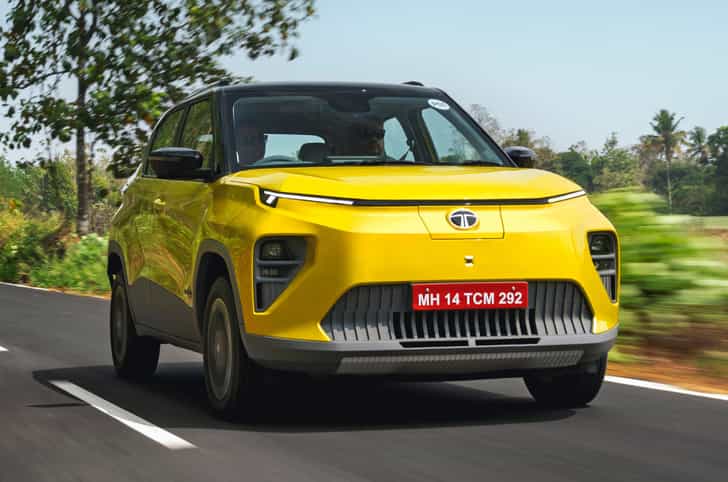
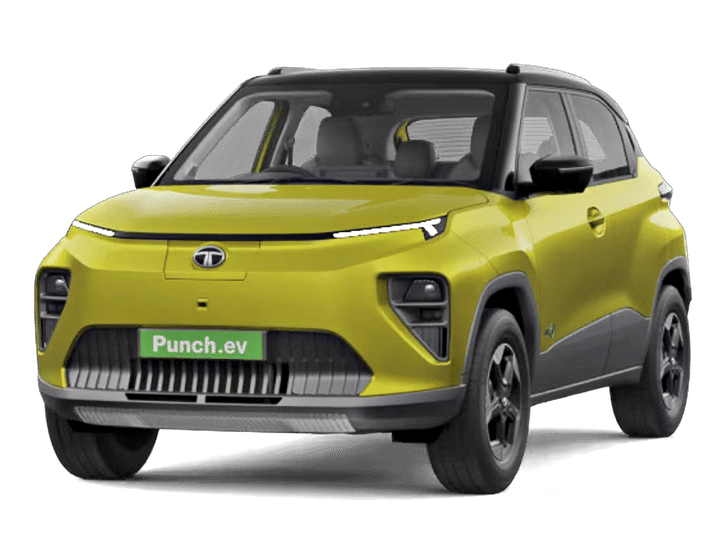
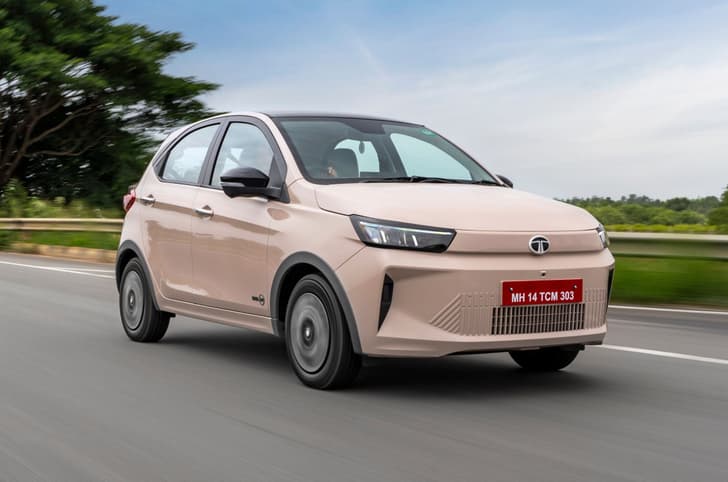
Mostly city use and a hard cap of Rs 15 lakh point to the Tata Punch EV Empowered Plus S as the best fit. It stays within budget, is easy to park, and gives a smooth, quiet drive in traffic. Tata’s EV network is wide, and the new Punch EV’s 40kWh battery gives it a respectable real-world range. It will also get you more features than the base Tata Nexon EV, which your budget will buy you. Running costs are very low, and resale should be strong among its rivals.

Know the trade-offs: the Punch EV is smaller inside than the Nexon EV, so if space is more important to you than features, get the Nexon instead.

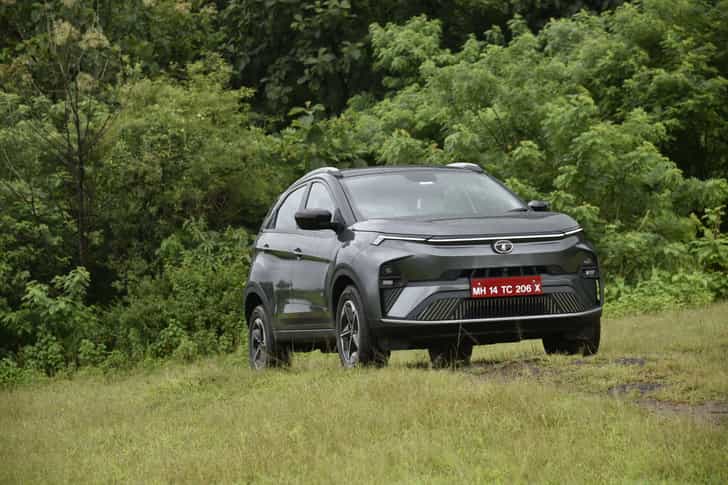
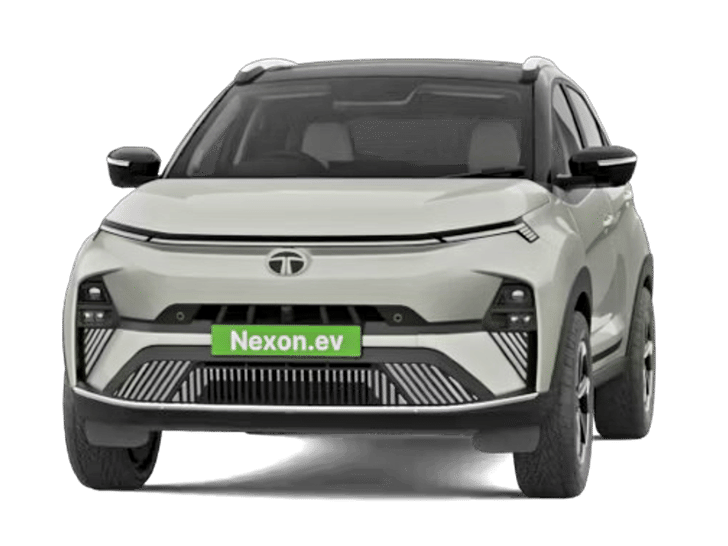
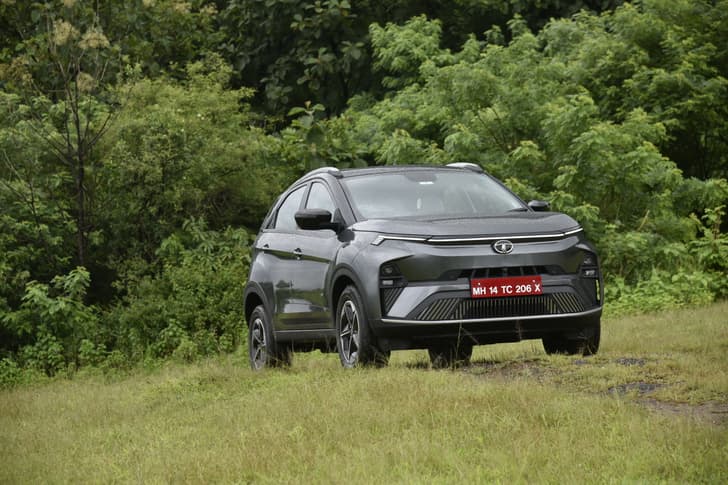
If you often carry family and can stretch past Rs 15 lakh, the Tata Nexon EV brings more space and stronger performance. Even the standard 38kWh variant of the MG Windsor EV will likely sit above your budget.

For your daily city runs and low-hassle ownership, the Punch EV lines up best.
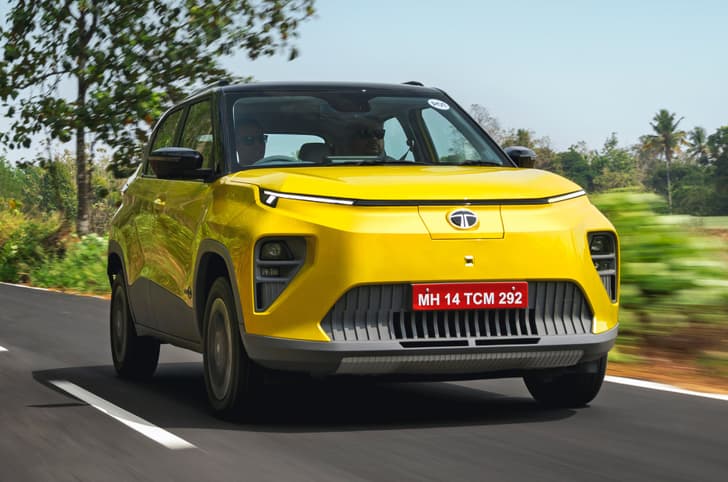
Tata Punch EV

Tata Punch EV

More questions on similar cars

NI

Nitin

3d

Hi, I own a Renault Duster petrol CVT (9 years old). My daily running is 30 km in the city and a 500 km round trip once a month. My Duster returns 7 kmpl in the city and 10 kmpl on highways. I was thinking of replacing it with the Punch EV 40 kWh, but I am worried about highway performance. Is it better to keep the Duster for highways and buy a lower-range EV for city use, or what works best?

Autocar India team

Autocar India

Verified
1d

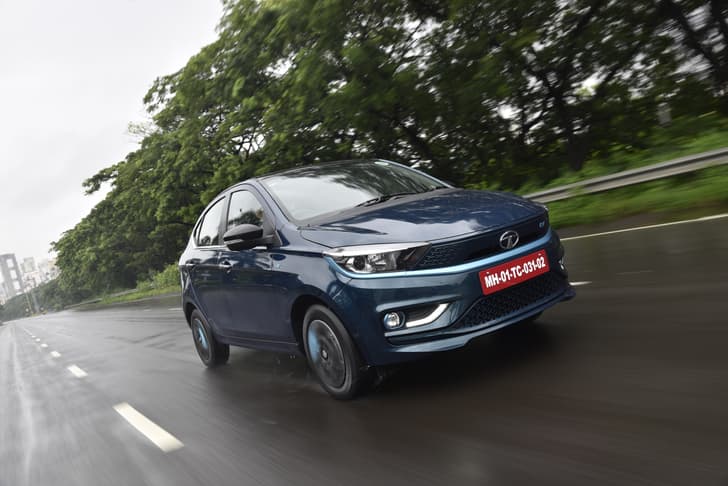
Your use is mostly city driving with one long trip a month, so switching to the Tata Punch EV 40kWh as your only car makes sense. In daily traffic, it feels smooth, quiet and easy to drive, while the instant response makes gaps in traffic easy to manage. On the highway, it feels stable and cruises comfortably. Expect a real-world highway range of around 220-230km, which means you will likely need just one fast-charging stop depending on your speed and load. If your route has enough fast chargers and you can charge overnight at your destination, this should not be an issue, and overall, it is a better solution than keeping your Renault Duster and buying a smaller city car.Two things to note versus your Duster: the Punch EV’s cabin and boot are smaller, and range can drop sharply if you are travelling fully loaded with luggage on longer trips.If that does not suit your usage, then keep the Duster for the monthly highway run and get a Tata Tiago EV for city use only. Do remember that even if the Duster is used only once a month, it will still need regular upkeep. Choose this option only if the running costs and parking needs of owning two cars are not a concern.

VehicleTata Punch EV
VehicleTata Tiago EV
DP

Dipak Patil

3d

Currently, I am using a Volkswagen Polo. I now want to buy a new diesel car with a budget of under Rs. 15 lakh, but I am confused about which one to choose.

Autocar India team

Autocar India

Verified
30m

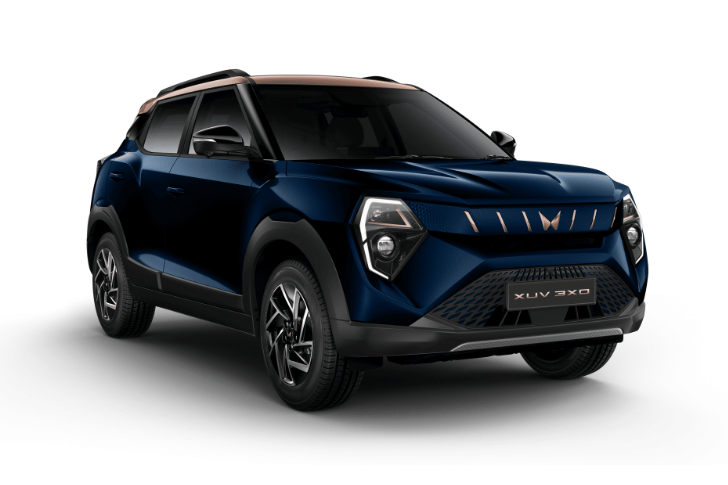
While there are a fair few options within your budget, we'll narrow the list down to models that can be had in mid-spec and above form. After all you don't want to pay Rs. 15 lakh and feel shortchanged on feel good features. Hyundai Venue, Kia Sonet and Kia Syros use the same 115hp, 1.5-litre diesel engine. The engine is pleasant and comes paired to a smooth 6-speed manual gearbox as standard. However, it's the 6-speed torque converter automatic version that we'd recommend you opt for. The gearbox is well in tune with the engine's characteristics, and what you get is a very polished drive experience. Of the three, the Hyundai Venue is the best all rounder but is on the pricey side for what you get. The Kia Syros is easily the roomiest and feels most premium inside too. A firm ride does take away from the experience, though. The Sonet is the oldest of the lot but still holds its own in quality, tech and features. In fact, the Sonet that's in its run out phase (the next-gen Sonet comes in a few months) is available at very tempting prices without feeling like a last-gen model. If you like the robust build of your VW Polo, you might find a good replacement in the Mahindra XUV 3XO. There's a toughness to the package, and ride and handling are very well sorted. Go for the manual, though. The AMT is not great.

VehicleHyundai Venue
VehicleKia Sonet
VehicleKia Syros

Popular discussions right now

DJ

Deepak Jain

4d

I am planning to buy the Honda City facelift that was launched yesterday. How does it compare with the Volkswagen Virtus? I am also assuming that the government will continue supporting E20 fuel even if E85 is introduced in the future. So, is it still safe to buy a petrol vehicle in Delhi/NCR?

Autocar India team

Autocar India

Verified
3d

The new City facelift does make a stronger case now because Honda has added genuinely useful features like a larger infotainment screen and ventilated front seats, while pricing has remained fairly sensible. But fundamentally, the character of the car has not changed.Against the VW Virtus, the choice still comes down to personality. The Virtus is the more fun to drive option, especially with the turbo petrol engines, because it feels stronger, more eager and more engaging from behind the wheel. The City, on the other hand, is the more balanced sedan. The 1.5 naturally aspirated petrol is smooth, refined and easy to live with, but if outright performance is your priority, it will not feel as quick as the turbo Virtus. The City hybrid changes that equation because it is genuinely quick and can match the 1.5 TSI for straight line pace, but it is still not what you would call an enthusiast’s car.On the fuel front, yes, it is safe to buy a petrol car in Delhi NCR. Current mainstream petrol cars are already E20 compatible, and even if India eventually pushes toward higher ethanol blends, that transition will be gradual rather than an overnight switch. Beyond a certain point, if the country were to move meaningfully toward very high blends like E85, manufacturers would need proper flex fuel engines engineered for that fuel, and the government would also need to continue offering lower blend fuel options during any transition.

VehicleVolkswagen Virtus
VehicleHonda City

Posted on: 27 May 2026