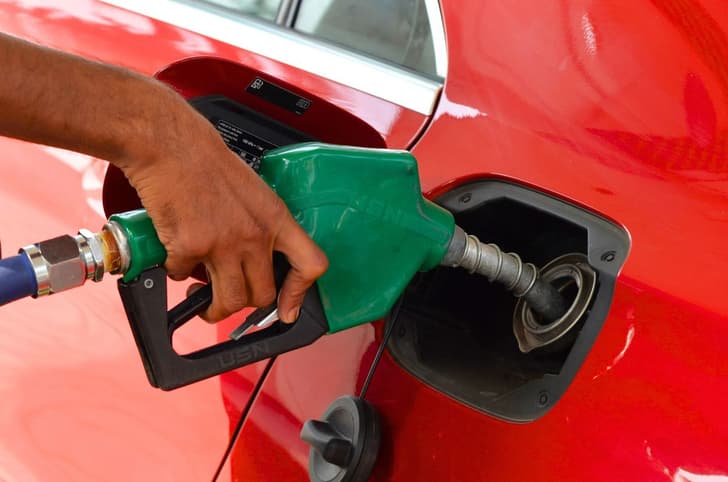
India's state-run oil marketing companies (OMCs) – Indian Oil Corporation (IOCL), Bharat Petroleum Corporation (BPCL), and Hindustan Petroleum Corporation (HPCL) – have revised the retail prices of their premium petrol variants by between Rs 2.09 and Rs 2.35 per litre, respectively. The new rates will come in effect from March 20, 2026, as per ANI. This comes after the government tried to absorb rising crude oil prices for three weeks now, since the conflict began in West Asia in late February.
- Price of regular petrol and diesel remains unchanged
- Premium petrol with higher octane rating is usually used in high-performance vehicles
What’s the new price of premium petrol?
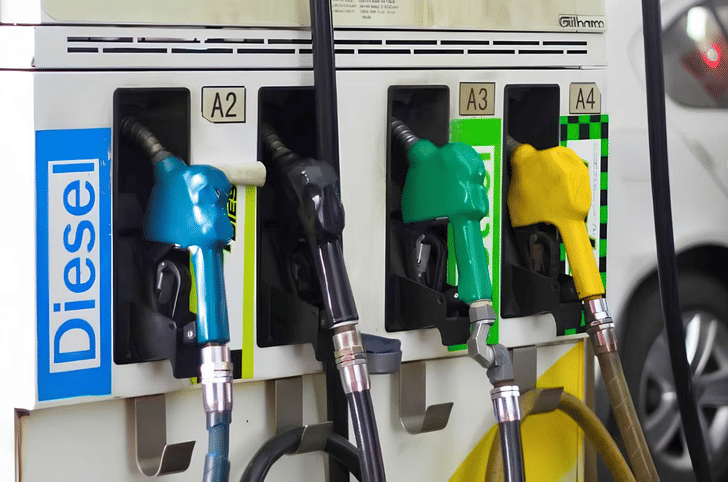
The price adjustment applies specifically to branded, high-performance fuel products: HPCL's Power, IOCL's XP95, and BPCL's Speed variants have all seen increases within this range. The per-litre price of these premium fuels now stands at approximately Rs 113.77, up from around Rs 111.68 earlier. Price of regular petrol, however, remains unchanged.
Earlier in the day, prices for crude oil dropped to $105 per barrel after major European countries and Japan expressed willingness to join efforts to ensure safe passage for ships through the strategically important Strait of Hormuz. The United States also announced measures to increase oil supply. These developments followed a surge in prices past the $110 mark, triggered by Iranian strikes on energy infrastructure across several Gulf nations.
Shares of the three OMCs – Indian Oil, BPCL, and HPCL – rose by up to 3.5 percent on Friday following the announcement, as the price revision improved investor sentiment. The companies had been under considerable financial strain in recent weeks, with OMC stocks having fallen 15 to 20 percent in March alone, amid frequent single-day drops as Brent crude held at elevated levels. S&P Global Ratings and other analysts had warned of significant profit impact if frozen retail prices and rising input costs continued to squeeze marketing margins.
The current revision is limited to the premium segment and does not affect diesel prices, which remain a key variable for freight, agriculture, and public transport costs across the country.

 Dhruv Dhaka

 Uday Singh