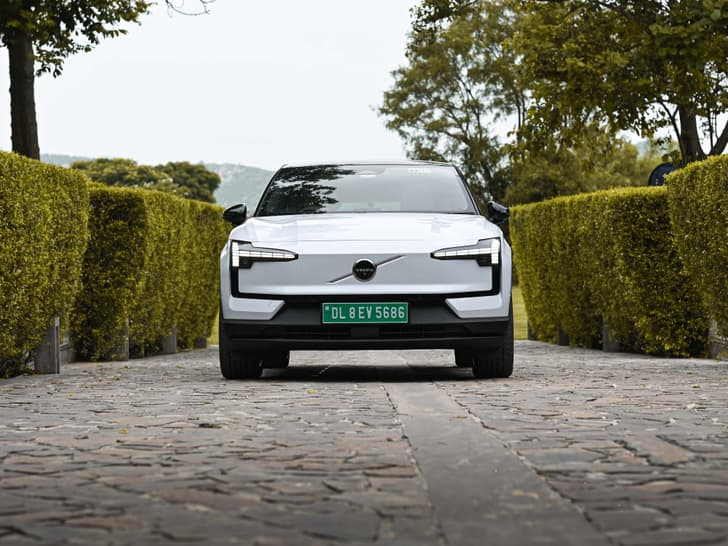
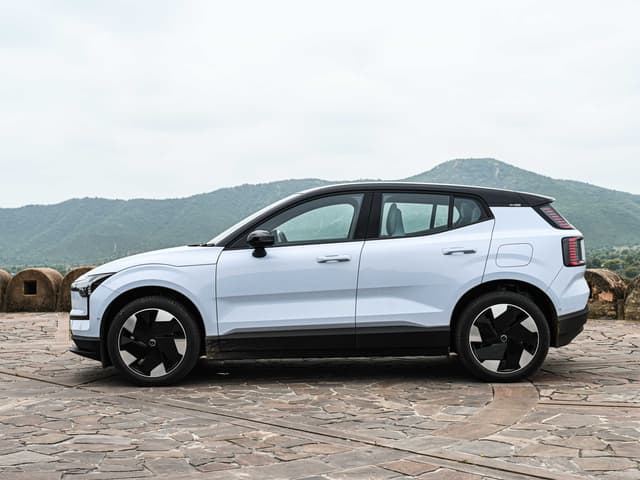
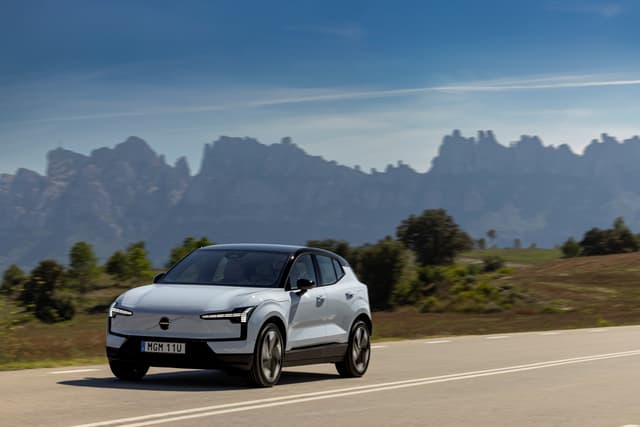
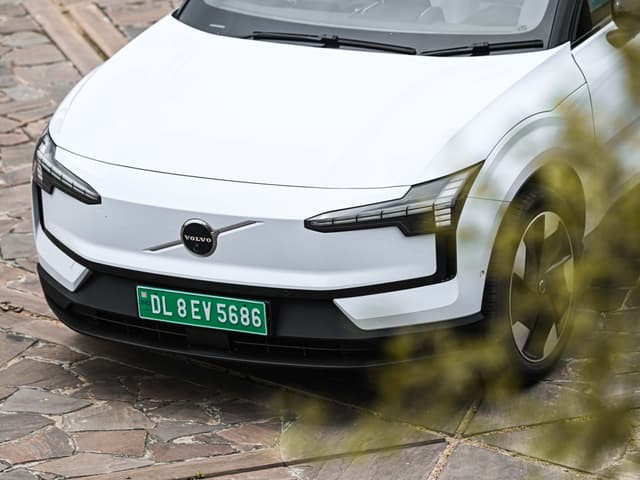
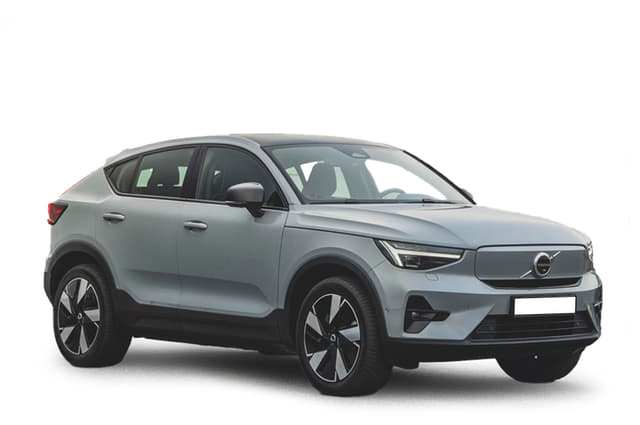
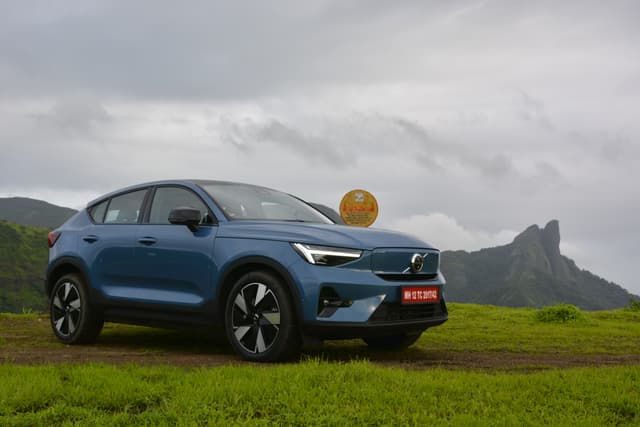
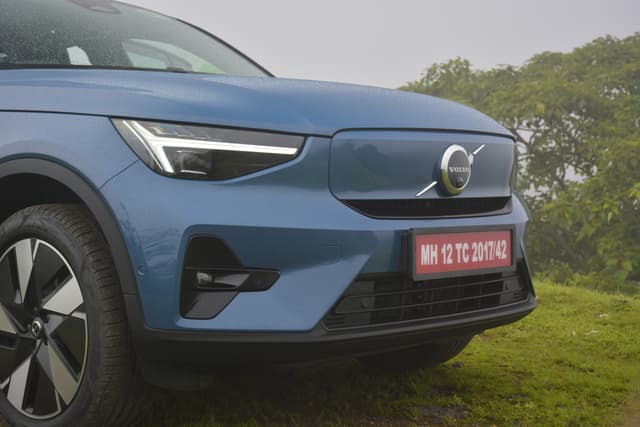
Volvo Electric Cars in India (2)
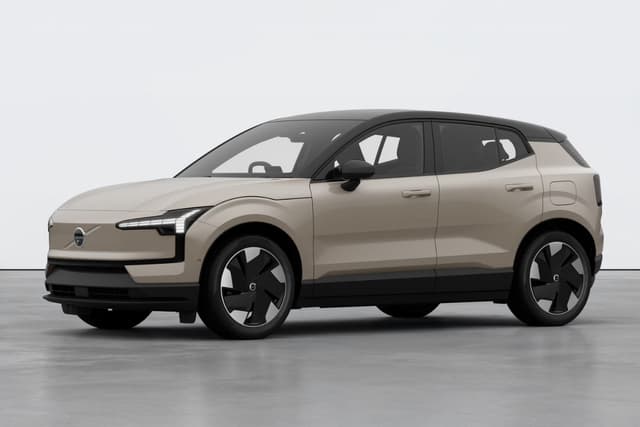
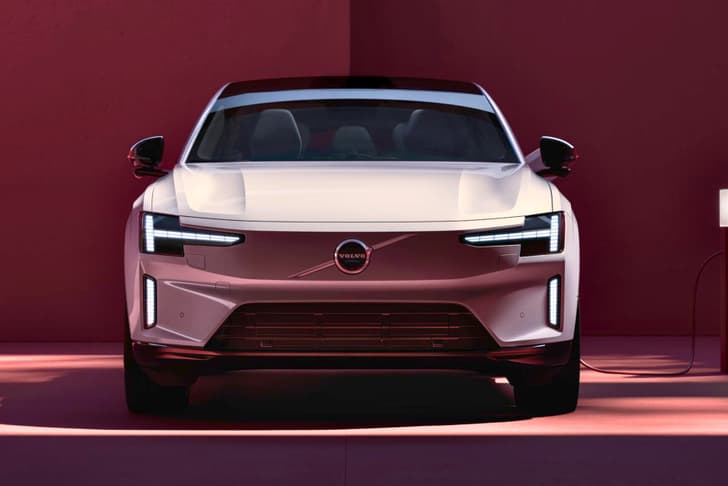
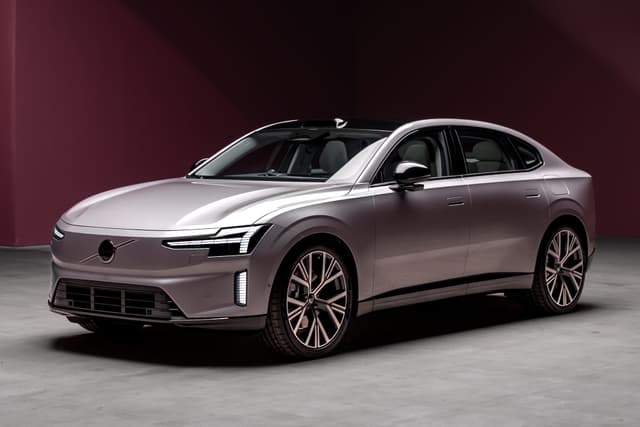
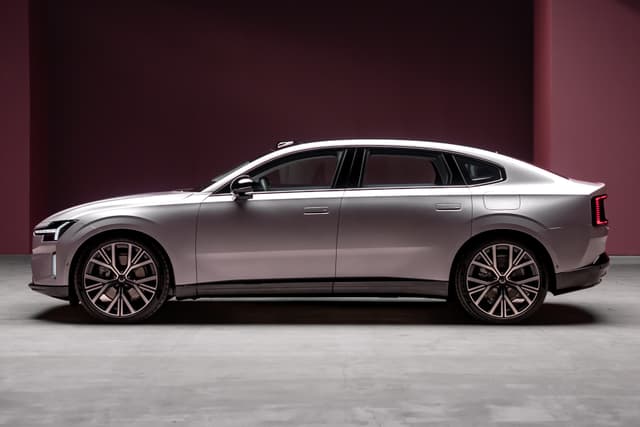
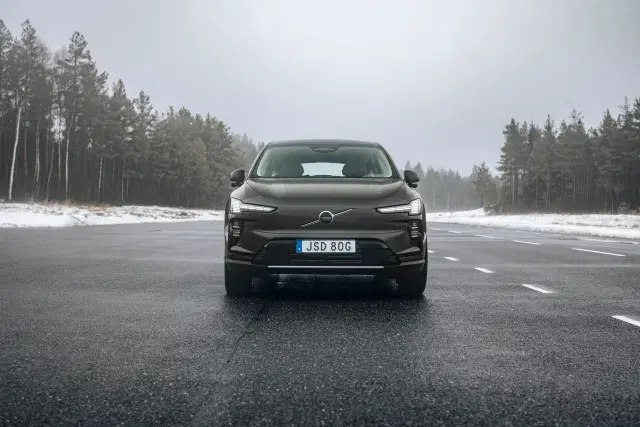
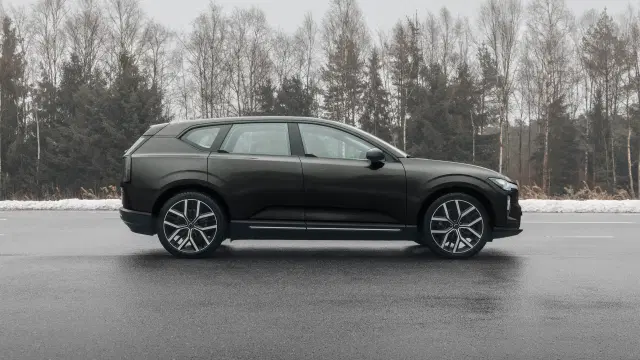
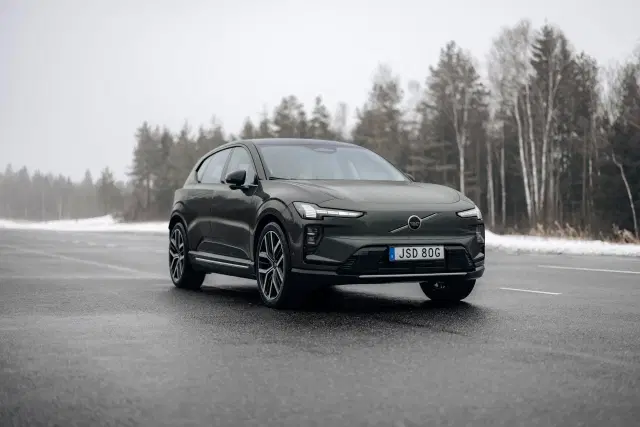
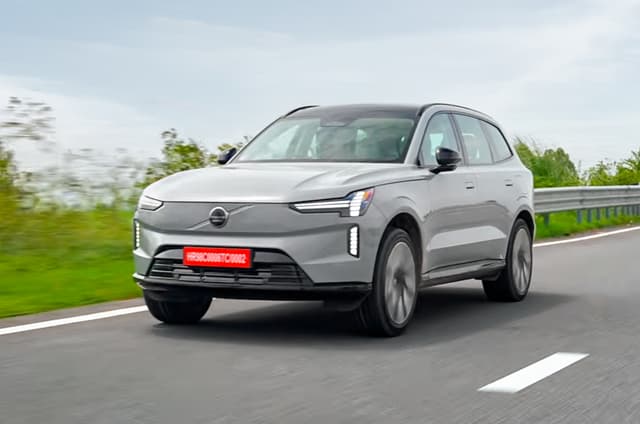
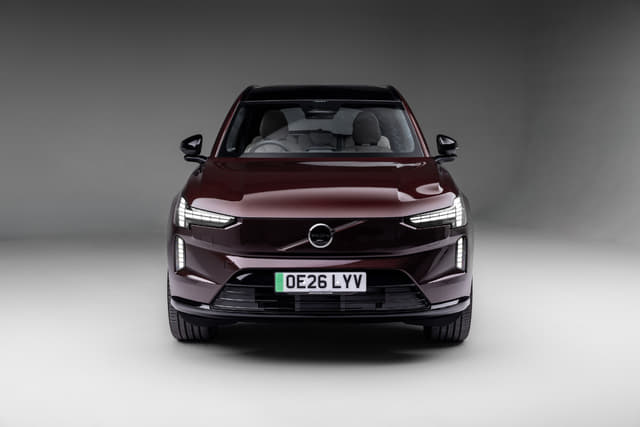
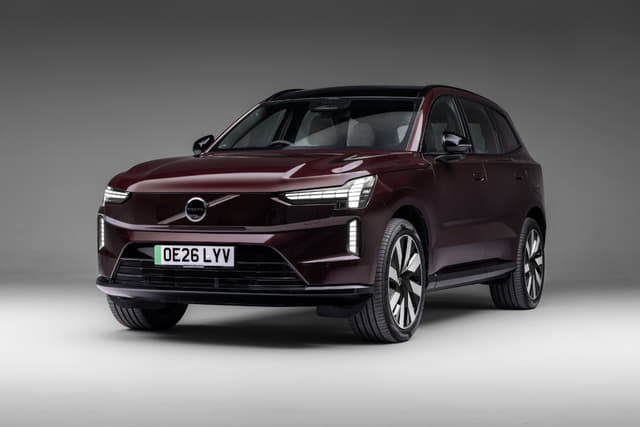
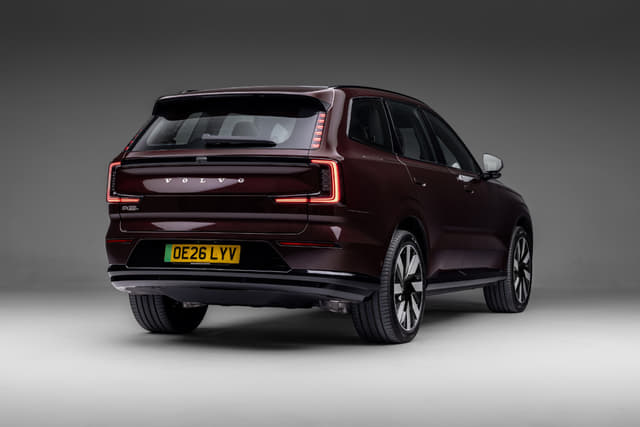
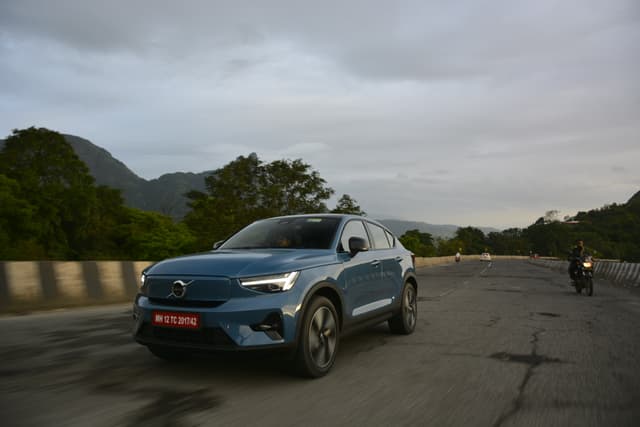
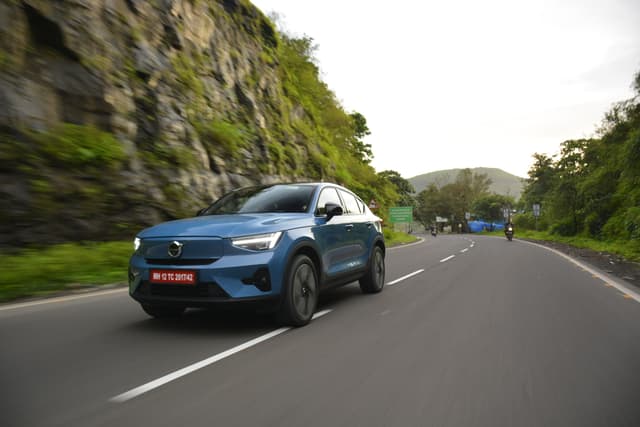
As of August 2026, Volvo electric cars include three models currently on sale. The Volvo electric car price range starts from ₹41.00 lakh for the EX30 and goes up to ₹59.00 lakh for the EC40.
All Volvo electric cars in India are available in SUV body style with a 5-seater configuration. In terms of range, the Volvo EC40 offers the highest claimed range of 530 km among the lineup. Volvo EX30 comes equipped with 6 airbags, while the Volvo EC40 and Volvo EX40 offer 7 airbags; this reflects the brand’s strong focus on occupant protection.
The Volvo electric car lineup also includes a comprehensive set of features such as Alloy Wheels, Cruise Control, ABS System, Parking Sensors, Central Locking, Wireless Phone Charging, and Reverse Camera. Premium features like Ambient Lighting and Android Auto/Apple CarPlay are available on the Volvo EX30 and Volvo EX40. The Sunroof feature is exclusive to the Volvo EX30 and Volvo EC40.


Volvo Electric Cars - FAQs
As of 2026, Volvo electric cars in India include three models currently on sale.
The Volvo electric car price starts from ₹41.00 lakh for the Volvo EX30 and goes up to ₹59.00 lakh for the Volvo EC40.
The most affordable Volvo electric car in the lineup is the Volvo EX30, with a starting price of ₹41.00 lakh.
Among the Volvo electric cars in India, the Volvo EC40 offers the highest claimed range of 530 km.
Currently, Volvo electric cars in India are offered in SUV body style, providing a premium electric SUV option for buyers.
All Volvo electric cars in the lineup come with a 5-seater configuration, making them suitable for families and everyday use.
The Volvo EX30 comes with 6 airbags, while the EC40 and EX40 offer 7 airbags.
The Volvo electric car lineup includes features such as Alloy Wheels, Cruise Control, ABS System, Parking Sensors, Central Locking, Wireless Phone Charging, and Reverse Camera.
Trending Questions on Volvo Cars - Answered by Autocar Experts
I am confused about which EV would be the best choice: the BMW iX1, a Volvo EV, or Mahindra XEV 9S. Are there any other EVs that I should also consider before making a decision? My only concern with the BMW iX1 is its interior.
The BMW iX1, Volvos and Mahindra XEV 9S are all quite different propositions, so the ‘best’ one really depends on what you value beyond interiors.The BMW iX1 is actually one of the more practical luxury EVs, with a spacious cabin. a genuinely premium feel and strong performance, which makes it very good value in the luxury EV space. If your only concern is that the interior doesn’t wow you visually, it’s still worth a serious look because the perceived quality, ergonomics and driving experience are all very strong.Assuming you’re referring to the Volvo EC40 and EX30, both offer very classy, minimalist cabins with high-quality materials and that typical Scandinavian design feel, but with almost everything controlled via the touchscreen. However, they are not very spacious; the EX30 in particular is tight at the rear, with limited legroom and a cramped benchThe Mahindra XEV 9S cannot match the Europeans for material richness or finesse of fit and finish, but it is fantastic value and absolutely nails space, comfort and features, especially if you need a proper family EV and possibly seven seats. If interior design “feel” matters more than outright luxury, the 9S may actually make you happiest in daily use, while the BMW is the better pick if you want a true luxury EV with strong dynamics.
Which car is better, the Sealion 7 or the Volvo EX30? I am looking to buy a premium EV alongside my Fortuner.
As a second car alongside your Toyota Fortuner, the Volvo EX30 Single Motor Long Range is the stronger fit because it is small on the outside and easy to park, yet feels very upmarket inside. It is also quick, refined, and very quiet in city traffic.Three reasons it suits your brief. One, the compact size makes daily driving and tight parking far less stressful than a bigger EV, which is what you want when the Fortuner already handles the long trips. Two, Volvo’s safety focus and the helpful driver add peace of mind. Three, the cabin, though cramped at the back, feels special, which keeps the “premium” feel you’re after every time you get in.A couple of trade-offs to note. The back seat and boot are not very big, so it is not the best choice if you often carry five people or a lot of luggage. Also, most controls sit on the centre screen, which takes a few days to get used to.If you expect more family use or frequent highway drives in the EV, pick the BYD Sealion 7 instead. It is larger, offers more rear seat space and a bigger boot. Plus, its battery is likely to give you a longer real-world range. The flip side is that it is bulkier in the city, and BYD’s service reach is still building up.Overall, as a premium, easy-to-live-with city EV to pair with your Fortuner, the Volvo EX30 fits best. Choose the Sealion 7 only if space and range matter more than compact size.
I own a Toyota Urban Cruiser Hyryder Hybrid V model. Within two years of purchase, i.e, November 2023 till now, I drove 60,000 km, an average of 2500 km per month. My usage is a mix of highway and city use. I am planning to buy an EV. I’m not comfortable with XEV 9E because it’s too big for a city commute. Please suggest a good car for mixed usage. I liked the new Volvo XE 30 and BYD Atto 3. Which one do you suggest? My budget is up to 45 lakhs.
Both are excellent options and should fit in your budget of Rs 45 lakh. The Volvo EX30 is the more contemporary option with more luxurious interiors. However, it isn't very spacious and is missing some features you would expect at this price.Overall, your better bet is the BYD Atto 3, which, though a little bit older and with a quirky interior design, is the more complete car. Most of all, this BYD car has a more spacious interior, particularly in the rear seat. Moreover, it has a slightly higher range rating and a slightly lower price than the Volvo car.
I want to buy a premium SUV with a petrol engine. I am considering the XC60, GLC, and X3. Which one should I choose? My daily driving is around 20-25 km, with 70% city use and 30% highway driving. I would also like to know which reliable brand offers better after-sales service. Please suggest the best option.
With 20-25 km a day and mostly city use, the Mercedes-Benz GLC petrol (badged GLC 300) fits your brief best. It feels smooth and easy at low speeds, the steering is light in traffic, and the ride handles broken roads well, so your daily run will feel calmer. On weekend runs, it stays steady and quiet, and the cabin feels properly upmarket. Mercedes has the widest dealer and service reach of these three.If you value a very calm cabin and strong safety tech, the Volvo XC60 petrol is a lovely daily driver. Volvo’s service reach is smaller, so check how close your nearest workshop is. If you enjoy a sportier feel, the BMW X3 suits keen drivers, though the interior doesn't wow like the Merc or Volvo's.Overall, for city-heavy use and peace of mind ownership, go for the GLC petrol.
How is the Lexus RX 350h? Is it worth the price being asked compared to its immediate rivals like Volvo and BMW? I will mostly be using the rear seat, so comfort there is a key priority. Could you please advise?
If you are mostly sitting in the back seat and your use is primarily in the city, the Lexus RX 350h fits that role well. It scores high on refinement, space and luxury, with exceptional attention to detail and a uniquely Japanese take on cabin design. Being a strong hybrid, the RX 350h moves mostly on electric power in traffic, and the switchover is near imperceptible; as you can imagine, fuel consumption is incredibly low by luxury SUV standards. Noise levels are low, so calls or resting in the back seat are easy. Lexus cars also have a strong record for trouble-free ownership, which matters when you plan to keep the car for a long.There are a few things to note for a back-seat user. The rear seat is comfortable and reclines, but the floor is a bit high, so tall people may sit a little knee-up. It is a wide five-seater, but it does not feel as airy as the biggest rivals. If you want a roomier back seat and a more stretched-leg feel, the Volvo XC90 will feel bigger, and it also gives you seven seats if that ever helps. If you sometimes drive yourself and enjoy a sportier feel, the BMW X5 is the one that feels more lively from the front seat, though its ride can feel firmer in the back.However, both those cars are more expensive than the Lexus, which today spells exceptional value in the segment.
Last Updated on: 31 Jul 2026