Mahindra Electric Cars in India (6)
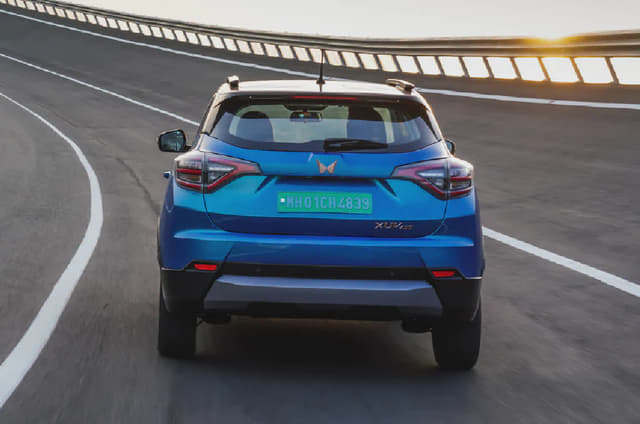
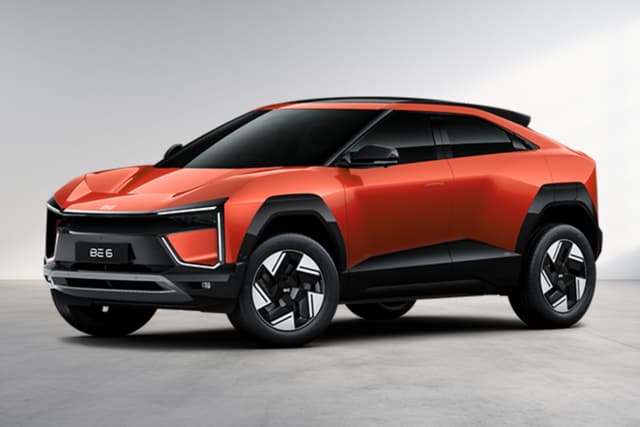
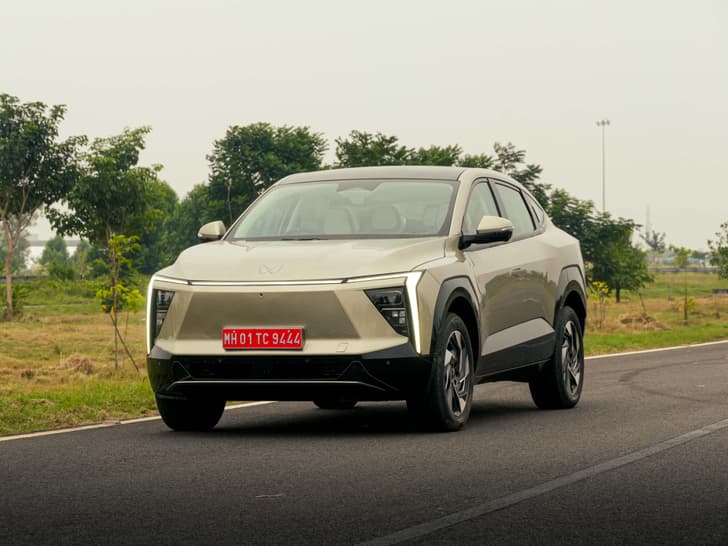
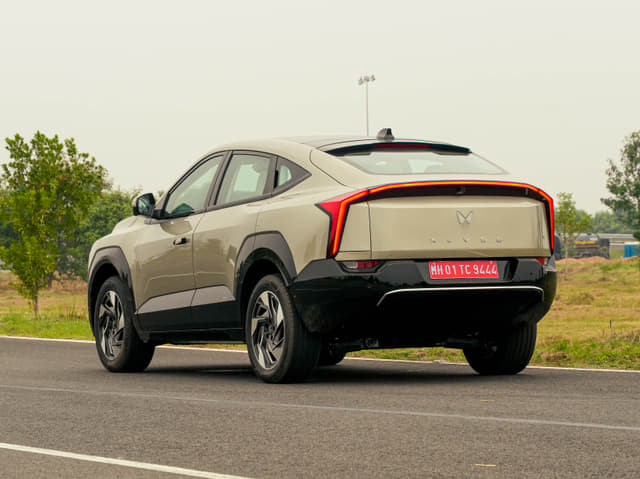
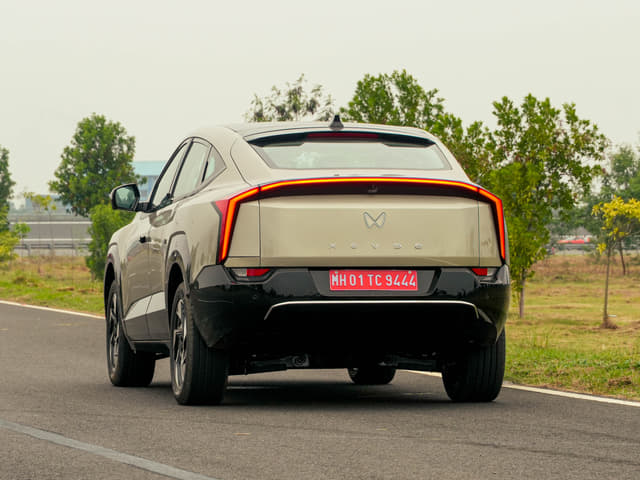
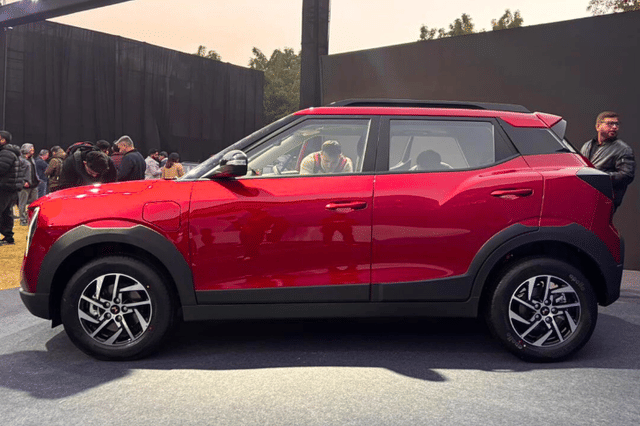
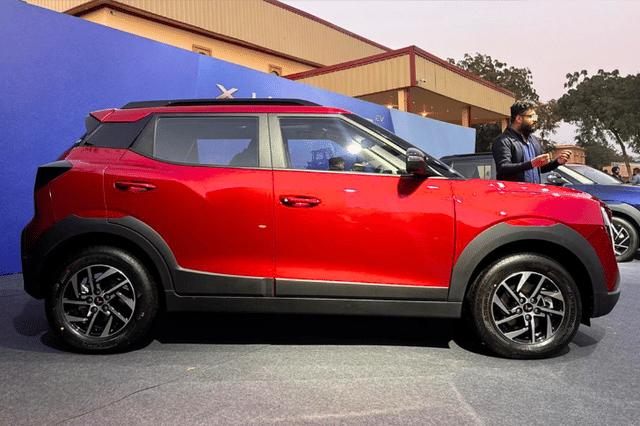
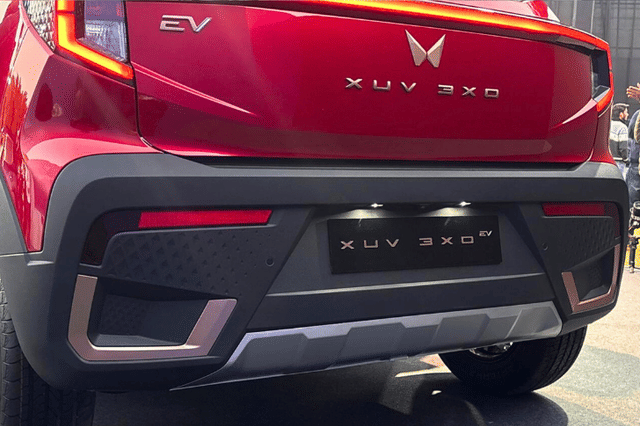
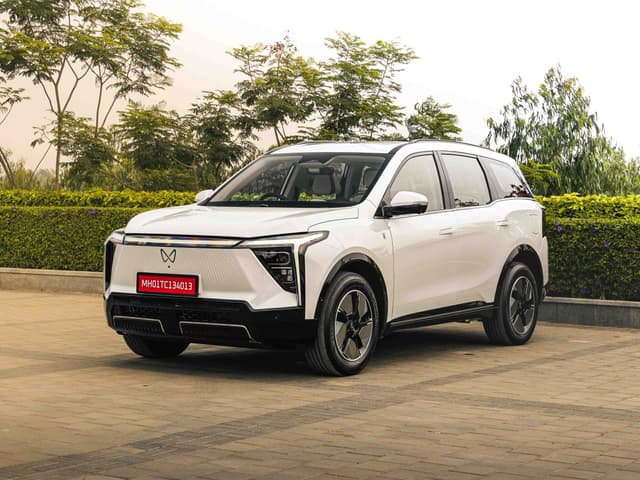
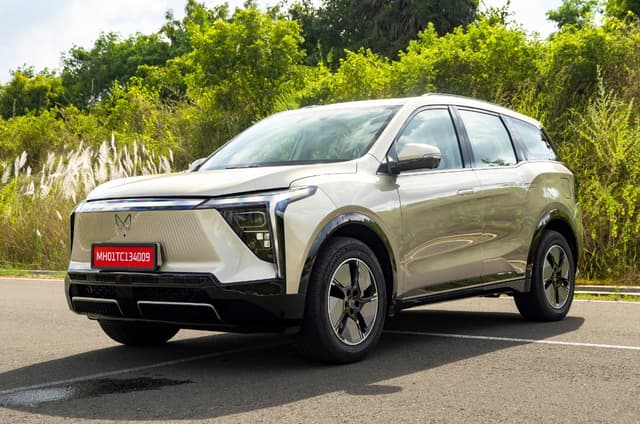
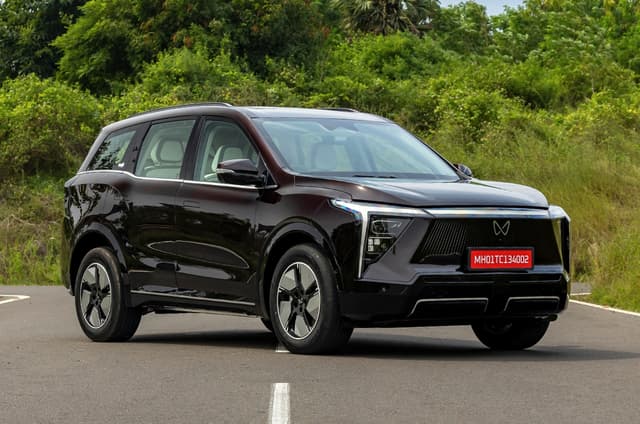
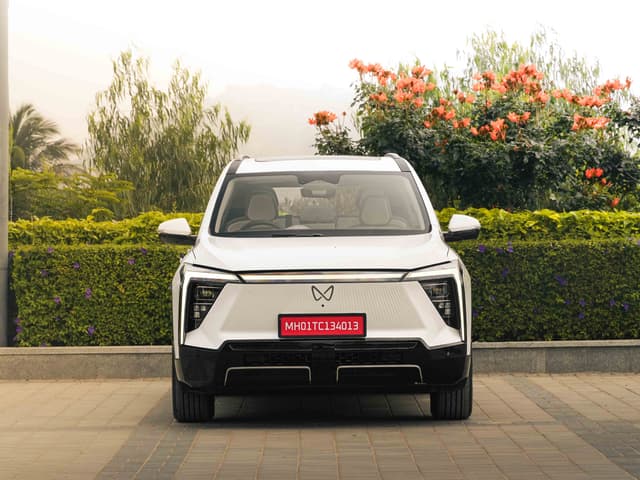
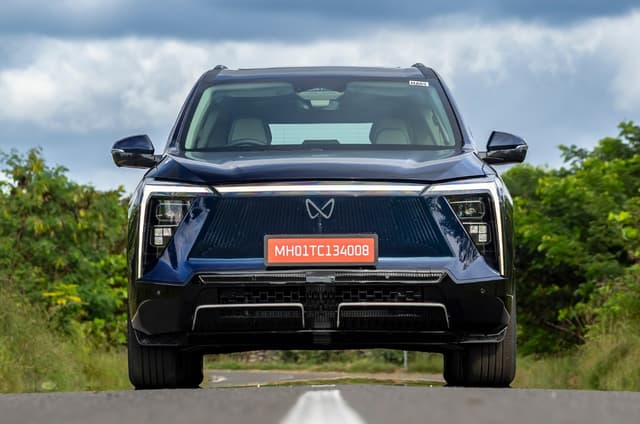
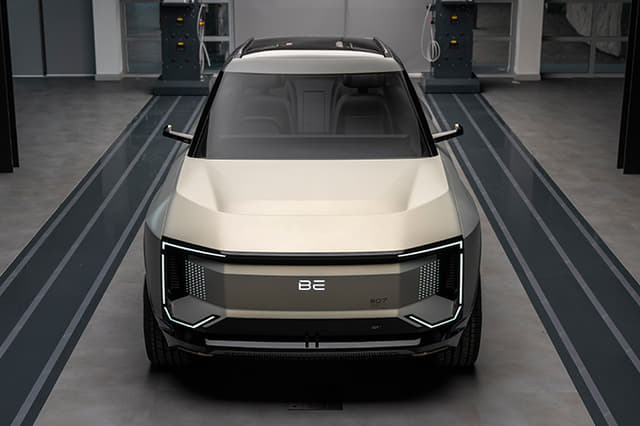
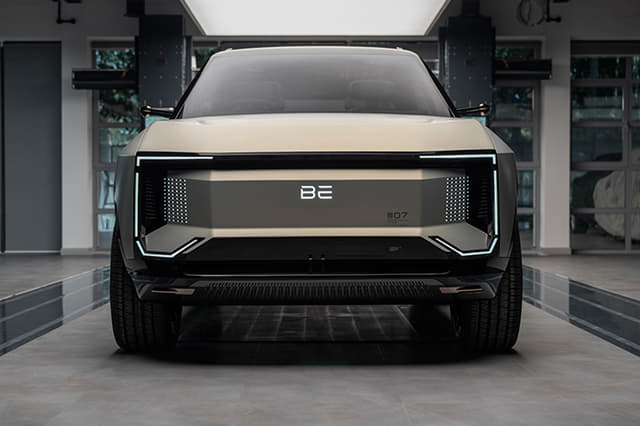
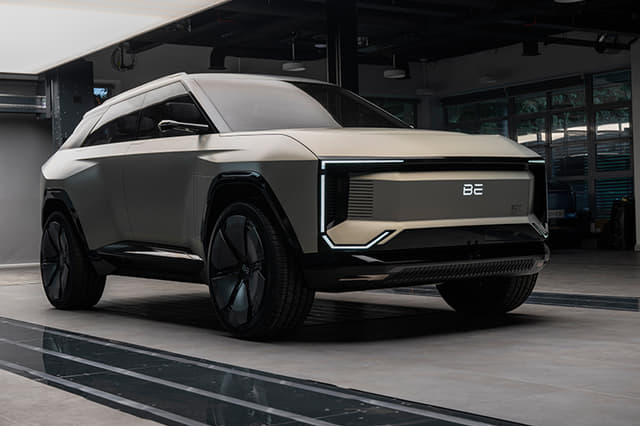
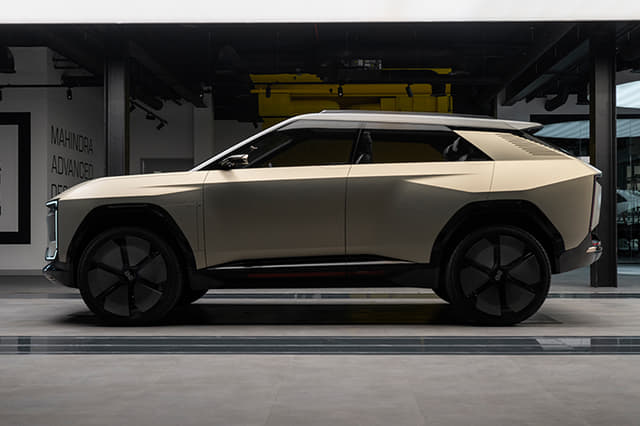
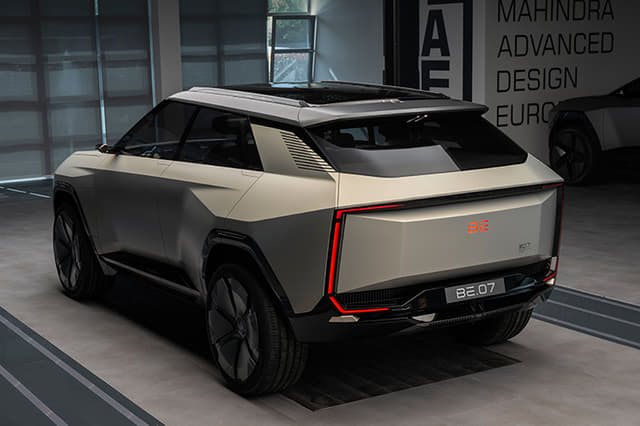
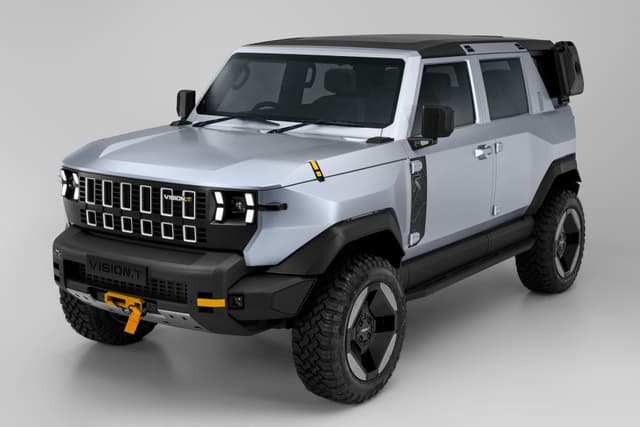
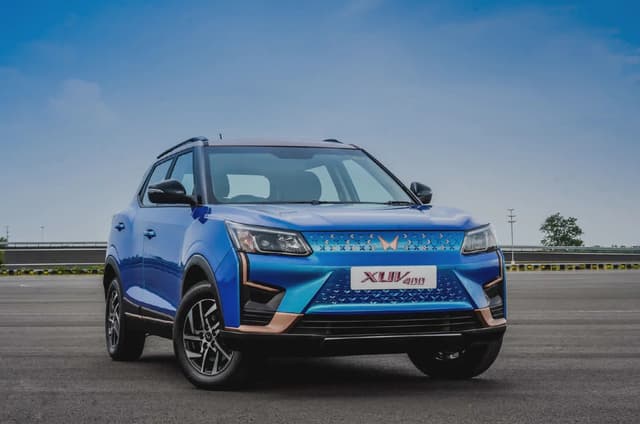
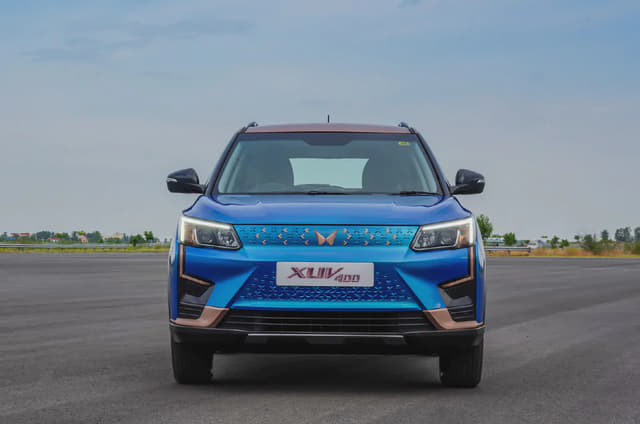
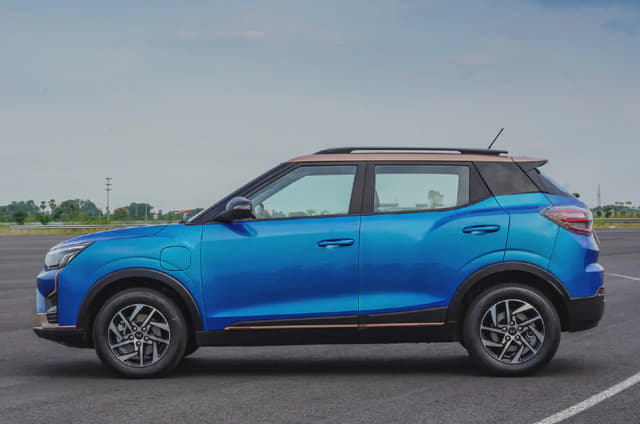
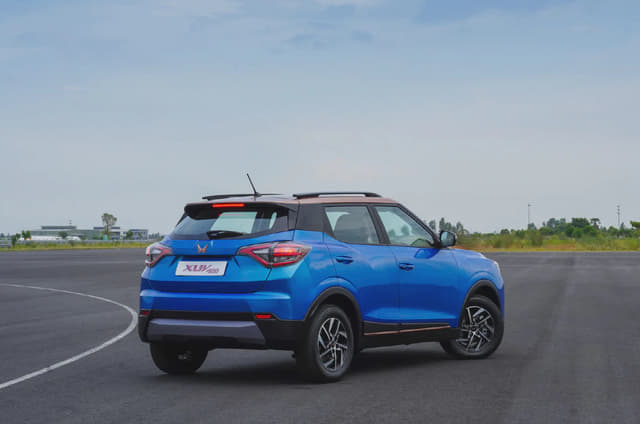
Mahindra electric cars in India currently offer a growing SUV-focused EV lineup. As of now, in July 2026 Mahindra's electric car portfolio includes models such as Mahindra XUV400, Mahindra BE 6 and Mahindra XUV 3XO EV.
The Mahindra electric car price in India starts from ₹13.89 lakh, for XUV 3XO EV. The Mahindra XEV 9e sits at the top end of the range, with prices going up to ₹30.50 lakh. Check out the Mahindra electric cars' prices in the table below:
Mahindra Electric Cars - Price List July 2026
In terms of seating, the Mahindra XEV 9S stands out as the 7 seater electric SUV, while the remaining models are five-seaters. Safety-focused buyers can look at models like XEV 9e, BE 6, and XUV400, which are listed with a 5-star safety rating, and feature-rich options include 360-degree camera availability on the BE 6 and XEV 9e.
Mahindra EV Model | Ex-showroom Price |
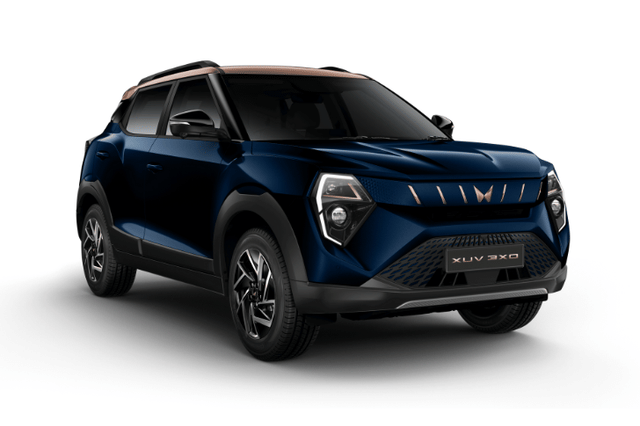
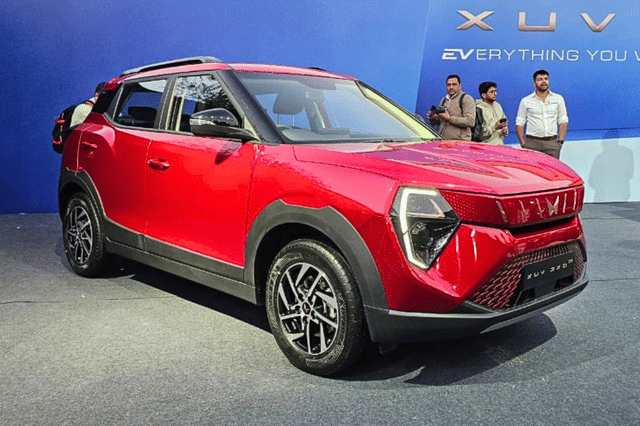
Mahindra XUV 3XO EV | ₹13.89 - ₹14.96 lakh |
Mahindra XUV400 | ₹15.49 - ₹17.49 lakh |
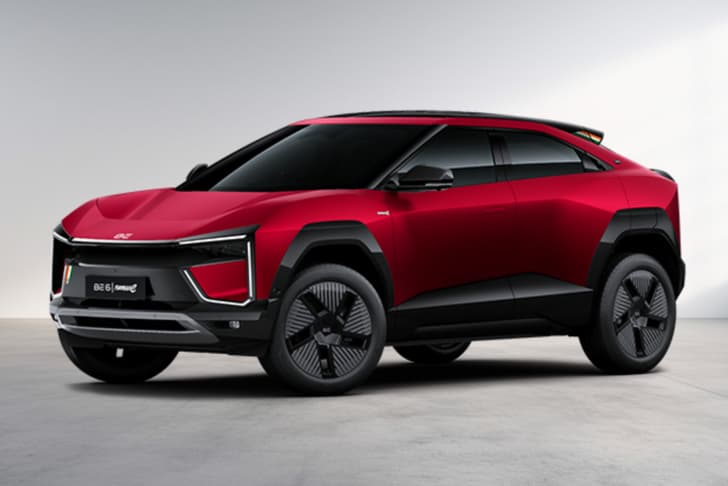
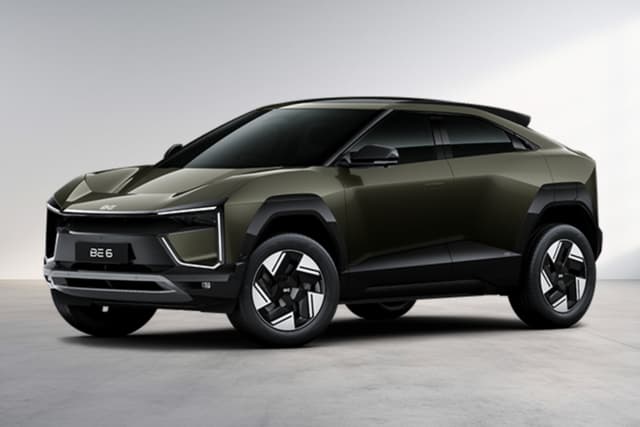
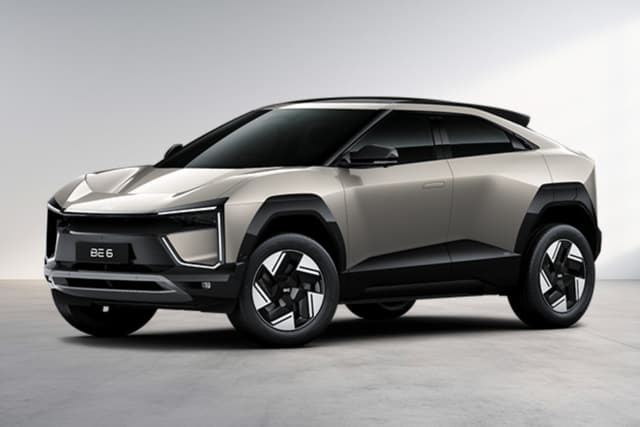
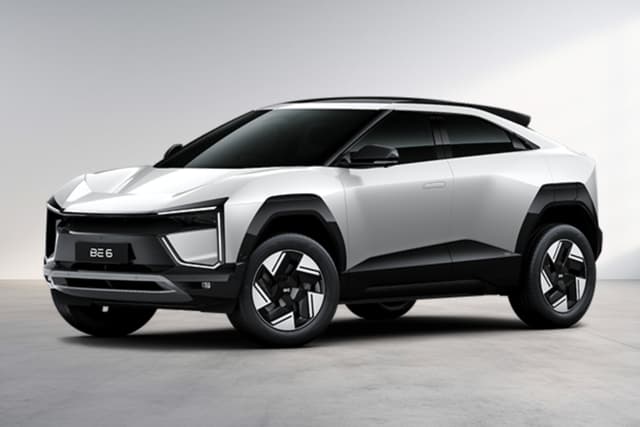
Mahindra BE 6 | ₹18.90 - ₹26.90 lakh |
Mahindra XEV 9S | ₹19.95 - ₹29.45 lakh |
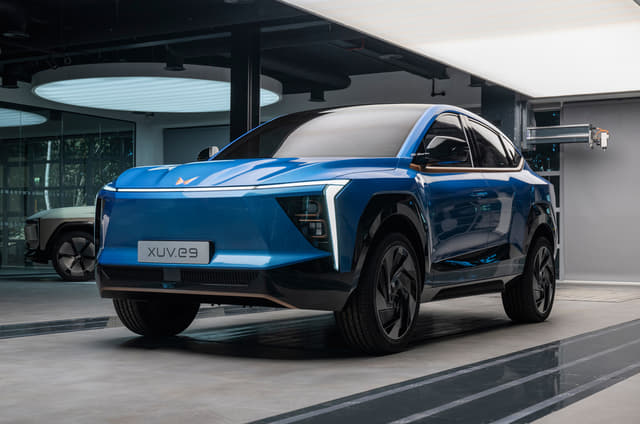
Mahindra XEV 9e | ₹21.90 - ₹30.50 lakh |
Mahindra Electric Cars- Key Highlights
Criteria | Mahindra EV Model |
Cheapest car | Mahindra XUV 3XO EV (₹13.89 - ₹14.96 lakh) |
Most expensive car | Mahindra XEV 9e (₹21.90 - ₹30.50 Lakh) |
5 star safety rating | XEV 9e, BE 6 and XUV 400 |
360 degree camera | Mahindra BE 6 and XEV 9e |
7 seater | Mahindra XEV 9S |


Mahindra Electric Cars - FAQs
The Mahindra electric cars in India lineup currently includes 5 models, which include the Mahindra XUV 3XO EV, Mahindra XUV400, and Mahindra BE 6.
The Mahindra electric car price in India starts at ₹13.89 lakh for the XUV 3XO EV and goes up to ₹30.50 lakh for the Mahindra XEV 9e.
The Mahindra electric car low price model is the Mahindra XUV 3XO EV, priced between ₹13.89 - ₹14.96 lakh.
The Mahindra latest electric car positioned is XUV 3XO EV.
The new Mahindra electric car price at the premium end reaches up to ₹30.50 lakh ex-showroom for the XEV 9e.
Among the Mahindra SUV electric car options, the Mahindra XEV 9S is the only model listed as a 7 seater electric SUV.
Within the Mahindra all-electric car lineup, the XEV 9e, BE 6, and XUV400 are listed with a 5-star safety rating.
Trending Questions on Mahindra Cars - Answered by Autocar Experts
Hi, We currently own a 7-year-old Hyundai i20 Active, which we use for 60 - 70% city driving and the remaining 30-40% on highways. We are planning to buy an electric car, but we are a bit concerned about the current uncertainty surrounding government policies related to EVs. We have shortlisted the Hyundai Creta Electric and the Mahindra XEV 9S. Which one would you recommend for our usage? Also, what is your opinion on the resale value of EVs over the next 5-7 years?
Given your usage pattern of 60-70% city driving with regular highway runs, the Hyundai Creta Electric is the more sensible choice. This Hyundai car is a more mature and well-rounded product, with Hyundai’s strong service network and a proven track record in EVs. The Creta Electric also benefits from a more mainstream brand image, which should help with long-term ownership confidence and potentially better resale value.The Mahindra XEV 9S is a very capable EV with a larger battery and longer claimed range, but it is a much bigger and heavier car, which makes it less suited to city driving.On resale value, electric cars are still a developing story in India. Battery health, warranty coverage and the pace of technological change will all play a role. Mainstream brands with strong service networks are likely to hold value better, and Hyundai’s wider reach gives it an advantage here. That said, EV resale values are still not as predictable as ICE cars, so it is best to view the purchase as a long-term ownership proposition rather than banking on strong resale.Overall, the Creta Electric strikes a better balance between city usability, highway capability and ownership confidence.
I am a first-time car buyer and am planning to drive 700-800 km per month with a mix of 55% city driving. I have shortlisted Tata Punch EV, Honda Amaze ZX CVT, and Mahindra 3XO MX3 Pro AT. My budget is Rs. 13 lakh. Please suggest which one I should go with for long-term ownership with minimal issues. I am looking for comfort, safety, reliability, features, and cost efficiency.
Go for the Honda Amaze ZX CVT. At 700-800 km a month with 55% city driving, you are not running enough to justify an electric car, and the Amaze’s naturally aspirated petrol engine paired with the CVT is extremely smooth, reliable and efficient in city traffic. Honda’s long-term reliability and low maintenance costs make it a very safe first-car choice, and the Amaze is also one of the most comfortable compact sedans with a spacious rear seat and a well-sorted ride. The Punch EV is a good product, but at your running it will take too long to recover the higher upfront cost, and the 3XO MX3 Pro AT, while feature-rich, does not have the same long-term ownership confidence as the Honda car. The Amaze also fits comfortably within your Rs. 13 lakh budget, allowing you to get the top ZX CVT variant with ADAS as an added safety net. Overall, it is the most sensible and hassle-free choice for a first-time buyer looking for comfort, safety, reliability and low running costs.
I currently own a Skoda Kushaq Petrol AT. Everything is fine except the mileage. I am getting only around 10-13kpl with E20 petrol. My daily running is around 100 km. Should I buy a diesel car or an electric car?
With a daily running of around 100 km, fuel efficiency becomes a major factor in ownership costs. The Skoda Kushaq petrol automatic is a good car, but the 10-13kpl you are seeing is typical for a turbo petrol automatic, especially with E20 petrol. At this usage, a diesel or a strong hybrid makes far more sense.If you do regular highway runs, a diesel is still the most practical and cost-effective solution. The Mahindra XUV 7XO diesel automatic would be the recommendation here. It is a strong highway car, comfortable, spacious and the diesel engine will deliver significantly better fuel efficiency than your Kushaq. Diesel running costs will be far lower over your kind of mileage. If that is out of your budget, something smaller like a Kia Seltos diesel, while not as powerful, is even more efficient.If your usage is mostly city a strong hybrid could be a better solution. The Maruti Suzuki Victoris is the most practical and cost-effective option. It is well priced, has a proven track record and will dramatically reduce your running costs. The strong hybrid is better suited to the city, where it is more likely to run on its electric motor than use the engine and deliver the better mileage.
Hello Autocar, I'm planning to buy an EV with a budget of around Rs. 20-22 lakh (ex-showroom). Although I can stretch it a bit if it's worth it. The models that I'm currently considering are Tata Sierra Adventure 75, Tata Harrier EV Adventure 65 and Mahindra XEV 9e 59 kWh (base variant). My usage will be around 70% city driving. I also own a 2025 Hyundai Creta Petrol CVT, so I'm looking for an EV that genuinely feels like an upgrade rather than just a different powertrain. Among these, I liked the XEV 9e the most, but I'm a bit concerned about the long-term practicality and battery life of the 59 kWh pack, since it's the smallest battery among the three. Which one would you recommend, and is there any other EV in this price range that I should consider?
Go for the Mahindra XEV 9e 59 kWh. It is the most complete electric car from the ones you're considering and will genuinely feel like an upgrade over your Creta. The Sierra and Harrier EV are good cars, but the XEV 9e feels more premium, more modern and more sorted as an overall package. Going for the smaller 59 kWh battery should not be a concern since it is still a large pack, and Mahindra’s battery management system is well engineered. The car is also more efficient than the Tata EVs, so real-world range is not as far behind as the numbers would suggest. The only reason to stretch to the larger battery is if you regularly do very long highway runs. For your 70% city usage, the 59 kWh pack is more than sufficient. The Sierra EV is the better Tata EV, but the XEV 9e is the better car overall.
Hello Autocar Team, I would appreciate your expert advice in choosing my second car. Please suggest the top three recommendations under Rs 12 lakh, automatic, and comfortable for a family of five. I previously owned a Fiat Punto Dynamic Diesel. I used it daily for around 70km, plus one outstation trip every month. Now I've relocated to Pune, and my running has reduced substantially to under 500km per month, with occasional trips. My requirements are: Budget: Rs 10-12 lakh on-road (slightly flexible). Type: Automatic family car, comfortable for five adults. Priorities: Value for money, low running and maintenance costs, safety, features, good boot space, reliability, and hassle-free long-term ownership. Given my reduced usage, I'm open to petrol, EV, or CNG as well. Please suggest the best options that would suit my requirements. Looking forward to your guidance.
We'd recommend stretching your budget slightly for the new Maruti Suzuki Brezza VXi Automatic.Although it's priced just above your stated budget of Rs 10-12 lakh on road, the extra spend is justified. The recently launched Brezza brings a more modern package while retaining its proven 1.5-litre petrol engine and smooth automatic gearbox. It comfortably seats five adults, offers good ride quality, generous ground clearance, a practical boot and low maintenance costs. Combined with Maruti Suzuki's extensive service network, it makes for one of the most hassle-free family cars you can own over the long term.If you prefer to stay strictly within budget, the Toyota Taisor S AMT is another sensible option. It offers Toyota's reliable ownership experience, good fuel efficiency and decent space for a small family. The Mahindra XUV 3XO MX2 Pro Automatic is also worth considering if you prioritise performance, although its boot is among the smallest in the segment.
Last Updated on: 31 Jul 2026