Hyundai Electric Cars in India (2)
Hyundai electric cars in August 2026 include two premium SUV options in the Indian market. The Hyundai electric car price in India starts at ₹18.02 lakh and goes up to ₹46.30 lakh (ex-showroom), offering choices for both mid-range and premium EV buyers.
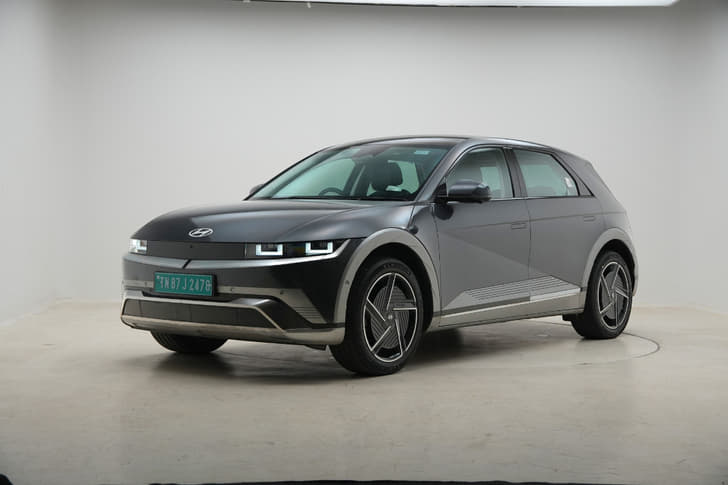
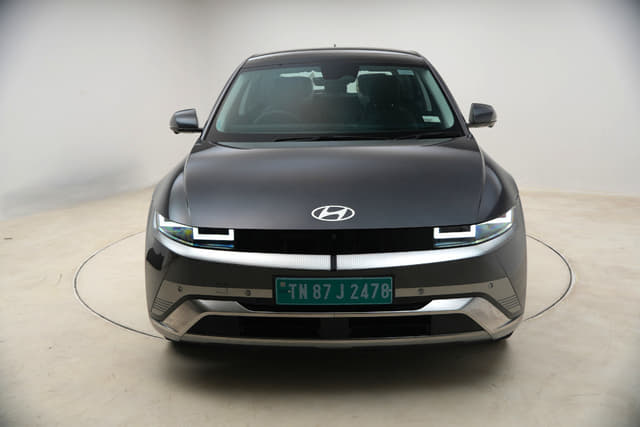
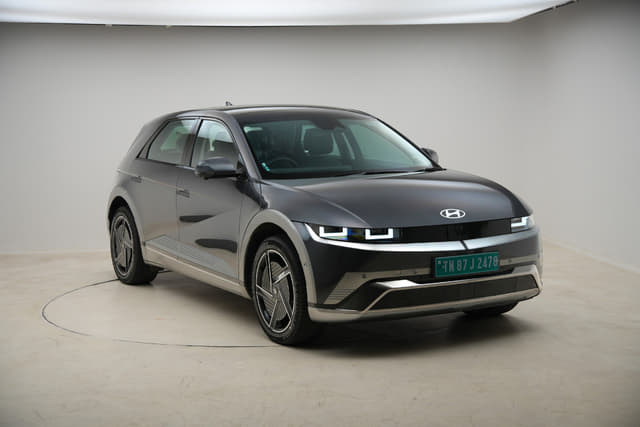
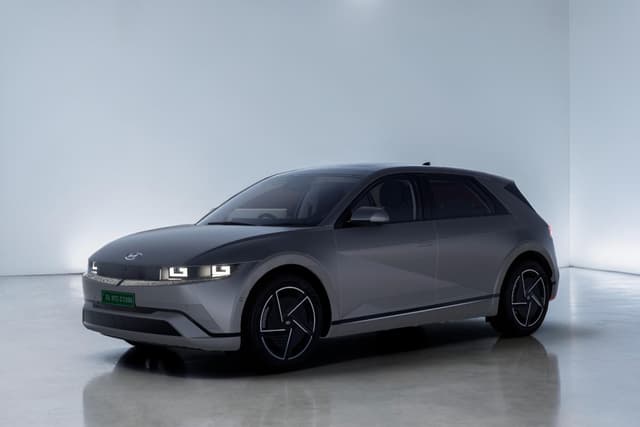
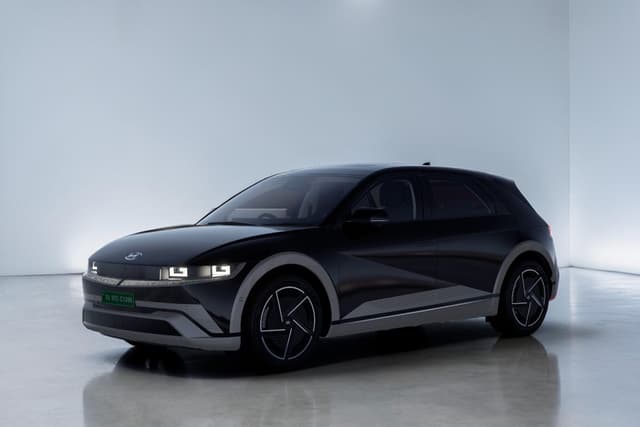
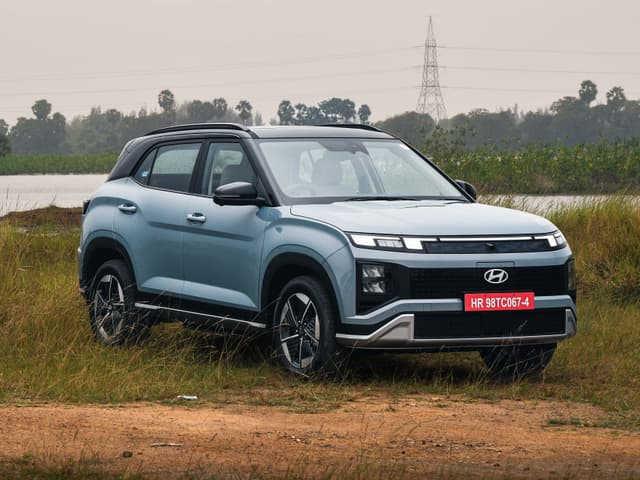
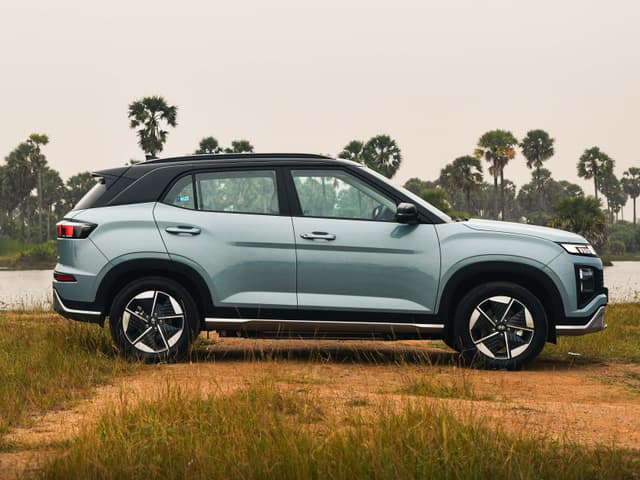
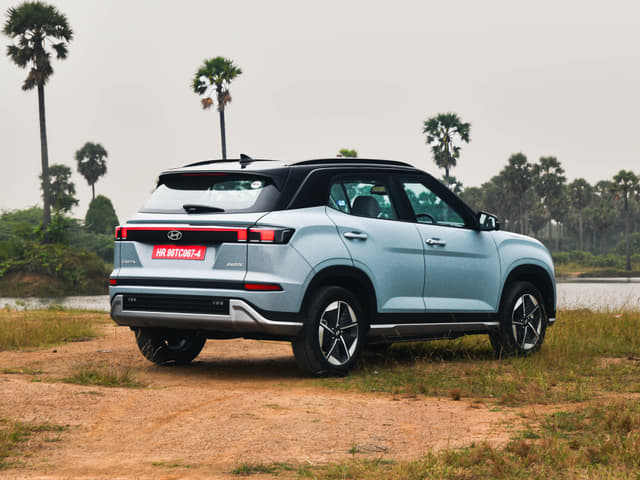
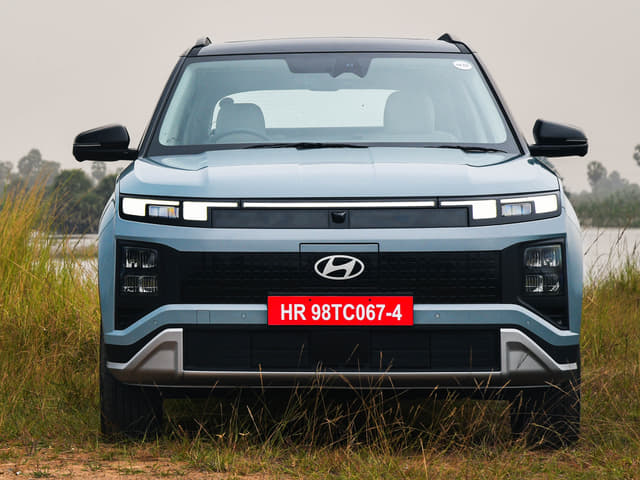
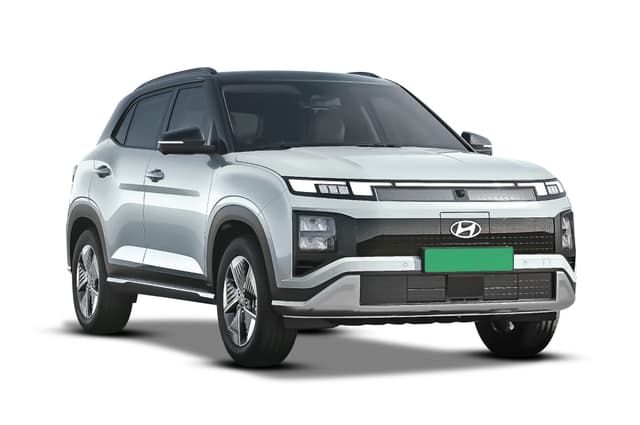
The Hyundai electric cars in India lineup consist of the Hyundai Creta Electric and the Hyundai Ioniq 5. The Hyundai Creta electric car offers a claimed range of 390-510 km and comes with a front-wheel-drive (FWD) setup. On the other hand, the Hyundai electric car Ioniq 5 delivers up to 631 km of range. It features a rear-wheel-drive (RWD) configuration for a more engaging drive.
Both Hyundai new electric car models are 5-seater SUVs and come equipped with 6 airbags for safety. Feature highlights include ambient lighting, alloy wheels, cruise control, ABS, parking sensors and central locking. The Ioniq 5 offers an additional 360-degree camera for enhanced safety.


Hyundai Electric Cars - FAQs
Hyundai electric cars currently include two SUV models in the Indian market.
The Hyundai electric car price in India starts at ₹18.02 lakh and goes up to ₹46.30 lakh (ex-showroom).
The Hyundai electric cars in India lineup consist of the Hyundai Creta Electric and the Hyundai Ioniq 5.
The Hyundai Creta electric car offers a claimed driving range of 390-510 km and comes with a front-wheel-drive setup.
The Hyundai Ioniq 5 delivers up to 631 km of range and features a rear-wheel-drive configuration along with a 360-degree camera.
No, currently there is no Hyundai electric car under 10 lakh available in India.
Both Hyundai new electric car options come with 6 airbags, ambient lighting, alloy wheels, cruise control, ABS, parking sensors and central locking.
The Hyundai electric cars price range for the two SUV models falls between ₹18.02 lakh and ₹46.30 lakh (ex-showroom).
Among Hyundai electric car in India options, the Hyundai Ioniq 5 offers the highest claimed range of up to 631 km.
Trending Questions on Hyundai Cars - Answered by Autocar Experts
I am super confused between the Mahindra XEV 9S, XEV 9e, and Hyundai Creta Electric. Honestly, I liked the Creta Electric the most since I am coming from a Honda City. However, the Creta Electric’s 8-year battery warranty is making me consider the Mahindra models. The reason I am in a dilemma is that the XEV 9S felt bouncy and uncomfortable in the second row, whereas the XEV 9e felt like it had slightly less space in the second row. My main deciding factor is second-row comfort. I will go for the one that offers the most comfortable rear-seat experience. Please advise which one would be the best choice for me.
Yes, the Mahindra XEV 9S does have a more bouncy ride, and you would be better off with the Mahindra XEV 9E or the Hyundai Creta EV. If rear seat comfort is your absolute priority, the Mahindra XEV 9E may be the better option, as the rear seating area is more spacious than the Creta. That said, this Hyundai car is not uncomfortable by any standards and, in fact, also offers a very nice rear seat experience. Sit in both, as the seat shape and firmness of one may suit you better than the other. Overall, the 9E is the more peppy and fun-to-drive car, whereas the Creta EV is the better all-rounder.
Hello, I am from Goa and am in the process of buying an EV. I need expert advice to help me choose between the Creta EV-LR, the new Syros EV-ER, and the Maruti e Vitara 61kWh. I had initially shortlisted the Tata Punch EV 40kWh, but for the past 45 days, there have been no EV deliveries at Tata dealerships in Goa. Hence, out of desperation, I have been compelled to consider the above-mentioned options instead of the Punch EV. I would appreciate your response at the earliest.
The Hyundai Creta EV LR would be our recommendation. It offers the most balanced package of the three, with a strong real-world range, a well-sorted driving experience and Hyundai's proven electric car ownership ecosystem. The Maruti e Vitara 61 kWh is a good alternative with a larger battery and Maruti's service reach, but its cabin isn't as roomy and its ride quality isn't as comfy as the Creta EV. The Kia Syros EV ER is also a good option, but this Hyundai car has the edge in terms of overall size and its more conventional design. The Punch EV 40 kWh was a sensible choice, but if Tata's delivery situation in Goa is forcing you to look elsewhere, the Creta EV LR is the most dependable and well-rounded alternative.
I currently own a Brezza LXi 2022 model and am looking for an EV upgrade under the company car lease program. I am confused about which variant I should go for. My monthly driving is approximately 1,200 km, and I also go on road trips with my family, so I am considering range as well. Should I go for the Nexon Fearless 45, Curvv Accomplished X55, or e Vitara Zeta? I am planning to buy out the car after the lease tenure and keep it for the next 8-10 years. Which would be the best overall value?
Of the three, the Maruti Suzuki e Vitara Zeta makes sense. The two Tata EVs are strong value propositions, with the Nexon being a good city car. For you, however, the e Vitara offers a good range, and Maruti's extensive and reliable service network can come in handy on your long family trips. Over your 8-10 year ownership period, it is also likely to be more reliable and give you a more predictable ownership experience. However, a point to note is that the rear is not very spacious and the boot is very small, so your family may not be very comfy at the rear over long distances, and the boot may not suffice for your family's luggage. If you can stretch your budget, you can opt for the Creta electric, which has a more comfortable rear seat experience and a larger boot too. It will also be very reliable and is nice to drive, with a well-tuned powertrain and easy and handy controls like a paddle shifter for regen control. However, with the base variant you will have a smaller battery, so depending on your long route, it might mean an additional charging stop. All in it is a much better all-rounder than the three you have mentioned, but the only point of concern is that you would have to pay more.
Hi! My wife is a dentist and currently drives a Dzire. Her hospital is nearby, and her average monthly running is less than 500km. We are planning a new car. We are considering the new 1.0 Brezza, the Punch EV, or even the Tiago EV because of uncertainty around petrol in the future. Our son wants a Creta or Seltos base model. I have a Hyryder base model. We are really confused about what to do.
Given your wife's usage of less than 500km a month and mostly short city runs, the Tata Punch EV is the more sensible choice here. It is a proven electric car with a compact footprint that's well-suited to the city, and the powertrain is smooth and refined. The Tiago EV is a good option too, but the Punch EV offers more space, comfort, features, range and ground clearance. And that too, for not a huge premium, and since it's in your budget, you should choose it. Plus, being an EV, running and maintenance costs are very low. Tata is the market leader in EVs, and its service stations are well geared to handle electric cars.The Brezza Turbo is a good option too, but feels unnecessary for your wife's intended usage. It's larger and not as easy to manoeuvre, and it's only available with a manual gearbox, which for short urban driving spells is not as easy as an automatic, which the EV is.It's for these same reasons the Kia Seltos and Hyundai Creta don't make sense here. Overall, since you have a larger car in the Toyota Urban Cruiser Hyryder, a compact EV like the Punch makes most sense. Just make sure you can have a wallbox charger installed at your home, as that is crucial to EV ownership in India.
Hi Autocar! I am planning to buy the Creta EV. The showroom is providing a 7.5kW charger at a cost of almost Rs 75,000. When I search online, I can find options starting from around Rs 25,000 for the same-capacity charger. Does it make sense to go for such a charger, or is it better to stick with the Hyundai charger? Can you also provide some recommendations for safe, reliable chargers available in the market?
Go with the Hyundai charger. The Rs 75,000 price is not just for the hardware; it also includes installation, integration with the car’s battery management system, and Hyundai’s warranty support. That matters because if you ever have a charging-related issue, Hyundai cannot blame a third-party charger. With the Hyundai charger, you have a single point of accountability.The cheaper Rs 25,000 chargers you see online are often basic AC wallboxes without installation, safety certification or integration with the car. They may work, but you are taking a risk with a Rs 20 lakh+ EV. If you do want a third-party charger, look for brands like Exicom, Delta, ABB or Servotech, and make sure the installer is certified and the charger is BIS-approved.But our advice is simple: for a new Creta Electric, buy the Hyundai charger, have Hyundai install it, and keep your warranty and support intact. The Rs 50,000 difference is not worth the risk on a new electric car.
Last Updated on: 15 Aug 2026