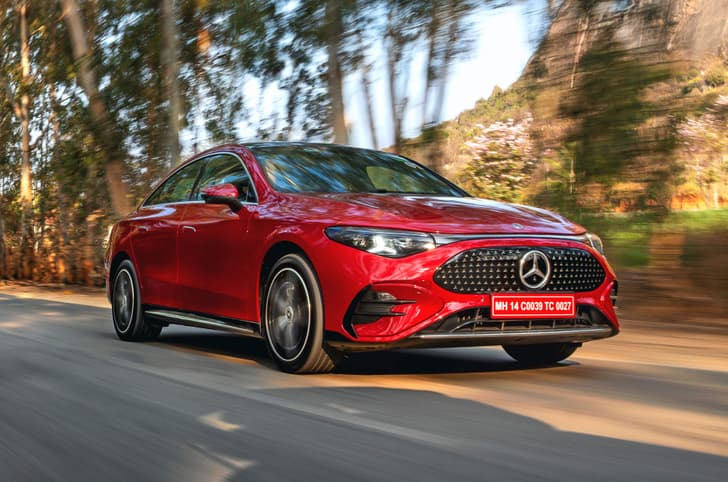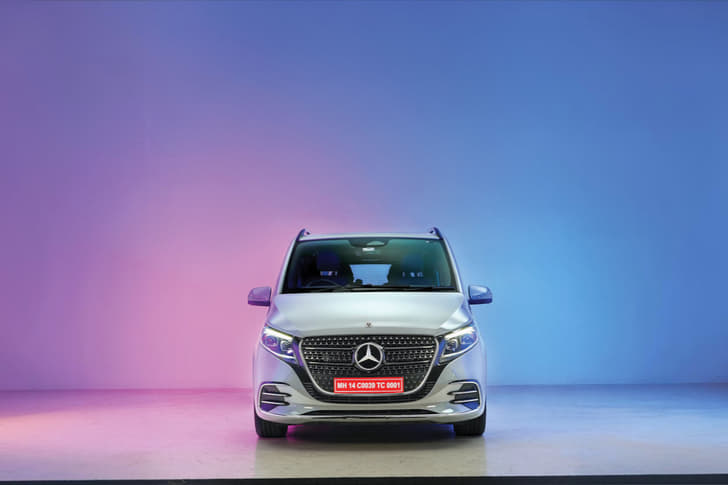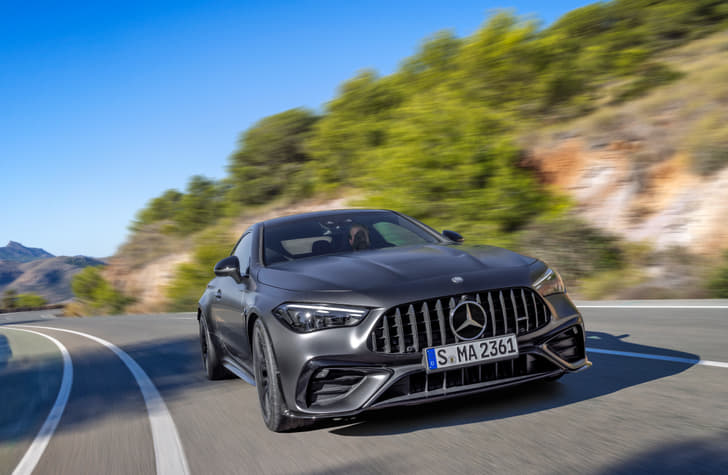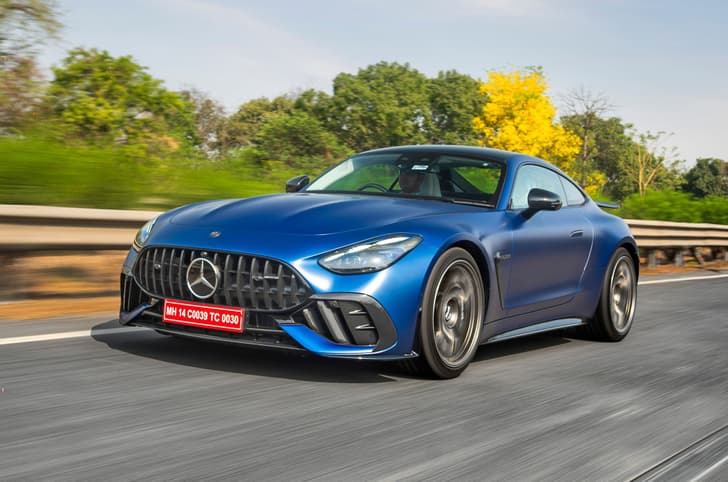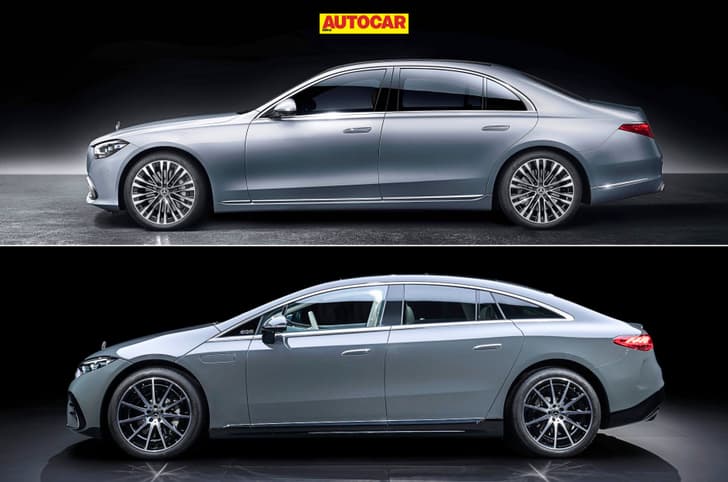
Mercedes-Benz will continue to invest in the development of separate architectures and platforms for ICE and EV line-ups as long as there is demand, CEO Ola Källenius told our sister publication, Autocar UK.
- There will be some compromise in converting ICE to EV or vice versa
- Investing in two versions does add some burden
- Already invested in new Euro 7-compliant combustion engines
"The packaging advantages of the electric one are very obvious. If you put a combustion engine car into an electric car, you sacrifice space you wouldn't want to. Then, we've worked for over 100 years perfecting the combustion car," Källenius added.
"If you take a luxury sedan like the S-Class, it's the best-packaged car in the world. How you sit in the back seat is the benchmark, full stop. And we don't think the customers would accept going backwards on that. The customer comes first in this equation, and he or she is the true winner here. It's going to be the best of times for Mercedes customers in the next 10 years," the CEO said.
Källenius also admitted that "investing in two versions puts some burden on your investment," but, "if you do it in an intelligent way, the marginal additional investment can be kept on a manageable level, and that's what we're trying to do".
The physical traditional hardware architecture is no longer the biggest investment in a car; instead it's the electronic architecture and software.
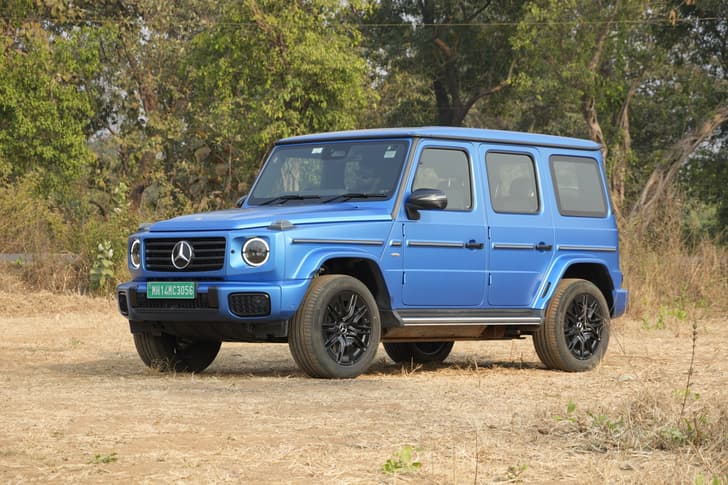
The convergence of Mercedes's EV and ICE model lines has “already started”, said Källenius, with the new electric G-Class being called the G580 rather than the EQG, and this will continue in the future as the EQ sub-brand is phased out.
He also said that this wasn't a rowing back on a commitment to EVs but, in fact, quite the opposite. Mercedes' commitment to go all-electric was always qualified with a "where market conditions allow" clause, and those conditions aren't there yet and won't be for the foreseeable future.
Källenius admitted that he had been surprised by the slow uptake of EVs. Projections five years ago, at the start of Mercedes' EV roll-out, were that it would have around a quarter of its sales as EVs by now, but the market is less than half that.
Mercedes has already invested in all-new generations of all its combustion engine ranges to prepare them for Euro 7 emissions regulations and to hybridise them.
This, plus its investments in EVs, puts Mercedes in "a very strong position and perhaps one of the strongest positions of the established manufacturers" to respond to however the market evolves, claimed Källenius.
"If we now think that by 2030, the market is not going to be absolutely dominant electric, it would not make any economic sense to walk away from a large part of the market. If it's 50:50 [ICE and EV], you're not going to walk away from half of your business. Then you need to make sure that you extend your ICE strategy beyond the point that you had originally thought," he added.
Currently, Mercedes-Benz India has a vast portfolio that includes both EV and ICE vehicles. The brand has launched 12 models this year, with the latest one being the new E-Class. Additionally, two more new launches are expected before the year ends.
 Viraaj Bhatnagar
 Dipan Sur
 Dhruv Dhaka
 Saptarshi Mondal