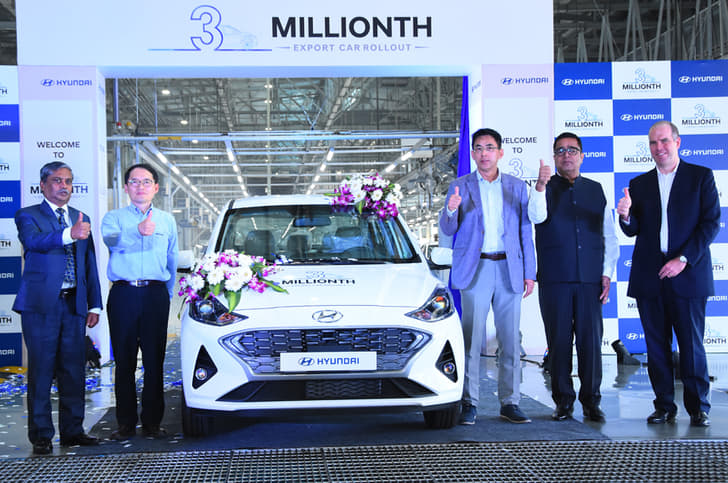
Hyundai India has achieved a significant milestone today with the rollout of its three-millionth made-in-lndia car for export from its Chennai plant. The milestone car is a Hyundai Aura, though it is badged as the Grand i10 as the compact sedan sells under the latter name in the Colombian market.
Commenting on the milestone, S S Kim, managing director and CEO, HMIL, said, “The fastest made-in-lndia three-millionth export rollout is a significant milestone as it showcases the global success story for brand Hyundai. We started our export operations in 1999 and created many milestones. We thank all our global customers and overseas distributors for their trust and support which has helped us reach this landmark. We will continue to offer an all-around premium experience to our customers through our quality products, both in the Indian and global markets.”
Hyundai Motor India began exporting cars in 1999 – with the first batch of 20 Santros that went to Nepal – and hit its first milestone of exporting 1,00,000 cars in four years and 10 months, in October 2004. In March 2008, the brand exported its 5,00,000th car, followed by the 10,00,000th car and 20,00,000th car in February 2010 and March 2014, respectively. In CY2019, Hyundai Motor India has exported 1,81,200 units with 792 customised variants, according to country specific preference and demand. In CY2019, the Korean carmaker has a 26 percent market share in total exports of passenger cars from India.
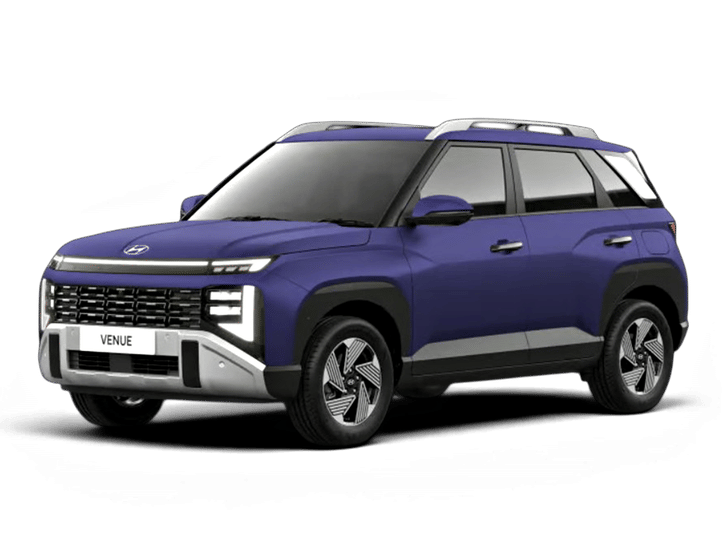
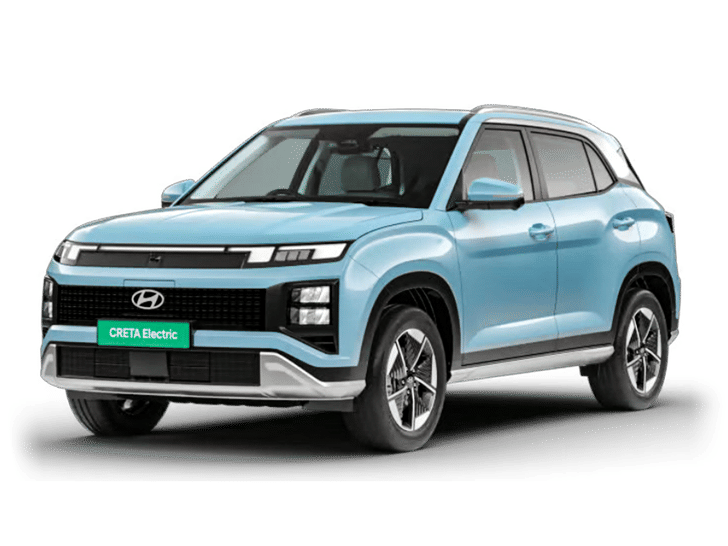
Currently, Hyundai Motor India exports 10 models: the Atos (Santro), Grand i10, Xcent, Grand i10 (Nios) and Grand i10 (Aura), Elite i20, i20 Active, Accent (Verna), Venue and Creta. Globally, the Chennai-based carmaker exports made-in-lndia cars to 88 countries across Latin America (33 countries), Africa (28 countries), Asia Pacific (26 countries) and Europe (1 country). In the APAC region, specifically in Saudi Arabia, both the Creta and Accent are the respective leaders of their segments with 40 percent and 33 percent market share, respectively. In Nepal, Hyundai is the leading brand in the overall passenger car market with a market share of 29 percent. In Africa, specifically in Libya, Hyundai says it is the No. 1 brand with 80 percent market share.
In the ongoing fiscal year FY2020, Hyundai Motor India remains in the lead as the country's leading passenger vehicle exporter. In the April-December 2019 period, it has shipped 1,44,982 units, up 15.17 percent year-on-year. At this stage, it is ahead of Ford India, which has exported 1,06,084 units (-12.57 percent), and Maruti Suzuki India with 75,948 units (-1.70 percent).
 Dipan Sur
 Viraaj Bhatnagar