
UPDATE: XUV300 vs EcoSport vs Vitara Brezza vs Nexon comparison
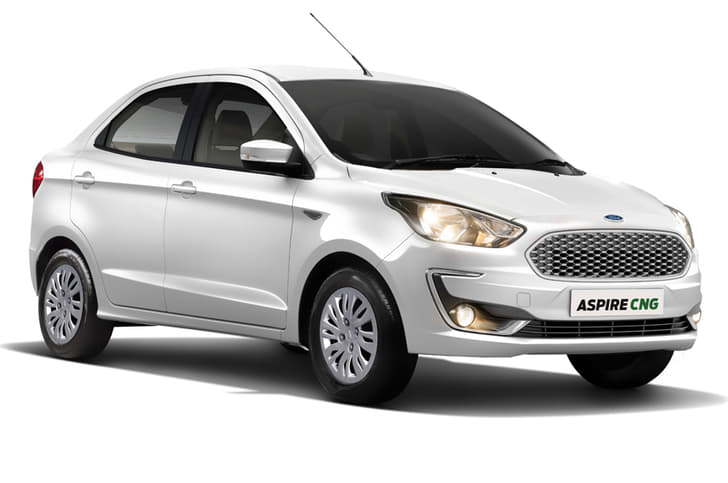
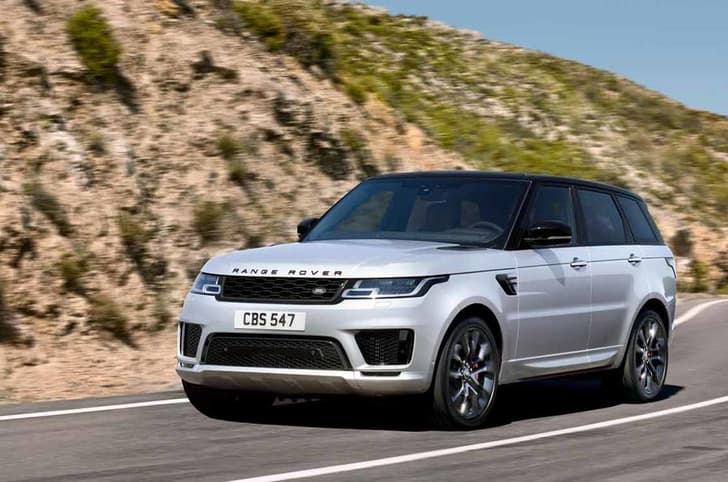
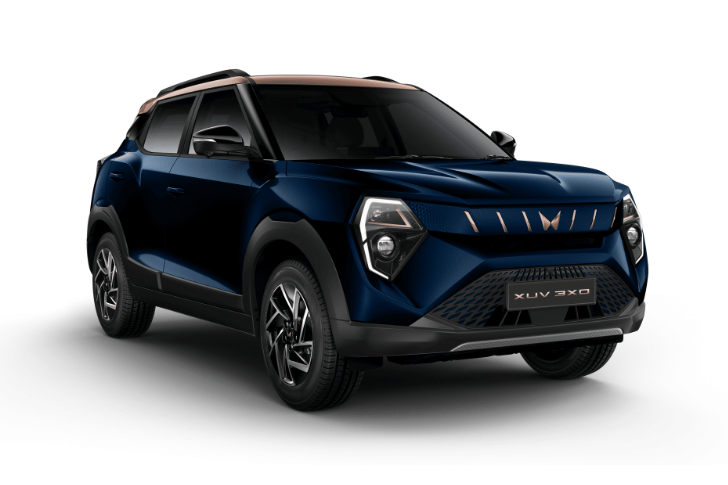
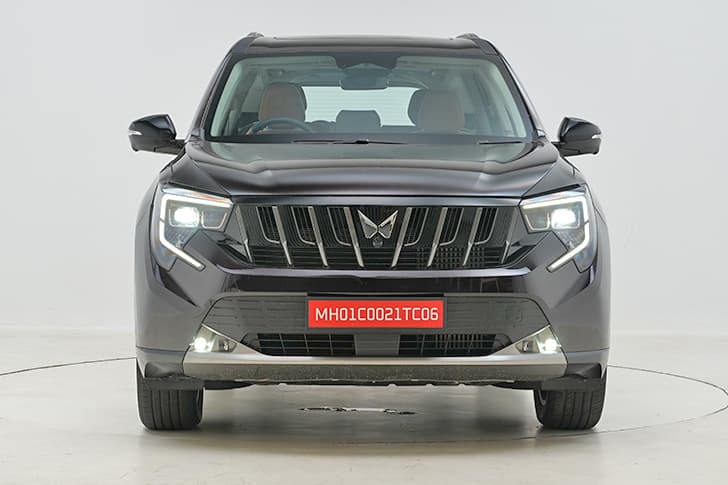
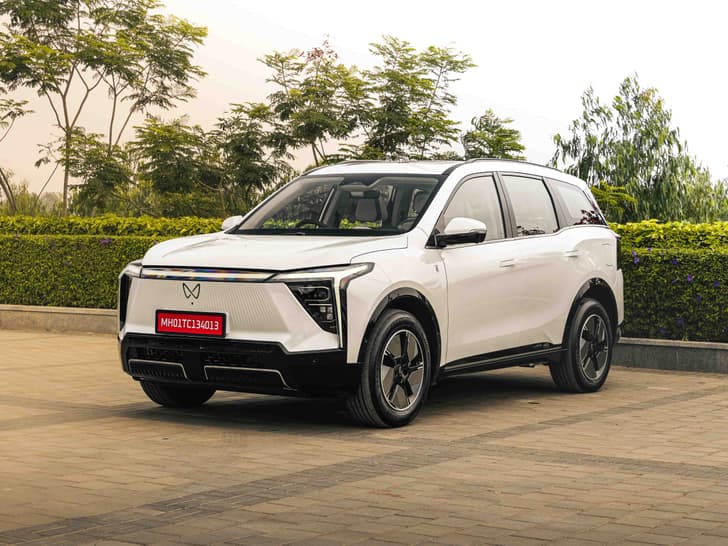
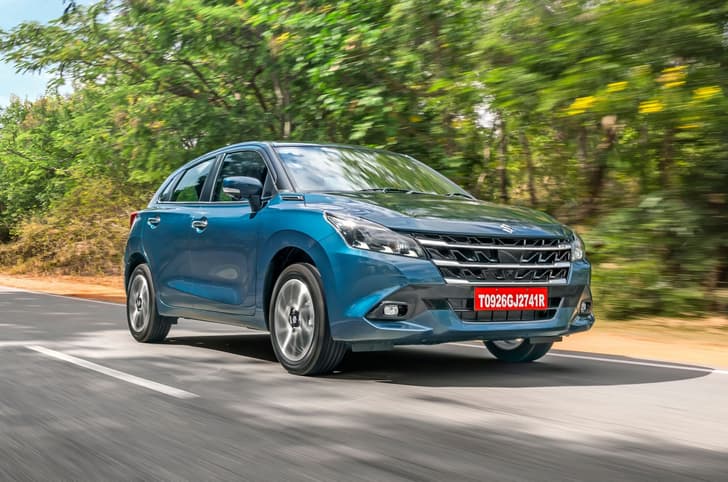
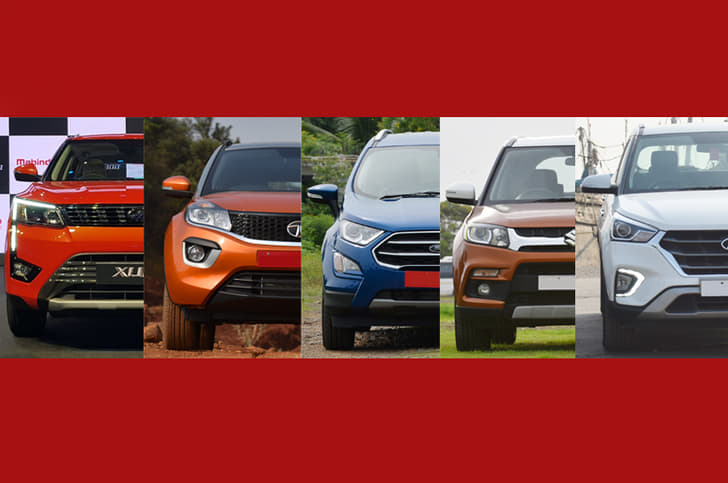
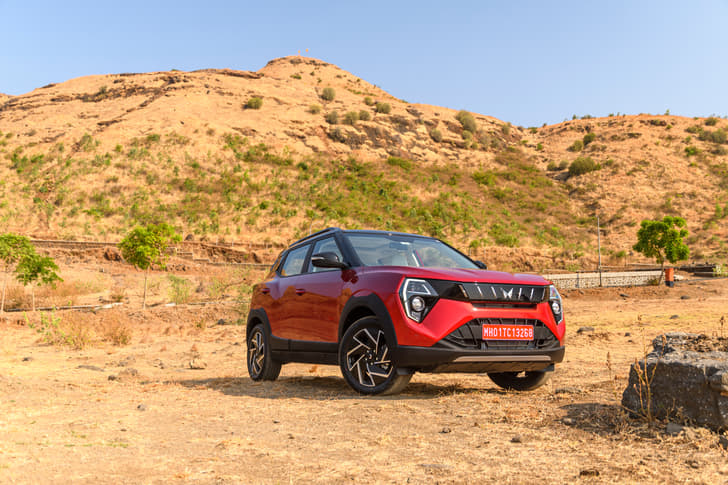
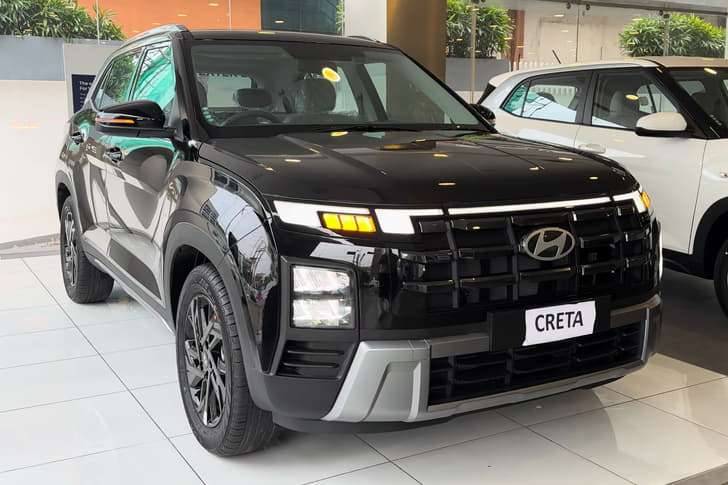
Mahindra’s much-awaited new compact SUV, the XUV300, has been launched at Rs 7.90 lakh for the base W4 petrol variant, going up to Rs 11.90 lakh for the top-spec W8 (O) diesel trim. At this price range, Mahindra aims to not only take on other compact SUVs like the Tata Nexon, Maruti Suzuki Vitara Brezza and the Ford EcoSport, but also the slightly larger Hyundai Creta. Do the segment-first features in the XUV300 make it more desirable than its competition? Will Mahindra’s boast of having the torquiest engines on offer help sell more XUV300s? We pit the four compact SUVs from Mahindra, Maruti Suzuki, Tata and Ford, along with the Hyundai Creta, on paper, to find out.
Dimensions
Mahindra has made quite a few claims regarding the XUV300, particularly pertaining to the compact SUV’s dimensions. The numbers show that the XUV300 matches Mahindra’s claims of having the widest body and the longest wheelbase in its class. In fact, the Mahindra is even bigger than the Creta on these metrics, indicating cabin space may be class-leading. The Creta is from a segment above the compact SUVs and, as such, is the longest and tallest SUV of the lot. The Creta and XUV300 also share the top spot in terms of wheel sizes and tyres. On the other hand, the XUV300’s boot space and fuel tank are the smallest in this comparison, and it may not excel in tight spaces like the Tata Nexon and Maruti Suzuki Vitara Brezza, due to its turning diameter.
Powertrain
As mentioned earlier, the XUV300’s turbo-petrol unit (a turbocharged version of the naturally aspirated 1.2-litre motor that does duty in the KUV100 NXT) and turbo-diesel engine (the same 1.5-litre four-cylinder unit found under the hood of the Marazzo MPV) have the highest torque figures in this comparison. In terms of power, the XUV300 petrol is on par with the Nexon, but ranks lower than the EcoSport and Creta. The diesel XUV300 is the most powerful compact SUV but the Creta 1.6 does have a higher horsepower figure.
At launch, the XUV300 will just get a 6-speed manual gearbox, with an AMT automatic expected to arrive later. This AMT unit will be replaced with a more sophisticated torque converter automatic at a later date. For now, it means that the Mahindra is the only model here without an automatic option on either engine.
Coming to the fuel efficiency figures, while the Vitara Brezza takes the top spot, its engine is the smallest and has the lowest output in this match up. Only the Creta 1.6’s 19.6kpl figure is lower than the XUV300 diesel’s 20kpl. However, the XUV300 petrol’s 17kpl is the same as the Nexon’s and EcoSport 1.5-litre’s figure.
Features and safety
The top-spec XUV300 W8 (O) gets some segment-first features, technology and safety kit, with equipment levels eclipsing that of the Nexon and Vitara Brezza by a good margin and even going beyond what is offered on the EcoSport and Creta. In top-spec form, the Creta does boast ventilated seats, but it is the XUV300 that will claim the title in the features department at this price point. Mahindra has equipped its compact SUV with technology like a mild-hybrid setup on the XUV300 diesel and steering modes that alter steering weight and feel. The Nexon, like most modern Tata cars, gets multiple drive modes on both engines, while the EcoSport has the largest touchscreen display, and segment-first HID headlamps.
The fact that the XUV300 gets the most safety kit and that the SsangYong Tivoli (with which the XUV300 shares it X100 platform) received a commendable four-star Euro NCAP rating bodes well for the Mahindra. The Nexon and Vitara Brezza have been awarded five stars and four stars, respectively, by Global NCAP.
Price
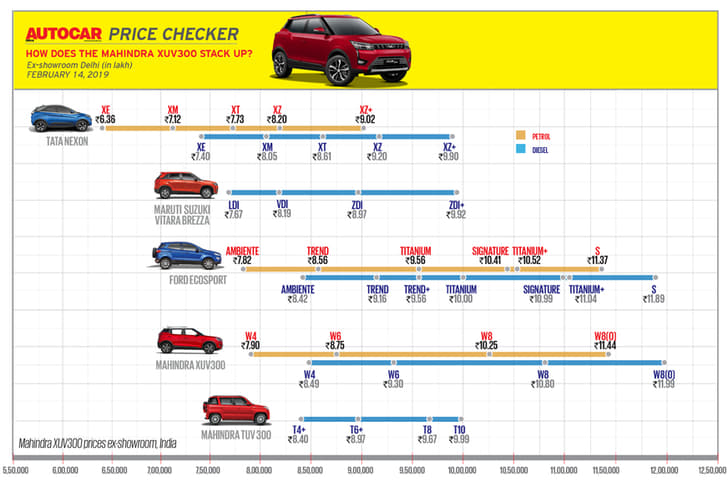
Seeing as the XUV300 range starts at Rs 7.90 lakh, it is priced at about Rs 1.5 lakh above the base petrol version of the Nexon and about Rs 8,000 more than the equivalent EcoSport trim. The top-spec XUV300 W8 (O) petrol costs about Rs 1.61 lakh more than the Nexon and just Rs 7,000 more than the EcoSport S petrol. Diesel versions of the XUV300 are also marginally more expensive than the EcoSport (about Rs 1,000-7,000) and cost significantly more than the Nexon (Rs 1.09-1.19 lakh) and Vitara Brezza (Rs 82,000- 1.35 lakh).
Considering the equipment on offer with each variant of the Mahindra compact SUV, the XUV300 seems to be a good alternative to the Ford EcoSport, and even give the more affordable Maruti and Tata a run for their money. However, a proper comparison with its rivals and an in-depth road test of the Mahindra XUV300 will provide a definitive result on whether the Indian carmaker has struck gold with its new model.
(*Prices for the Mahindra XUV300 are ex-showroom pan-India)
 Viraaj Bhatnagar
 Dipan Sur
 Dhruv Dhaka
 Saptarshi Mondal