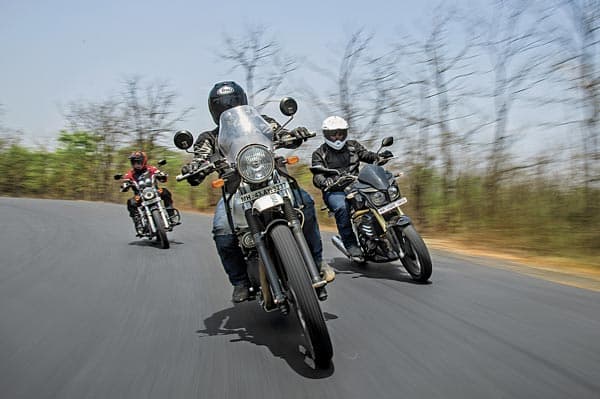
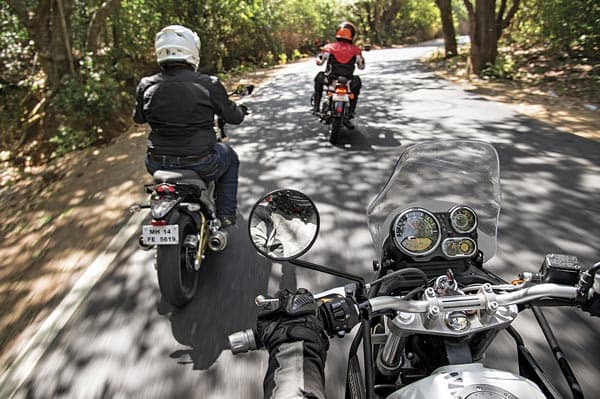
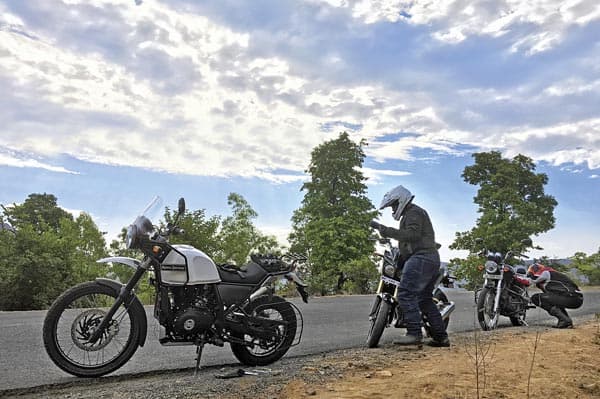
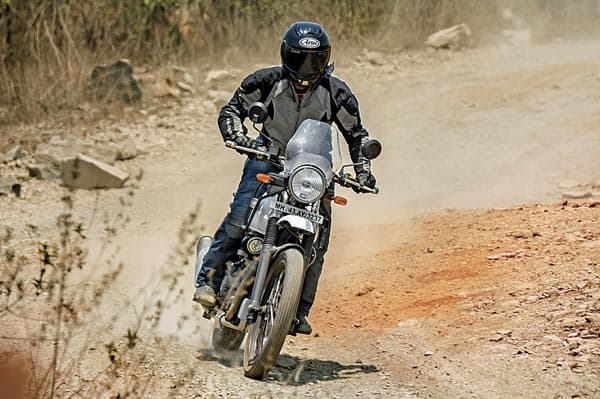
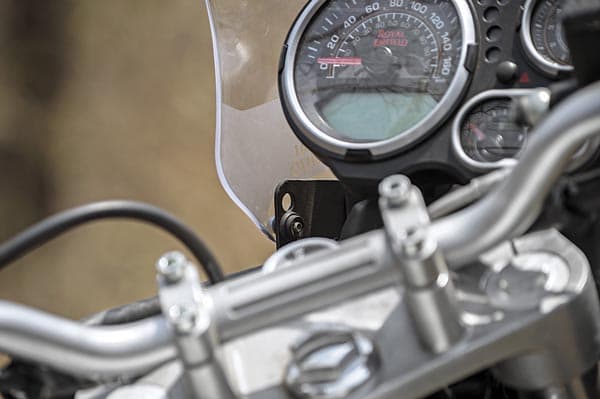
Our first taste of Royal Enfield’s adventure tourer, the Himalayan, up and around Shimla made it amply clear that the motorcycle, although imperfect, was very versatile and capable. But, the unfamiliar roads and lack of open highways, not to mention torrential rain, near-zero temperatures and snow, made it harder to pin down the bike’s abilities. We had to wait a bit, but when the Himalayan turned up at our doorstep, we were packed and ready to hit the road again.
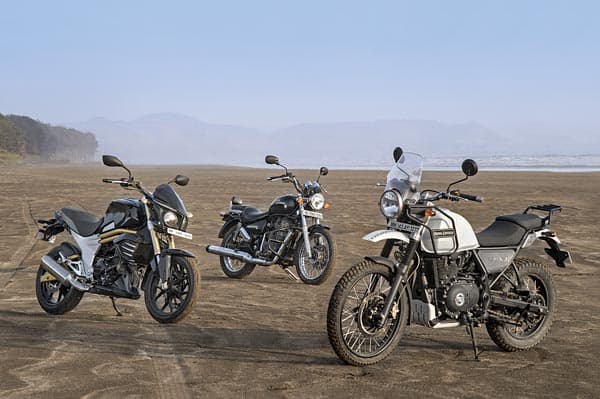
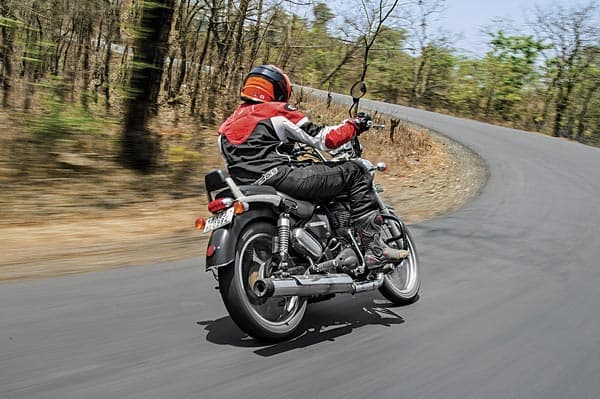
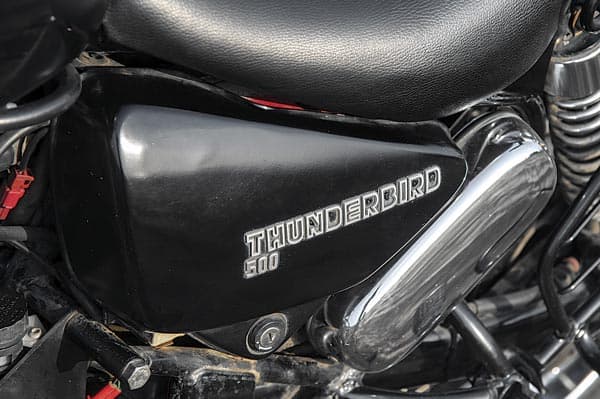
The plan is to thrash things out in the city before hitting an assortment of B-roads, twisties and highway bits on our way down to the coast. The idea isn’t to just crunch miles rapidly, we had carefully picked out some like-minded motorcycles to keep the Himalayan company. Mahindra’s Mojo, with its rich specifications and a sporty design, presents a different flavour of touring and a tough reality check for the Himalayan. The other motorcycle here is Royal Enfield’s Thunderbird 500. Although a cruiser, it has been used widely for touring purposes. However, the Thunderbird is here less as a direct competitor and more as a baseline to see how much of a step forward Royal Enfield has taken, if at all.
Lay Of The Land
Let’s get this straight, the playing field isn’t exactly level here. The motorcycles here don’t have the same displacements, or technology or nature. But there is sense in sticking them together. Crucially, the three motorcycles are packed within Rs 25,000 of each other, with the Himalayan being the cheapest and the Thunderbird the most expensive. When you look at the specification sheet though, the Thunderbird’s UCE motor helps it claw back some ground. The fuel-injected and air-cooled motor is the largest, most powerful and most torquey here.
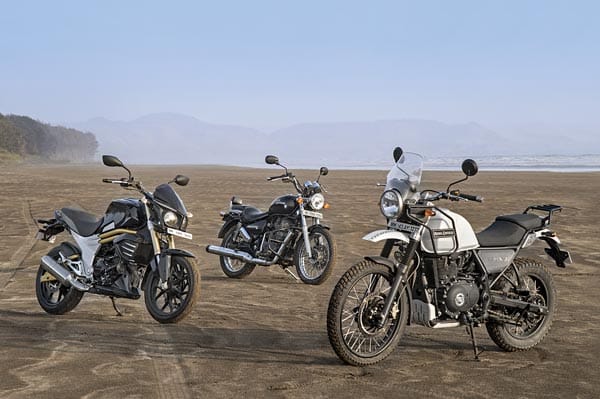
The Himalayan, despite boasting an all-new engine, the LS410, is fairly simple. This long-stroke 411cc unit is air- and oil-cooled and carburetted. Although the engine has done away with push-rods and shifted to overhead cams, it continues to use two valves in the interest of better bottom- and mid-range performance. Unsurprisingly, its peak output of 24.8hp is the least of the three bikes here but its 32Nm of torque is just a shade more than the Mojo’s.
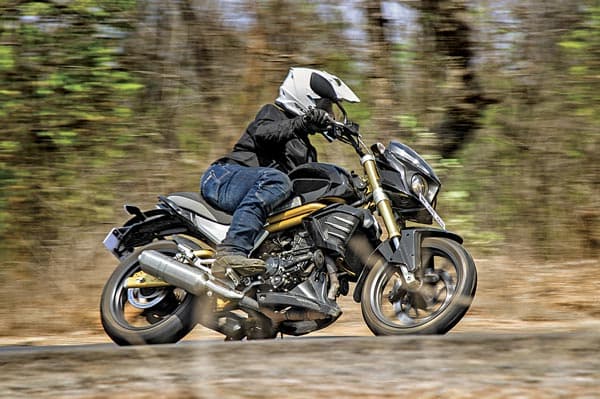
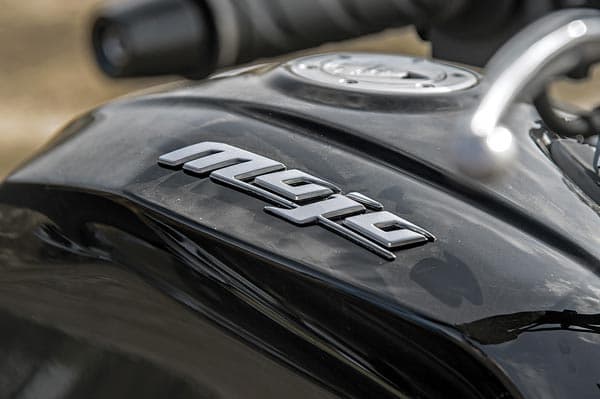
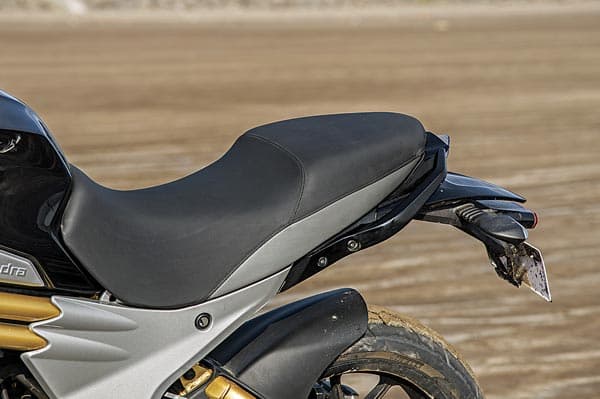
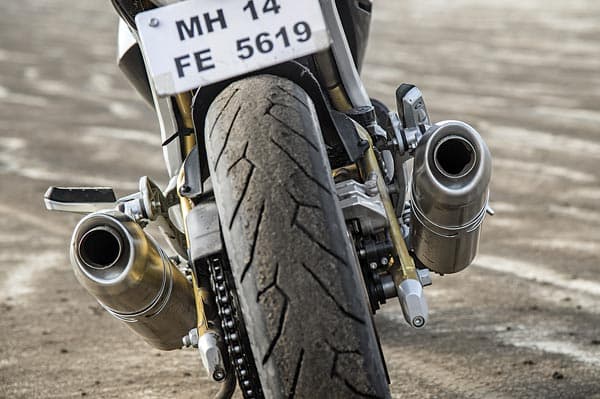
But it’s the Mojo that commands the most respect for its specifications. The engine is a liquid-cooled, fuel-injected unit that breathes through a four-valve head and this is the only motorcycle here that packs a six-speed gearbox.
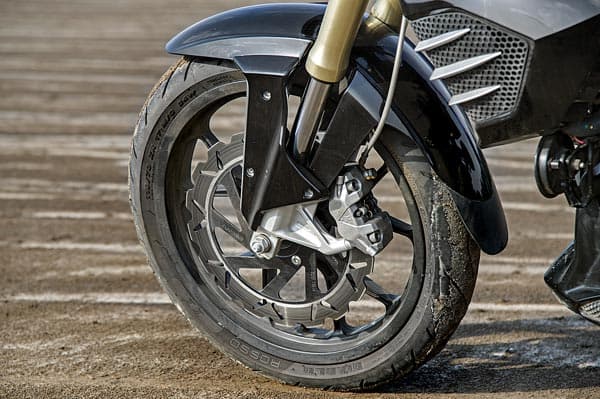
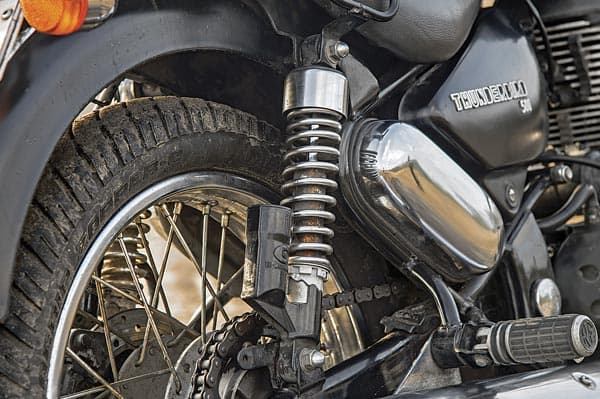
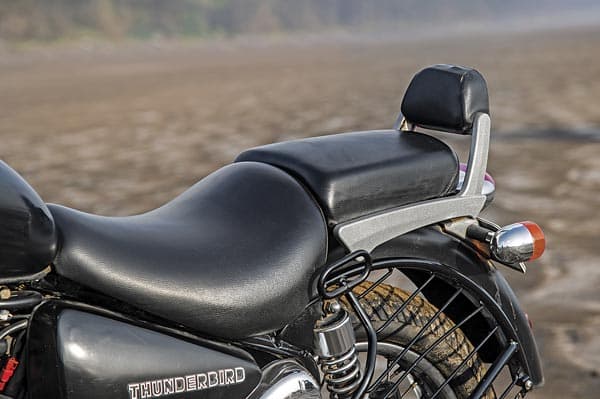
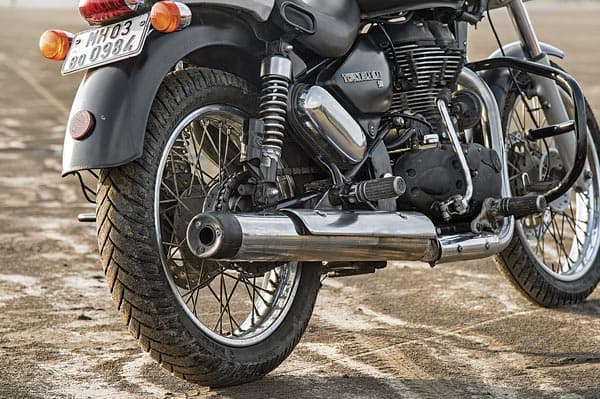
When it comes to the chassis and suspension, there’s no doubt that the Thunderbird is the simplest. It uses a single down tube frame with the engine as a stressed member. It also uses twin shock absorbers at the rear while the other two pack monoshocks. Even though the Thunderbird is the heaviest motorcycle here, its 775mm saddle height will keep all but the shortest of riders at ease. The Mojo, once again, makes a statement with its equipment. It packs a tubular perimeter frame and is the only motorcycle here that comes with stout, upside-down forks. At 320mm, it also packs the largest front disc brake, while all three motorcycles use 240mm units at the rear.
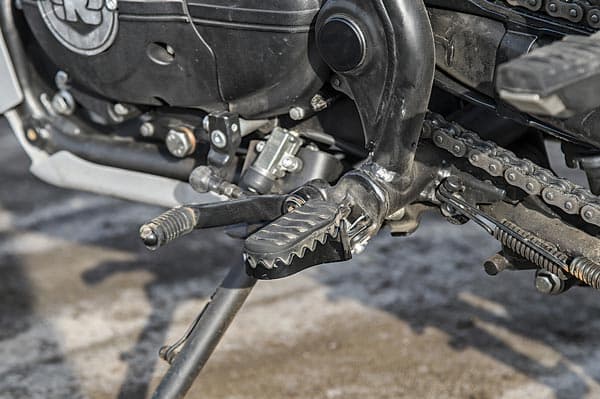
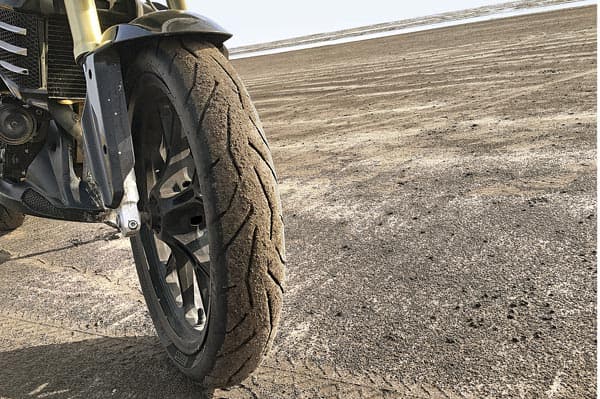
The Himalayan, true to its class, is equipped for adventure. The core of the motorcycle is a rugged, half-duplex, split-cradle frame. Strapped onto it is its long-travel telescopic forks and linked monoshock at the rear. On-off road tyres wrapped on spoke rims promise true-blue off-roading potential. Now that we know enough about them, let’s hit the road.
 Ved Janve
 Vishal Venugopal
 Stephen Raj Antony