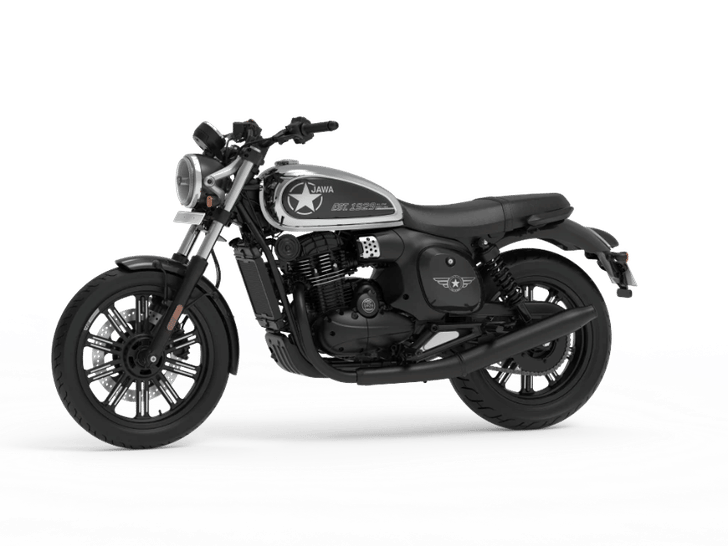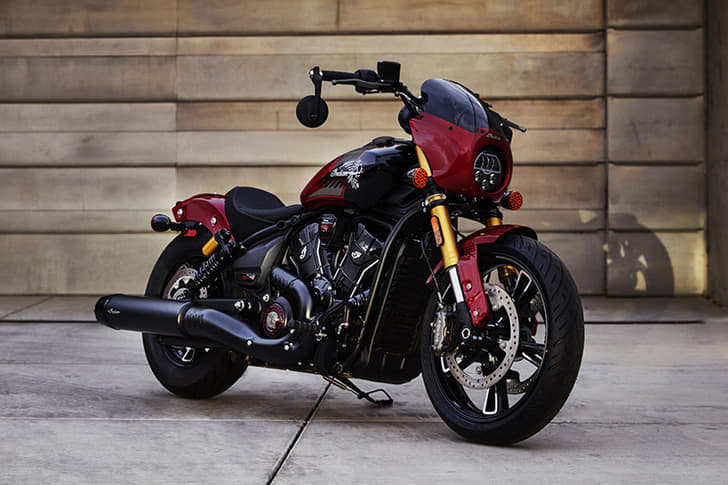
Tyres are one of the most important parts of your motorcycle, and they dictate how it turns, stops, and behaves – especially when the road gets tricky. But beyond compound, grip and tread pattern, there’s another crucial distinction for two-wheelers – whether your tyres are tube-type or tubeless. While the car world has more or less completely moved away from tubed tyres, there is still a place for them on some types of motorcycles. Here’s a closer look at what separates tube and tubeless systems, and why it matters more than most riders realise.
So, what’s the difference?
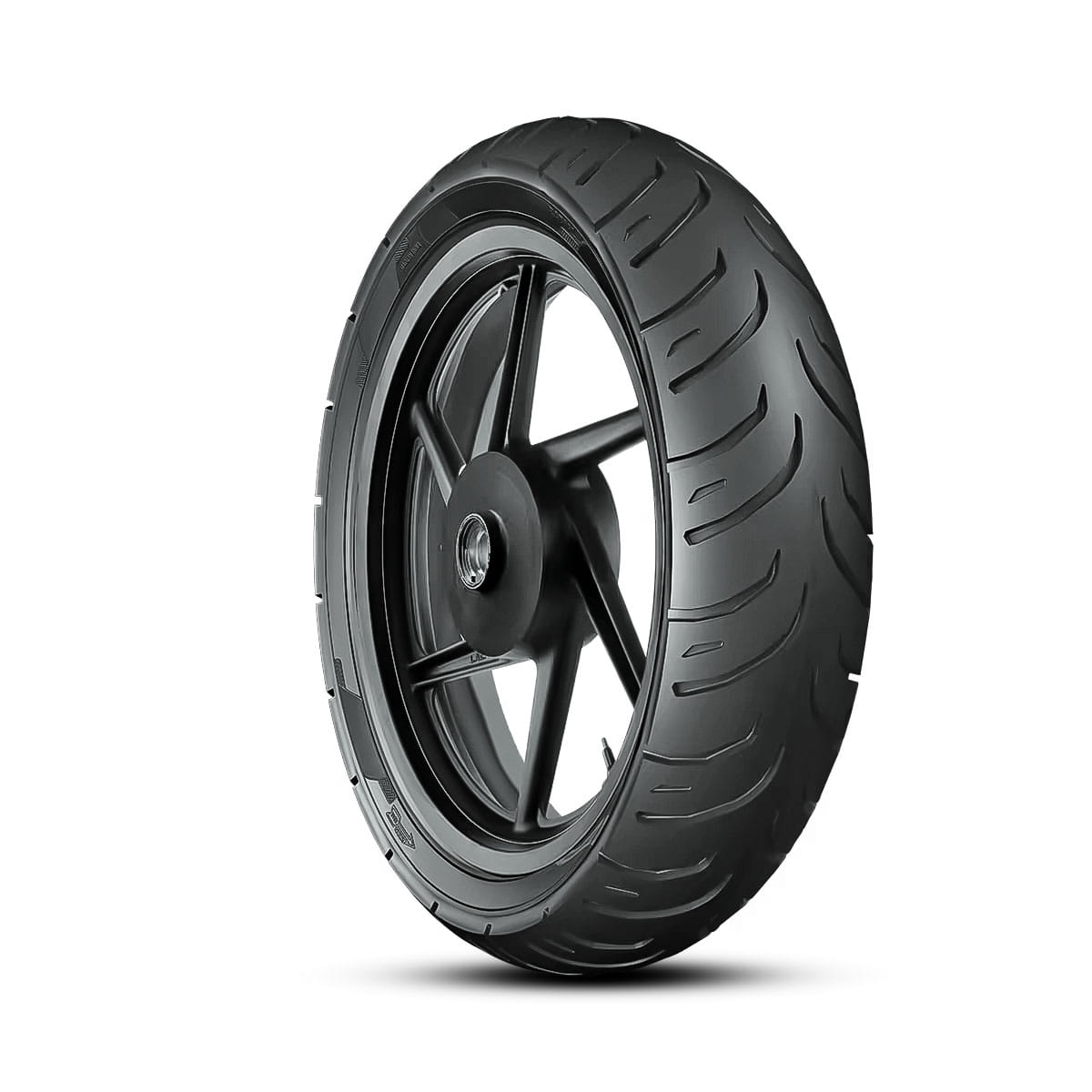
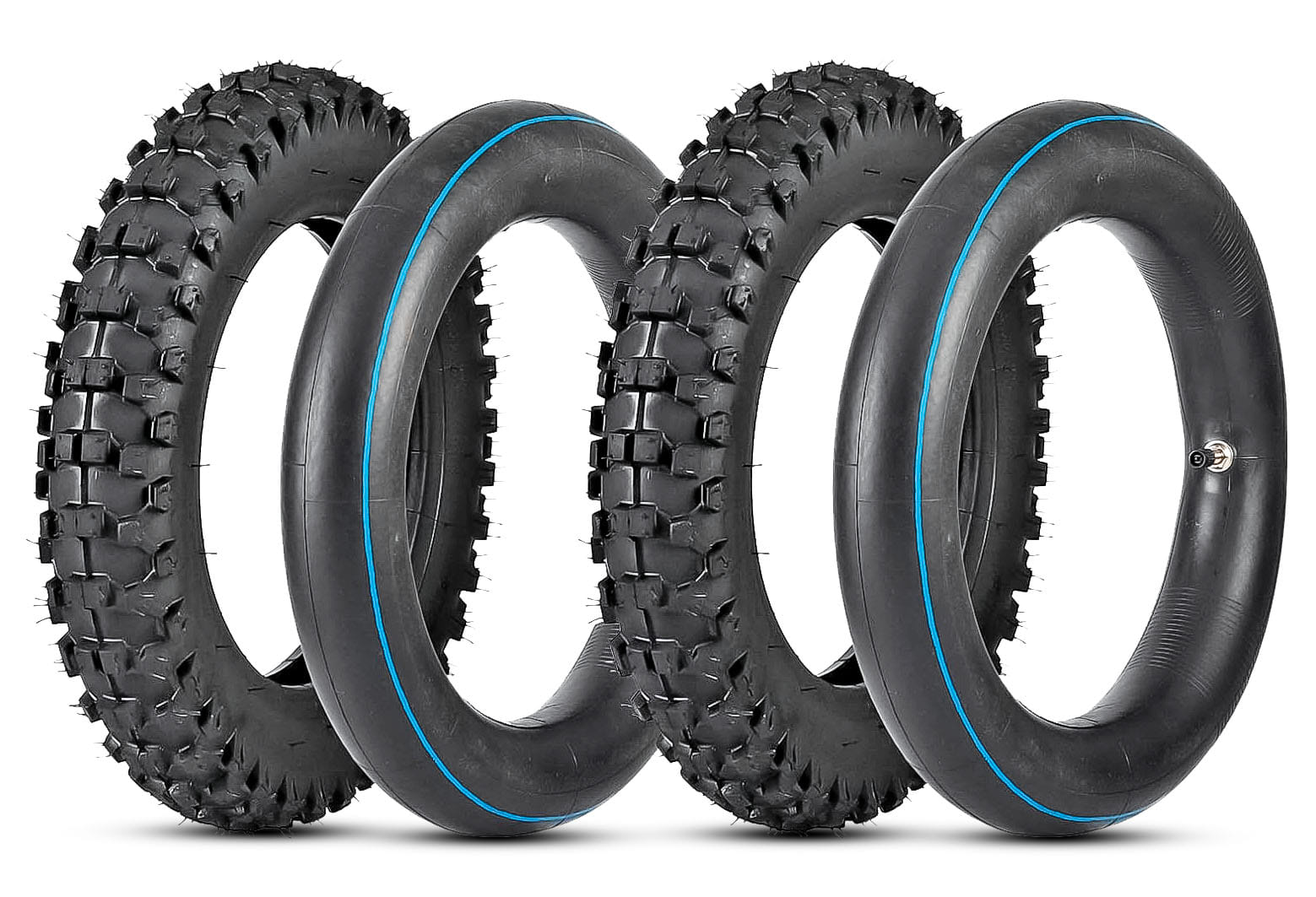
In a tube-type setup, the air sits inside an inflatable rubber tube, which is placed between the tyre and the rim. The tyre and rim are not airtight, as all the air is held inside of the tube, which has a filling valve. A tubeless tyre, on the other hand, seals directly against the rim, with no inner tube involved. The tyre and wheel rim form an airtight seal on their own, and the rim has the valve fitted to it.
Pros and Cons
For the most part, tubeless tyres are vastly more appealing, and it’s easy to see why they are fitted to most modern motorcycles. They’re safer in terms of resistance to high-speed blowouts and easier to fix in the event of a puncture. When a tubeless tyre is pierced by a sharp object, the air has to escape past the punctured object, which is most often held in place by the rubebr tyre. Thus, the air loss is slow, giving the rider time to react. With a tubed tyre, a puncture in the inner tube deflates the tube, which collapses inside, and air escapes quickly via the rim and valve hole. This isn’t ideal when you’re mid-corner, carrying high speeds, or in the middle of nowhere.
Tubeless tyres are also easier to repair, and most small punctures can be fixed with a puncture repair kit from the outside, with no need to remove the wheel or open up the tyre. They also run relatively cooler at speed; with no tube, there is less friction, which helps improve longevity.
That said, tube-type tyres still have their place on certain motorcycles. The main reason for this is that tubes will still hold air in case the rim gets bent in off-road riding conditions, whereas tubeless tyres would completely deflate in such a situation. Finally, spoked rims that run tube tyres are more affordable than tubeless spoked rims that need to be specially designed to be airtight.
Why wheel construction matters
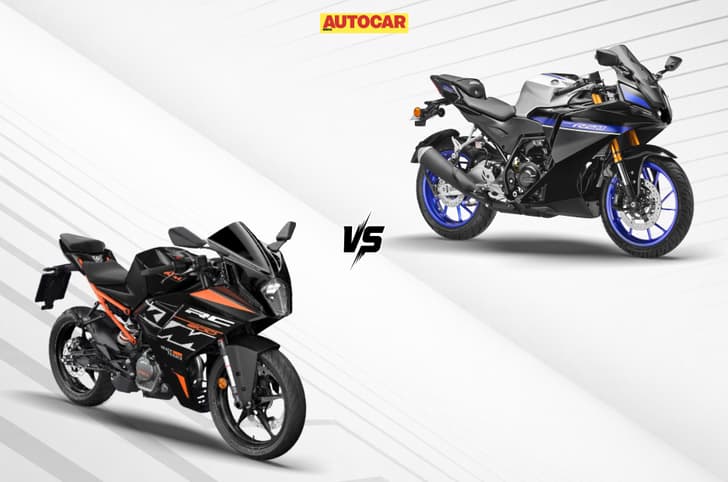
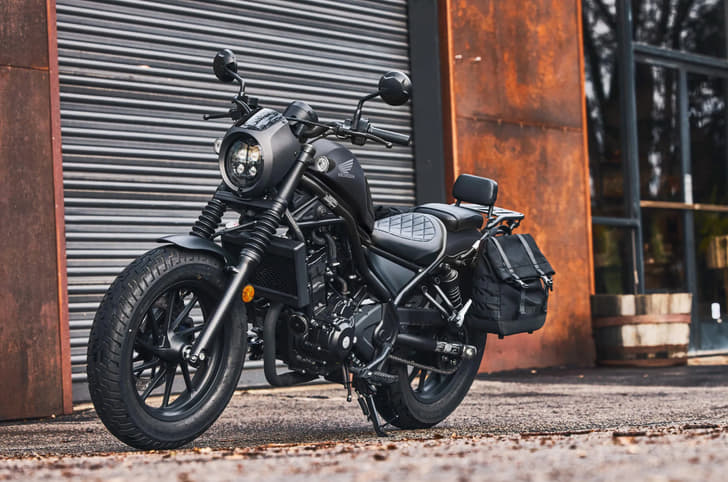
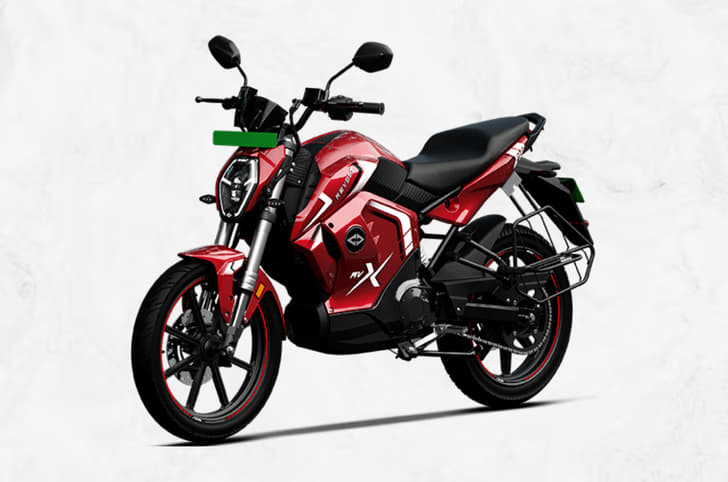
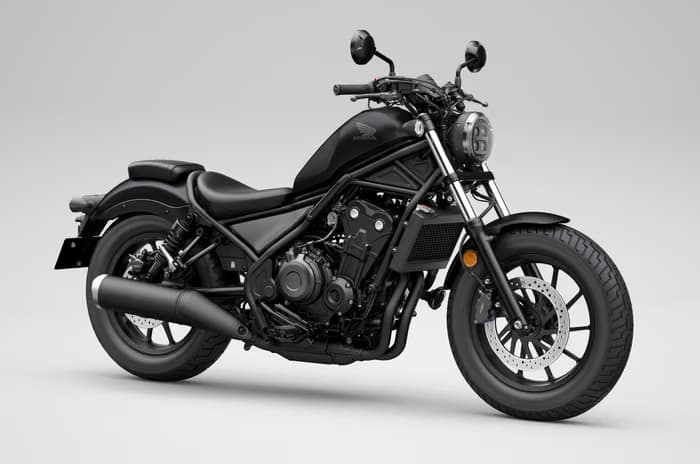
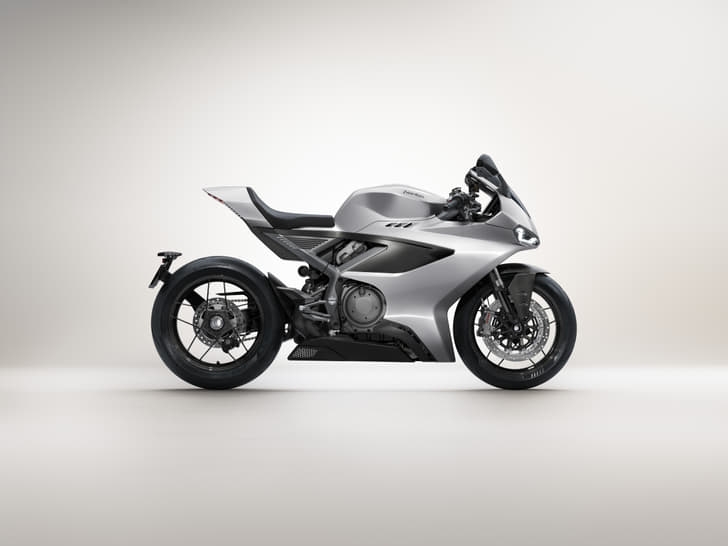
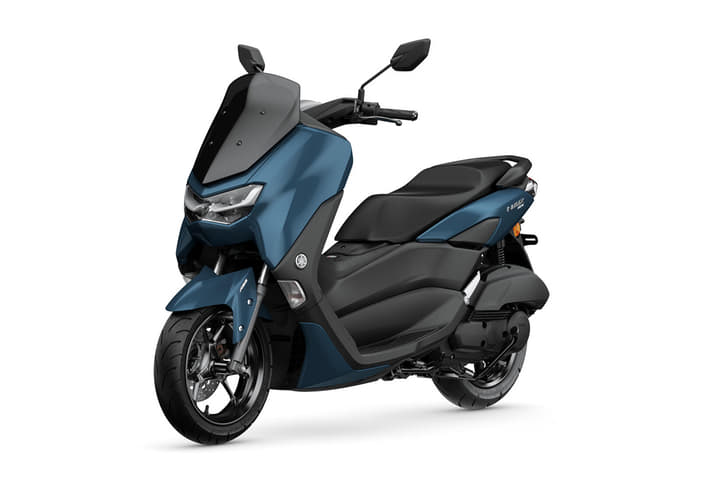
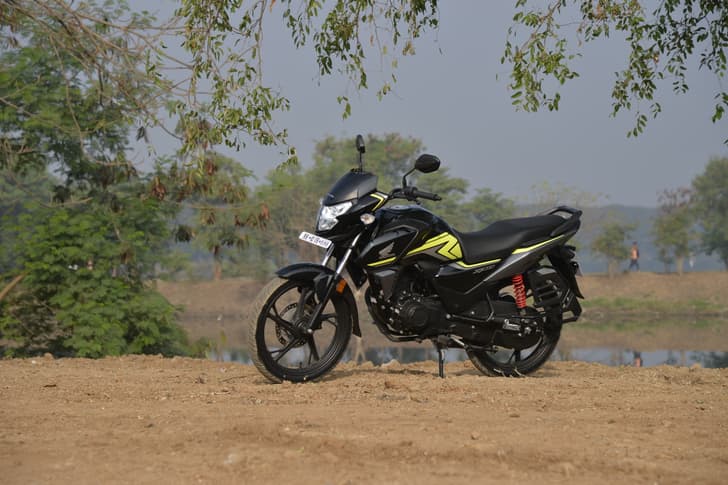
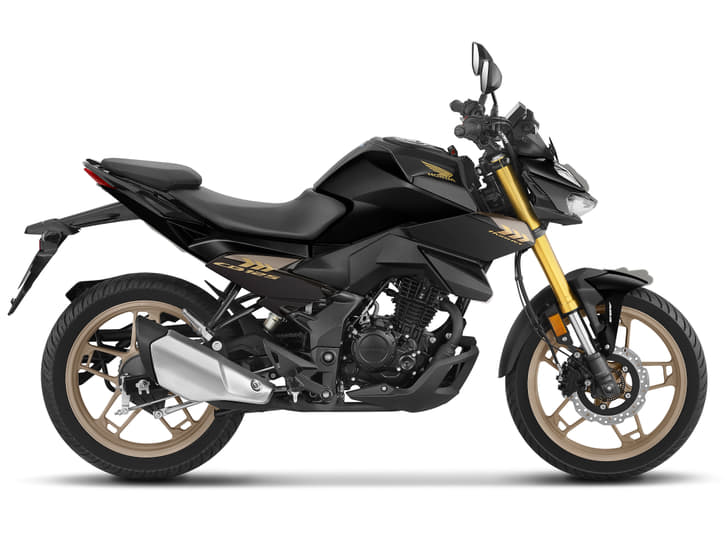
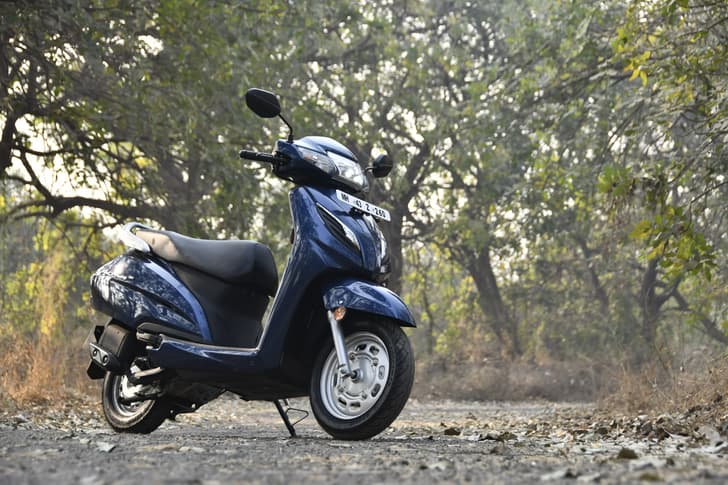
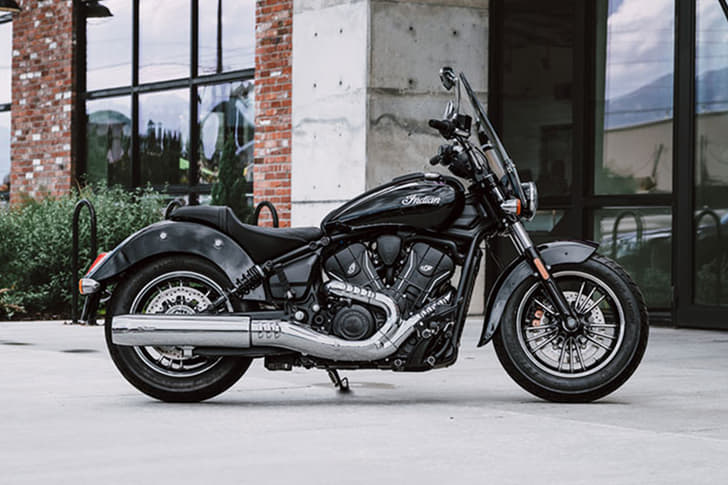
Now here’s where things get interesting, and your wheel design determines what tyre system you can use. Most modern road bikes come with cast alloy wheels, which are completely sealed and specifically designed for tubeless tyres. The inner wall of the rim includes a bead hump that helps keep the tyre seated even when air pressure drops, which is a crucial safety feature.
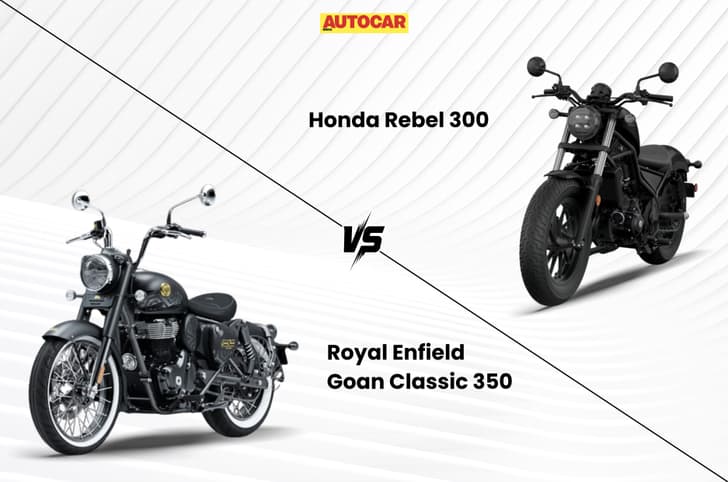
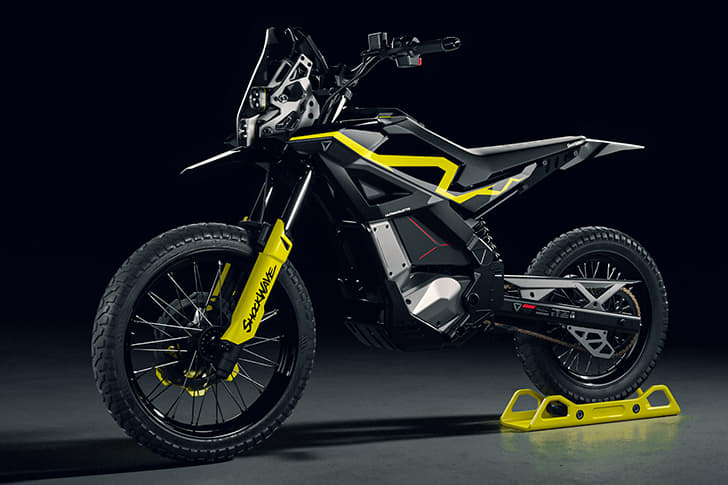
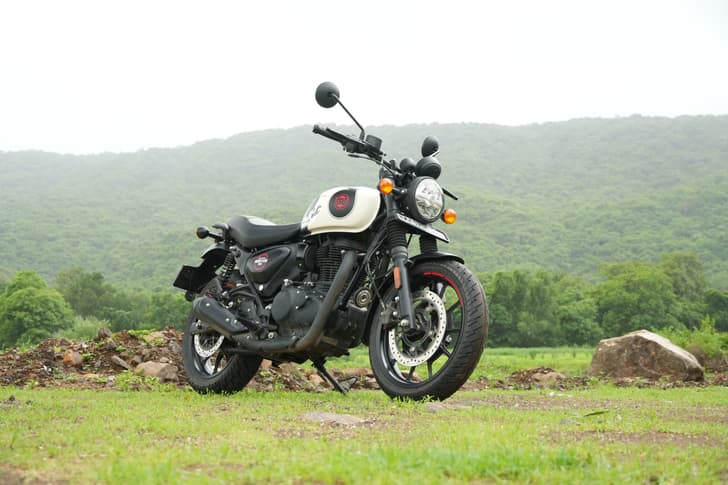
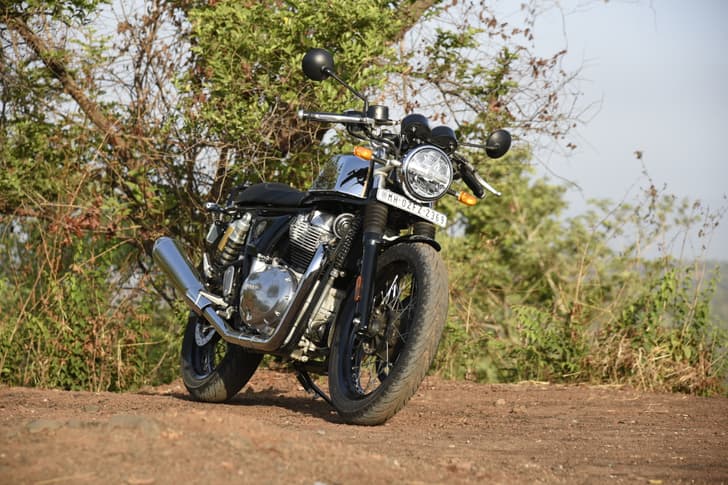
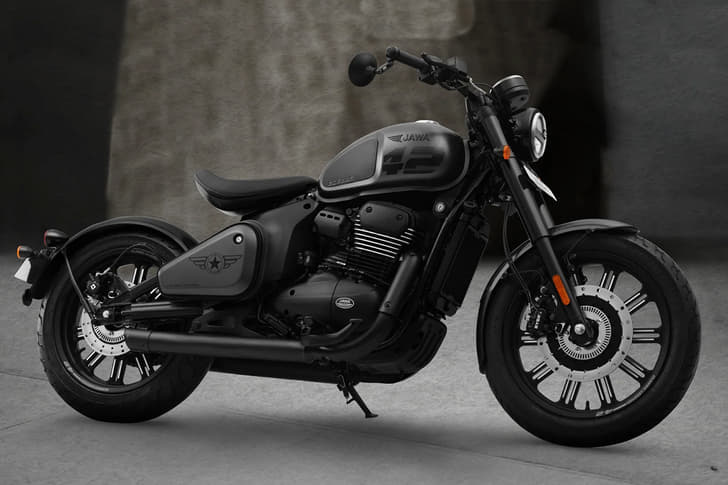
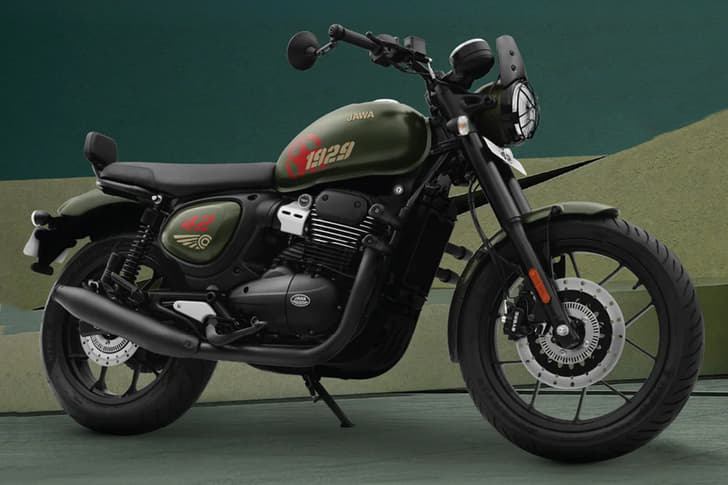
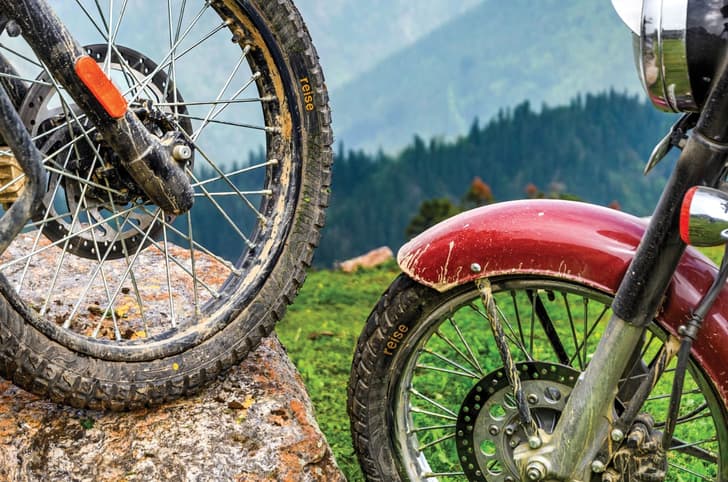
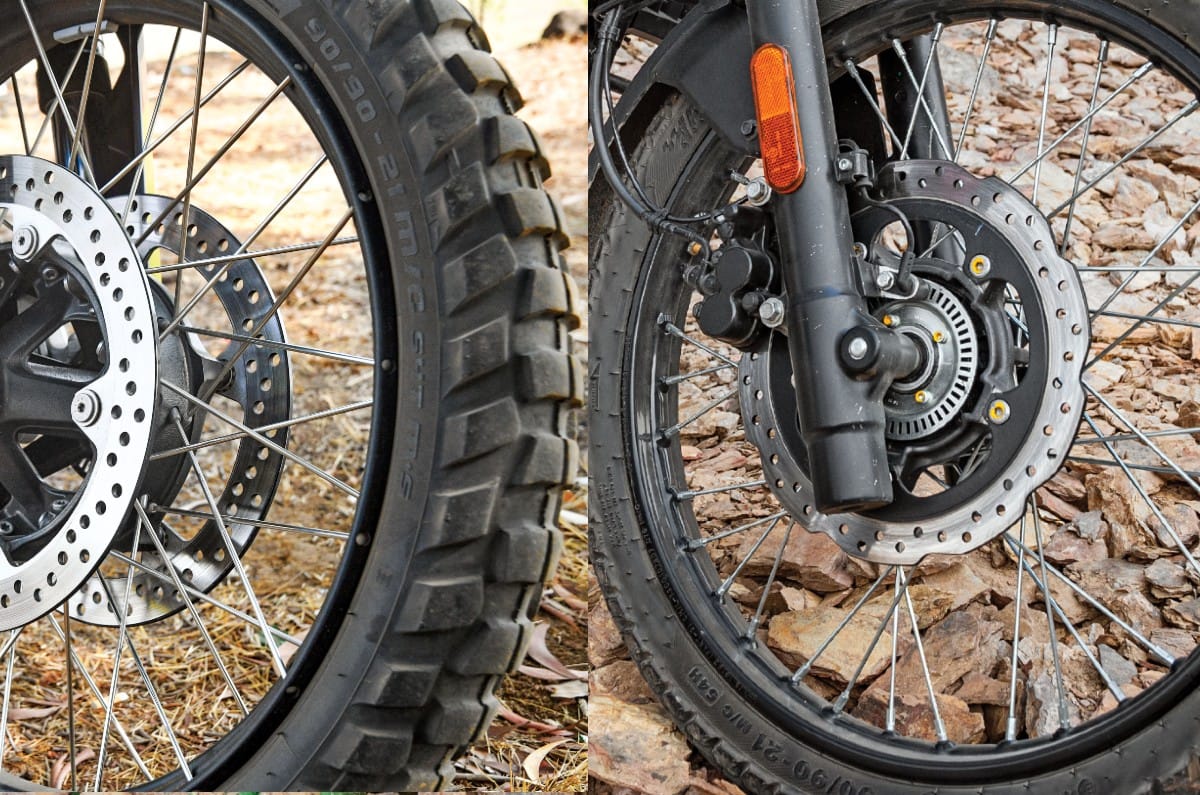
On the other hand, traditional wire-spoke wheels, like the ones you’ll find on classic motorcycles or serious off-roaders, can’t hold air on their own. The spokes are mounted through the rim, creating small gaps that let air escape. That’s why these wheels rely on an inner tube. There are exceptions, of course, and several premium adventure bikes use tubeless spoked wheels. But these are expensive solutions that either use a cross-laced design with outward-facing spokes that do not compromise the air seal, or a traditional spoked set-up but with a rubber seal lining the rim, and this is something manufacturers like KTM use – the first bike in India to get this is the latest KTM 390 Adventure.
There are aftermarket solutions to convert regular spoke wheels into tubeless using tapes or sealants. However, these solutions have a limited life and require meticulous installation.
Which one should you run?
If your bike came with tubeless tyres, stick with them. It’s the safer, more convenient system, and offers better long-term usability for everyday road riding. If you ride a vintage motorcycle or something with traditional spokes, you’ll probably be using tube-type tyres. That’s perfectly fine, but just be aware that punctures are more time-consuming to deal with, and carry spare tubes if you’re far from home on a long road trip.
If you want to take on some serious off-road riding, tube tyres are the way to go. In this case, you’ll need to educate yourself on how to remove the wheel and fix a puncture in the middle of nowhere, because it’s a matter of when it happens, not if.
As you can see, both systems work well when used correctly and in the right setting. So pick the one that’s right for you and your riding conditions.
 Vishal Venugopal
 Ved Janve
 Stephen Raj Antony