Car insurance is an essential part of vehicle ownership, yet it is often one of the least understood. While third-party insurance is mandatory for vehicles used on public roads in India, owners can choose from different types of cover depending on the protection they need. Here’s everything you need to know about car insurance, from coverage and claims to renewals and add-ons.
1. What is car insurance, and why is it mandatory?

Car insurance protects vehicle owners against specified financial losses arising from accidents and other insured events. Depending on the policy, it can cover damage to your own vehicle, liability towards third parties, or both.
Third-party insurance is mandatory for vehicles used on public roads in India. It covers the owner’s legal liability for injury, death or property damage caused to a third party. Driving without valid third-party insurance is an offence.
2. What are the different types of car insurance?
Car insurance is broadly available as third-party liability insurance, comprehensive insurance and standalone own-damage insurance.
Third-party insurance covers liability towards others but not damage to your own vehicle. A comprehensive or package policy combines third-party liability with own-damage cover for the insured vehicle, subject to the policy’s terms and exclusions. A standalone own-damage policy covers damage to your own vehicle and is bought alongside a separate third-party policy.
New private cars are also sold with long-term third-party cover. A common bundled arrangement provides three years of third-party cover and one year of own-damage cover.
3. What does third-party insurance cover?
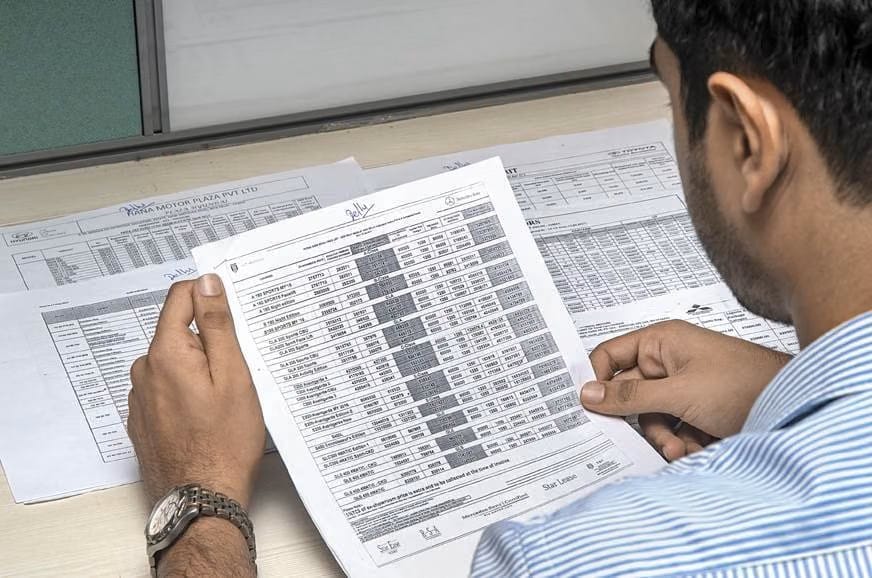
Third-party insurance covers the legal liability arising if your vehicle causes injury, death or property damage to another person. It does not cover damage to your own vehicle. Owners who want cover for their own car need an own-damage or comprehensive/package policy.
4. What does comprehensive insurance cover?
A comprehensive or package policy combines third-party liability cover with own-damage protection. Depending on the policy, own-damage cover can include losses caused by accidents, theft, fire, floods, earthquakes and other natural or man-made events.
The exact coverage and exclusions vary between policies. Optional add-ons can provide additional protection for specific risks.
5. How do you make a car insurance claim?
Inform your insurer as soon as possible after an accident, theft or other insured event. A police complaint may also be required, depending on the circumstances, particularly for theft.
The insurer may arrange a vehicle inspection or assess the claim using photographs and documents submitted digitally. Once the claim is approved, the repair process can proceed. The documents required vary by claim but may include the policy, registration certificate, driving licence, claim form, repair estimate and invoices.
6. What is the difference between cashless and reimbursement claims?
With a cashless claim, the vehicle is repaired at an insurer’s network garage, and the insurer settles the approved repair amount directly with the workshop. The owner pays applicable deductibles and any costs not covered by the policy.
With a reimbursement claim, the owner pays the repair bill first and then submits the required documents to the insurer for reimbursement of the eligible amount. The availability and process of cashless repairs depend on the insurer’s network and policy terms.
7. How is your car insurance premium calculated?
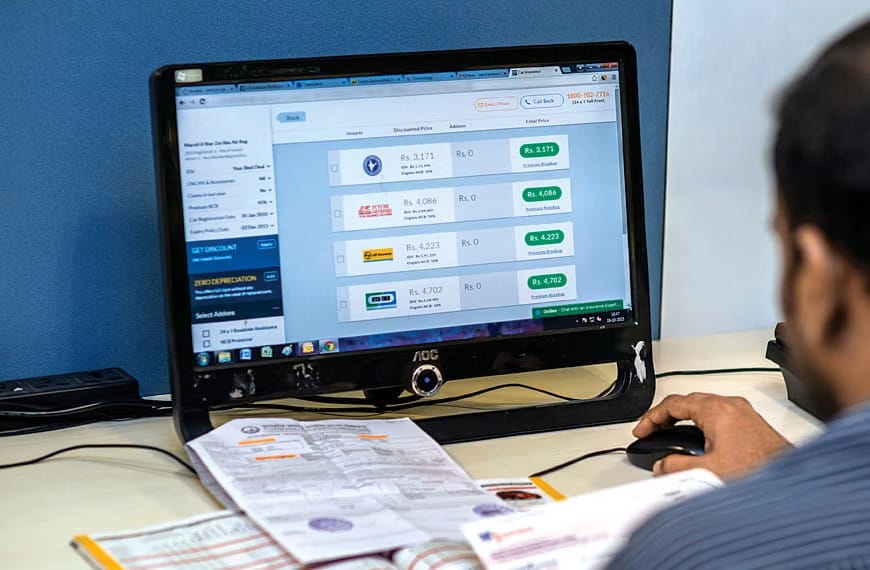
The premium depends on factors including the vehicle’s IDV, age, engine capacity, registration details, previous claims and the insurer’s own pricing. The cost of optional add-ons and applicable discounts can also affect the final premium.
Third-party liability premiums are set by the Insurance Regulatory and Development Authority of India (IRDAI), while own-damage premiums are priced by individual insurers. This is why premiums for similar own-damage cover can differ between insurers.
8. What is a No Claim Bonus (NCB)?
A No Claim Bonus is a discount on the own-damage premium earned for claim-free policy periods. It applies to the policyholder, not the vehicle, and can generally be carried over when changing insurers or buying another car, subject to the applicable conditions.
An own-damage claim can affect the NCB at the next renewal, although an NCB-protection add-on may preserve it subject to its terms.
9. What is Insured Declared Value (IDV), and why does it matter?
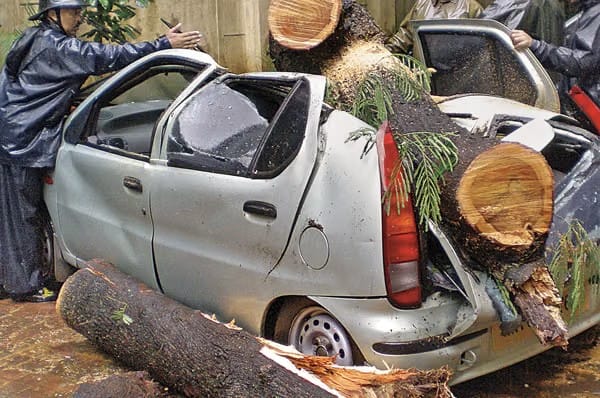
The Insured Declared Value is the sum insured for the vehicle under the own-damage section of the policy. It represents the vehicle’s insured value and is used when settling a total-loss or theft claim, subject to the policy terms. IDV also affects the own-damage premium. As the vehicle depreciates, its IDV generally reduces.
10. What is a deductible in car insurance?
A deductible is the portion of an eligible claim that the policyholder has to bear. A compulsory deductible applies to the policy as prescribed, while a voluntary deductible is an additional amount the owner chooses to bear in return for a lower premium. A higher voluntary deductible means a larger share of the repair bill has to be paid by the owner when a claim is made.
11. Which car insurance add-ons are worth considering?
Add-ons provide cover beyond the standard policy for an additional premium. Common options include zero depreciation, engine protection, roadside assistance, return-to-invoice, consumables, tyre protection, key protection and NCB protection.
Their usefulness depends on the vehicle, its age and how it is used. Owners should compare the additional premium with the specific protection each add-on provides rather than buying every available option.
12. What is zero depreciation insurance, and is it worth buying?
Zero depreciation, also known as nil depreciation or bumper-to-bumper cover, reduces or removes the depreciation deduction applied to eligible parts when settling an own-damage claim. This can reduce the amount the owner has to pay towards a covered repair.
The add-on generally costs extra and may have eligibility conditions, claim limits or exclusions, depending on the insurer. It is more commonly available for newer cars.
13. What is not covered by car insurance?
A comprehensive policy does not cover every type of loss. Common exclusions include normal wear and tear, damage from mechanical or electrical failure that is not caused by an insured event and losses arising while the vehicle is being used in breach of the policy or applicable law.
Claims can also be affected if the driver does not have a valid licence or is driving under the influence of alcohol or drugs. Consequential damage may also be excluded unless specifically covered by an add-on. The exact exclusions are set out in the policy wording.
14. Can modifications affect your car insurance?
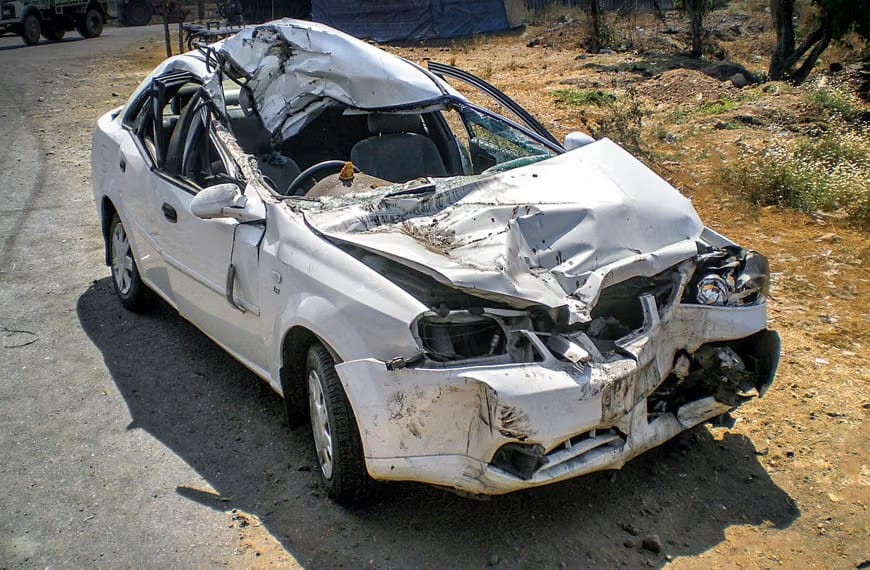
Yes. Modifications or changes to the vehicle should be disclosed to the insurer. This includes additions such as CNG or LPG kits, which also need to be recorded with the relevant registering authority.
If an approved modification changes the vehicle’s value or risk, the insurer may require an endorsement or additional premium. Failing to disclose relevant modifications can affect a claim.
15. What can cause a car insurance claim to be rejected?
A claim can be rejected or reduced if the loss falls outside the policy’s coverage or if policy conditions have not been met. Examples include driving without a valid licence, driving under the influence, using the vehicle for an excluded purpose, or making false or incomplete declarations.
Damage caused by an excluded event or normal wear and tear is also not payable under a standard comprehensive policy. The exact reasons for rejection depend on the policy wording and circumstances of the claim.
16. How does the age of your car affect insurance premiums?
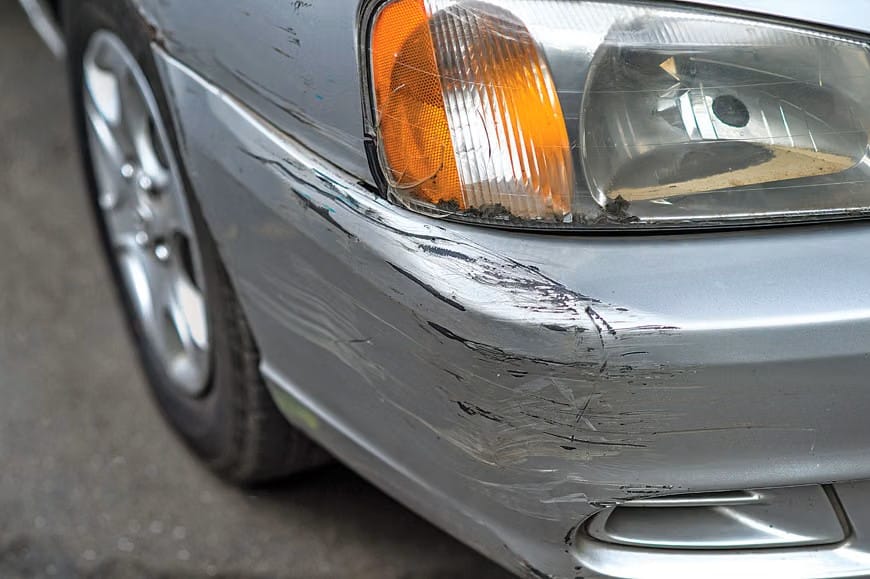
A car’s IDV generally falls as it gets older because of depreciation. Since IDV is one of the factors used to determine the own-damage premium, this can reduce the own-damage portion of the premium over time. However, the final premium also depends on factors such as the insurer, claims history, vehicle details and selected add-ons.
17. What happens if your car insurance expires, and how do you renew it?
Owners should renew their policy before it expires to avoid a break in cover. A vehicle cannot legally be driven on public roads without valid third-party insurance. If a policy has lapsed, the insurer may require the vehicle to be inspected before issuing a new policy. IRDAI also states that a break in insurance can result in inspection and additional charges.
18. Can you switch insurance companies at renewal?
Yes. You can change insurers when renewing your own-damage or comprehensive policy. Compare the coverage, exclusions, IDV, deductibles, network garages, add-ons and premium rather than choosing solely on price. Your NCB can generally be carried over when you change insurers, provided you submit the required proof of entitlement.
19. Can you transfer your car insurance when selling your vehicle?
Yes. Insurance can be transferred to the buyer when a vehicle is sold, but the insurer must be informed and the required transfer process completed. The NCB belongs to the original policyholder and does not transfer with the vehicle. For comprehensive/package policies, IRDAI states that the transfer of ownership should be recorded within 14 days of the transfer of ownership.
20. What should you check before buying or renewing car insurance?
Don’t compare policies on premium alone. Check the coverage, exclusions, IDV, deductibles, add-ons, network garages and claims process. Also check when the third-party and own-damage portions expire, particularly if you have a bundled policy. A cheaper policy may offer a lower IDV, higher deductible or narrower coverage, so the lowest premium is not necessarily the best-value option.

 Uday Singh
 Glenn Noronha
 Dipan Sur