Hi Team, I am currently driving a 2016 Maruti Suzuki Ciaz and am planning to upgrade to an SUV. I have shortlisted the Mahindra XUV 7XO Petrol MT and the Hyundai Creta Petrol MT. My daily running is around 15-25 km. My top priorities are a 5-star safety rating, good ride comfort, and easy drivability in the city. Could you please compare these two models based on my usage and suggest which one would be the better choice? Also, which engine and transmission combination would you recommend for my requirements?

 Mahindra XUV 7XOHyundai Creta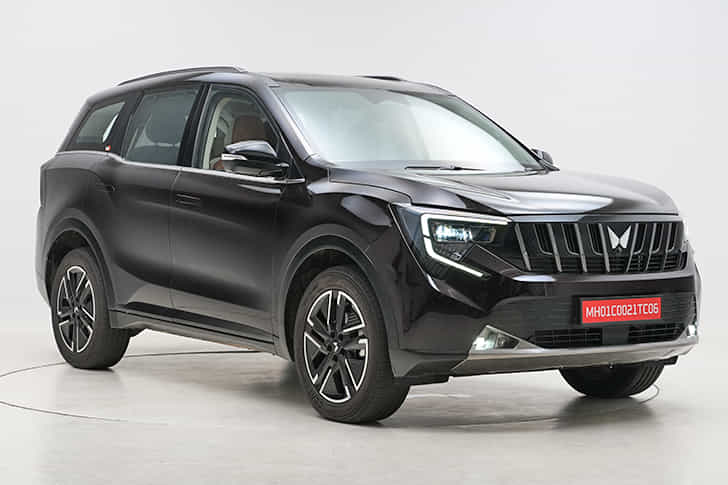
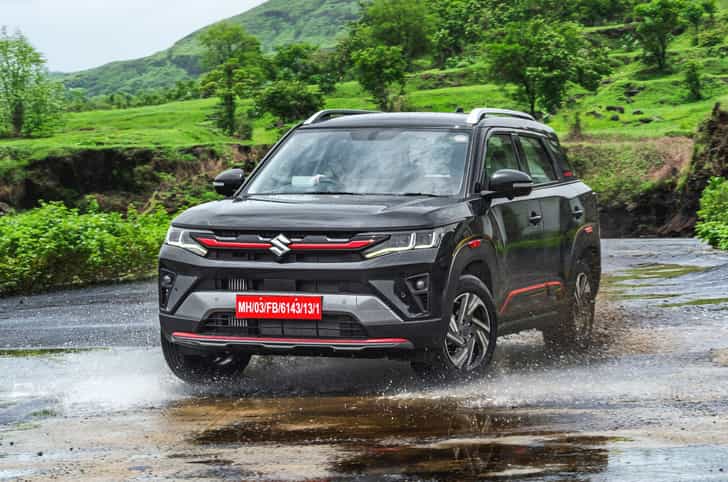
Is it worth spending on luxury ICE cars today, or is it better to invest in an EV for a daily run of 80km that includes both city and highway driving? I am considering BYD for the EV option and German rivals for ICE cars. Which would be better with good ground clearance for a long-term ownership period of 10 years?
Hi everyone, I'm planning to buy my first EV. I was initially considering the Tata Punch EV, but I'm 6'4" tall, and I found the driver's seat and overall driving position a bit cramped for longer drives. I'm open to stretching my budget a little if it means getting a more comfortable car. My requirements are: comfortable for a 6'4" driver, real-world driving range of around 350 km, good value for money, suitable for both city driving and occasional highway trips. What would you recommend? I'd also love to hear from tall owners about their experience with cabin space and driving comfort. Thanks in advance!
Tata Punch EVMG WindsorKia Carens Clavis EVKia Syros EV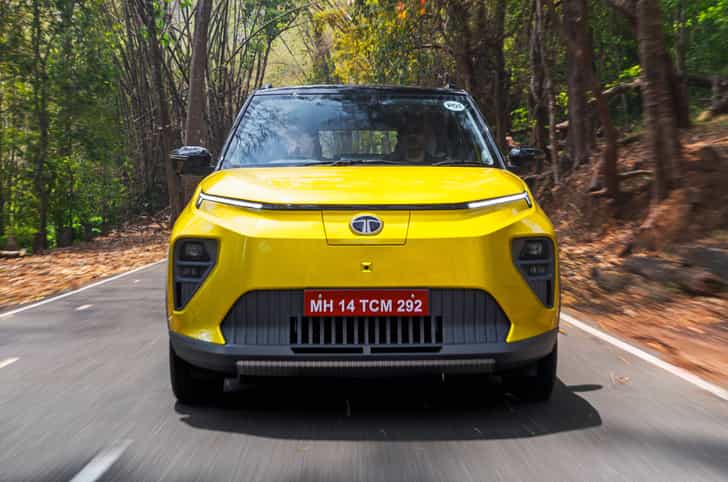
I'm planning to buy my parents an electric city car. I've had serious doubts about Tata's after-sales, so I am not considering the Punch or Nexon at all. The budget is 15-17L OTR; what safe and well-equipped options should I consider? Another primary consideration is that service visits and niggles shouldn't concern my 60-year-old father.
Kia Syros EV
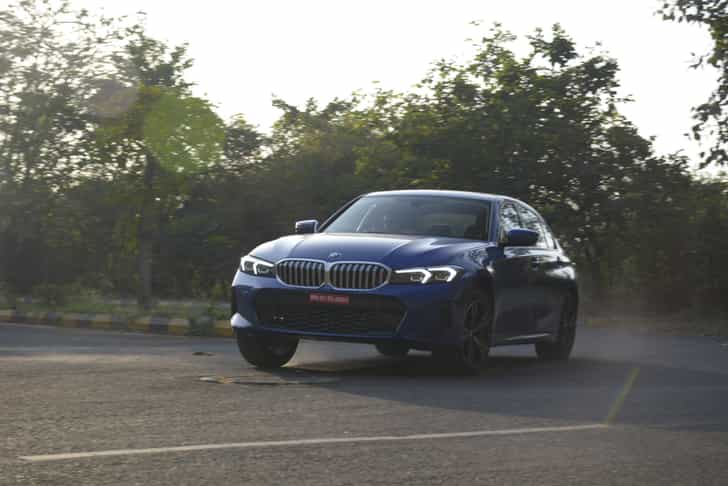
I am looking to buy a 6/7-seater electric car. I am currently inclined towards the Mahindra XEV 9e, but I am unsure about its ride quality and suspension comfort. I have also considered the Kia Clavis EV, but its smaller battery pack and overall design are not very appealing to me. I can also wait for the Tata Safari EV if it is likely to be a better option. Which EV would you recommend?
Mahindra XEV 9SKia Carens Clavis EVTata Safari EVI am looking to buy an electric car in the Rs. 20-30 lakh price range. My driving is mostly within the city, with an annual running of only 5,000-7,000 km. Would you recommend buying an EV now, or would it be better to wait for the newer models that are expected to launch over the next few months?
Mahindra XEV 9S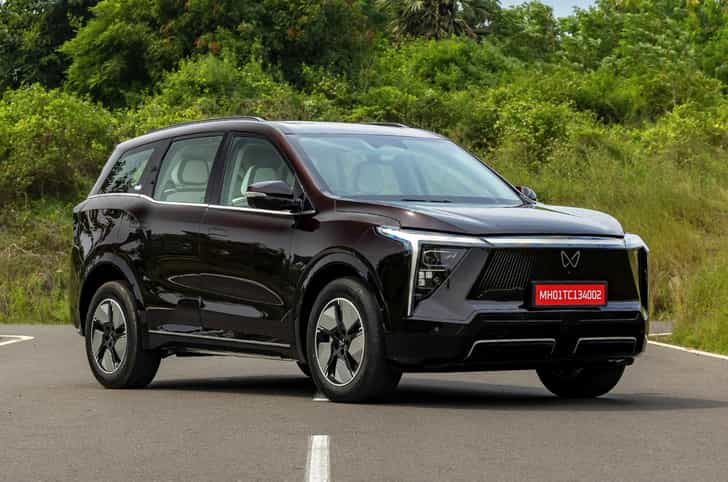
I have a strict budget of Rs. 12 lakh, and I'm looking for an automatic car, preferably with a DCT transmission in Kochi, Kerala. This will be my first car, and I don't have a lot of driving experience, so ease of driving is an important factor. My monthly running is around 500 km, with about 60% of it being in bumper-to-bumper city traffic. I'm primarily considering sub-4-meter SUVs. A reverse camera is a must-have feature for me, and after-sales service is also important. I recently test drove the Kia Sonet Petrol DCT and really liked it. However, I'd love to hear recommendations for other sub-4-meter SUVs in this budget. I'm also curious about the long-term reliability of DCTs. I've come across reports of jerking and drivability issues in heavy traffic after around 70,000 km. How common are these problems, and should they be a concern given my driving pattern, especially considering this will be my first car?
Kia SonetMahindra XUV 3XO