Autocar India
6d

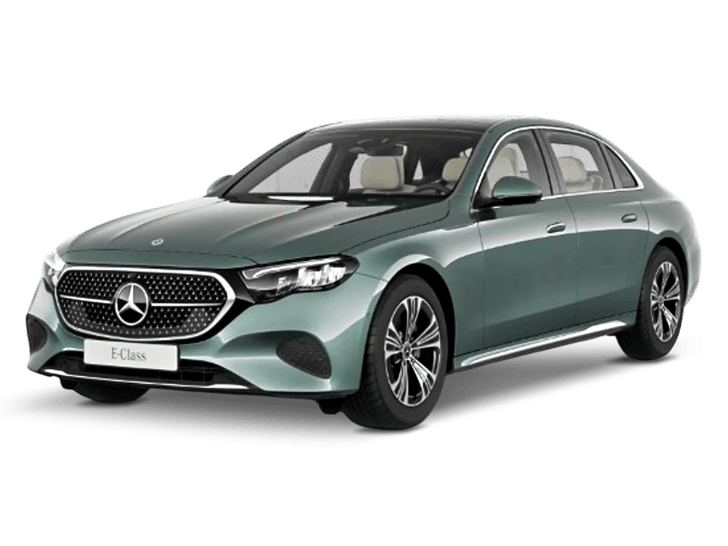
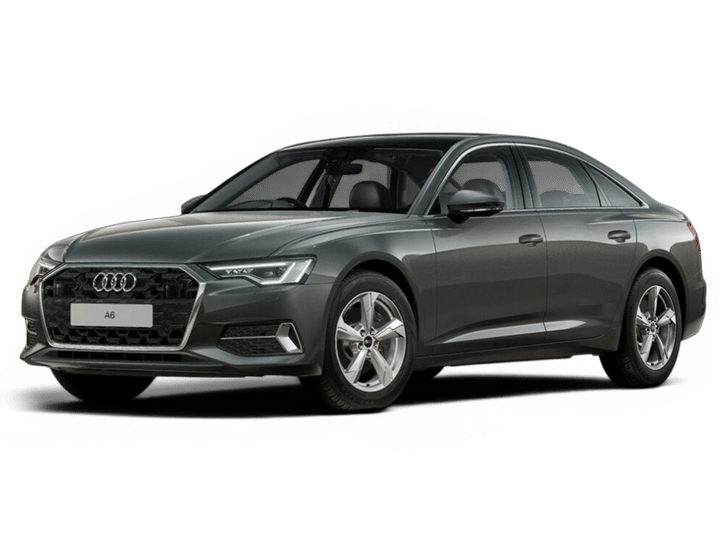
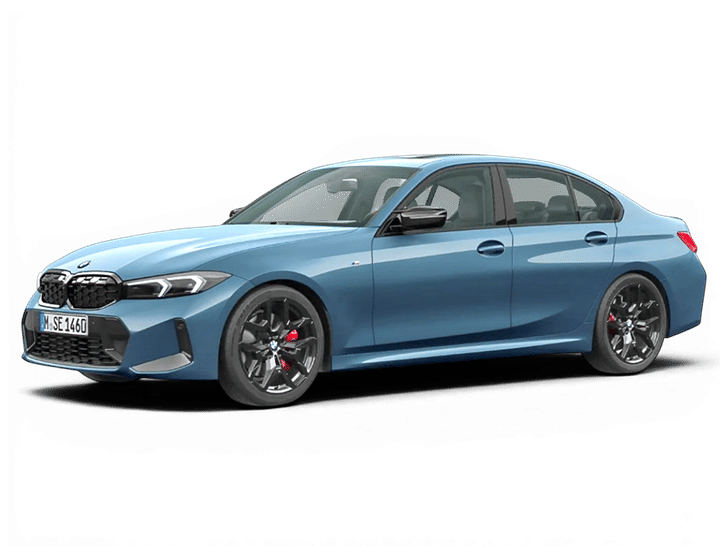
I’m looking for an Audi, BMW or Mercedes-Benz test-drive car that has covered less than 5,000 km and is priced within a budget of Rs 65-70 lakh. Which would be the best cars available in this budget?

Verified
3m

Firstly, don’t assume that a low-mileage test-drive or dealer demo car will be easy to find. The best examples are often sold quickly, and availability will vary sharply by city, dealer and model.

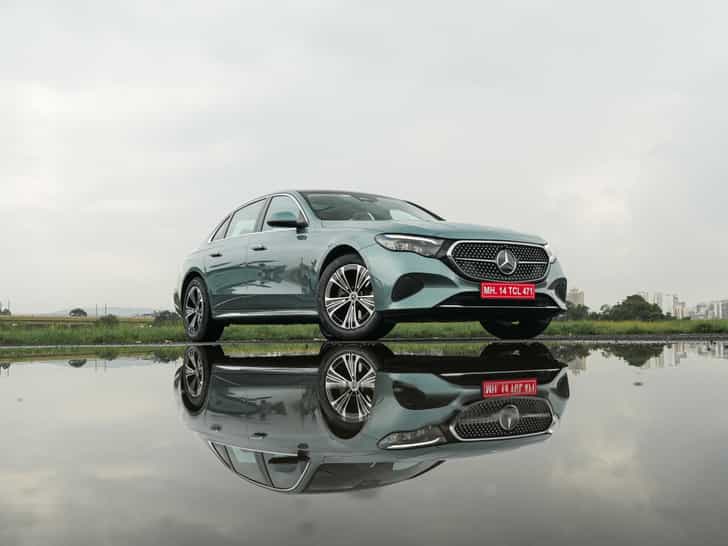
A Mercedes-Benz E-Class would be our pick if you can find a clean, well-specced example, but even one with under 5,000km may stretch beyond your Rs 65-70 lakh budget. Also, many dealer demo cars are unregistered. That means you become the first registered owner, which is a plus, but it also means the dealer may not discount it as aggressively as a formally pre-owned car.

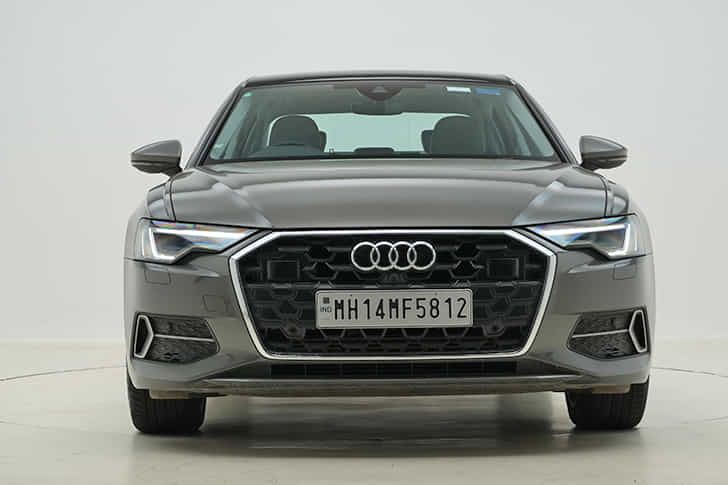
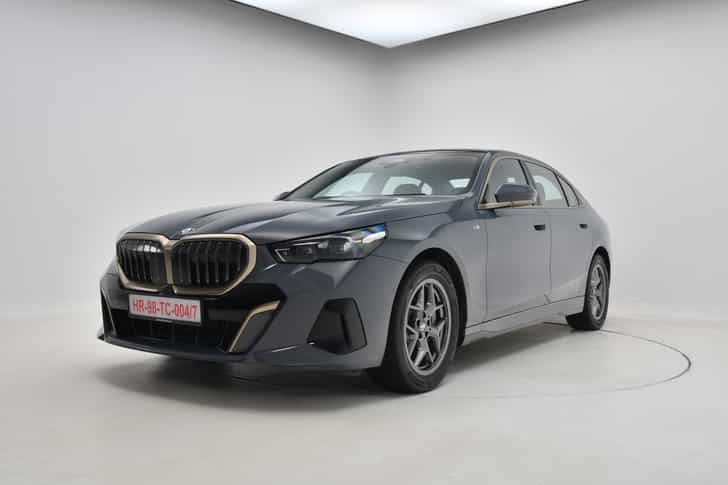
You could also look for a BMW 5 Series LWB demo car, although finding one within budget may again be difficult. The more realistic option could be an Audi A6, especially because Audi has historically offered strong discounts on outgoing or slow-moving stock. Do check availability with your local dealer, though, as stock can be limited depending on the city and the model year.

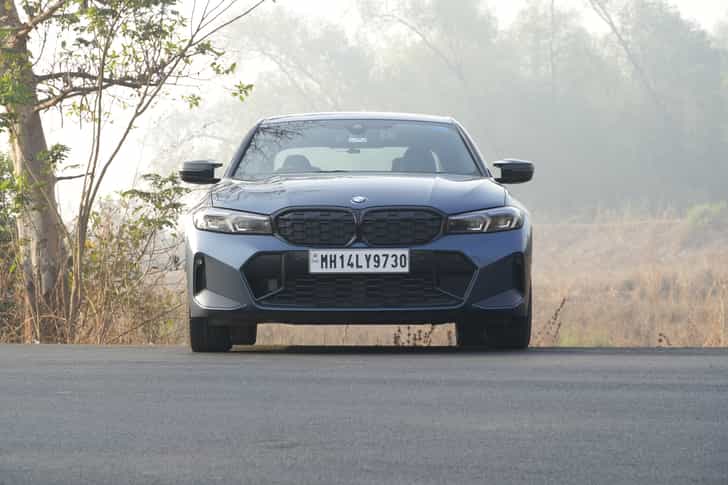
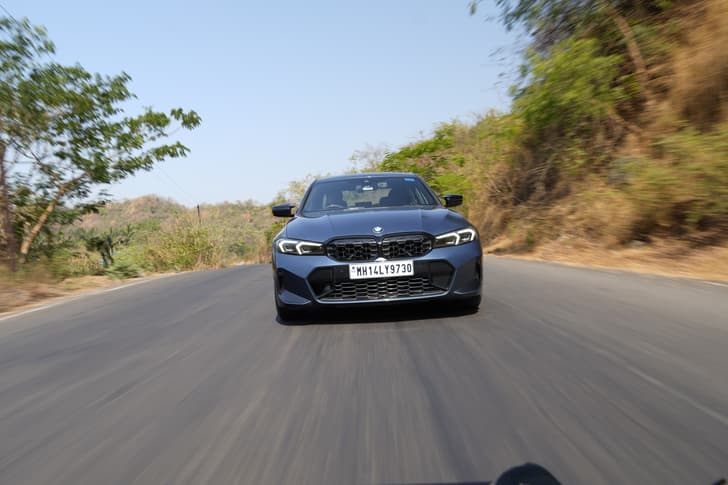
For this money, our more practical recommendation would be a nearly new BMW 3 Series. It is likely to fit the budget more comfortably, is genuinely engaging to drive, and should offer a newer car with lower financial risk than stretching for an E-Class or 5 Series.

Whichever route you choose, insist on a full-service record, tyre and brake inspection, accident-repair history, remaining warranty details, and clarity on whether the car has been registered. A dealer demo can be good value, but only if the discount properly reflects its usage and age.


BMW 3 Series

BMW 3 Series

More posts on similar cars

8h

I am planning to buy a sub-4m SUV and have shortlisted the Skoda Kylaq Signature Plus Automatic and Hyundai Venue HX5 Diesel Automatic. My annual running is expected to be around 16,000 to 18,000 km, including approximately 12,000 km of highway driving. From an economic point of view, I am slightly concerned about the Kylaq’s real-world petrol mileage, especially given the high amount of highway running. I am also concerned about the long-term implications of E20 petrol and whether it could lead to any issues in the future. On the other hand, I have concerns about buying a diesel due to the possibility of future government restrictions and the uncertainty around long-term diesel ownership. Considering these factors, I would appreciate your advice on which of the two would be the better choice for at least eight years of ownership.

Verified
3h

Go for the Hyundai Venue Diesel Automatic. With your annual running of 16,000-18,000 km and a strong highway component, the diesel makes clear financial sense. The Venue’s diesel is refined and well suited to long-distance driving, and the 6-speed torque converter automatic is smooth and reliable. Hyundai’s service network and ownership experience are also strong, which matters over an 8-year horizon.The Skoda Kylaq Signature Plus Automatic is the better driver’s car, but the 1.0 TSI petrol will not match the diesel’s efficiency at your running, and the E20 concern is largely overstated – modern engines are engineered for it, and there is no official roadmap beyond E20. On the diesel side, the government has not announced any blanket restrictions on private diesel cars, and with Bharat Stage 6 and DPF technology in place, long-term ownership is not a major concern.The Venue is the more sensible and cost-effective choice for your usage pattern. If you want a more premium and spacious diesel SUV, the Kia Seltos Diesel Automatic is worth stretching for, but within your shortlist, the Venue is the right call.

VehicleHyundai Venue
VehicleKia Seltos
VehicleSkoda Kylaq
12h

I’m planning to buy a sub-compact SUV with a budget of around Rs 12 lakh. I prefer a manual transmission and am looking for a car that offers a smooth and comfortable driving experience in both the city and on highways. I also travel to hill areas about twice a year, so I’m unsure whether a turbocharged or naturally aspirated (NA) engine would be better suited to my requirements. The two cars I’m currently considering are the Maruti Suzuki Brezza with its 1.5-litre naturally aspirated engine and the Hyundai Venue with its 1.0-litre turbo-petrol engine. I’d like to understand which engine would be better suited to my usage, how the two compare in city traffic, highway driving and hill roads, and which would offer better long-term reliability and ease of maintenance. I’d also like to know the expected difference in real-world mileage between the two and, considering my overall requirements and budget, which of the two would be the better choice.

Verified
4h

Go for the Maruti Suzuki Brezza 1.5L naturally aspirated petrol. It is the better fit for your requirements. The 1.5L NA engine is smooth, refined and delivers linear power, which makes it easy to drive in the city, comfortable on highways and predictable on hill roads. It has enough torque to handle inclines without feeling strained, and you do not have to worry about turbo lag or the need to downshift aggressively on steep sections.The Hyundai Venue 1.0L turbo is a punchy engine and feels more energetic when pushed, but it does have some turbo lag at low speeds and requires more gear changes on hills. It is also a smaller three-cylinder engine, so it is not as refined as the Brezza’s four-cylinder unit. In terms of reliability and maintenance, Maruti has the edge with a simpler naturally aspirated engine and a wider service network.Real-world mileage will depend on driving style, but the Brezza should deliver slightly better consistency, especially on highways and hills, while the Venue turbo can be more efficient if driven gently in the city. Overall, the Brezza is the more dependable and easier-to-live-with choice for your usage pattern.

VehicleMaruti Suzuki Brezza
VehicleHyundai Venue

Popular discussions right now

4d

I am 52 years old and have been driving since my 20s. I need to drive around 2,500km a month, with 55% of the driving on highways, 30% on rugged rural roads and 155 in the city. My commute includes travelling to and from my farms, so I also need to occasionally transport 200-250 kg of fertiliser or farm produce. My budget is around Rs 10-12 lakh. Please advise which vehicle I should buy.

Verified
3d

Given your usage pattern, the Mahindra Bolero is the most sensible recommendation. Your monthly running is high, with a significant highway component, but the key factor is the 30% rugged rural roads and the need to occasionally carry 200-250 kg of farm produce. The Bolero is built exactly for this kind of use case. It has a tough ladder-frame chassis, simple mechanicals and a reputation for durability on rough roads. The diesel engine is robust and well suited to long-distance running, and the suspension is designed to handle poor road conditions and heavy loads without complaint. It is not the most refined or feature-rich vehicle, but it is reliable, easy to maintain and has excellent service reach in rural areas. At your budget of Rs 10-12 lakh, it is also one of the few vehicles that genuinely meets your requirements without compromise.If you want something more comfortable and modern, the Mahindra XUV 3XO diesel is worth considering, but it will not be as rugged or as load-friendly as the Bolero. For your specific needs, the Bolero remains the most practical and dependable choice.

VehicleMahindra Bolero
VehicleMahindra XUV 3XO

Posted on: 13 Sept 2026