

Delhi
•5w
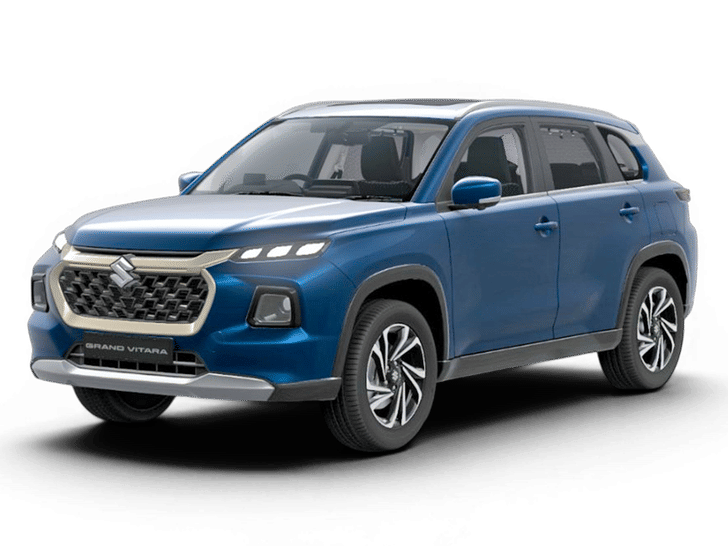
I am planning to buy a car for my family, with comfort for my ageing parents as the main priority. I don't like the rubber-band effect of CVTs, although I found it less noticeable in the Honda Elevate. Because of this, I have ruled out the Seltos and Creta. I would like to know how the performance and comfort of the Maruti Suzuki Grand Vitara compare with the Elevate, especially since the Grand Vitara gets a torque-converter gearbox. I also do a lot of spirited highway driving and need strong performance for overtaking. My maximum budget is Rs 19 lakh on-road. Which one would you suggest?

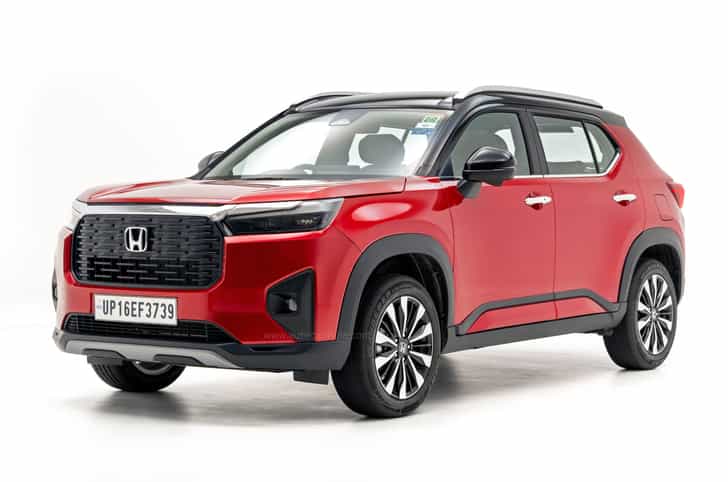
For your requirements, the Maruti Suzuki Grand Vitara petrol AT makes more sense than the Elevate. The biggest reason is the gearbox. Its six-speed torque converter is smoother and more natural when accelerating hard, and it avoids the rubber-band effect you dislike with CVTs.
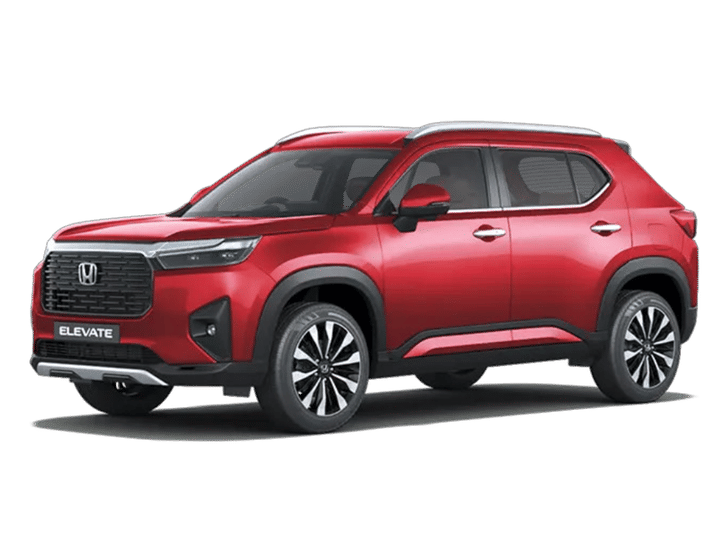
The problem is performance. The Grand Vitara's 103hp/139Nm engine is noticeably less powerful than the Elevate's 121hp/145Nm unit, so if you frequently make quick highway overtakes with a full load, you will need to plan overtakes and use the gearbox. The Honda Elevate is the better performer on paper and feels stronger when you keep the revs up.
Where the Grand Vitara does well is efficiency. In real-world testing, it returned 11.6kpl in the city and 15.3kpl on the highway, considerably better than the Elevate CVT's 8.6kpl and 13.1kpl in the same test. Choose the Grand Vitara AT if avoiding CVT behaviour and getting good efficiency are important. If spirited highway performance is the overriding priority, the Honda car remains the better engine, despite its CVT.
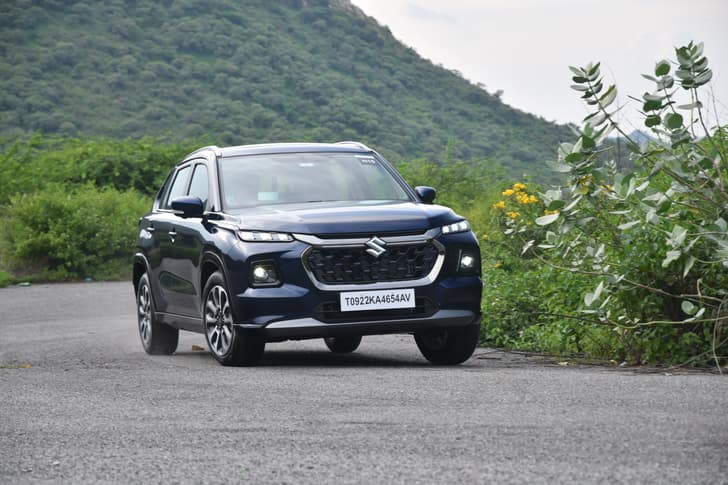
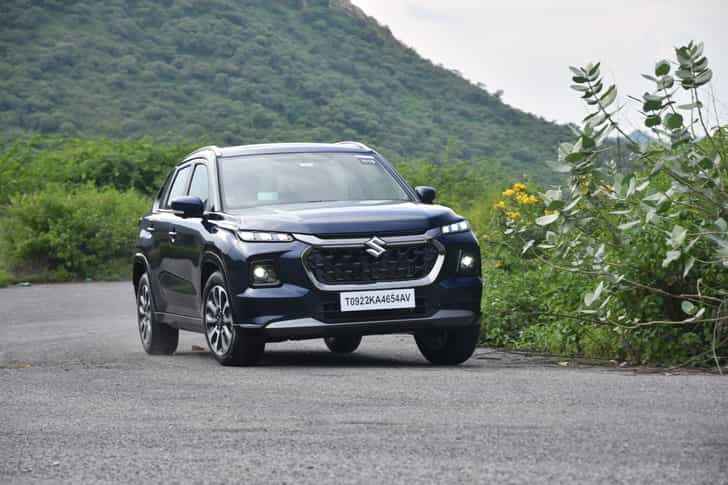
Maruti Suzuki Grand Vitara
Explore cars mentioned
•5w•
Grand vitara delta and victoris vxi which one is better among this for commute with family
More posts on similar cars

Has E20 fuel affected your mileage?

Expert reviews worth reading
Is ADAS worth paying extra for in a car?
Popular discussions right now
Upcoming launch buzz
Community discussions on upcoming launches
Compare suggested cars


Curated collections

Add a photo of your Elevate (2023-2026)
First sightings, real road conditions, delivery buzz

Posted on: 18 Sept 2026
