Autocar India
5d

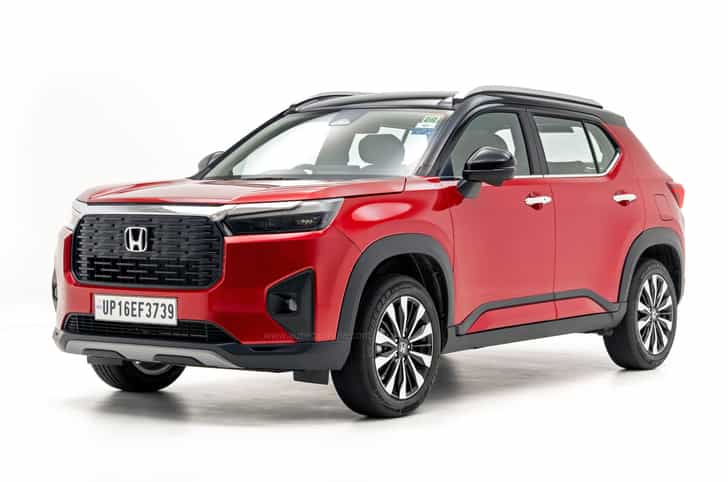
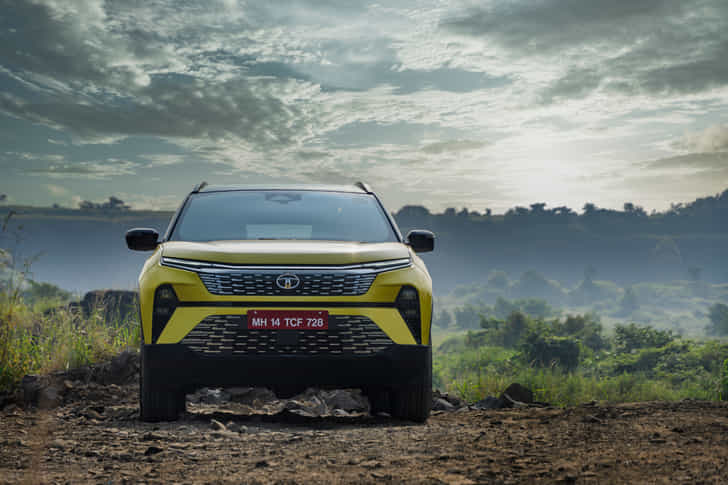
Hi Team, I am currently driving a 2020 Maruti Suzuki Baleno and am planning to upgrade to an SUV. My shortlisted options are the Honda Elevate, Tata Harrier, and Mahindra XUV 7XO. My daily drive involves around 35 to 40 kms in heavy Bangalore city traffic, along with occasional highway trips. My primary priority is a car with a solid 5-star safety rating, along with good ride comfort and easy city drivability. Coming from a lightweight hatchback, I am looking for an option that offers a clear step up in safety and space without feeling overly cumbersome during my daily urban commute. Could you please evaluate these three models based on my usage and suggest the best option and engine-transmission combination for me?

Verified
23s

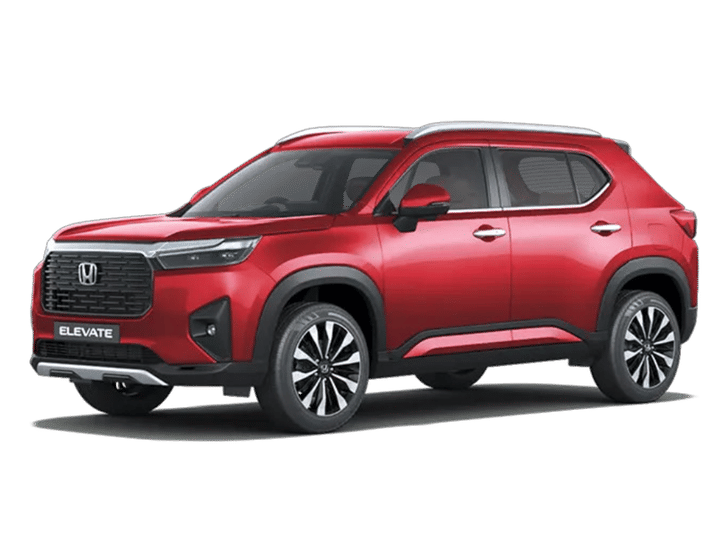
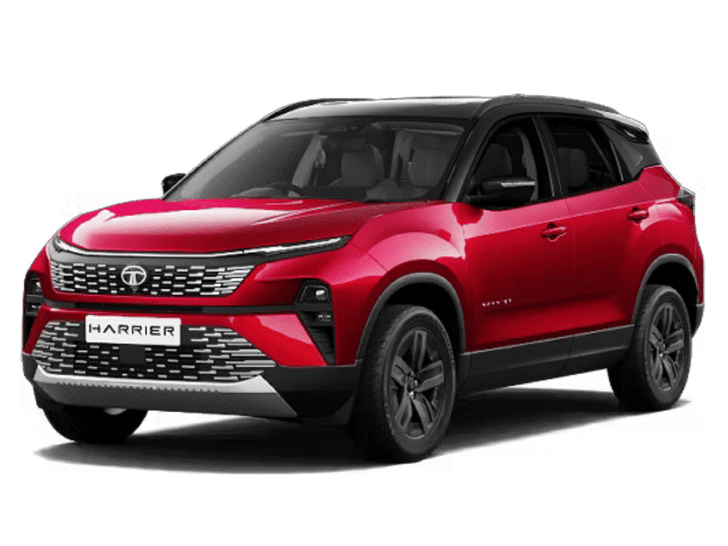
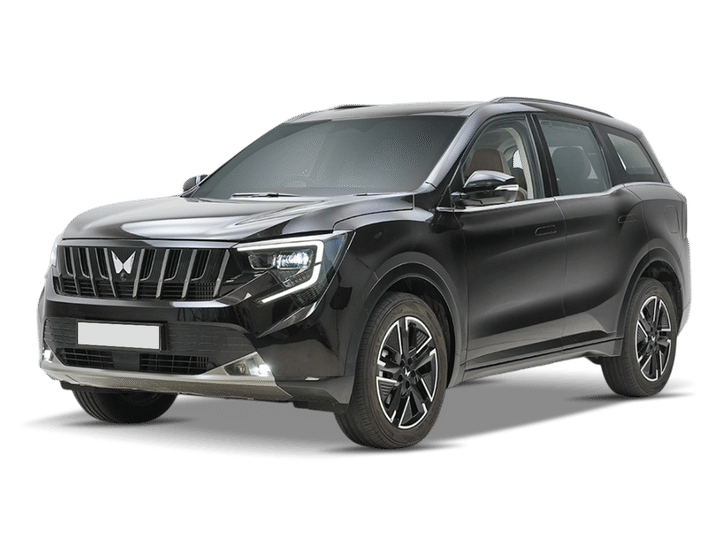
Based on your usage, the Honda Elevate CVT is actually the best fit for your needs among your shortlist. With a 35-40 km commute in heavy Bangalore traffic, the CVT makes life easy; the engine is responsive enough to go for gaps in traffic, and the steering is light in the city. Importantly, this Honda car is not so large as to become cumbersome to drive in tight city traffic, which is important to you. The Tata Harrier and Mahindra XUV 7XO are both physically larger, making them slightly more cumbersome to drive in traffic. Their petrol powertrains are also quite thirsty in the city, while their diesel engines do not suit your city-heavy usage, likely requiring additional highway trips just to keep the DPF happy.

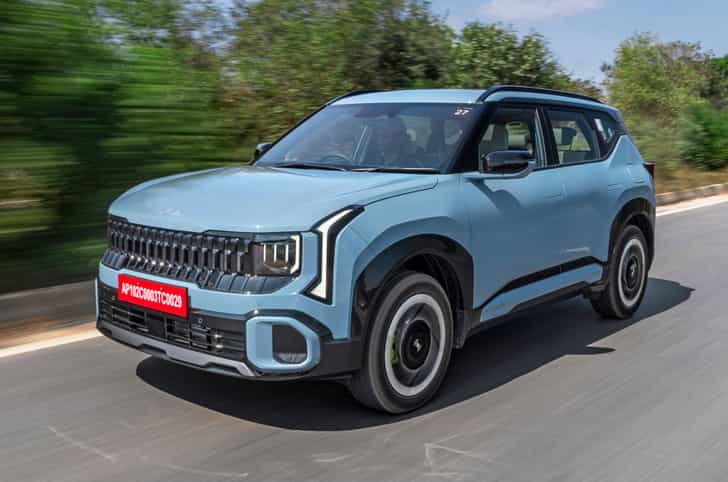
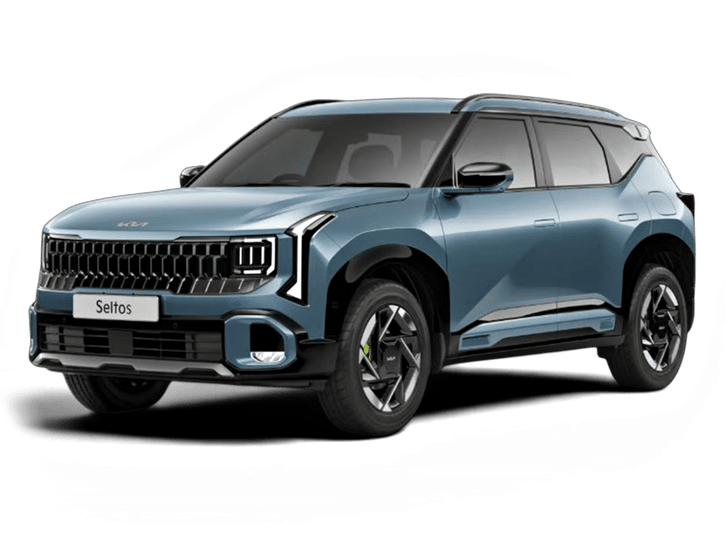
If you want an alternative similar to the Elevate, the Kia Seltos is a strong choice. It has a 5-star safety rating, is very well equipped in terms of features, and its 1.5-litre naturally aspirated engine paired with the IVT offers a smooth, relaxing drive in the city.
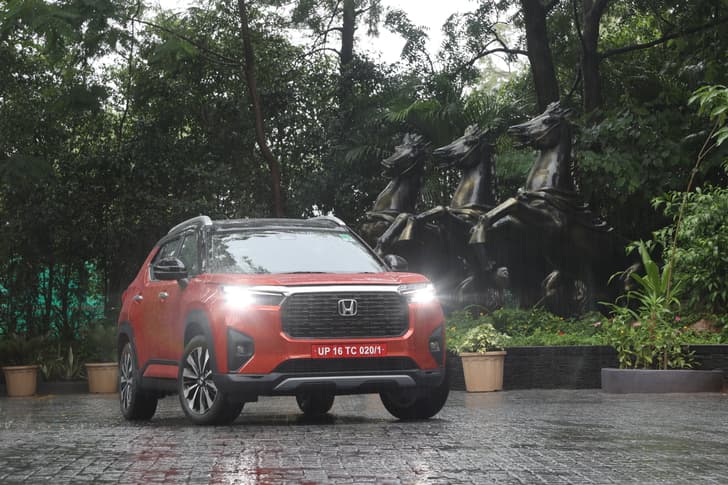
Honda Elevate

Honda Elevate

Want to sell your car?

Sell your car at the right price, without the stress.

More questions on similar cars

17h

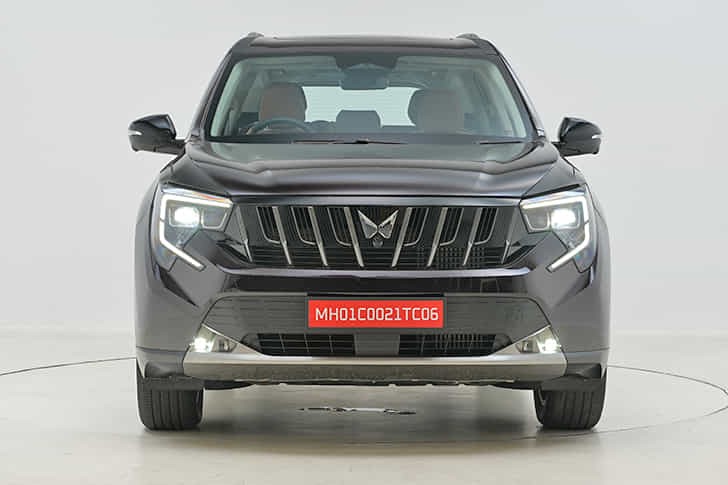
I am planning to buy the Mahindra XUV 7XO AX7 Automatic, but I am confused between the petrol and diesel variants. My annual running is around 10,000 - 12,000 km, with an even 50:50 split between city and highway driving. Most of my city drives are short trips of around 3 km one way in light traffic, such as commuting to the office or grocery shopping. Evening city drives are usually 6-8 km one way. These trips happen about three times a week. I live in a Tier 2 city, so traffic is generally not very heavy. My highway trips are usually 100-200 km one way, although they are not very frequent. Around twice a year, I undertake longer trips of about 600 km one way. I also tend to keep the engine idling occasionally while parked to use the air conditioning. I prefer the diesel because of mileage, but I am concerned about DPF-related issues. On the other hand, I am worried that E20 petrol has already reduced fuel efficiency, and E25 could lower it even further. My questions are: 1. Is diesel the right choice for my usage? Am I likely to face DPF issues frequently, and if so, how can I avoid or manage them? 2. What is the real-world fuel efficiency of the petrol automatic in city and highway conditions? Based on YouTube videos, I have seen figures of around 6-7 km/l in the city and 11-12 km/l on the highway. Are these realistic?

Verified
11h

Go for the diesel. Your usage pattern is actually quite well suited to a modern diesel, and the Mahindra XUV 7XO diesel is a strong engine with good efficiency and refinement. The DPF concern is understandable, but your usage does not fall into the high-risk category. You are doing 10-12,000 km a year with a 50-50 city-highway split, and your city driving is in a tier 2 city with light traffic and regular 6-8 km runs. That is enough to keep the DPF healthy, especially if you occasionally take the car on a longer run. The Mahindra car diesel also has a DPF regeneration indicator, so you will know when the car needs a longer drive.The petrol automatic is a good engine, but it is not particularly efficient in a car of this size and weight. Real-world city mileage of 6-7 km/l and highway figures of 11-12 km/l are realistic. The diesel will be significantly more efficient, especially on the highway, and that will make a meaningful difference over time.E20 is not a major concern. Modern engines are designed for it, and the impact is mostly a small drop in fuel economy. There is no official roadmap for E25, and premium petrol is not required.The only reason to choose petrol would be if your usage was almost entirely short city runs in heavy traffic. In your case, the diesel makes more sense.

VehicleMahindra XUV 7XO
17h

I want to buy a safe and reliable car for a family of three and a dog. We previously used a Maruti Swift Dzire and typically take around 7-8 highway trips every year. The car will also be our primary vehicle for daily driving in Bangalore traffic. Now, I’m looking for a car that offers excellent safety, reliability, and low maintenance, with minimal service issues over the long term. Which cars would be the best options for our usage? Also, is it still a good idea to buy a petrol car, especially with the increasing adoption of E20 petrol and changing emission norms? Should I consider a naturally aspirated petrol, a turbo-petrol, a hybrid, or another option? Our budget is under 30 lakhs

Verified
13h

For your usage, the Toyota Innova HyCross petrol is the best fit. You are coming from a Swift Dzire and want a safe, reliable family car for Bangalore traffic and 7-8 highway trips a year. The HyCross petrol is a naturally aspirated 2.0-litre engine with a CVT, so it is smooth, reliable and easy to drive in the city. This Toyota car is also a very comfortable highway car with a spacious cabin, good ride quality and Toyota’s strong reliability and service network. The hybrid version is more expensive and only makes sense if your running is high enough to justify the premium. The petrol is the better value for your usage.On fuel choice, E20 is not a concern. Modern petrol engines are engineered for E20, and there is no official roadmap beyond E20. Premium petrol is not required. The main impact of higher ethanol blends is slightly lower fuel economy, not reliability. Turbo-petrol engines are fine if you want performance, but for long-term ownership and low maintenance, a naturally aspirated petrol is the safer choice. Hybrids are worth considering only if your running is high enough to recover the premium.If you want a smaller car, the Kia Seltos is a good alternative. It feels premium, is spacious, has a smooth naturally aspirated petrol with a CVT, and Kia’s aftersales service is reliable too.

VehicleToyota Innova HyCross
VehicleKia Seltos

Popular discussions right now

3d

I currently own a Skoda Kushaq Petrol AT. Everything is fine except the mileage. I am getting only around 10-13kpl with E20 petrol. My daily running is around 100 km. Should I buy a diesel car or an electric car?

Verified
2d

With a daily running of around 100 km, fuel efficiency becomes a major factor in ownership costs. The Skoda Kushaq petrol automatic is a good car, but the 10-13kpl you are seeing is typical for a turbo petrol automatic, especially with E20 petrol. At this usage, a diesel or a strong hybrid makes far more sense.If you do regular highway runs, a diesel is still the most practical and cost-effective solution. The Mahindra XUV 7XO diesel automatic would be the recommendation here. It is a strong highway car, comfortable, spacious and the diesel engine will deliver significantly better fuel efficiency than your Kushaq. Diesel running costs will be far lower over your kind of mileage. If that is out of your budget, something smaller like a Kia Seltos diesel, while not as powerful, is even more efficient.If your usage is mostly city a strong hybrid could be a better solution. The Maruti Suzuki Victoris is the most practical and cost-effective option. It is well priced, has a proven track record and will dramatically reduce your running costs. The strong hybrid is better suited to the city, where it is more likely to run on its electric motor than use the engine and deliver the better mileage.

VehicleSkoda Kushaq
VehicleKia Seltos
VehicleMahindra XUV 7XO
VehicleMaruti Suzuki Victoris

Posted on: 1 Aug 2026