Autocar India
21h

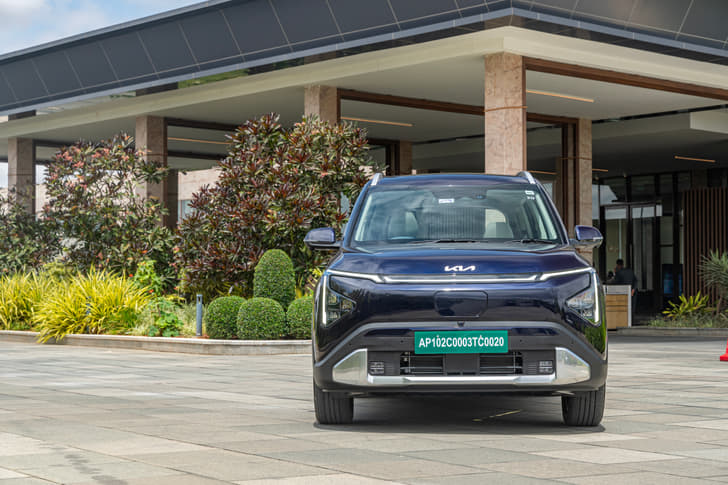
I am planning to buy Kia Carens Clavis, and my usage is close to 4000 to 5000 km on the highway. Confused whether to buy petrol or an EV with the increase in petrol prices day by day

Verified
9m

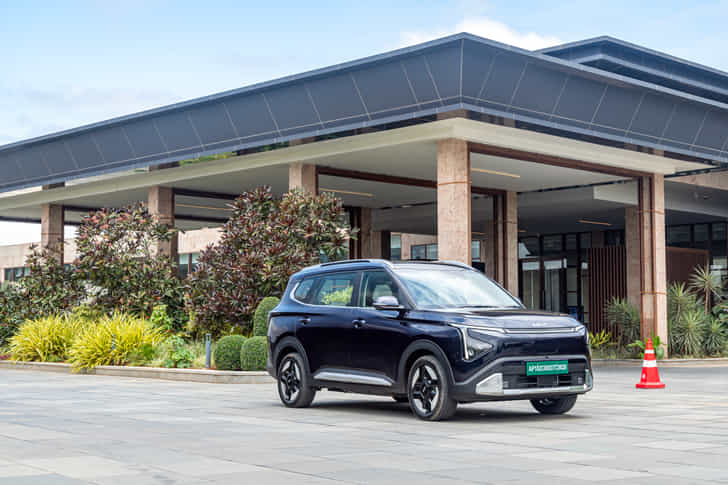
It isn't clear from your question whether your 4,000-5,000 km highway usage is per year or per month, and whether you have a home charging provision. If your monthly usage is high, and you have a charging provision, the Clavis EV is a no-brainer. You can expect a real-world range of around 350km (on the highway), and with 60kW DC fast charging along the way, you can easily add 100km of additional range in 30 minutes. However, with a home charging, your running costs will be much lower than public charging.

On the other hand, if your 4,000-5,000 km is annual usage, pick the Kia Carens Clavis petrol - the fuel bill difference won’t recover the EV’s higher price premium for a long time, so you’re paying more up front for savings you may not fully use. For long highway runs, the simple truth is petrol gives you certainty - five-minute refuels anywhere and no planning around chargers, especially while travelling with family on board.
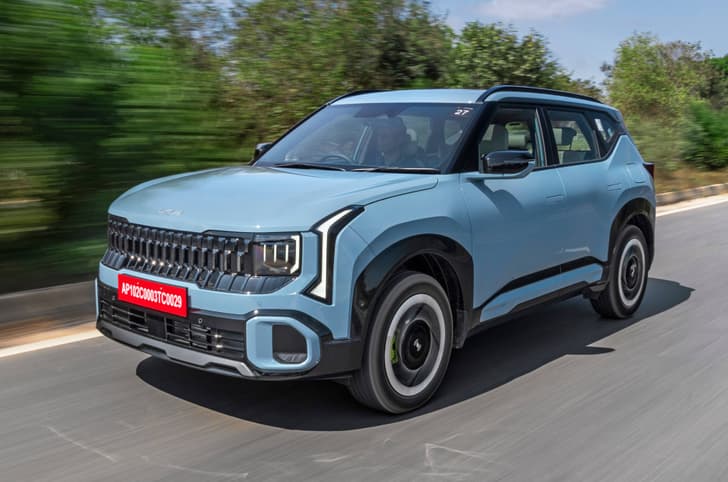
Kia Carens Clavis EV

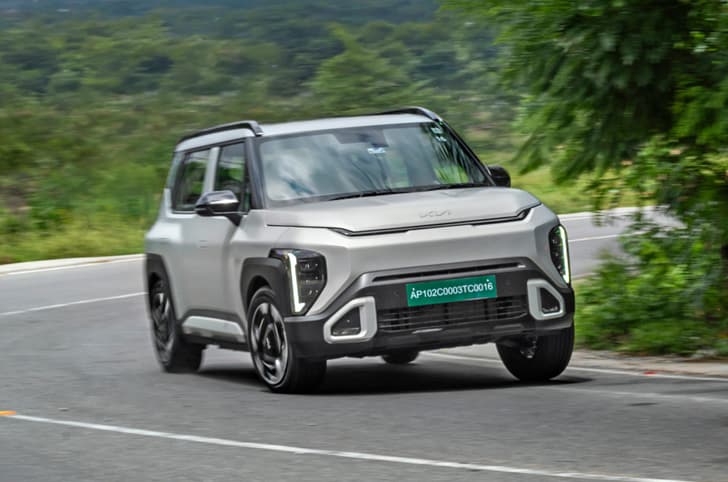
Kia Carens Clavis EV

More questions on similar cars

2d

I am looking for a 7-seater family car in the budget of Rs. 25-27 lakh. I am already aware of the popular options in this segment including XUV 7XO, Safari, Scorpio-N, Kia Carens Clavis, etc. The challenge is that I keep getting tempted towards the top-end variants. Features like ADAS, panoramic sunroof, 360° camera, premium audio, ventilated seats, and all the latest tech make me question if I am getting everything after spending this much amount. At the same time, I am also struggling to differentiate what I genuinely need and what are nice-to-have features. I am in my late 20s and am a car enthusiast. I love driving and road trips. The car that I am looking for will be primarily used for family travel, city driving, and highway runs. My plan is to keep the car for around 5-7 years. I would like to know a few things from those who have owned or upgraded cars in this segment. Which features are genuinely useful in day-to-day ownership and which features feel exciting initially but, were rarely used later? Also, is it worth stretching my budget for top-end variants, or is the sweet spot usually the mid/high variant? If you were in my place and had the same budget today, which 7-seater would you buy and why? I am trying to make a rational decision rather than buying a car for features that I will rarely use.

Verified
9h

In terms of price to features ratio, the sweet spot is almost always the mid variant rather than top variants. You’ll miss out on only a little but save a chunk as high-end features tend to be priced more based on their perceived value rather than their actual value. However, since you are enthusiastic about cars, choose a variant as high end as you can afford and enjoy the experience. Features that you will appreciate regularly are, all‑row AC vents, auto climate control, LED headlamps, TPMS, auto‑dimming inside mirror, wireless phone integration and plenty of USB‑C ports. In a big SUV, a 360° camera and front sensors are gold in tight city spots. Ventilated seats matter a whole lot in our summers. Adaptive cruise is handy on long expressways, but other ADAS nudges can feel fussy and many owners turn off parts of it in the city. However, what amazes at delivery but fades later, are things like panoramic sunroof that stays shut most of the time during the year and also adds heat. Another one is the connected app feature which most people typically use for a month and then forgot about it. Third such feature is the 'passenger' screen, which is also all the rage these days, but after a while, most owners do not use it. Watching a movie or playing games on the go aren't something you do often and not even pleasant over rough city roads while your are hunched forward in your seat. In your Rs. 25-27 lakh budget, we would suggest Tata Safari or the Mahindra XUV 7XO as they are great for highway comfort. The Mahindra car has an edge on performance but the Safari has the better third row. The Kia Carens Clavis is another good car if you are comfortable with its MPV image as it is the more sensible buy.

VehicleTata Safari
VehicleMahindra XUV 7XO
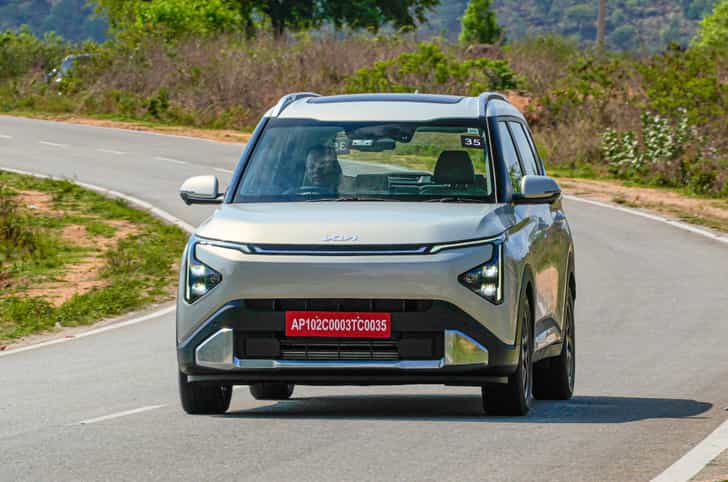
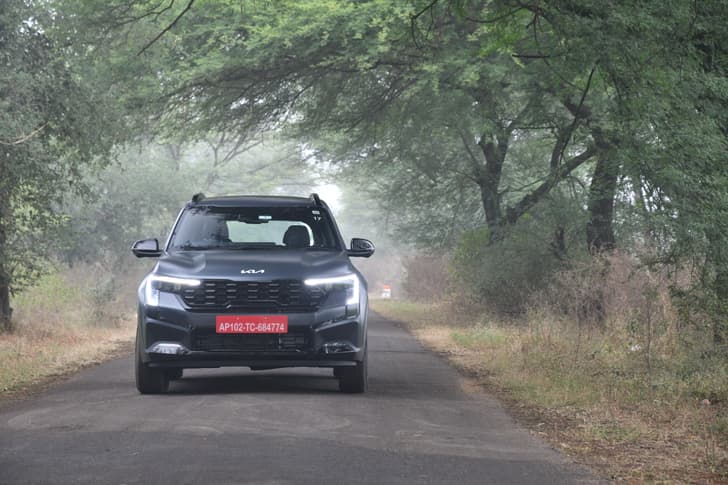
VehicleKia Carens Clavis
2d

I have a Honda BRV automatic that is now almost 8 years old. I installed an aftermarket CNG kit about 3.5 years ago because of my high mileage of around 2,000km per month, and it has helped immensely. The urge to upgrade is growing, although the options I am considering are all in the Rs. 25-30 lakh bracket. The XL6 is cheaper, but I am not sure if it is a suitable replacement. Please advise.

Verified
1d

When you factor in inflation and how the segments have moved, a 7-seat SUV like the BR-V would cost Rs 25 lakh today, so your estimate is spot on there. The Maruti Suzuki XL6 is an excellent MPV, but might not feel like a sufficient upgrade from your BR-V in terms of size, space, quality and creature comforts. Plus, to match the running costs of your CNG BR-V, you'd have to choose a CNG version of the XL6, which is only officially available in a low-spec Zeta spec, and only in manual-gearbox guise.Our recommendation would be the Hyundai Alcazar diesel automatic. It's smooth, efficient and spacious, while also giving you the SUV body style with arguably greater road presence than your BR-V, and will thus feel like a proper upgrade. You will get a fully loaded variant for around Rs 26 lakh, which offers plenty of creature comforts and tech.If your budget is tighter than that, also consider the Kia Carens Clavis diesel AT. It costs a little less, and doesn't get you the SUV body style, but it's actually more spacious than the Alcazar, with the same efficient powertrain, and a similarly high-quality cabin.Overall, however, we feel the Alcazar diesel AT is the best bet for you.

VehicleHyundai Alcazar
VehicleKia Carens Clavis
VehicleMaruti Suzuki XL6

Popular discussions right now

Posted on: 24 Jun 2026