Latest questions answered by experts
I am planning to buy the top-end Hyundai Creta Turbo Petrol DCT variant. My daily running is around 50–100km, which adds up to approximately 25,000–30,000km annually. I am looking for a car that offers strong performance and quick acceleration, along with a comprehensive set of comfort and convenience features. Should I buy the current Creta Turbo Petrol DCT top variant or wait for the 2027 Creta? For context, I currently own a 2024 Maruti Suzuki Dzire Hybrid and a Volkswagen Virtus GT 1.5 TSI.
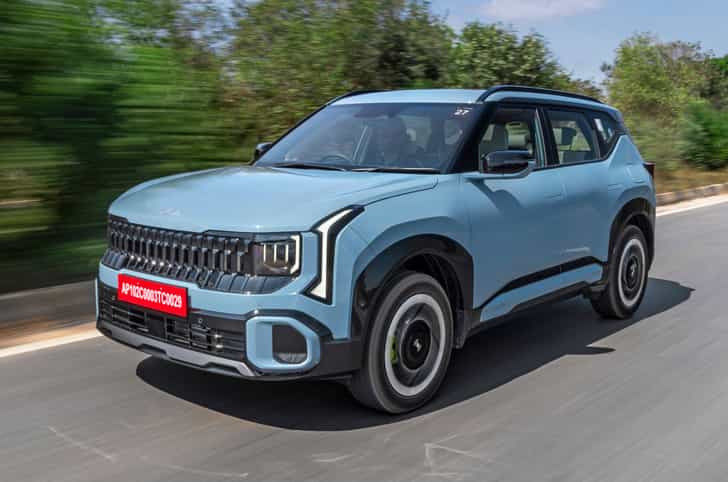
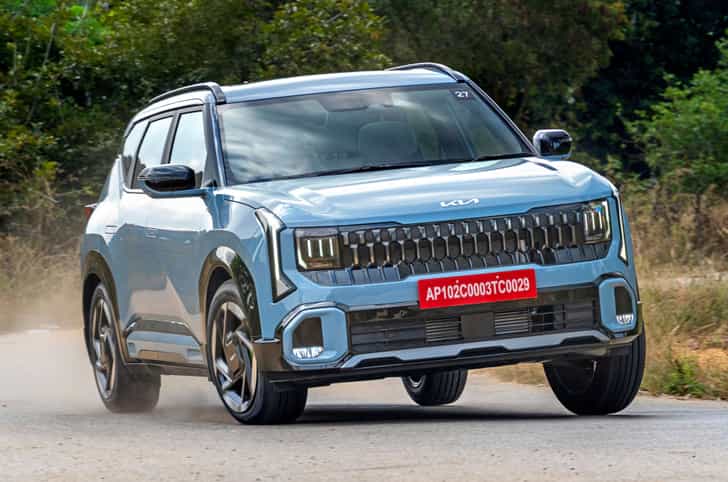
The 2027 Hyundai New Creta will be thoroughly updated inside-out, and it'll have more tech and features. If you don't mind waiting, it makes sense to get the 2027 new-gen model. Do note, its powertrain options are likely to be carried forward from the current version. If you can't wait, but still want the performance as well as the latest in terms of tech and features, consider the Kia Seltos turbo-dct instead, which packs in more or less everything the next-gen Creta is likely to offer.

Hi Autocar India Team, I’m planning to buy the Skoda Kylaq Prestige+ AT as my first car. Thank you for your advice on my previous question and for helping me with my purchase decision. I recently watched your AC torture test video from June 2026, in which you mentioned that an upgraded compressor, expected later this year, should improve the Kylaq’s cooling performance. I wanted to check whether this upgraded AC compressor has now been introduced in the Skoda Kylaq. Your clarification would greatly help me make an informed purchase decision. Thanks in advance!
Thank you for writing in and glad we could help. As for the Skoda Kylaq AC upgrade the current car has not yet received the new compressor that is in use in the Kushaq and the Slavia. It should happen at some point next year but for now there's not a definite timeframe that is known.
With reference to my previous query, could you please advise how the Mahindra XUV 3XO diesel-AMT compares with the XUV 3XO EV for a monthly running of approximately 2,000km, primarily on hilly roads (80% highway and 20% city driving)? Which would be the better choice within the same budget of Rs 9-14 lakh, considering running costs, performance, practicality and long-term ownership?
Do keep in mind that real-world efficiency will drop significantly in hilly regions, so factor the worst-case range of around 200- 220 km before making a decision. Despite that, if your daily commute is around 70- 80 km, and if you have a home charger, the Mahindra XUV 3XO EV could still be a good option. Not only will running costs be much lower than the XUV 3XO diesel-AMT version, but even the drive experience will be much smoother and far more seamless.
Upcoming launch buzz
Community discussions on upcoming launches
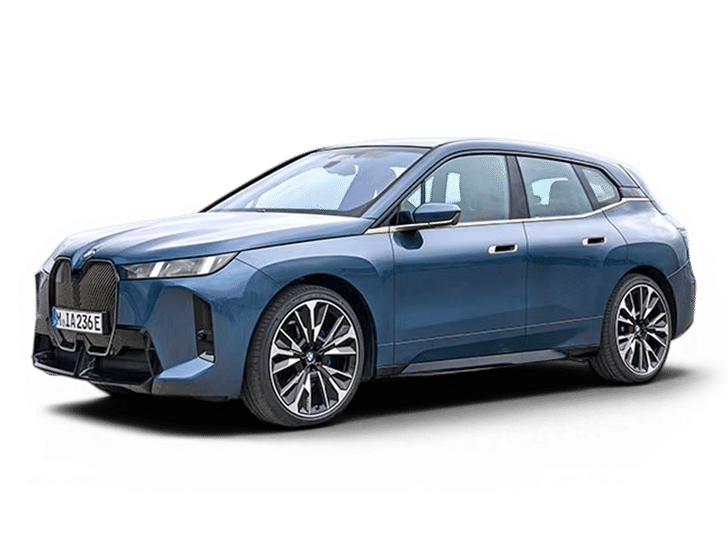
BMW
iX facelift
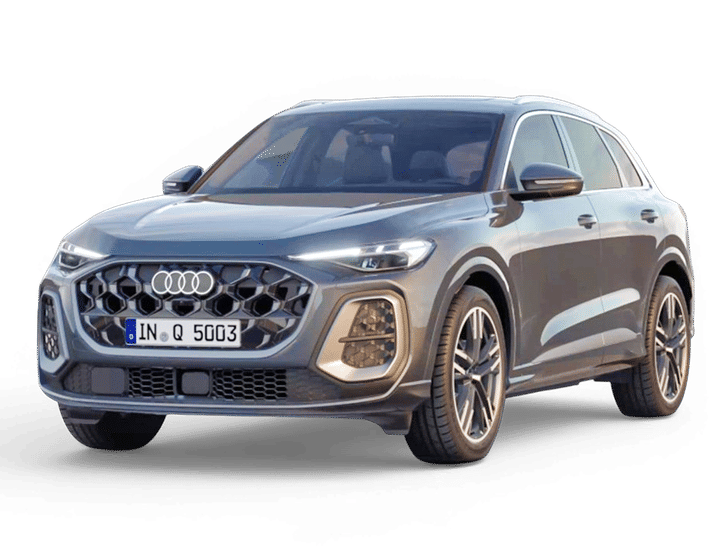
Audi
New Q5
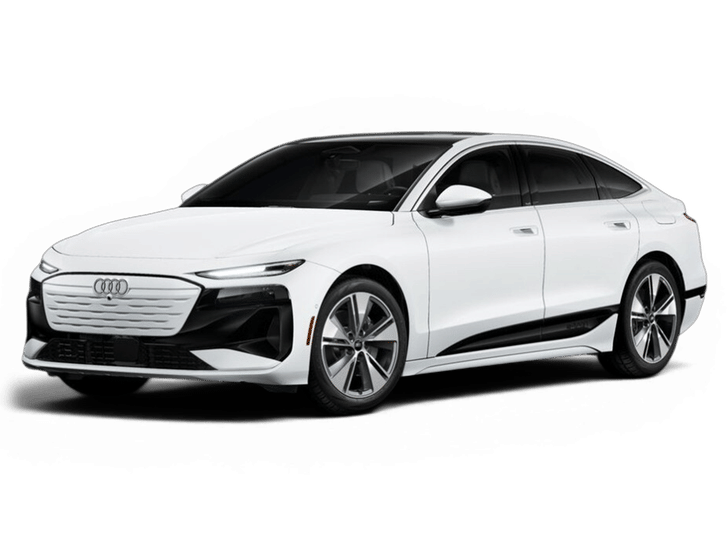
Audi
A6 e-tron
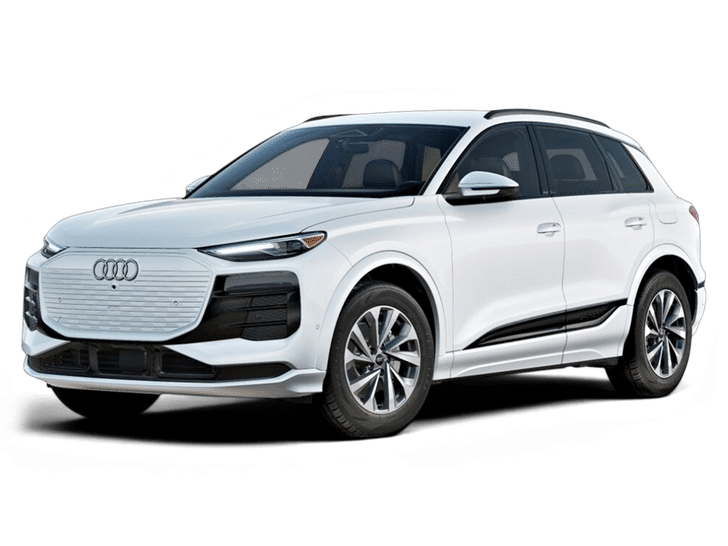
Audi
Q6 e-tron
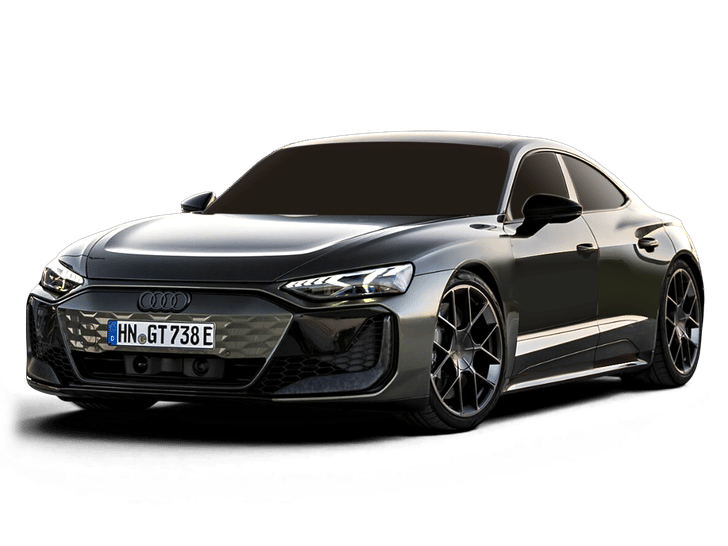
Audi
e-tron GT facelift
Volkswagen
Virtus facelift

Vinfast
VF5
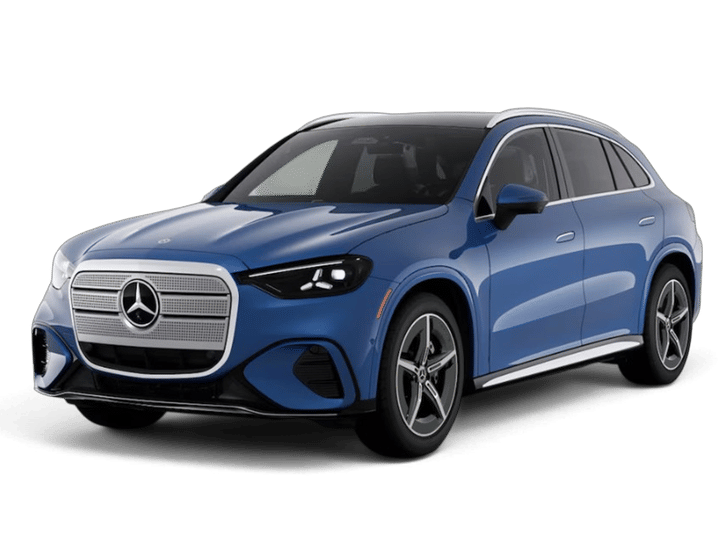
Mercedes-Benz GLC
Electric
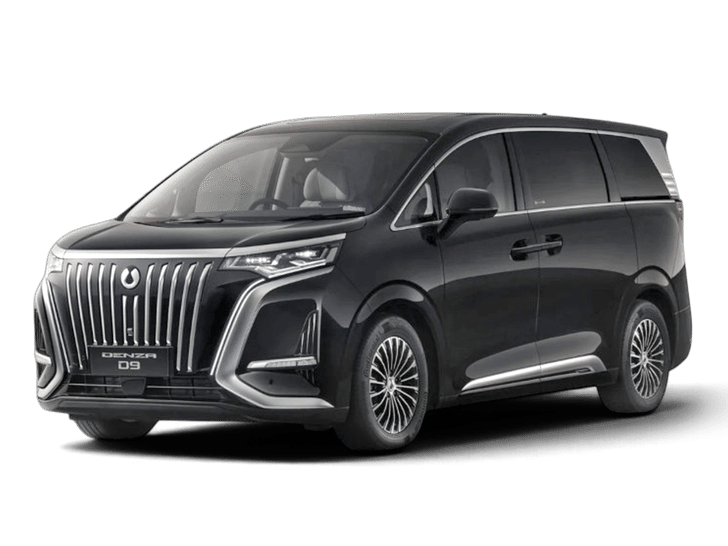
Denza
D9
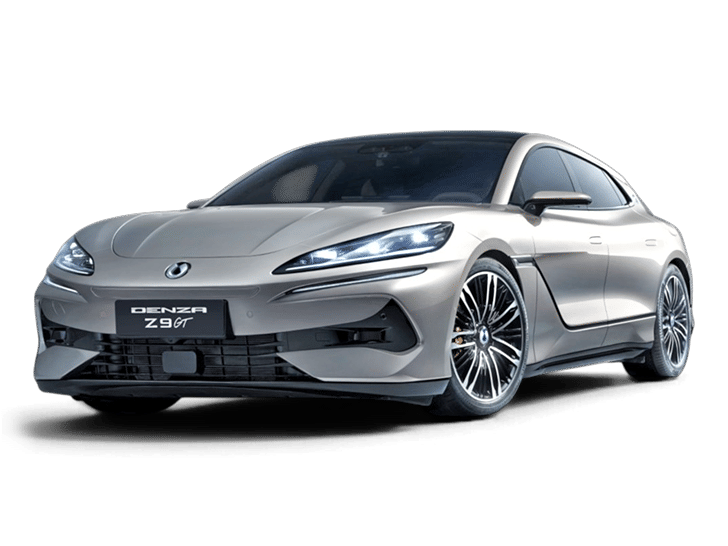
Denza
Z9 GT
I’m planning to buy a new car, and my annual running is around 40,000km, primarily involving highway drives and ghat sections. I have shortlisted the Kia Seltos Diesel HTX and the upcoming facelifted Toyota Innova Hycross ZX. I’m considering two approaches: either buy the Innova Hycross and keep it for the next 10 years, given its reputation for longevity and the expectation that its engine can last at least 4 lakh kilometres, or buy the Seltos, drive it for around 2 lakh kilometres over 4–5 years, sell it and upgrade to a brand-new Seltos or another car of a similar price and size. On paper, the Innova Hycross Hybrid seems like the better choice, considering its long-term reliability and features such as the Ottoman reclining seats. However, I’m concerned that I might get bored of it after four years or that it may start feeling outdated as newer technologies and features enter the market. This makes the second option appealing, as it would allow me to upgrade to a brand-new car every 4–5 years. Which approach would make more sense in the long run, considering my high annual running and ownership costs?
It seems like you're leaning towards the Kia Seltos Diesel HTX, and we think it is a good choice. The diesel engine feels adequately powered for highway usage and ghat driving, and it is likely to return respectable efficiency too. Moreover, despite being modern with all the latest tech and features, the Seltos will be substantially more affordable than the Toyota Innova Hycross hybrid. So unless you need the Innova's extra space, or you frequently travel with six or seven passengers, the Kia Seltos diesel is your best bet.

I'm planning to buy my first car, but I'm a little confused about which one to choose. Initially, I was considering sub-4-metre SUVs. I really liked the Skoda Kylaq, but the rear-seat comfort wasn't adequate for my family. I also checked out the Mahindra XUV 3XO, but the dealership has not been following up, and I noticed a few technical glitches during my experience with the vehicle. Next, I considered the Hyundai Venue HX8 DCT, but I'm concerned about potential DCT overheating issues, especially in Chennai's bumper-to-bumper traffic. I'm now considering moving up to the midsize SUV segment and have shortlisted the facelifted Honda Elevate VX CVT and Kia Seltos HTK(O) IVT. I haven't considered the Hyundai Creta because its next-generation model is expected to launch next year. I'd love to hear your suggestions on which would be the better choice, considering reliability, after-sales service, long-term ownership and suitability for city driving conditions.
If you have the budget, the Kia Seltos IVT would be the best option for your needs. The Seltos' powertrain with the naturally aspirated engine and CVT gearbox is superb for the city and compared to the Honda Elevate it is a lot more feature-rich and practical. Space is good, seats are comfy and the engine is responsive too. The Elevate brings Honda's reliability but misses out on space, practicality and features compared to the Seltos. As a first car, the Seltos has easy to drive manners and will be a good choice for you.
The Renault Triber has recently introduced a turbo-petrol variant. Is Renault planning to introduce an automatic transmission option for the Triber in the near future? Please share any updates on its launch plans.
Renault hasn't officially confirmed a timeline for the Renault Triber turbo-automatic, but we expect it to be launched soon. The seven-seater MPV shares its 1.0-litre turbo-petrol engine and 5-speed manual gearbox with the Nissan Magnite, and like its SUV sibling, the Triber too will be offered with a CVT automatic option.While the Triber is offered with a 5-speed automated manual transmission (AMT) with the naturally aspirated 1.0-litre three-cylinder engine, we'll strongly recommend you wait for the turbo-CVT for its added performance and smoothness, which is likely to deliver an effortless driving experience.
I’m planning to buy a seven-seater and don’t have a particular preference between an MPV and an SUV. I’ve been looking at the Hyundai Alcazar and Tata Safari petrol as options. I’d appreciate your advice on these cars.
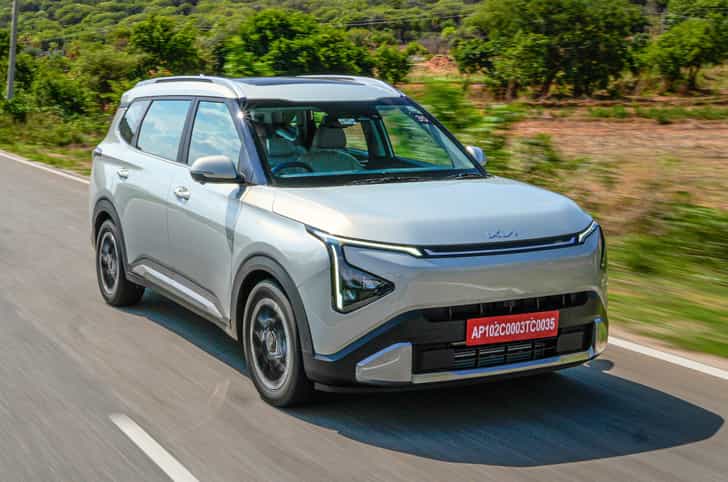
We would recommend the Kia Carens Clavis instead of your mentioned choices. Assuming the third row will be used frequently, the Clavis features better space and comfort compared to the Alcazar and Safari. The Clavis also has a better ride than both, and with three rows up, it has decent space behind the backrests for soft luggage. You also get a choice of powertrains between EV, petrol and diesel. Performance of the Clavis is strong even with three rows full, and being a Kia, the equipment and features on offer are very good. If you can stretch your budget, the Mahindra XUV 7XO is also a very strong choice. Gets a roomy cabin with a better third row than the Alcazar and Safari, and superb ride quality and engine performance. Both the petrol and diesel engines are powerful and refined, and it makes for a strong package.

I’m 62 and retired, with a budget of around Rs 10 lakh. My usage isn’t regular: I drive in the city about ten times a month and outside the city about once a month. A manual is also fine for me. Which car offers the best value for money?
For your limited usage, the Maruti Suzuki Swift is a safe bet. It is compact, gets Maruti's strong reliability and hassle-free nature, is easy to drive in the city thanks to its dimensions and drivability and is efficient too. The Z12 engine is smooth, fuss-free and zippy in the city, while the AMT gearbox takes out the stress of gear changes in traffic. The ZXI variant will fit in your budget and comes equipped with essentials like a reversing camera to make parking a lot easier in tight spots. The Swift also has light steering, comfortable seats, and the positioning of the seats also makes it easy to get in and out of. If you still wish for a manual, the light clutch and easy-to-slot gears will impress you. Overall, for your needs, the Swift is the best option.
Hi, I’ve owned a Ford EcoSport petrol automatic for the past seven years and am now looking to replace it. Most of my driving is in city traffic, with occasional highway trips. My budget is around Rs 20-24 lakh, and my priorities are safety, ride quality and a good infotainment system. I’m looking for a mid-size SUV. What are my options?
The Kia Seltos is a strong choice given your requirements and budget. The Seltos in its GTX (A) guise is extremely well-equipped, with a proven powertrain: a 1.5-litre petrol engine and CVT gearbox. It is smooth and easy to drive in the city with no jerks usually seen on automatic gearboxes. Since you are used to good driving dynamics from the Ecosport, you will also enjoy the Seltos as it has good handling manners. The ride comfort is also very good, and the infotainment is one of the best in the segment. In its GTX guise, you get the expected safety suite of 6 airbags and electronics, but also Level 2 ADAS. Overall, as a package, the Seltos would be our top recommendation.
Should I consider purchasing Renault duster hybrid as a first time buyer? My primary requirement is decent mileage and long term reliability.
The Renault Duster hybrid is an impressive car but the hybrid variant only makes sense if you will be driving a lot more than average. If your annual coverage is over 20,000km and most of it is in the city, then the hybrid variant makes more sense financially. If the Duster is what you like, given its styling and presence, the turbo-petrol version would be better to go for. However, since mileage is a strong priority, we would recommend you to check the Maruti Suzuki Victoris instead. It is the same size as the Duster, but offers better efficiency and comes with the reliability of Maruti. It is hassle-free, easy on the pocket and the vast service network and low part price also makes for a better case. The styling is not as bold as the Duster, but for your needs, the high mileage, easy-to-drive nature and reliability makes it a better choice.

I am planning to upgrade my 2021 Creta manual diesel with a more driver enthusiastic car that offers the best handling. This will be my daily commute car in smooth traffic run of around 50 km per day. I already own 2 EV cars as well as Innova Cysta for longer running. Can you suggest some possible sedans and SUV under Rs. 30 lakh?
Since driving dynamics are your priority, the updated Skoda Slavia would be a good option to consider. In its top-spec (Monte Carlo), the Slavia with the 150hp 1.5 TSI engine and 7-speed DCT gearbox would be a great choice as nothing in that segment matches the fun-to-drive nature of the Slavia. The engine has strong punch but is also refined to drive in the city. The gearbox is fast, responsive and genuinely fun and despite being a sedan, ground clearance is not an issue at all. The sedan style and suspension tune gives it fantastic handling manners. Another great thing about this car is its practicality thanks to a spacious cabin and a massive boot. Pair that with a good dose of equipment and the Slavia is easily the one for your needs. With the top-spec version around Rs. 24 lakh, it is also well within your budget.
I am planning to buy either Bayon or Creta under a budget of Rs. 15 lakh. Which car and what variant do you suggest?
Between the Bayon and Creta, we would recommend the Bayon since your budget is Rs.15 lakh. At this price, you can get a better equipped variant of the Bayon rather than sacrificing creature comforts. The Creta gets the same powertrain as the Bayon and is a bit larger in size. However, the wheelbase is almost identical and space in the rear is not too far off in the Bayon. Also, being a higher variant you get better equipment like auto climate control, reversing camera, keyless entry etc that make the Bayon better value. For the city, the naturally aspirated engine and CVT gearbox is well-suited. Another option to consider is the Maruti Suzuki Brezza in its automatic guise. It gets a smooth engine and gearbox along with a spacious rear seat and you can get the top-spec version in Rs. 15 lakh.
I am planning to buy the Thar Roxx Star Edition but test mules are dissatisfied with the new suspension setup. I already have a car and this would be my second purchase so I am in no hurry or there is not time constraint as of now. Therefore, I am ready to wait for a while. What do you recommend? Should I buy it now or wait?
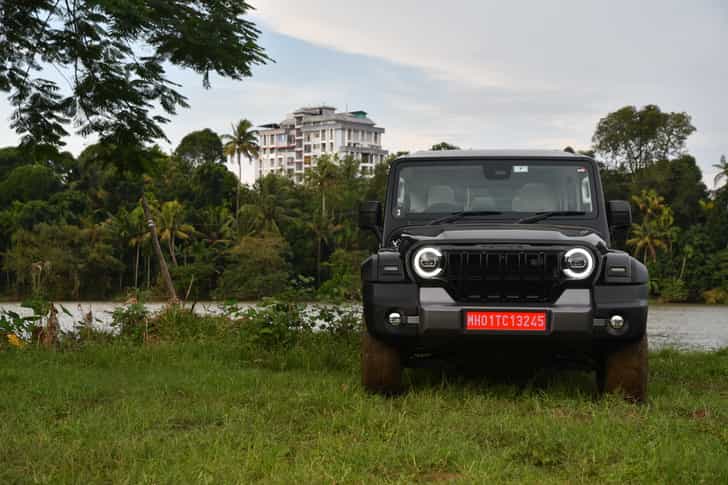
Since you don't have an urgent need for a car, we would recommend you to wait for the Roxx with the new suspension. We tested it along with the 3-door Thar OG and it is significantly different and has improved the ride comfort along with the handling too. The Roxx suspension is good over bad roads, but it still feels bouncy on the highway and the new suspension might just fix that issue making it a lot better. Our suggestion would be to wait for the update.
I am planning to buy a car under a budget of around Rs. 16 lakh. My annual usage involves 5 to 6 long highway trips and weekly 80 km of city rides. I have shortlisted Grand Vitara Delta AT and Brezza ZXi Plus 1.5 L AT. Which one should I go with?
We would recommend you to go with Brezza. Both of your choices have the same engine and gearbox so performance is not too different. The Grand Vitara is larger and has a slightly longer wheelbase, but it isn't a dealbreaker against Brezza which is also good in terms of space. Equipment wise, the Brezza will offer more like LED headlamps, a larger touchscreen, a 360 degree camera and more. Ride comfort and driving manners are similar on both cars and overall if the extra room isn't something you need, the Brezza makes a lot more sense in terms of value. Highway performance is also very good and while the boot on the Brezza is roughly 50-litres less, it is adequate for airport runs and getaways.
Need expert advice?
Ask the Autocar community and experts.