

My daily office commute is 70 km in total, and I have a solar power system at home. I am planning to sell my existing 2022 Hyundai E10. Should I choose the Tata Punch EV 40 kWh top model or the Kia Syros 42 kWh base model? I prefer Kia for its reliability, as I have concerns about Tata's poor service. However, the Kia base model does not offer a rear-view camera or a 360-degree camera.

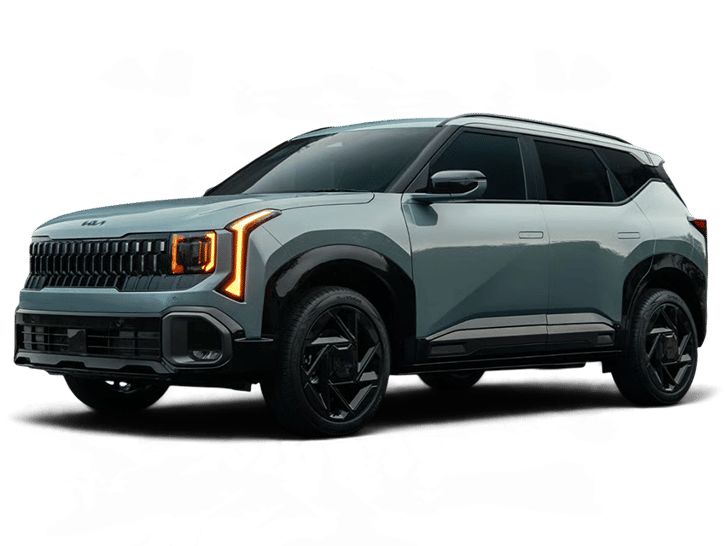
The Kia Syros EV 42kWh would be the better choice for your requirements. With a 70km daily commute and a solar system at home, an electric car makes perfect sense, and you'll recover the higher purchase price through lower running costs. Since you're already concerned about Tata's service experience, the Kia car is likely to give you greater peace of mind over the long term. Both the Kia and Tata come with comprehensive battery warranties, so battery life shouldn't be a deciding factor. The Syros also offers a more spacious cabin and should feel like a more grown up car to live with every day. The only drawback is that the base variant misses features like a rear parking camera, which is genuinely useful. If possible, consider stretching to the next variant that includes it. If not, check whether Kia offers an OEM-approved camera accessory or dealer fitment rather than opting for an aftermarket unit, as this is less likely to create warranty issues.
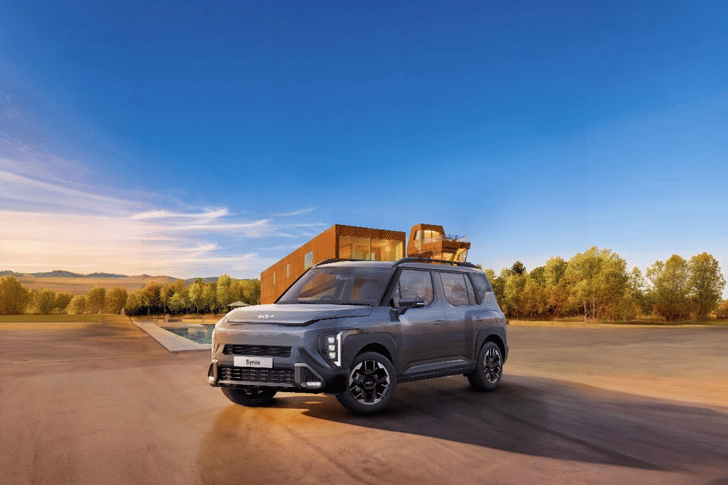
Kia Syros
Explore cars mentioned
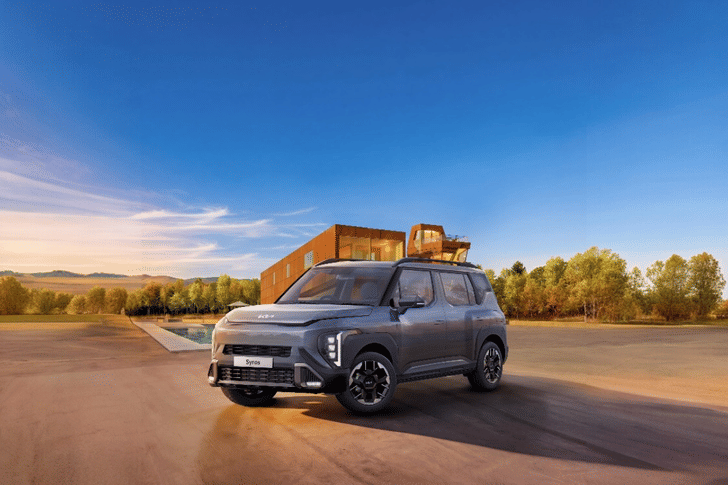
My daily commute is 180 km up and down, house is Solar powered with 5 kw should I go for punch ev 40 or syros ev htk
More posts on similar cars

Has E20 fuel affected your mileage?

Compare suggested cars


Is ADAS worth paying extra for in a car?
Popular discussions right now
Upcoming launch buzz
Community discussions on upcoming launches

Want to sell your car?
Sell your car at the right price, without the stress.
Expert reviews worth reading

Add a photo of your Punch EV
First sightings, real road conditions, delivery buzz

Posted on: 31 Jul 2026
