Autocar India
AP

Arghya Prasun Da

23w

I need to buy my second car purely for driving pleasure. Budget is within ₹25 lakh, and I definitely want an ICE petrol vehicle. Sedan, SUV, or MUV, anything works. Please advise.

Autocar India team

Autocar India

Verified
23w
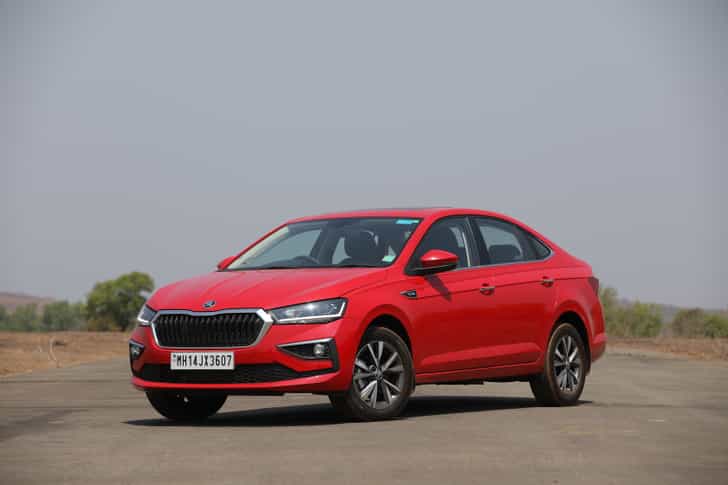
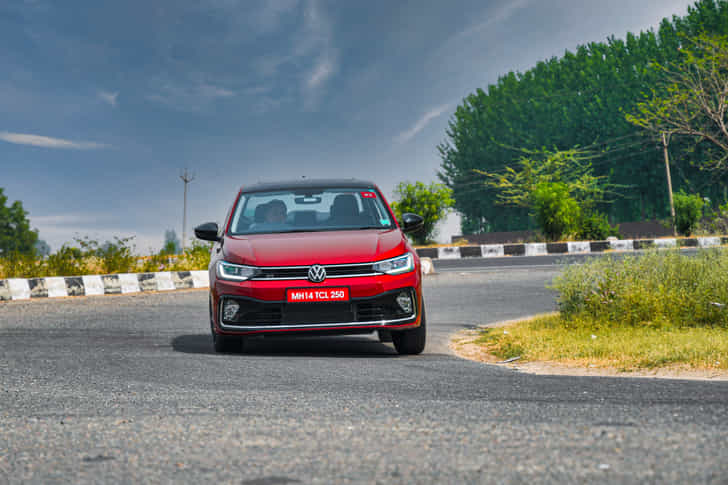
Since driving pleasure is your main priority, you’ll appreciate the dynamics of a sedan. Consider the Volkswagen Virtus or the Skoda Slavia, both powered by a punchy 150hp, 1.5-litre turbo-petrol engine.
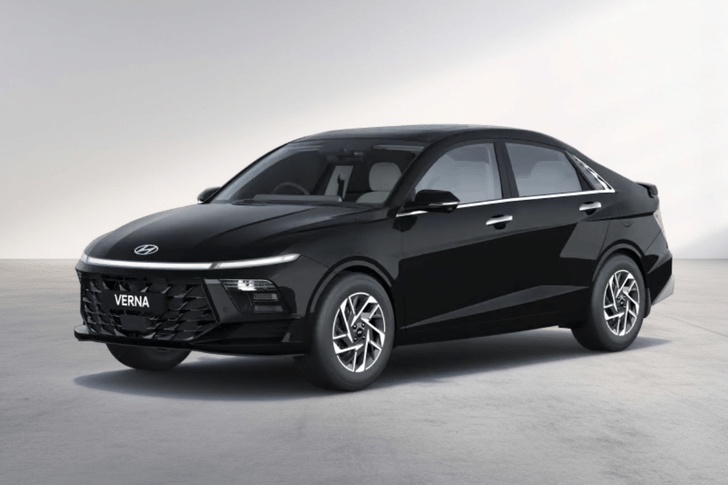
The Volkswagen does have the advantage of being available with a 6-speed manual gearbox, which will be more engaging to drive. Alternatively, you could consider the Hyundai Verna, which gets a slightly more powerful engine (160hp, 1.5 turbo petrol), but it isn't as dynamically sorted as the VW or Skoda.
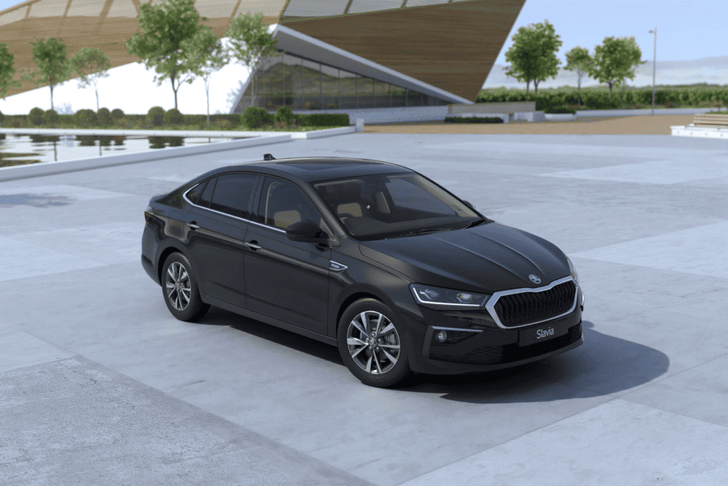
Skoda Slavia

Skoda Slavia

More questions on similar cars

KU

Kushagra

12h

I am planning to buy the Kia Carens 2026. My usage will be 6 days of city driving (100 km total) weekly, 1 day of highway driving (150 km), and an additional 500–800 km trip once every 3 months. However, I am confused about whether to go ahead with it, as the showroom salesperson is suggesting petrol due to DPF concerns. Currently, I own a 2017 Ciaz diesel, which has successfully completed 2.5 lakh km in 9 years.

Autocar India team

Autocar India

Verified
8h

Your usage is actually very well suited to a diesel engine. You are driving around 250 km a week, including a proper 150 km highway run, along with long 500-800 km trips every few months. This is exactly the kind of usage a BS6 diesel needs. Regular longer drives generate enough heat for the DPF to regenerate naturally, which is the key to avoiding issues.The concern raised by your showroom mentioned is valid, but only in specific cases. DPF problems typically occurs when the car is used only for short city runs or constant crawling traffic without any sustained driving. In such cases, soot builds up because the filter does not get enough heat to clean itself.In fact, even owners point out that diesel cars can throw warnings if they don’t get periodic highway runs for regeneration.Your pattern is the opposite. You are already giving the car exactly what it needs. Daily running plus a weekly highway stretch means the system will take care of itself without you needing to think about it.Now, coming to petrol vs diesel in the Carens. The diesel is clearly the better engine for your usage. This Kia car is more efficient and far more suited to a loaded 7-seater, especially on highways and ghats. Real-world efficiency is also significantly better, which matters over time. The petrol is smoother for pure city use, but it feels underpowered when fully loaded and will be more expensive to run.

VehicleKia Carens
PA

Partha

12h

Hi, I want to buy a large SUV (XUV, Scorpio, Safari) under ₹20 lakh, but I am concerned about petrol mileage. My driving is 40–50 km per day (city + highway), and every 3–4 months I take a 500 km trip. Should I buy a diesel car, and if yes, will it have any impact on the DPF?

Autocar India team

Autocar India

Verified
9h

Your 40–50 km daily running, plus periodic 500 km trips, is ideal for a diesel. These engines need consistent use and occasional highway driving to stay healthy, and you are already doing both. Issues with BS6 diesels usually arise only when the car is used for very short city runs or constant crawling traffic without ever getting a proper stretch.The DPF needs heat to clean itself, which happens during steady driving at moderate speeds or higher RPM. Short trips and low speed driving lead to soot build-up, but your usage naturally allows the system to regenerate. It also makes sense to choose diesel in cars like the Mahindra Scorpio N, XUV700 or Tata Safari, as the petrol versions are not very fuel-efficient.

VehicleMahindra Scorpio N
VehicleTata Safari
CV

Chhaya Vora

16h

Is the Seltos 2026 automatic petrol IVT worth purchasing for Mumbai traffic? I have heard that the 1.5 IVT lags. My monthly running is 500–600 km in the city.

Autocar India team

Autocar India

Verified
11h

Your usage involves low monthly running, mostly city, and heavy traffic. In this scenario, the Seltos IVT works in your favour. This is smooth, creep-friendly and very easy to drive in stop-go conditions. There are no jerks, no clutch fatigue and very light controls, which makes daily driving stress-free. In real-world use, this engine-gearbox combo is known to be refined and well-tuned for everyday driving rather than outright performance.Now about the “lag” you’ve heard. It’s not exactly lag, it’s typical CVT behaviour. When you accelerate hard, the engine revs rise first and speed builds gradually, which can feel like a delay. But in city driving, where inputs are gentle and speeds are low, this is barely noticeable. This Kia car only feels weak if you expect quick overtakes or sporty response. The upside is that Kia has tuned it well, so the rubber-band effect is limited compared to older CVTs.Compared to alternatives, the turbo petrol DCT version is quicker and more fun, but in Mumbai traffic it can feel jerky and less reliable in long term. The IVT is the safer, smoother and more relaxed choice. Compared to something like a Creta CVT, the experience is very similar, but the Seltos feels a bit more premium inside.

VehicleKia Seltos
VehicleHyundai Creta

Popular discussions right now

KY

Krishna Yadav

4d

I am planning to sell my Mahindra XUV700 and switch to the Renault Duster. I would like your expert opinion on whether this would be a good decision.

Autocar India team

Autocar India

Verified
3d

On paper and in real-world ownership, these are very different cars, and the Mahindra XUV 7XO sits in a clear segment above. The XUV 700 is a bigger, more complete SUV. It offers more space, better road presence, stronger performance and a far richer overall experience, including the option of a third row and a more premium cabin. It is designed as a proper family SUV and feels more capable on highways and long drives.The Renault Duster, even in its new form, is a simpler, more driver-focused and lighter SUV. It will likely be easier to drive in the city and feel more rugged and straightforward, but it is still a step down in terms of overall size, features and cabin experience.So the decision really comes down to intent. If you are moving because you want something more compact, easier to use daily and less feature-heavy, then the Duster can make sense. But if you are expecting it to feel like an upgrade or even equal to the XUV700 in terms of space, comfort and overall experience, it will not.

VehicleRenault Duster
DE

Devakumar

4d

I have booked the Tata Sierra Adventure Plus petrol manual, but I am now confused between the petrol and diesel manual variants, particularly in terms of mileage and performance. I am not interested in an automatic transmission. My annual running is less than 6,000 km. Could you please advise which engine option would be more suitable for my usage? Additionally, I would appreciate any alternative suggestions for a spacious car with good mileage that fits my needs.

Autocar India team

Autocar India

Verified
3d

The Tata Sierra is a big, heavy car, and the petrol engine, being a naturally aspirated unit, feels just about adequate, especially once you load it up or hit the highway. The diesel, on the other hand, suits the car far better with its stronger low-end pull, making overtakes easier and long-distance driving far more relaxed.That said, with your low annual running of under 6000 km, the petrol still makes sense if your usage is mostly in the city. It will feel smoother, easier to live with and perfectly adequate for everyday driving, even if it lacks that effortless punch on highways.If you are open to alternatives for a better petrol manual experience, the Renault Duster with its turbo petrol engine is a strong option. It feels far more effortless to drive, while naturally aspirated options like the Kia Seltos or Hyundai Creta offer a more refined and effortless experience than the Sierra petrol.

VehicleTata Sierra
VehicleRenault Duster
VehicleKia Seltos
VehicleHyundai Creta
KS

Kunal Singh

6d

I am confused between buying the Tata Harrier Fearless Plus Dark Edition and the Kia Seltos GTX (A) diesel. My daily commute is around 60–70 km within Delhi NCR, and the car will be predominantly used in city conditions.

Autocar India team

Autocar India

Verified
5d

For 60-70km a day inside Delhi NCR and mostly city use, the Kia Seltos GTX(A) diesel fits your brief better. It is easier to live with in traffic and tight parking than the Harrier Fearless Plus Dark; it will use less fuel in the city, and Kia’s service network is usually more consistent. It's diesel and automatic work smoothly at low speeds, and while it doesn’t have the grunt of the Harrier’s diesel, it is adequate for city use. Fuel efficiency is also a tad better on the Seltos. On service and reliability, Kia’s 1.5 diesel and this automatic have been around for years, and owner reports are generally good, while Tata has improved, but feedback on service quality still varies across workshops.There are trade-offs. The Seltos does not feel as big or have the same road presence as the Harrier, and you will feel sharp bumps a bit more at low speeds. If you often carry five adults or do long highway trips, the Harrier’s extra space and heavier, more solid feel are a plus.Overall, for your daily city grind and focus on service, reliability and fuel efficiency, the Seltos GTX(A) diesel is the better fit.

VehicleKia Seltos
VehicleTata Harrier

Posted on: 8 Nov 2025