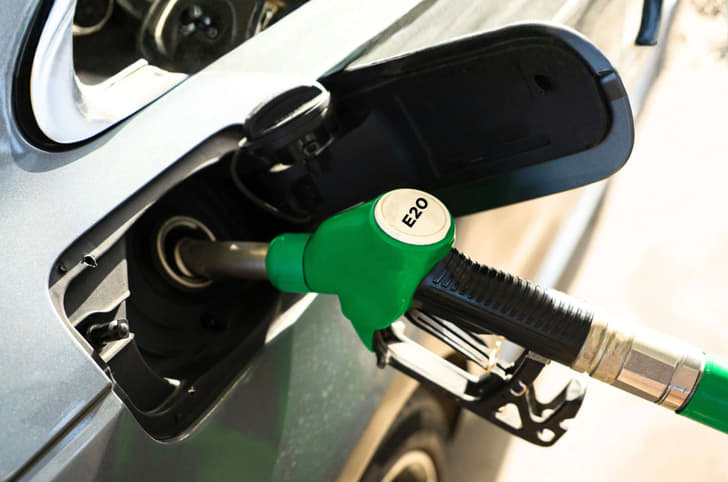
The African nation of Ethiopia is surging ahead with its plans for zero-emission travel, Alemu Sime, the country's Minister of Transport and Logistics, announced on January 30. “A decision has been made that automobiles cannot enter Ethiopia unless they are electric ones.” One of the major reasons for this decision is Ethiopia’s inability to afford importing gasoline due to limited foreign exchange resources, the minister said.
The country has become the first nation in the world to announce such a policy. This move puts the developing African nation one step ahead of many European countries, and even India's target for zero-emission mobility.
- Timeline for implementation of import ban unclear
- Lada, Kia, Lifan, Chery, Jack, VW, Hyundai and Nissan locally assemble models
- Opportunity for BYD, other EV makers to enter Ethiopian market
Ethiopia petrol, diesel vehicle ban
However, the new policy is unclear on when it will come into effect and it does not clarify whether vehicles in transit from overseas are subject to it either. In addition, whether this will affect carmakers such as Hyundai, Nissan, Isuzu, Lada and Volkswagen, who already have local assembly plants and produce ICE (internal combustion engine) vehicles and EVs, is also unknown. Most of these manufacturers import kits into the country and have them assembled at their respective joint-venture facilities.
Push for EVs and renewable energy
Along with reducing its dependence on imported fuel – the country spent almost USD 6 billion (about Rs 49,800 crore) on fossil fuel imports in the previous year – Ethiopia is also working on investing in its energy infrastructure, specifically, from renewable sources. Despite major barriers such as low income, an undeveloped car loan system and emerging EV charging infrastructure, the Ethiopian minister says it would be cheaper and easier to run EVs than ICE vehicles. The country’s ability to import oil and other raw materials has been exacerbated with a shortage of foreign currency.
“Electricity is produced in Ethiopia and again, the price of electricity is cheaper compared to fuel,” noted Sime. “Ethiopia is a supporter of green development, and it is a country that is working hard for that.”
In 2022, the ministry had implemented a ten-year plan to support the import of at least 4,800 electric buses and 1,48,000 electric cars, and also cut VAT, surtax and excise tax on EVs.
Potential for EV expansion
In a country where the total number of registered cars is just about 1.2 million (India had 326.3 million registered cars in FY2022), moving from ICE models to EVs would be considerably easier. In fact, considering that there is an emerging middle class from its total population of over 1.2 crore (Ethiopia is the second-most populous nation on the African continent), there is potential for EV markers to enter, especially with the incentives in place.
BYD has only just entered the market in November 2023 with East Africa’s first EV manufacturing plant, and other players, even Indian ones such as Tata Motors and Mahindra – who have and are developing extensive EV portfolios – could enter to their benefit.
 Autocar India News Desk
 Dhruv Dhaka
 Dipan Sur