
BMW is streamlining its product development strategy by paring its future global line-up down to just three core platforms in a bid to navigate the slower-than-expected transition to electric mobility. With governments retreating from ambitious 2035 all-EV targets and demand patterns varying sharply across regions, the German automaker is pursuing a dual-path strategy that keeps internal combustion engines (ICE) firmly in play while investing heavily in pure EVs.
“ICE and combustion will never disappear. Never,” said Jochen Goller, member of the board of management of BMW AG for customer, brands and sales, underscoring the company’s belief that electrification will coexist with conventional drivetrains in the foreseeable future.
Goller’s emphatic comment frames BMW’s strategy: Instead of betting on a single technology to define the 2030s, BMW is investing in multiple ones but simplified into a leaner, more scalable structure.
BMW future platform plan: The Three-Pillar Blueprint
Neue Klasse will be EV-only, the second platform will be ICE-only, and a third will be a multi-energy platform
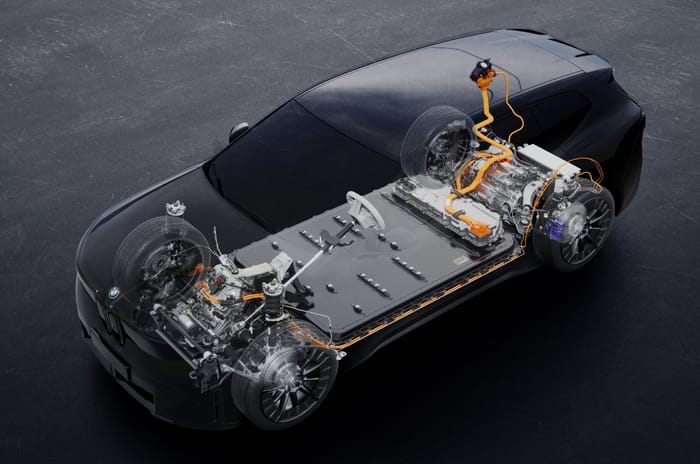
At the heart of BMW’s future product development strategy sit three distinct platforms or vehicle architectures.
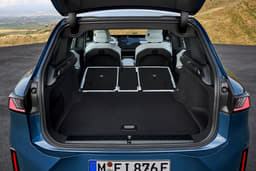
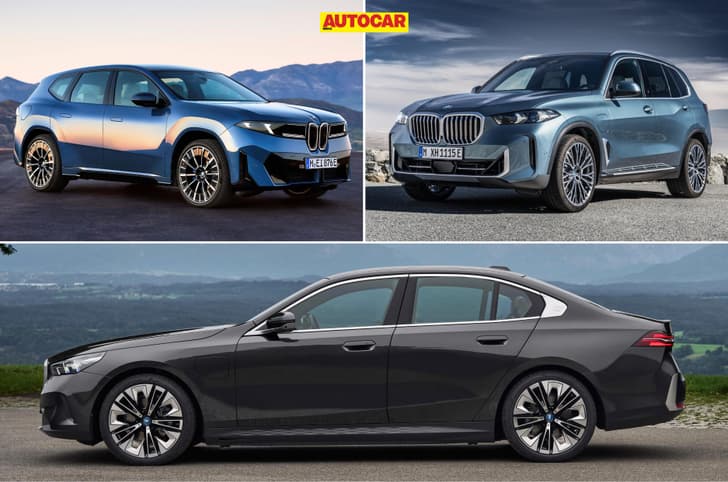
The first is the Neue Klasse, BMW’s much-hyped EV architecture, launched earlier this month with the new iX3 replacement. BMW has developed a ground-up battery-electric platform, free of compromises demanded by combustion packaging. Optimised for weight balance, aerodynamics and next-generation software controls, Neue Klasse is BMW’s flagship bet on the EV transition.
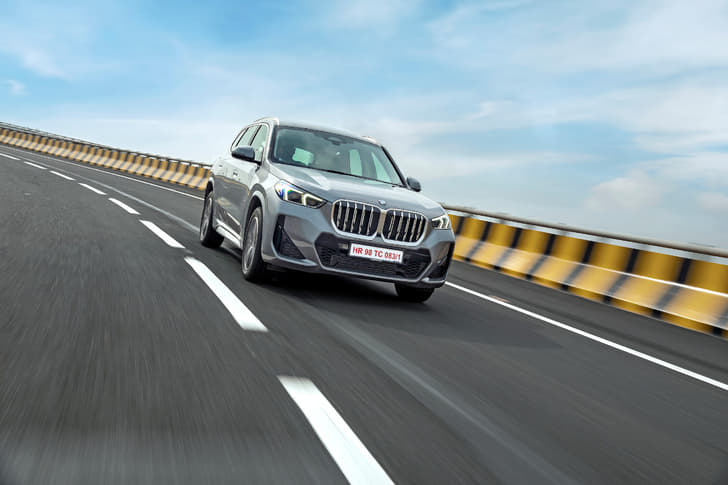
The second is a combustion-only platform dedicated to entry-level models. BMW acknowledges that across huge swathes of the globe, from India to the Middle East to parts of Eastern Europe, mass-market combustion models will remain essential for profitability – long after rich western buyers have made EVs their default.
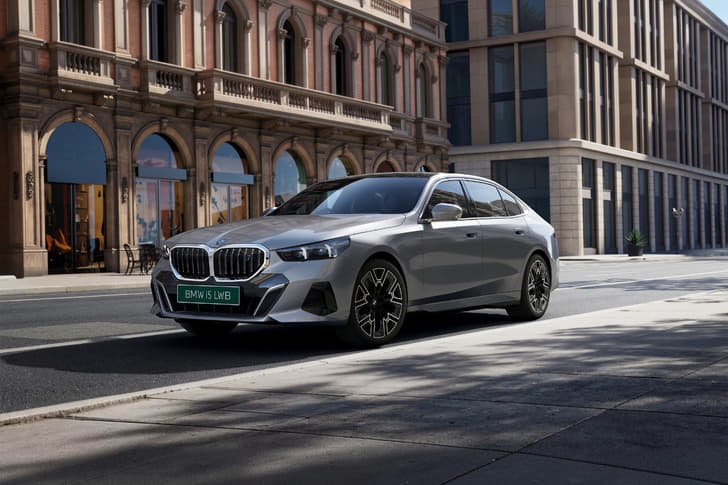
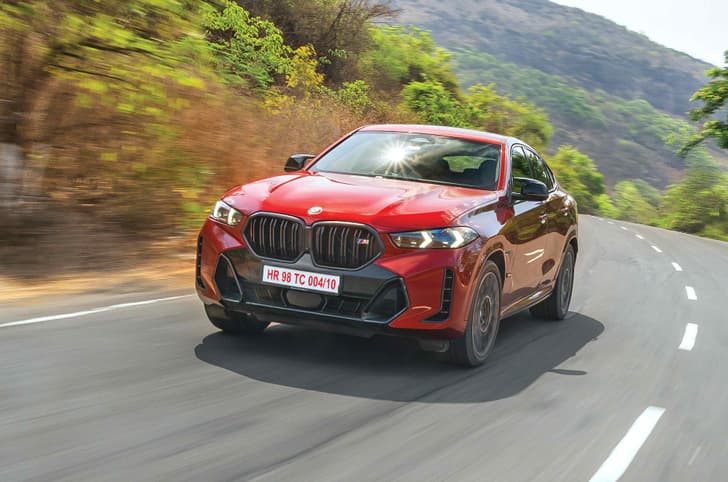
The third is a versatile, multi-energy platform underpinning larger BMW SUVs and sedans. These vehicles, by virtue of their size and dimensions, can accommodate both battery packs and combustion engines, making them the ideal candidates to switch between regional market demands. They will offer the flexibility to sell a fully electric X5 in Oslo, a plug-in hybrid in Japan or a traditional turbo-petrol in India from essentially the same platform.
BMW EV and ICE cars to be unified by design
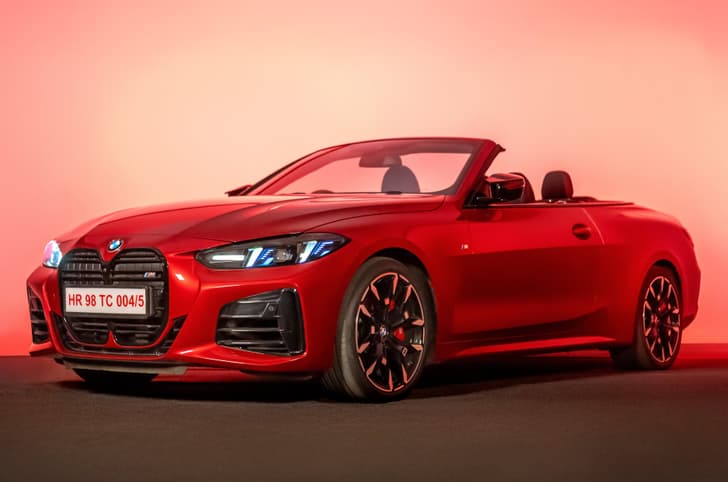
BMW cars will be unified by driving experience and design, regardless of propulsion power
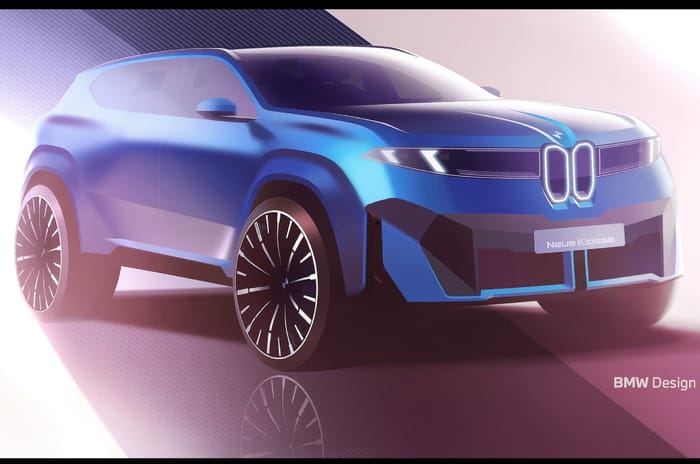
BMW’s approach contrasts sharply with Mercedes-Benz, which has differentiated EVs and ICE cars in design and platform philosophy. Taking a swipe at that decision, Goller argued, “You cannot design a car for EVs and another car for ICE,” insisting instead on a unified design identity across powertrains.
This design consistency supports something deeper: the preservation of BMW’s driving DNA. Central to this is a new software layer cheekily christened the “Heart of Joy” – an integrated control system that governs how the car reacts, steers and feels across every propulsion type. By unifying the driving experience, BMW promises that a Neue Klasse EV and a six-cylinder sedan will both still deliver the unmistakable dynamic character that has underpinned the badge for decades.
 Autocar India News Desk
 Dhruv Dhaka
 Dipan Sur