
Renault cars in India (7)
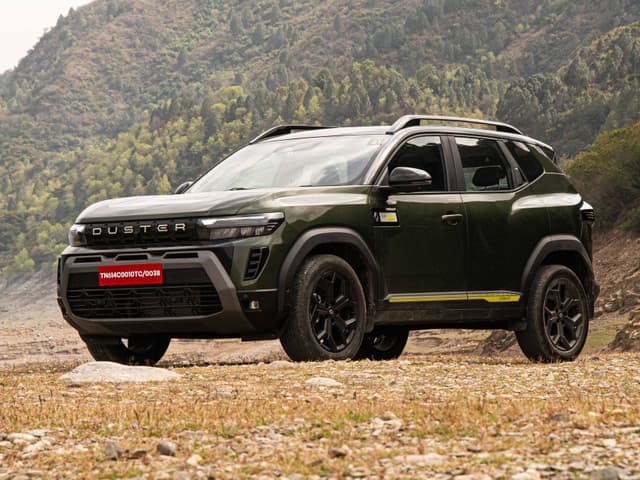
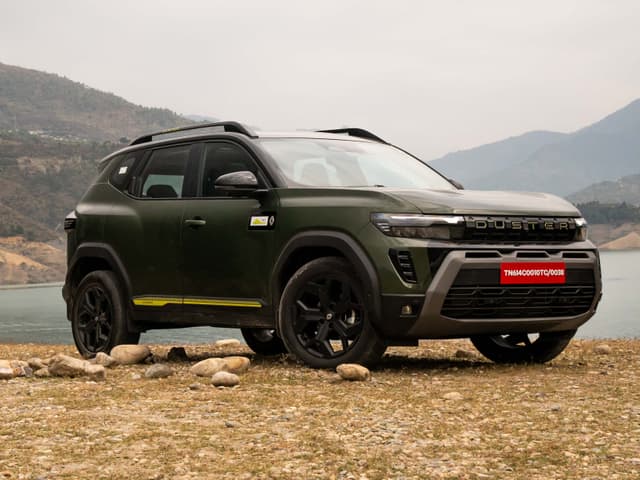
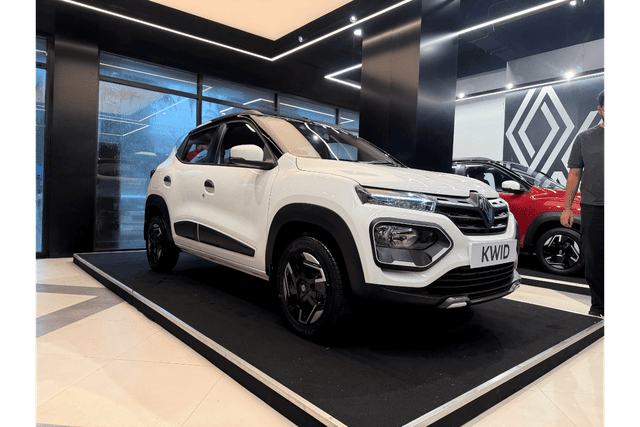
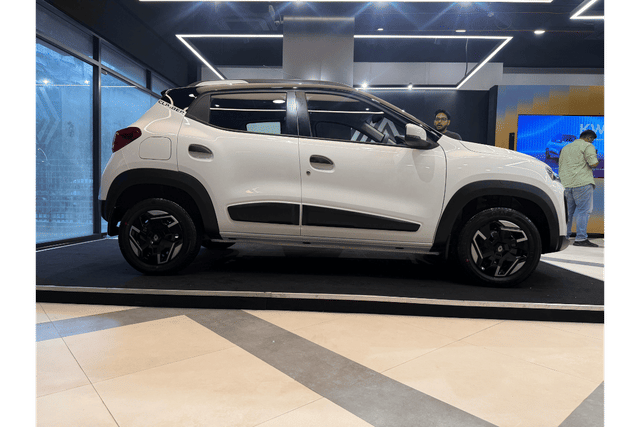
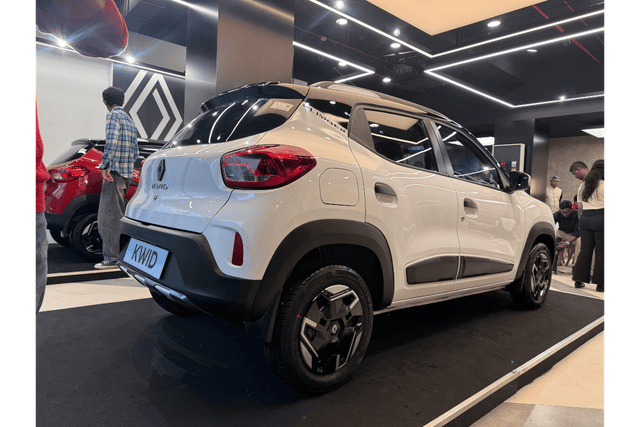
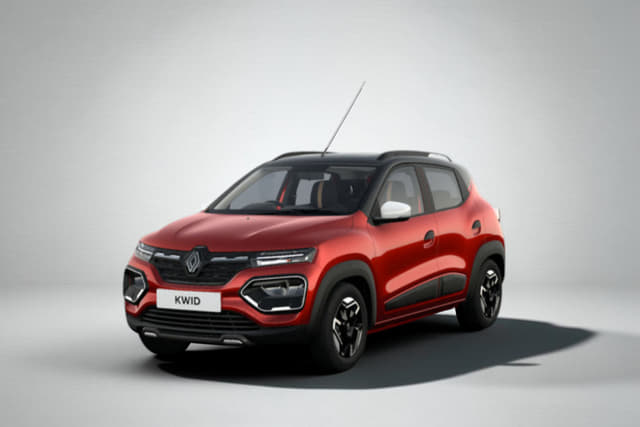
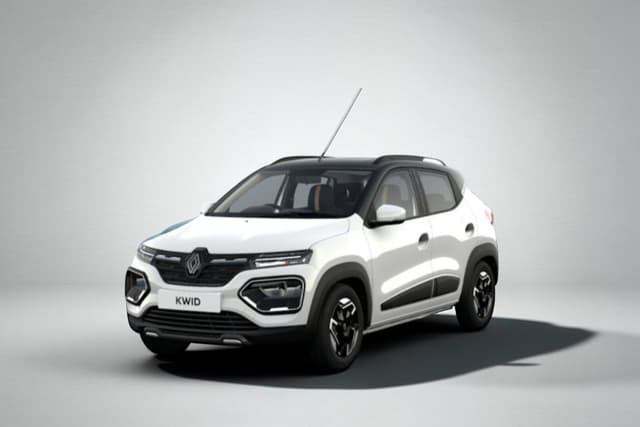
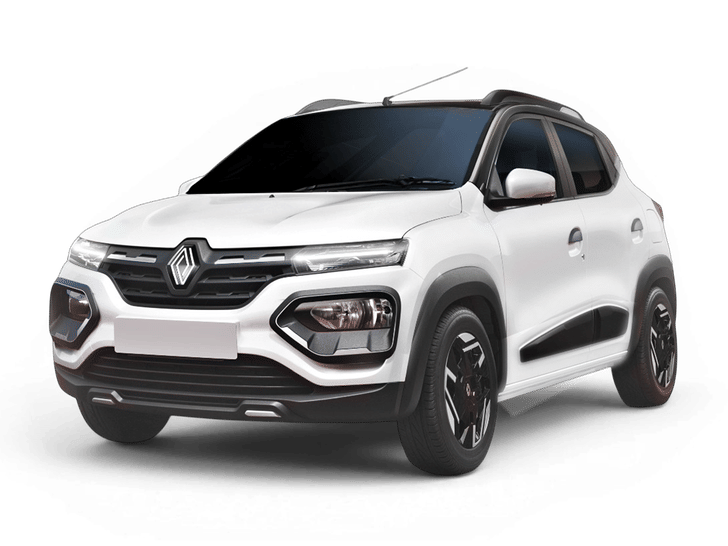
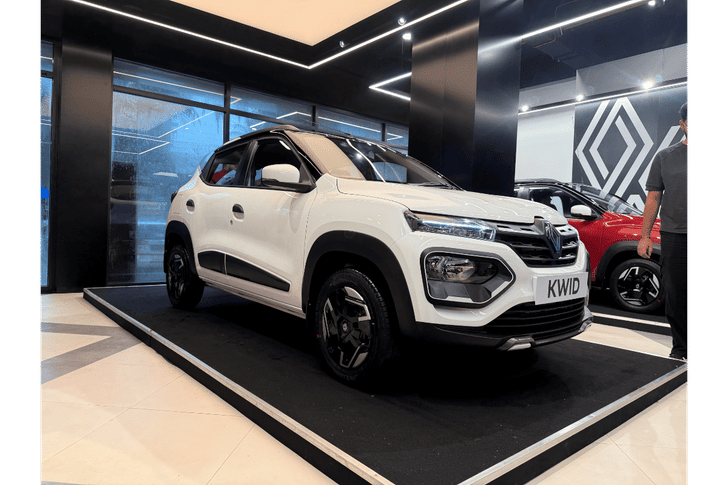
As of now, there are 7 Renault cars available in India, out of which 4 are available for sale and 3 are upcoming. The Renault car price starts at ₹4.30 lakh and goes up to ₹18.49 lakh. As of July 2026, the most affordable Renault car is the Kwid, while the Duster is the costliest.
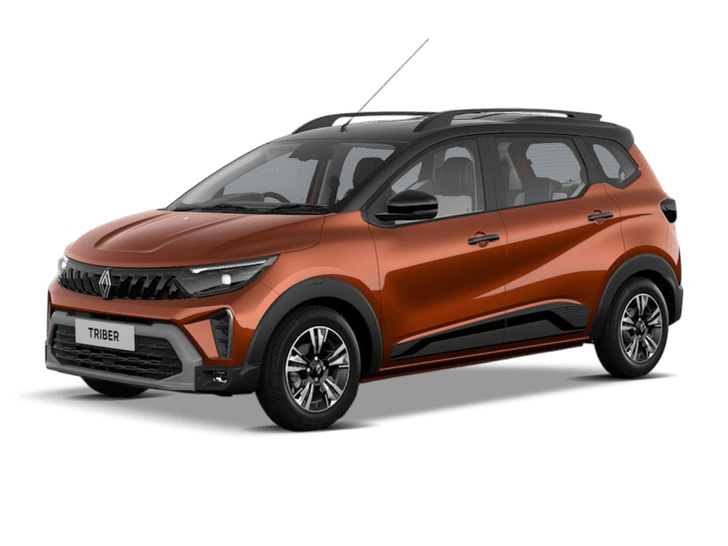
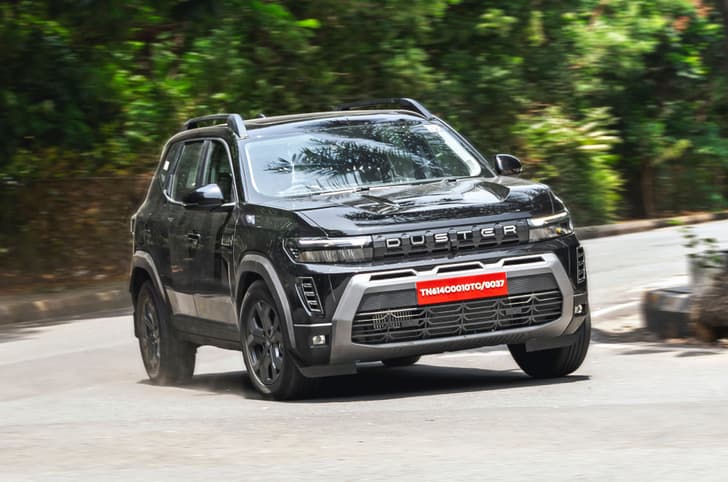
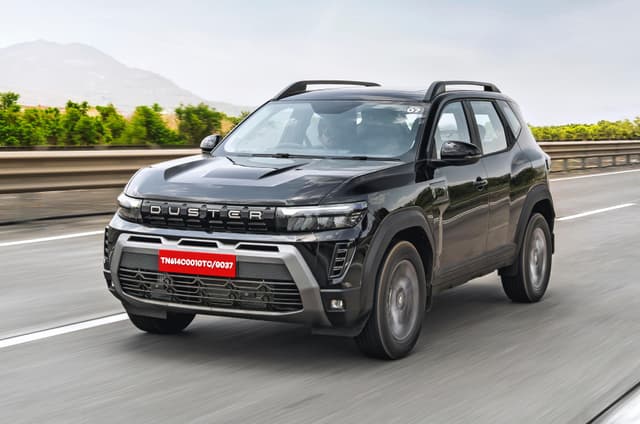
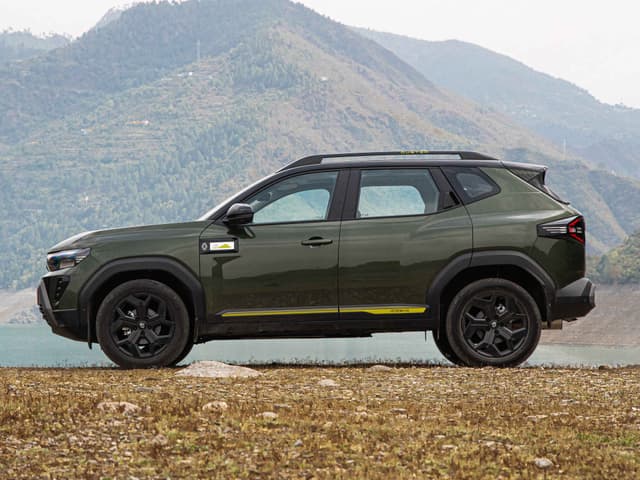
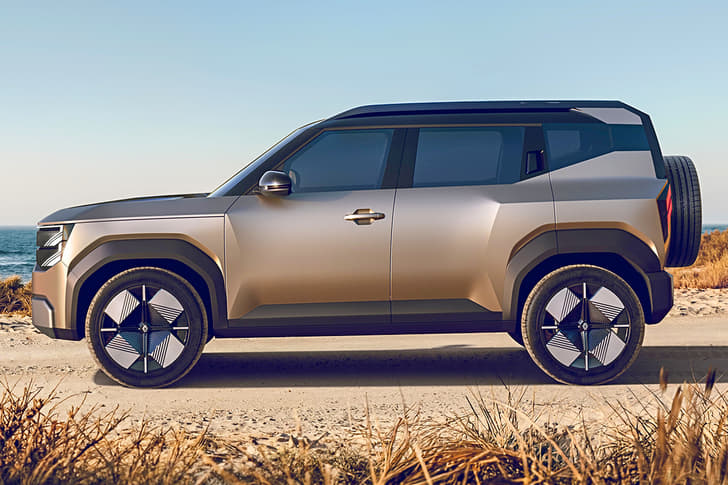
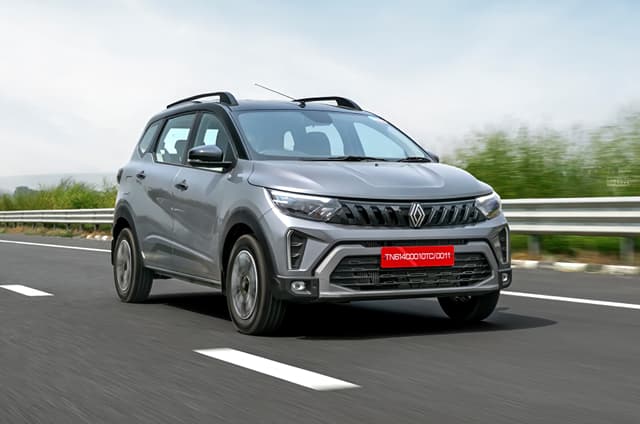
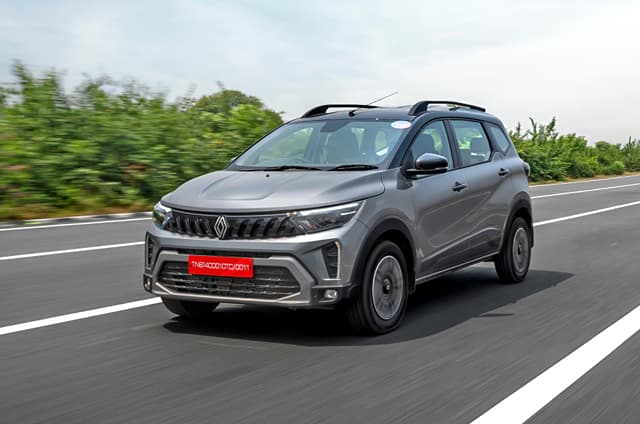
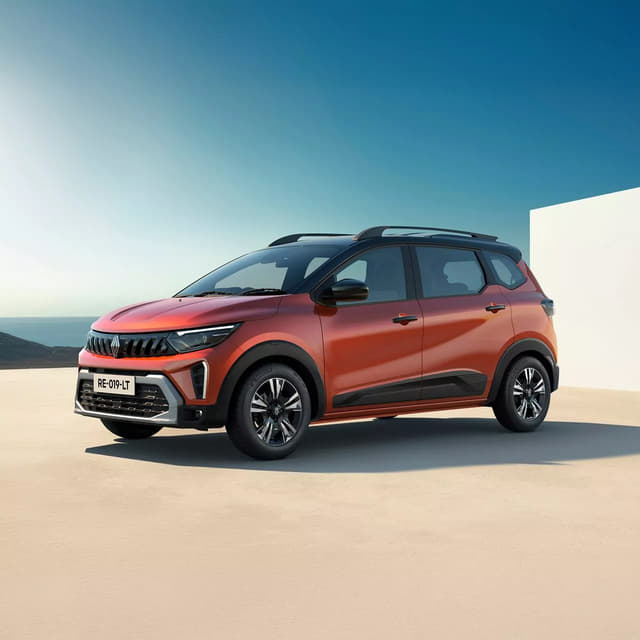
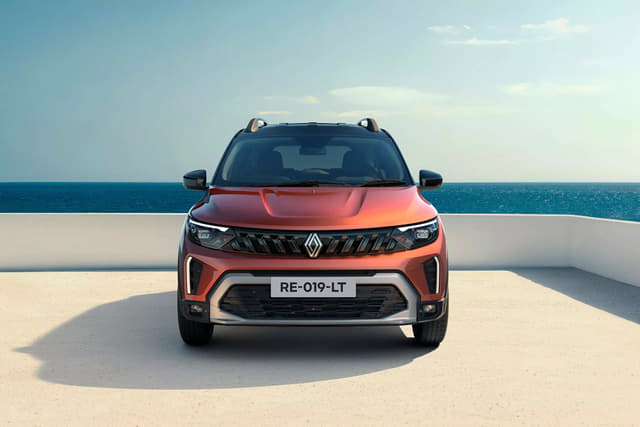
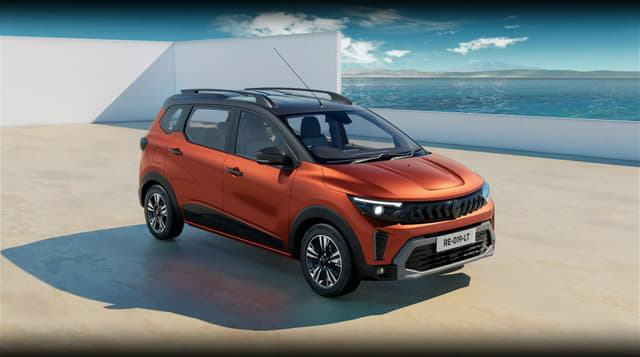
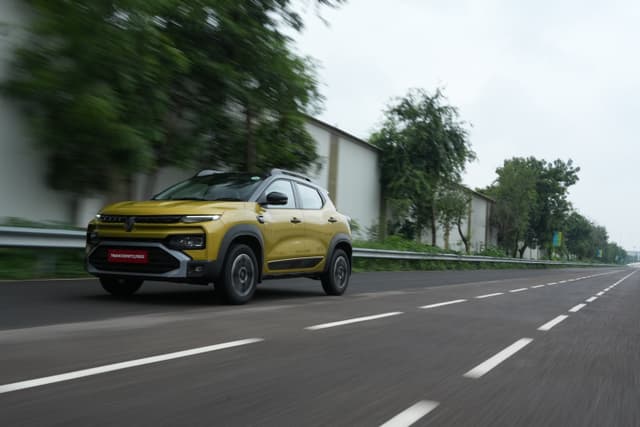
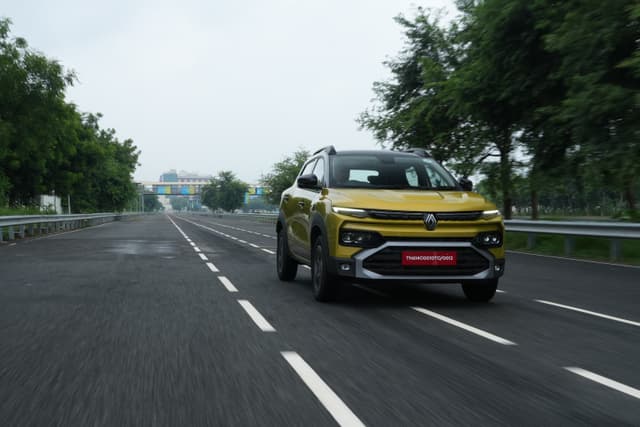
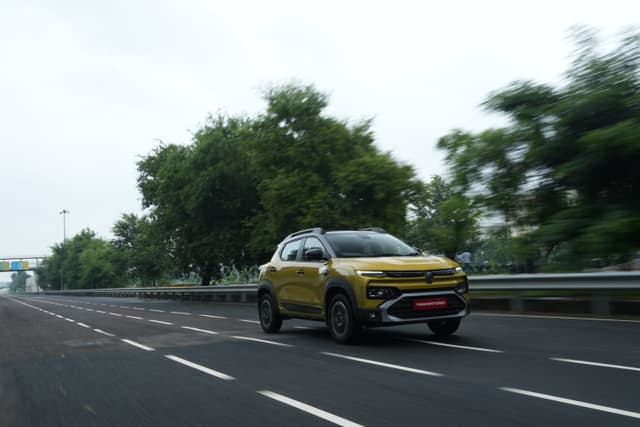
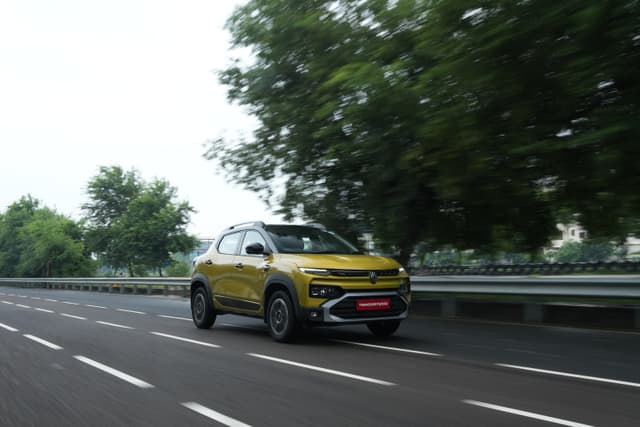
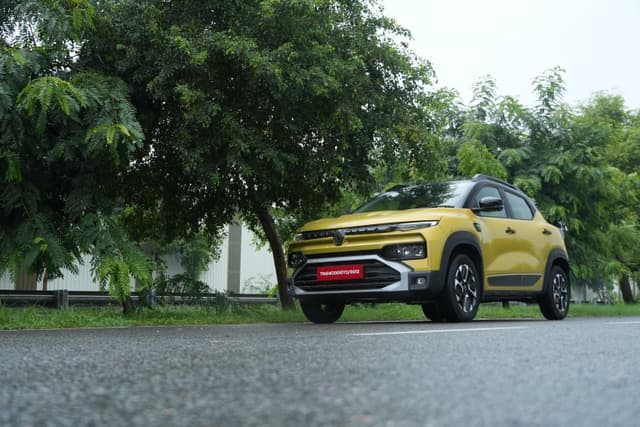
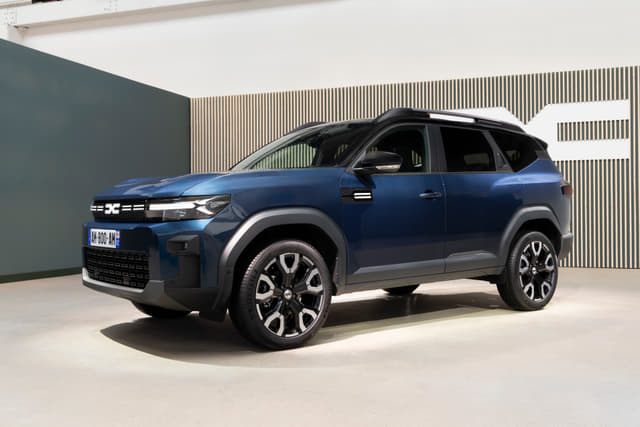
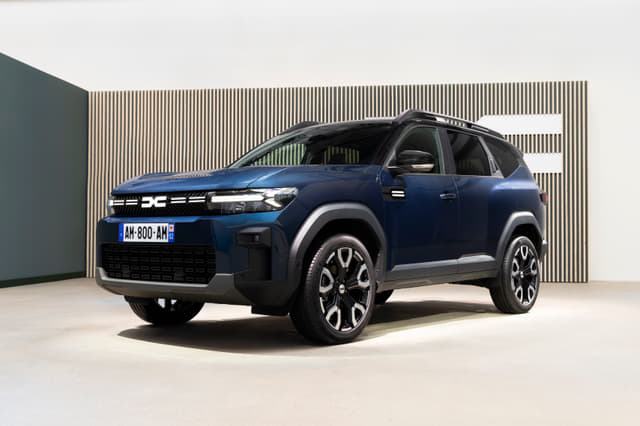
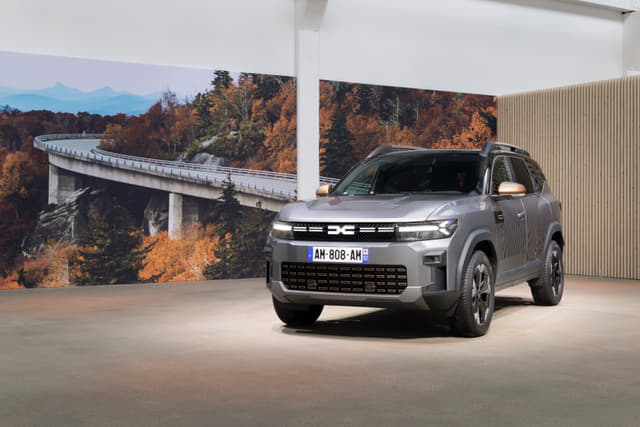
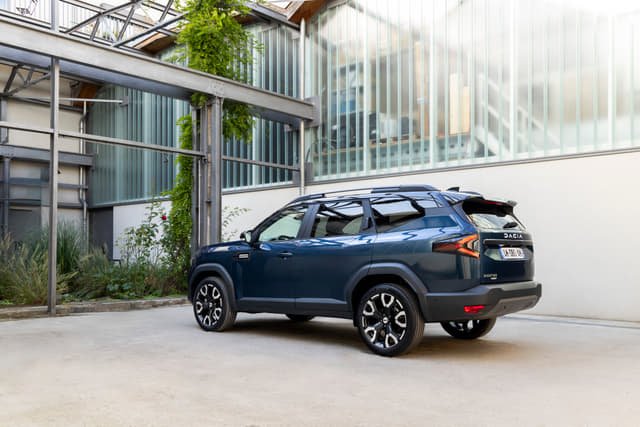
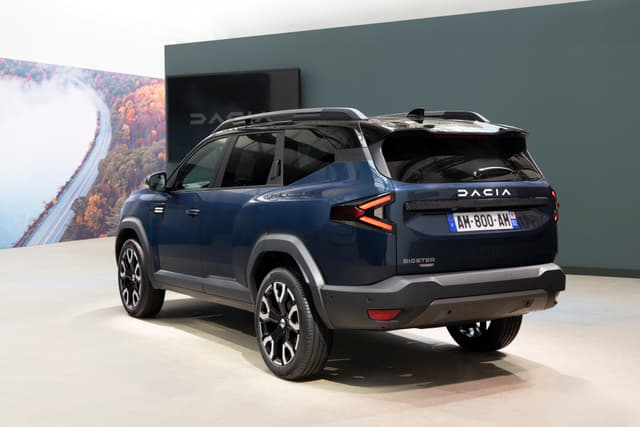
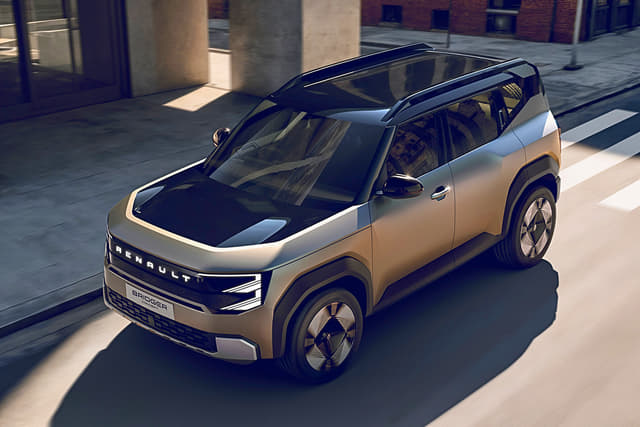
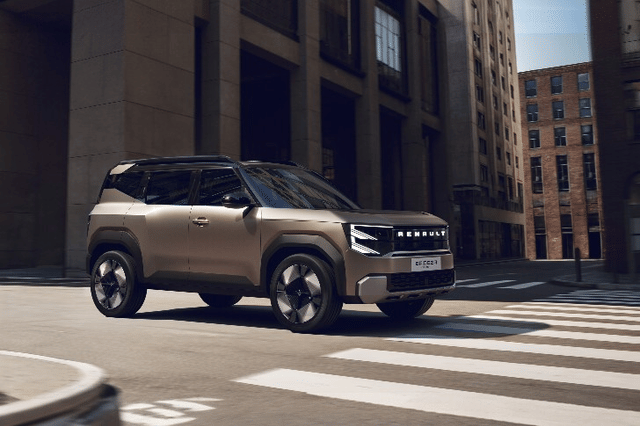
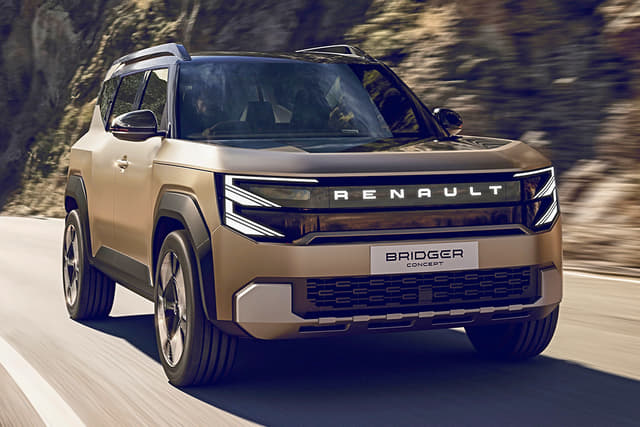
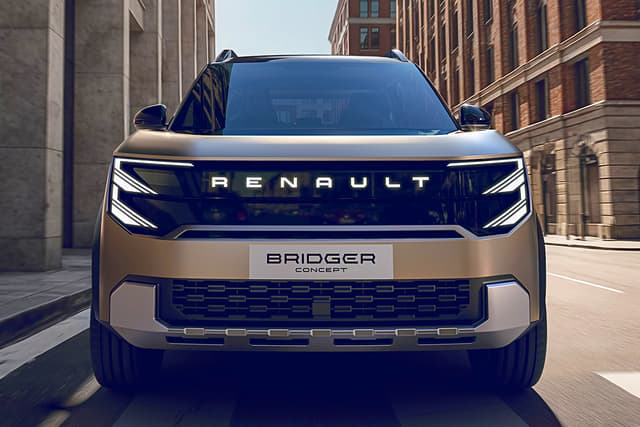
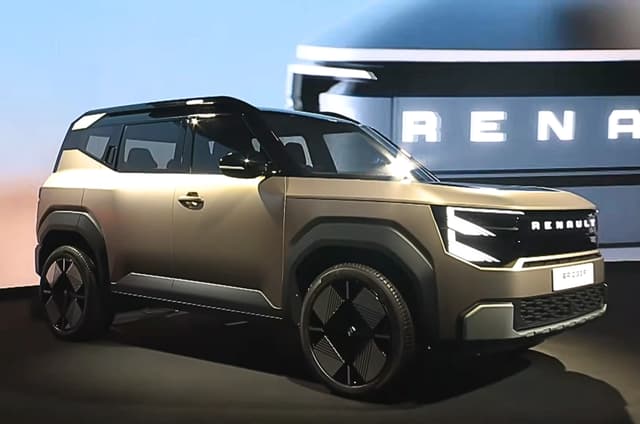
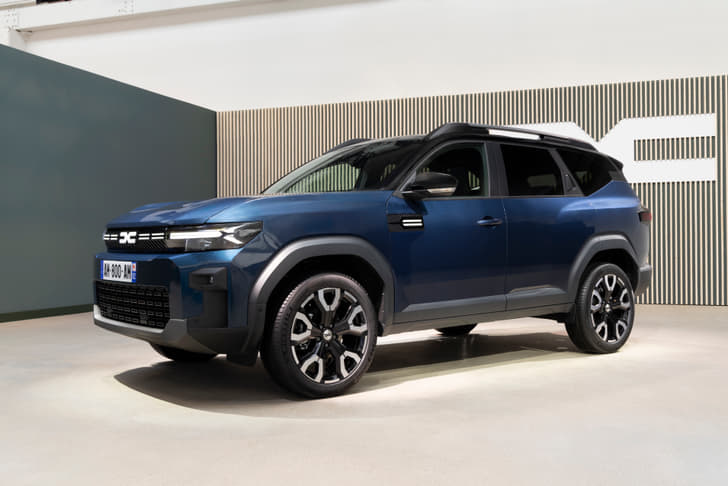
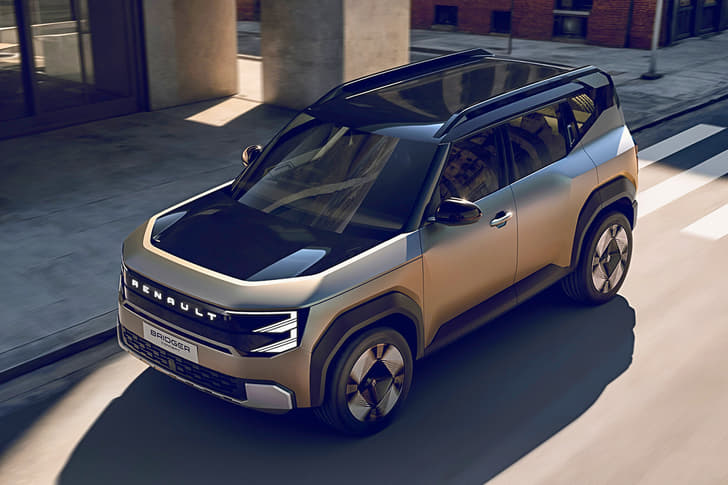
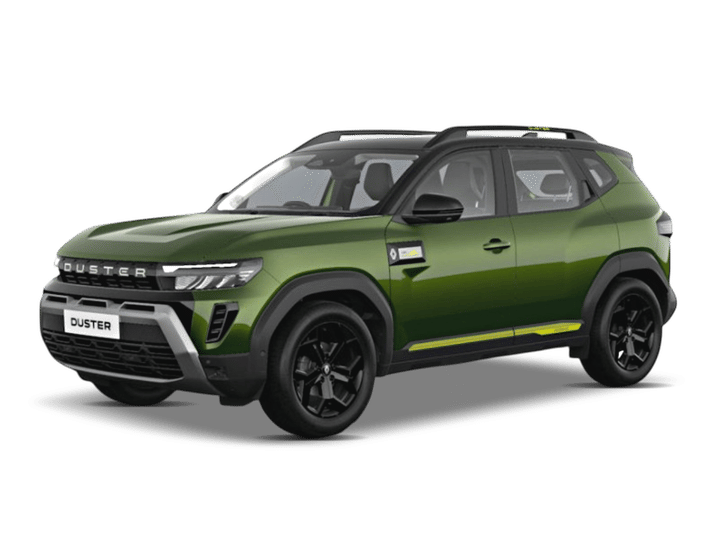
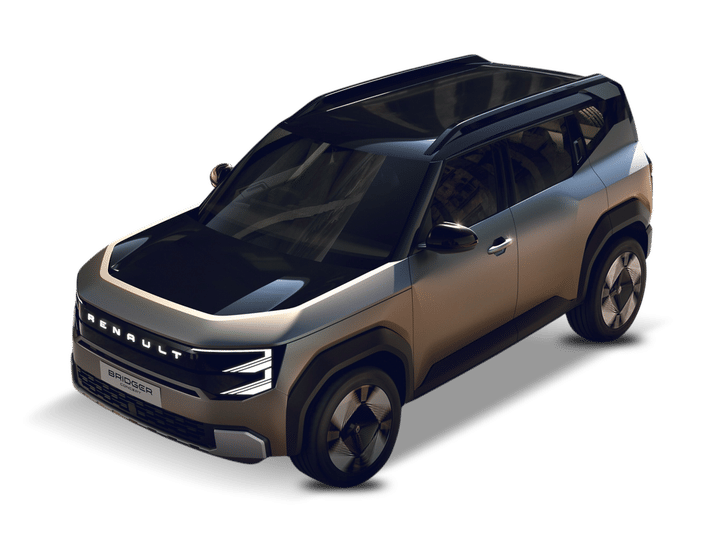
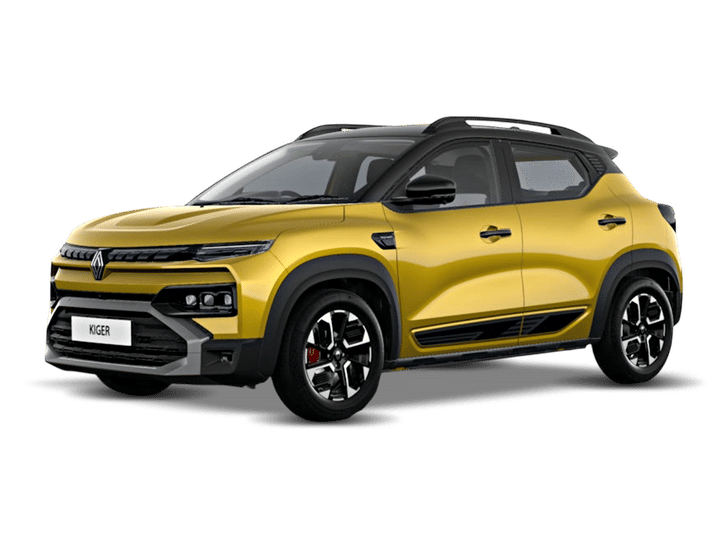
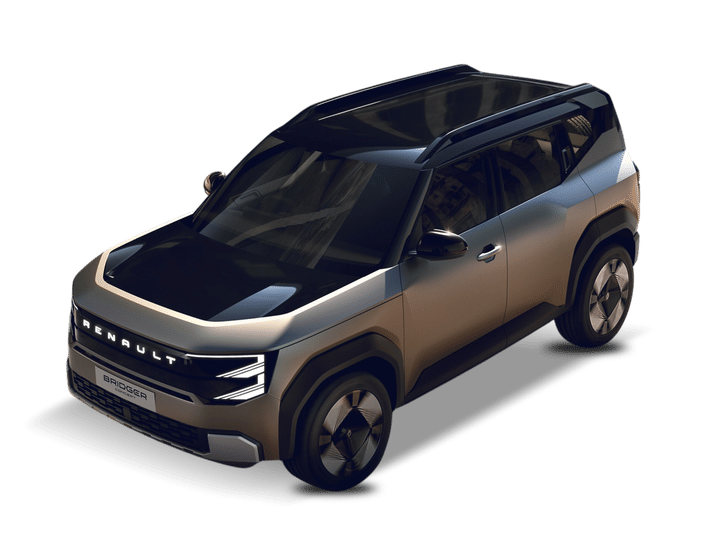
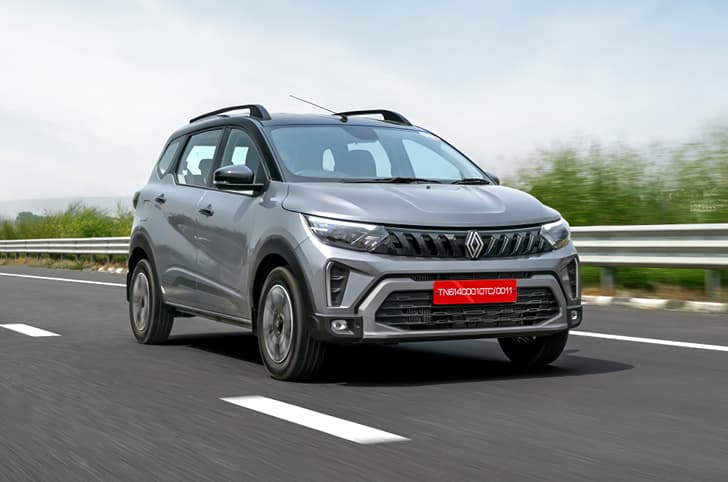
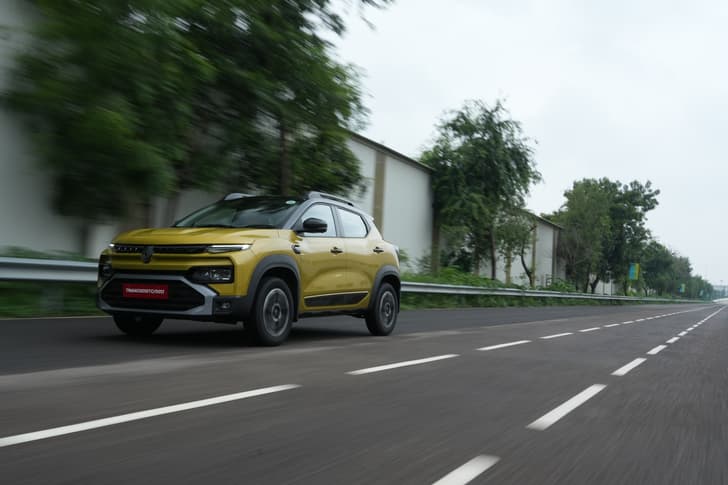
Renault cars currently available for sale in India are: Kwid, Kiger, Triber, and the recently launched new Duster. The current lineup includes: 5 SUVs, 1 hatchback, and 1 MPV. The Kiger and Duster are the only Renault SUVs on sale in India. The Renault new car launch includes the Bigster, which is expected to launch in 2026, and Bridger and Bridger Electric, expected to launch in 2027.
Renault Cars Price (July 2026)
Renault car price in India start at ₹4.30 lakh for the Kwid and goes up to ₹18.49 lakh for the Duster. View the latest and complete price list of all Renault cars available for sale in the table below:
Renault Car | Price (Ex-showroom) |
Renault Kwid | ₹4.30 lakh - ₹5.88 lakh |
Renault Triber | ₹5.76 lakh - ₹8.39 lakh |
Renault Kiger | ₹5.81 lakh - ₹10.34 lakh |
Renault Duster | ₹10.49 lakh - ₹18.49 lakh |
Renault New Cars
Only one Renault car is expected to launch in 2026, while two more are slated for launch by 2027.
- Estimated price: ₹14.00 lakh - ₹18.00 lakh
- Expected Launch Date: 2026
- Fuel Type: Petrol
- Body Type: SUV
- Estimated price: ₹7.00 lakh - ₹11.00 lakh
- Expected Launch Date: Late 2027
- Fuel Type: Petrol
- Body Type: SUV
- Estimated Bigster price: ₹13.25 lakh - ₹16.75 lakh
- Expected Launch Date: Late 2027
- Fuel Type: Electric
- Body Type: SUV
Renault Latest Updates (July 2026)
- March 17, 2026: Renault launched the new Duster at ₹10.29 lakh.
- September 22, 2025: Renault launches Kwid 10th Anniversary Edition at ₹5.15 lakh.
- August 31, 2025: Renault Kwid will get minor updates as sales drop in the small car segment.
- August 25, 2025: Renault Kiger facelift launched at ₹6.30 lakh with the same four trims, now renamed.
- July 23, 2025: Renault Triber facelift will start at ₹6.3 lakh, six years after its 2019 launch.
- July 11, 2025: New Renault Boreal SUV unveiled.
About Renault
- Start of operations in India: Renault is a French multinational automobile manufacturer. The brand entered the Indian market in 2005 in partnership with Nissan, and has a production facility in Oragadam, near Chennai.
- Competitors: In India, Renault rivals brands like: Maruti Suzuki, Toyota, Kia, MG, Skoda, Hyundai, Mahindra, etc.
- Renault models in India: Presently, 3 Renault models are on sale: Kwid, Triber, Kiger, and Duster.
- Renault electric car plans: Currently, Renault does not yet offer an electric car in India, but the brand has plans to launch Bridger Electric by 2027.
Find cars by body type
FAQs
The Renault car price in India starts at ₹4.30 lakh for the Kwid and goes up to ₹18.49 lakh for the Duster.
Currently in 2026, 4 Renault car models are on sale in India: Kwid, Triber, Kiger, and Duster.
The Renault SUVs that are currently on sale in India are the Kiger and Duster.
Yes. The Renault new cars list includes the New Duster and the Bigster (Boreal). These modes are expected to launch in 2026, respectively.
Yes. The only Renault 7 seater car that is currently available for sale in India is the Triber, priced between ₹5.76 lakh and ₹8.39 lakh.
Renault automatic cars that are available for sale in India are the Kwid, Triber, and Kiger.
Presently, Renault does not yet have an electric car in India. However, electric versions of the Bridger is expected by 2027.
No. Renault does not have a Renault 7 seater SUV in India. The only 7 seater available is the Triber, which is an MUV.
The Renault SUV price starts at ₹5.76 lakh and goes up to ₹18.49 lakh (ex-showroom). As of now, the only Renault SUVs available are the Kiger and Duster.
Renault vehicles are known for stylish design, fuel efficiency, practical interiors, and competitive pricing.
Trending Questions on Renault Cars - Answered by Autocar Experts
I am planning to buy a proper three-row diesel SUV, with a 6-seat configuration. I have shortlisted the top models of safari (ultra) and 7xo ax7L. Both have some advantages over the other in terms of features. I need expert feedback on driveability, driver comfort and overall comfort across all rows. I am thoroughly confused as to this decision. To add: This will be my second car. I have booked a Tiago EV for everyday office commute, and these will replace my Duster top-end diesel automatic. 7 seater I will use mainly with family on weekend trips and long trips Thanks in advance
Pick the Tata Safari 6-seat. It keeps the family happiest on long trips thanks to the comfiest ride and the most adult-friendly third row in this class. The suspension soaks bad roads, it stays settled at highway speeds, and the captain seats are wider with better thigh support. The third row sits a touch higher, has better recline and vents, so even two adults can manage a few hours without grumbling. Luggage space with all rows up is tight on both.Behind the wheel, the Safari is a relaxed mile muncher. The driving position is upright, visibility is great, seats are supportive, and the automatic is smooth. It is not the quickest to kick down, the engine is gruff and not as refined as the Mahindra, and there is some lag at low speeds, but on open roads, it cruises quietly. Coming from a Duster automatic, the ride upgrade is big.The Mahindra XUV 7XO AX7L is the sharper drive with a stronger diesel and snappier responses, and its ADAS feels better tuned. If you often climb hills fully loaded or love brisk overtakes, it makes life easier. For all-row comfort, choose the Safari.
My son in Bangalore wants to buy his first car. The budget is 8 lac all-inclusive. It has to be an automatic. But AMTs have a bad reputation for jerky gear shifts. What other automatic options does he have? He is open to pre-owned cars. Please guide.
Unfortunately, there are no new automatic cars that are not AMTs in that price range, and the closest you will get are the Honda Amaze or Hyundai i20, both of which use CVTs and cost around Rs 10 lakh on road. If the budget can be stretched to that much, they are both excellent options, albeit capped at low to medium variants because of your budget.Look at the same two cars; a pre-owned example and a 3-4-year-old one should fall within your budget. The CVTs' smooth shifts will make Bangalore’s bumper-to-bumper traffic a breeze, and you’ll find clean, low-mileage cars within Rs 8 lakh. They are both compact to park, with light controls, and service is not pricey, which helps a first-time owner.If he prefers a small SUV shape, look at a Nissan Magnite automatic or Renault Kiger turbo-petrol automatic. Both use a smooth auto, ride well on bad roads, and have good ground clearance for speed breakers. If you're willing to look at 5-year-old-plus cars that are in good condition, you could even get a midsize SUV or sedan. Whichever you pick, insist on full service records, get an independent inspection, and budget a little for fresh tyres and fluids so the first year is headache-free.
Hi Team, I am looking to upgrade from my 2018 Maruti Celerio X AMT to a bigger car under 4 metres. My budget is between Rs. 10 lakh and Rs. 14 lakh on-road. My usage is primarily city driving of around 20 km per day, along with an occasional 2,000 km round trip every four months. My priorities, in order, are: (1) excellent suspension and ride comfort, (2) spacious and comfortable front and rear seats, (3) strong build quality and safety, (4) a punchy engine with an automatic transmission, (5) reliable mechanicals for long-term ownership. I always buy the top variant, so please recommend the best options within my budget, irrespective of body style.
Pick the Nissan Magnite turbo petrol automatic in XV Premium (O). It rides comfortably over bad city roads, has a roomy back seat and supportive fronts, and the turbo gives easy surge for gaps in traffic and relaxed cruising on your 2000 km runs. It’s 5-star rated with a solid-feeling body, gets the key safety kit, and the top trim stays within Rs 10-14 lakh on-road in most cities. Running costs are sensible, and Nissan backs it with long warranty packs. The one compromise is that it doesn’t feel as heavy or plush as pricier rivals at very high speeds.Renault Kiger turbo petrol automatic in RXZ is the twin to the Magnite with similar strengths, a touch firmer ride, and a slightly nicer cabin feel. Choose it if Renault service is stronger near you.
My monthly running is 1000 kms in the city and 300 kms on the highways. I currently own a Creta IVT. It's a good daily rider, but I miss the joy of driving. I like Kushaq, but my family doesn't like the stiffness in suspension. I like the new duster too. I need a car to satisfy the thrill of riding and handling. Kindly suggest any existing or upcoming car for my needs. I'm ok to wait till next year too to get it right this time.
Since you're coming from a Creta IVT, it's understandable that you're looking for something that feels more engaging to drive while still keeping the family happy.The Skoda Kushaq remains the driver's choice in this segment. It has the sharpest steering, excellent body control and feels the most rewarding to drive. If outright driving pleasure is your top priority, it is still hard to beat.However, based on your requirements, we'd recommend the Renault Duster. In our comparison, it struck an excellent balance between ride comfort and handling. It feels composed and confidence-inspiring on a twisty road, yet its suspension is more forgiving over broken surfaces, making it a better fit for family use without sacrificing too much driver involvement.That said, we'd strongly recommend taking a test drive before making your final decision. No matter how good a car looks on paper, it's important that both you and your family experience it first-hand and make sure it feels right for your needs.
I own a 2017 Hyundai i20 Asta (O) with around 60,000 km on the odometer. I am planning to upgrade with a budget of Rs. 20 lakh. My priorities are an automatic transmission, ADAS, a sunroof and a powered tailgate. I have shortlisted the Hyundai Creta, Kia Seltos and Renault Duster. Which of these would be the best long-term choice, and why?
Pick the Hyundai Creta. It is the smoothest step-up from your i20 and the most complete long-term choice here, with a calm CVT automatic for city traffic, a comfortable ride, and Hyundai’s wider service reach and resale backing you over 8-10 years.The Creta gets ADAS on the top automatic trims, and you still get the big sunroof and all the tech you’d want. However, it does miss out on a powered tailgate, which the Duster gets. If you're okay with not having that feature, the Creta represents the best option here.
Wanted to buy an automatic car within a budget of Rs. 15 lakh on-road, with an additional Rs. 1.5 lakh available from my old car exchange. I have shortlisted the Honda Elevate VX CVT and the Renault Duster Revolution 1.3 CVT. My monthly usage includes 1,000-1,200 km of city driving and around 500 km of outstation travel. Please suggest which one I should choose, or recommend any other car in the same category and budget. My priorities are good headroom and a comfortable rear seat.
Pick the Honda Elevate VX CVT. With your heavy city running, its smooth CVT automatic, lighter controls and great visibility make everyday driving easier and calmer, and the cabin is spacious with a comfortable rear bench for two adults. It also rides well enough for your monthly 500 km outstation trips and should be more fuel efficient and easier to maintain than the Duster.The Renault Duster 1.3 DCT only makes sense if you really value the strong punch from its turbo engine and the robust suspension on rough roads. It is quicker and feels tougher on bad patches, but expect lower city mileage and a rear seat that is not as spacious as the Honda's.If you want one more to check in the same bracket, look at the Maruti Suzuki Grand Vitara 1.5 automatic. It has a comfy back seat, it's easy to drive, has decent mileage and will be stress-free to live with.
Which is the best value-for-money 7-seater car?
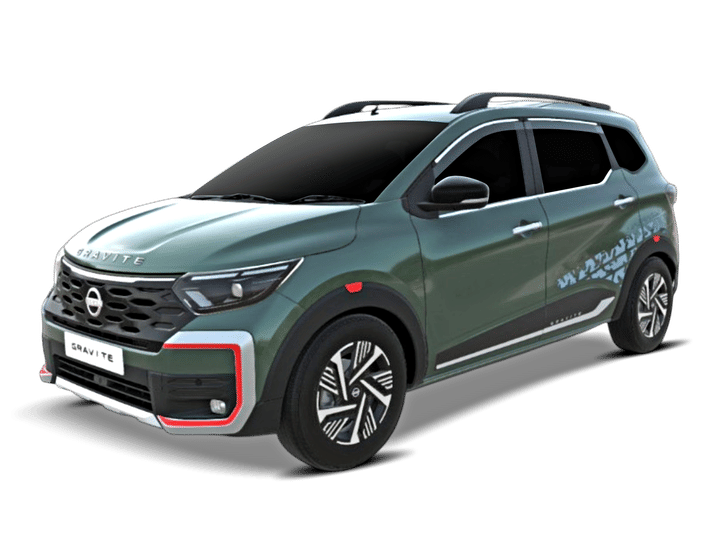
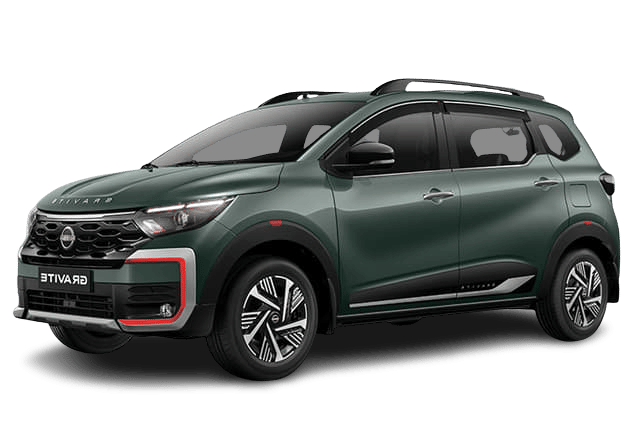
Given your budget of Rs. 10 lakh, the Renault Triber is your best option. The Triber has a roomy cabin and a genuinely usable third row, it has a decent feature set and the 1.0-litre petrol engine is fairly efficient too. It can be even had with CNG for lower running costs or an AMT automatic for greater convenience. Do note though, it's not the most refined car and the engine will feel underpowered when fully loaded or when you're out on the highway. Alternatively, you can even consider the Nissan Gravite which is mechanically identical.
Hi, my car-buying parameters are these: a 4.3-metre SUV, 5-star safety, an affordable turbo-petrol engine with good highway performance, an automatic transmission for convenience, great ground clearance for Bangalore's bad roads, a large boot for travel, a decent cabin that feels acceptable and at least a little modern, and good stability, ride quality and comfort. I have narrowed it down to two cars: the Kia Seltos HTK/HTK(O) CVT and the Renault Duster Evolution DCT. But now I'm stuck in a vicious circle of confusion because I feel the Duster Evolution's interior, at around Rs 18.8 lakh on-road, is too basic compared to similarly priced Seltos variants like the HTK or HTK(O). I know Renault is offering a terrific engine, a great ride and a stable car, but I can't convince myself that manual AC knobs, no start-stop system and no auto-dimming IRVM are acceptable in 2026. I genuinely love the Duster, and it feels perfect for my family and me. It will mostly be my wife and me, and occasionally my parents and brother, travelling on long weekend journeys. Should I sacrifice the engine and performance and go for the nicer interiors of the Kia, or should I choose the more utilitarian Duster and accept that the cabin is relatively bare? I can't stretch my budget to the Seltos HTK(O) DCT or the Duster Techno DCT. Please help, I'm heavily confused.
Pick the Renault Duster Evolution DCT. Your use is long highway runs with family and Bangalore’s rough roads, and here the Duster’s 1.3 turbo and suspension make life easier and calmer. It overtakes cleanly even with four adults and luggage, rides over broken patches without slowing to a crawl, and feels very stable at speed. The Kia Seltos HTK/HTK(O) CVT is nicer inside, yes, but that 1.5 petrol with the automatic will feel flat when the car is loaded, and you hit inclines or need quick passes.Your worry about the Duster’s basic feature set with the Evolution trim is fair, but that’s the compromise that buys you the better drive for your highway trips. If most of your driving were city commutes, the Kia’s cabin and convenience would win. For your weekend highway touring, the Duster’s strengths will matter every single time.
I have a Grand Vitara Strong Hybrid, and I am extremely satisfied with its mileage (900-1000 km from 45 liters). However, I am losing the joy of driving. I migrated to this car after owning a Swift Dzire Diesel and an XL6. The mismatch between engine revs and acceleration is becoming unpleasant. Overtaking feels riskier, and even the brakes feel spongy. I have experienced a few unpleasant situations because of this. As a result, I have reduced my overall speed, making the safety of my family a bigger priority. But the driver in me is unhappy. Should I upgrade to the Duster Hybrid, the Hycross Hybrid, or the newly launched Sierra EV? Also, do diesel engines still make sense today?
From what you've described, the Grand Vitara Strong Hybrid has impressed you with its efficiency but left you wanting more from behind the wheel. If driving enjoyment is back on your priority list, the Duster Hybrid looks like the most natural upgrade. It is expected to offer a much more engaging driving experience while retaining the fuel efficiency benefits of a strong hybrid.The Toyota Innova HyCross Hybrid will certainly improve on comfort, refinement and performance, but it won't fundamentally change the character you're looking for. It is still geared towards relaxed family motoring rather than enthusiastic driving.The Tata Sierra EV is an interesting option and has now been launched. It promises strong performance, a premium cabin and a spacious interior. However, if the "driver in you" misses the involvement and confidence of your earlier diesel cars, we'd still wait to experience how the Duster Hybrid drives before making a decision.As for diesels, we don't think they should be ruled out altogether. With the right usage, they continue to make sense. However, given your appreciation for the fuel economy of your Grand Vitara and the direction the market is heading, we'd lean towards a strong hybrid rather than going back to diesel.
I have pre-booked for Duster Hybrid, Nissan Tekton Hybrid and lastly Tata Sierra EV. Which one should I go for? My preference is to go for the earliest available one.
The Tata Sierra EV has already been launched, while the Renault Duster Hybrid and Nissan Tekton are still some time away. The Duster Hybrid is expected to offer an excellent balance of performance, efficiency and practicality, but you'll have to wait longer for it.The choice really comes down to whether you're ready to make the switch to an EV. If you have access to reliable home charging and your driving pattern suits an EV, the Sierra EV is a very compelling option. It offers a spacious cabin, a premium interior, and a large battery pack, and should make for an excellent family SUV.Verdict: Since you've mentioned that you prefer to buy the earliest available car, we'd recommend going ahead with the Tata Sierra EV. It is already on sale, and if an EV fits your usage pattern, there's little reason to wait for the Duster Hybrid.
Last Updated on: 7 Jul 2026