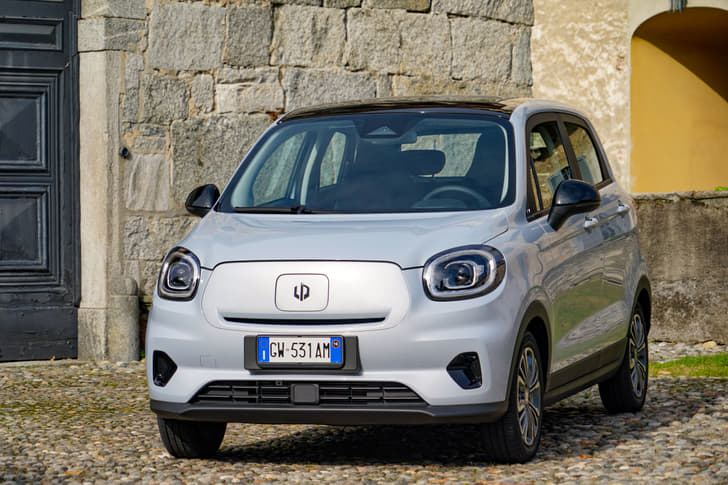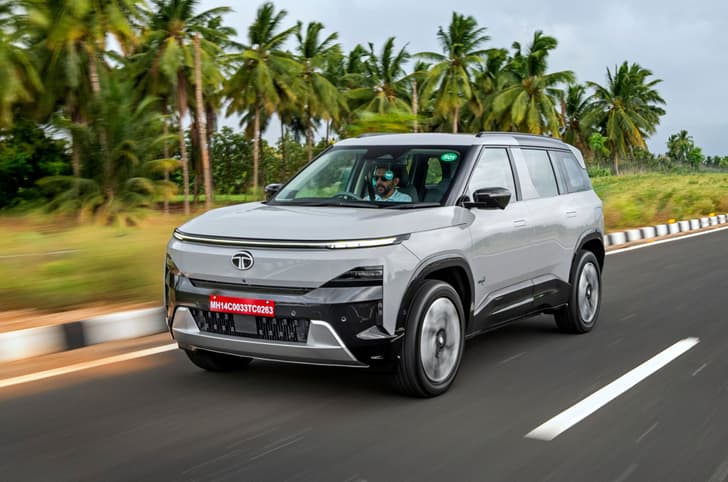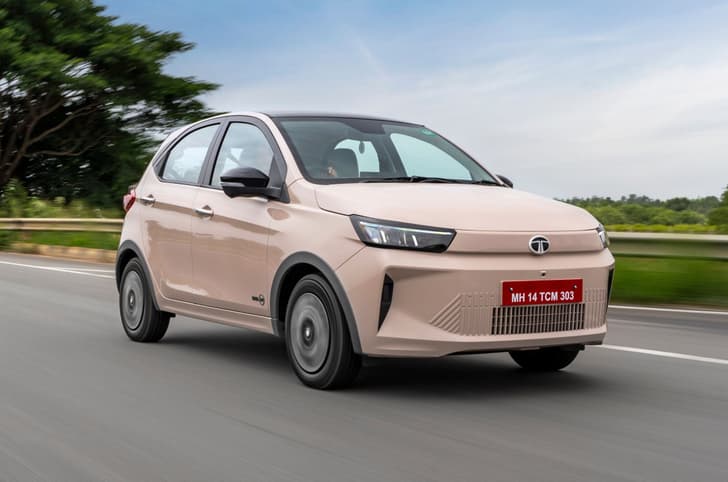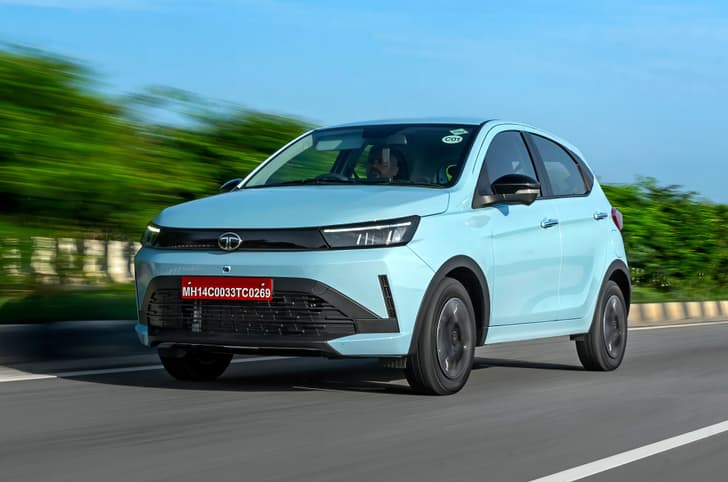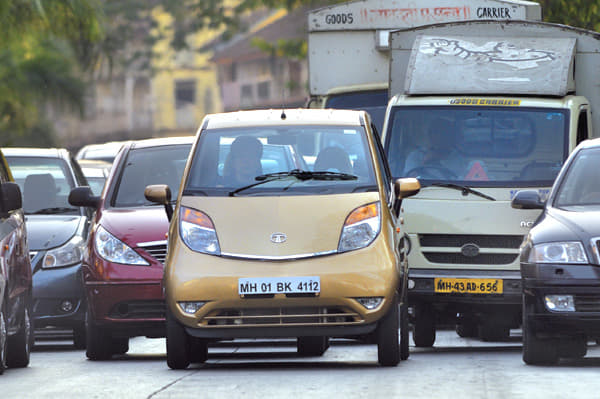
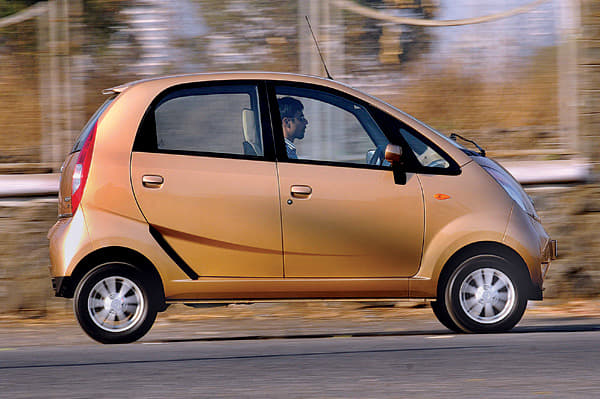
The addition of a power steering in the Nano is the most important upgrade it has received since its introduction in 2009. It addresses one of the car’s biggest weaknesses – heavy steering, especially at parking speeds. This drawback hampered it from living up to its billing of an ideal urban runabout.
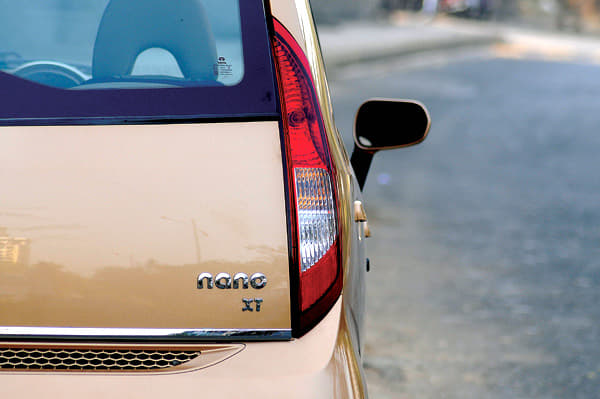
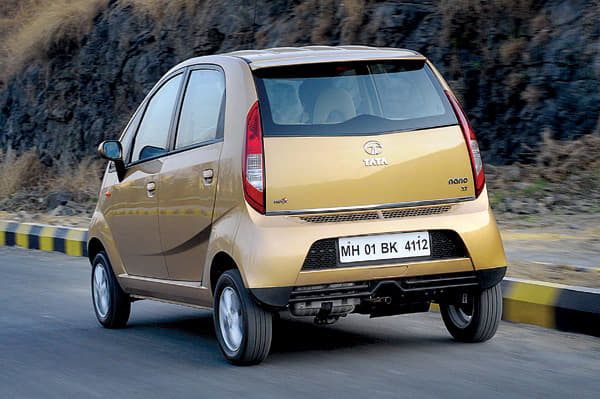
But let’s rewind a bit first to see how the Nano has evolved since its launch in 2009. The first major upgrade came in 2012 – the seats were improved, the suspension was tweaked to provide a more comfortable ride, the engine got a small bump up in power and the gearing was altered to offer better fuel economy. Also on the update list were subtle changes to make it feel less basic – the interiors got a beige colour scheme, the exposed seat rails were covered and clutch feel was improved. Then in 2013, the Nano got a slightly bigger steering wheel to help offset the lack of power steering, along with some chrome bits on the exteriors for the higher variants – but this was hardly much of an improvement. There are further updates on the way, which include an opening tailgate and automatic transmission.
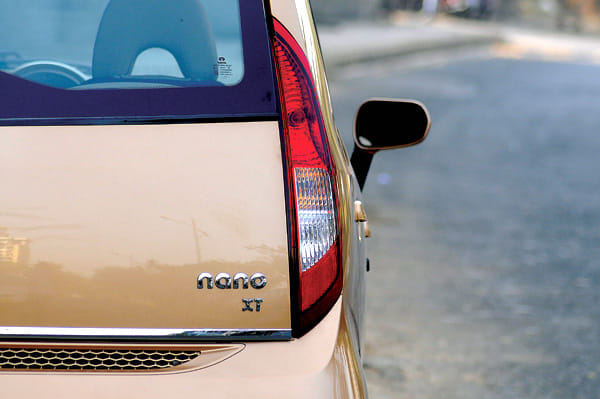
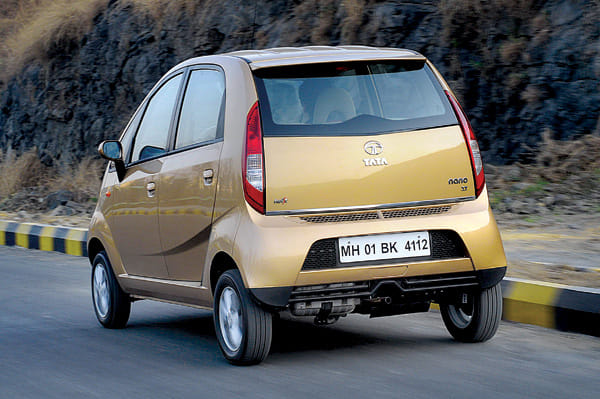
The biggest change, however, has been in the area of market positioning. Tata wants to shed the image of the ‘One Lakh Car’ and reposition the Nano as a funky, urban youth-mobile. As such, the price has gone from Rs 1.3 lakh for the top-end Nano LX in 2009 to Rs 2.38 lakh for this Nano Twist XT (inflation had its part to play here).
Will all these small steps by Tata Motors translate into one giant leap for the Nano? We tested the Twist to find out.
On the move in city traffic, the EPS provides reasonably good feedback, allowing you to enjoy the nimbleness of the Nano without it feeling overly light. The speed-sensitive EPS has been engineered to cut off at speeds higher than 80kph to further improve feel. The problem is that even at moderate speeds, the EPS feels a bit over-assisted – this can be unsettling, especially in crosswinds and on uneven surfaces. The quicker steering also accentuates the Nano’s tall stance and its susceptibility to crosswinds.
There are no new mechanical changes on the Twist since 2012, when the two-cylinder, 624cc engine received some tweaks. The last update saw a 2bhp increase in power and a 0.4kgm bump in torque, along with taller gearing, and the rev limit raised by 500rpm. The engine now revs to 6,000rpm and power doesn’t abruptly cut off as before. Around town, the Twist now has enough grunt to keep up with other traffic even when the roads are open. That said, thanks to the tuning, it’s not as responsive at low revs as the original Nano. You notice this especially when you are trundling about in third gear and need to downshift to second to accelerate away.
It’s under emergency braking that the Nano feels less than capable. Running drum brakes all around and weedy 135-section front tyres, squeal sets in early and the wheels tend to lock up. Now that the Nano has power assistance, Tata could have offered wider tyres – they would help improve its 35-metre stopping distance from 80kph.
The ride, though much improved from before, is still quite choppy. The small wheels and short wheelbase leave little scope for improvement, and lack of finesse in the way it rides remains one of the Nano’s weaknesses. It’s not well-insulated either. Engine and road noise seep through into the cabin and you always feel like you’re driving with the windows down. The air-con, however, is top-class, cooling the large cabin brilliantly, and doesn’t sap the small engine excessively.
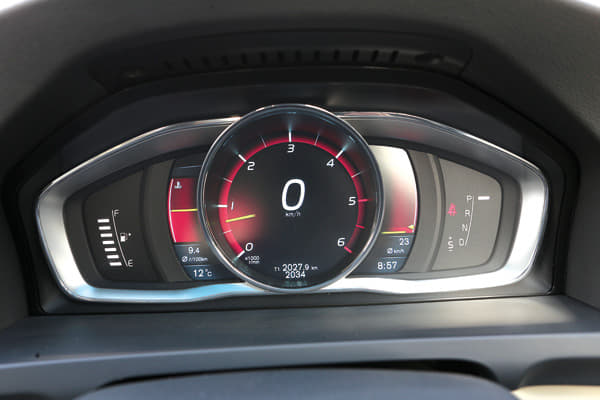
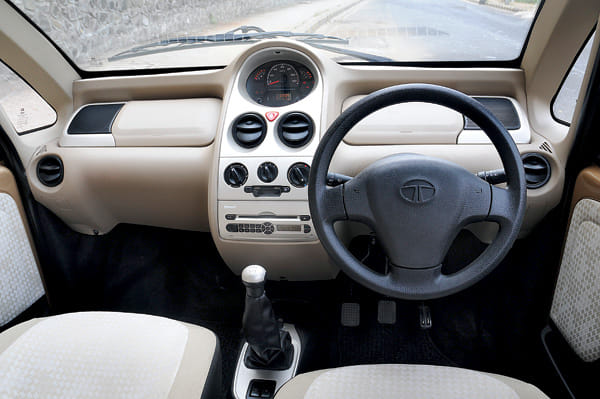
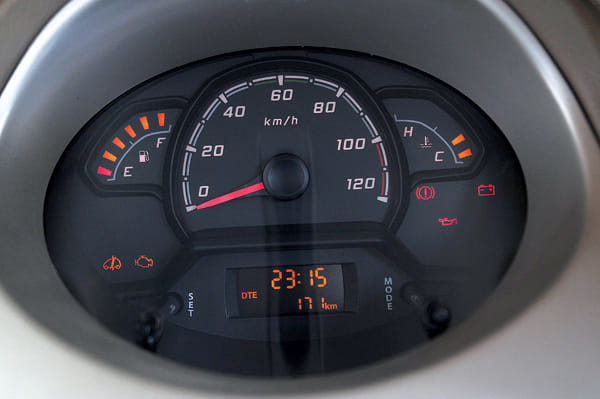
The interiors in the Twist are as before, except for the instrument cluster which had to be changed to interface with the electronics of the EPS. The upshot is smarter dials that even give you a distance-to-empty readout. There’s Bluetooth connectivity too (we tried, but found it difficult to pair it to iOS and Android devices). The interiors remain astonishingly spacious, the generous seats are just as comfortable, and there is a noticeable improvement in fit and finish. For someone put off by the spartan interiors of the original Nano, this car will come as a revelation. It feels grown up with better fabrics on the door pads, plastic cladding covering unsightly bits of the seat frames, twin gloveboxes (they are small, though) and improved ergonomics. There are still crude bits (the hinges of the gloveboxes, for example) but they aren’t as glaringly obvious as they used to be.
The Nano remains the cheapest car you can buy in India. And with fuel efficiency ranging from 15.1kpl in the city to 20.6kpl on the highway (versus the old car’s 14.6kpl and 20.3kpl, respectively), it is cheap to run too. We just wish it had a larger fuel tank.
 Lenny D'sa
 Sergius Barretto
 Saumil Shah
 Soham Thakur
 Nikhil Bhatia