
Mahindra is on a product roll and has transformed its portfolio by launching three all-new cars in a span of just six months. We’ve extensively reviewed two of them – the Marazzo and Alturas G4, and opine that they are modern, refined, feel upmarket, and competent enough to drive the brand into a promising new direction. The third and the latest addition is a Brezza-rivalling, sub-four-metre SUV that’s been badged ‘XUV300’, which, incidentally, and for once, follows a logical naming sequence as it sits below the XUV500. While the bigger XUV was a game-changing SUV back in the days, the new 300 enters a rapidly growing segment that’s caught the fancy of buyers. This car may be last to the party and may not be exactly revolutionary, but it has a lot to offer, including segment-best equipment and safety kit.
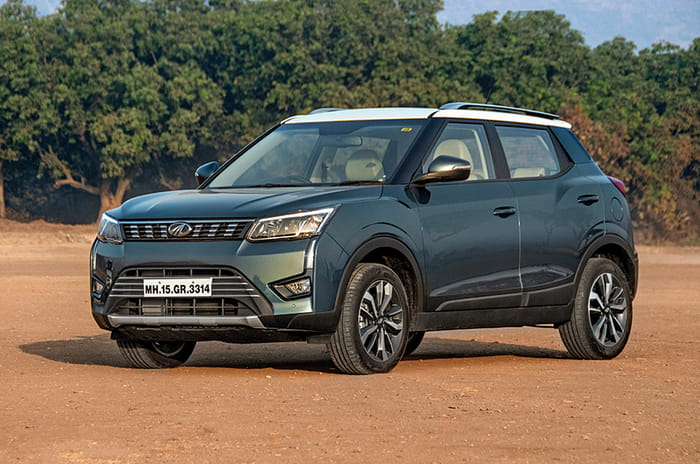
The XUV300 gets a set of locally developed petrol and diesel engines, which get only manual transmissions for now. Mahindra is expected to launch an AMT auto in a few months. The compact SUVis based on the SsangYong Tivoli’s X100 architecture and that saved Mahindra the high cost of developing an all-new platform. And to drive costs down further, 85-90 percent of the XUV300 has been localised. Still, priced from Rs 7.90-11.49 lakh for the petrol and Rs 8.49-11.99 lakh for the diesel – and an additional Rs 15,000 for the dual-tone colour scheme – the XUV300 is the priciest compact SUV when compared to the Brezza, Nexon and EcoSport.
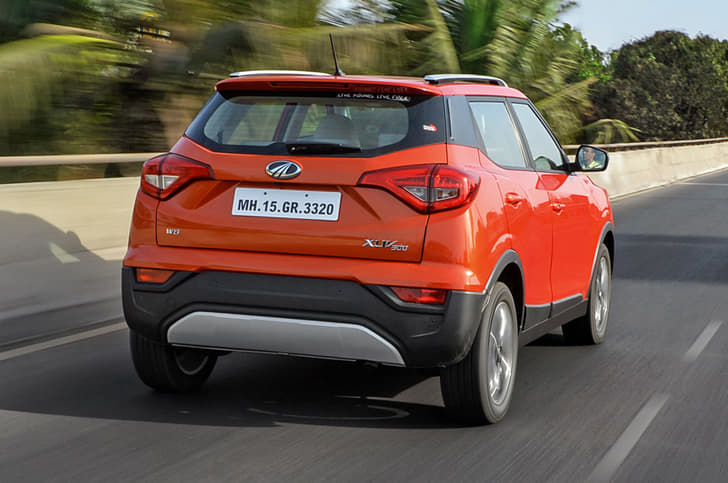
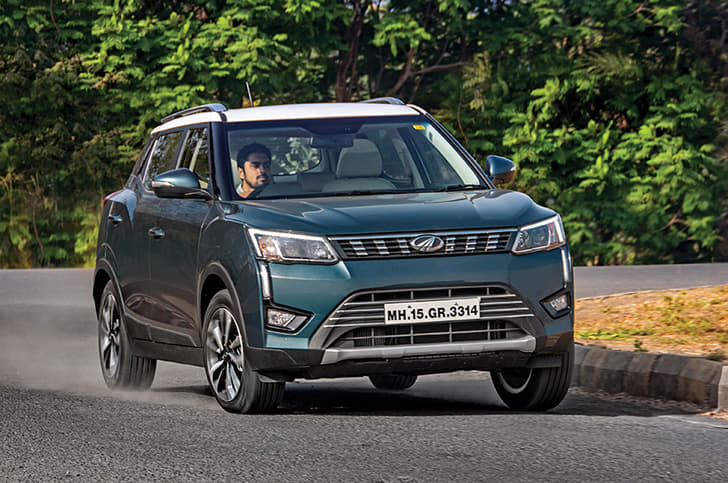
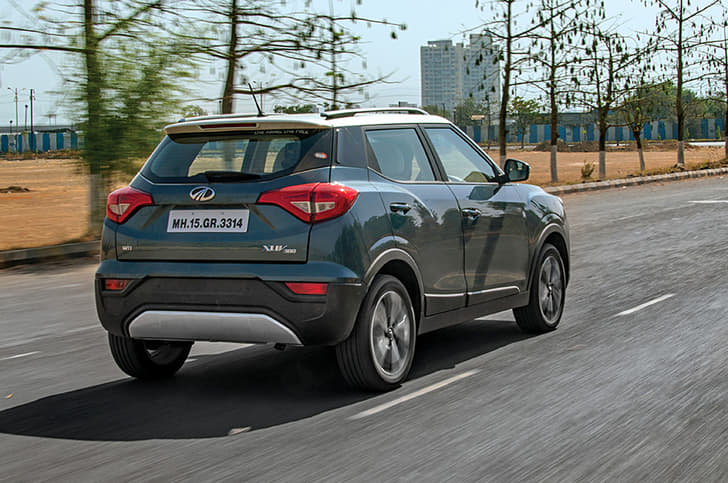
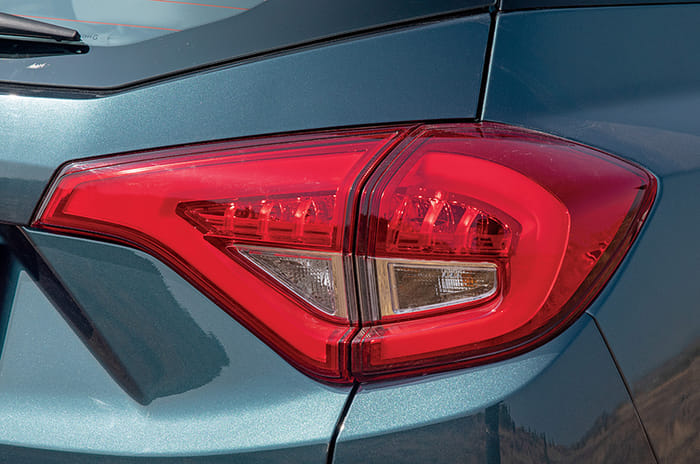
Mahindra took the Tivoli as a base and then heavily re-engineered it to develop the XUV300. Some of the ‘hard points’ like the front cowl, A-pillars and the overall chassis are the same, while a lot of the body panels are new. Most of the engineering work went into trimming the baby XUV’s length to 3,995mm (the Tivoli stands at 4,195mm) to avail the considerable tax savings sub-four-metre-long cars enjoy. Shaving those crucial 200mm has truncated the rear quite a bit and it looks as if the car has been reversed into a wall. Apart from this bit of design imbalance at the rear, the XUV300 is quite striking to look at.
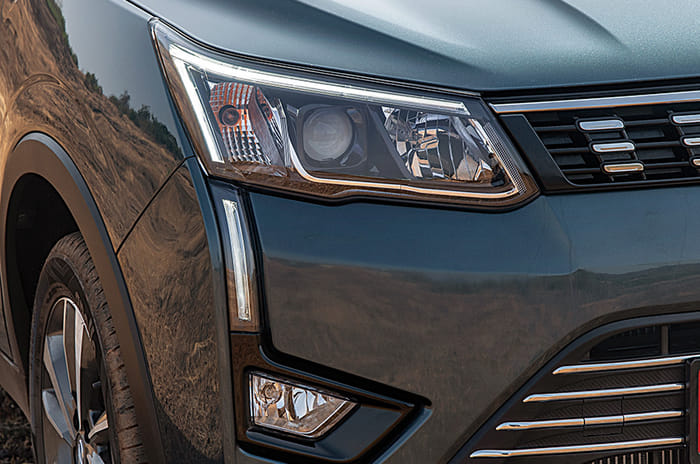
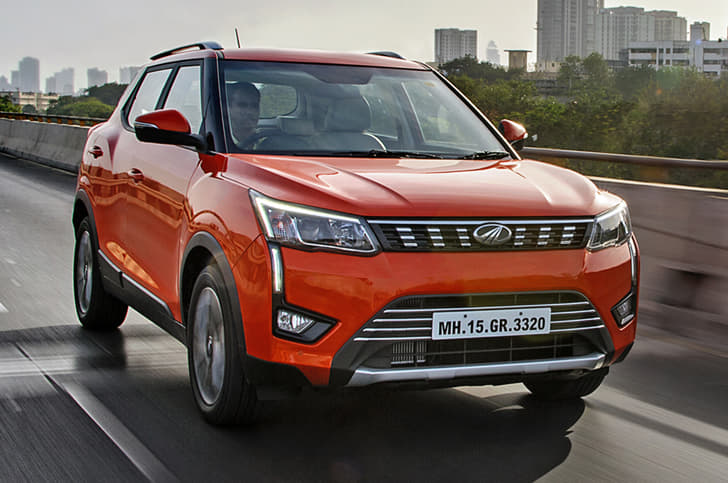
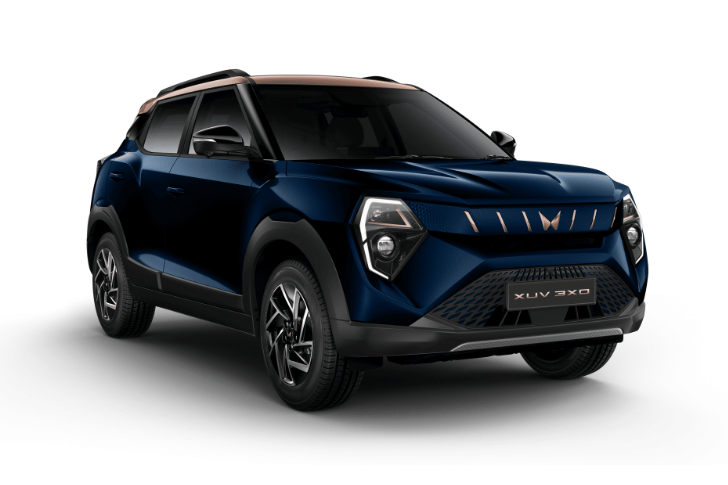
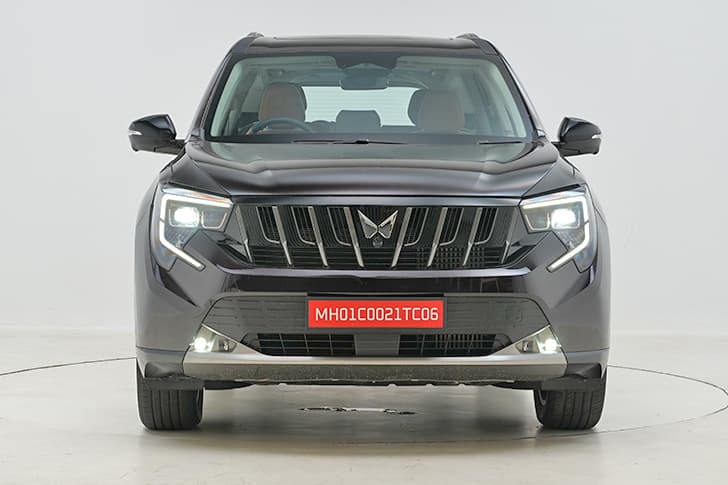
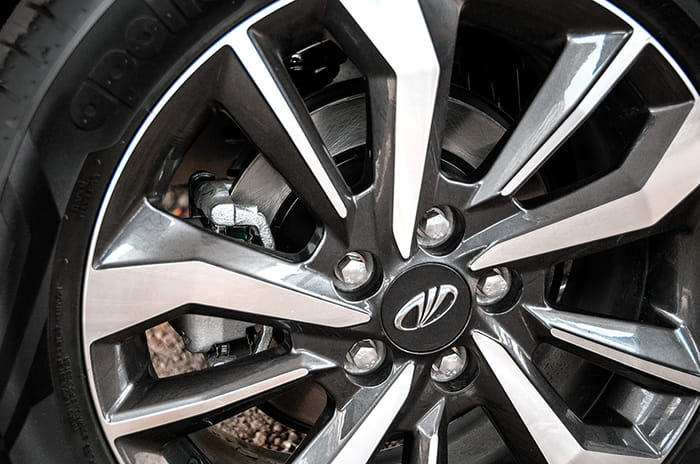
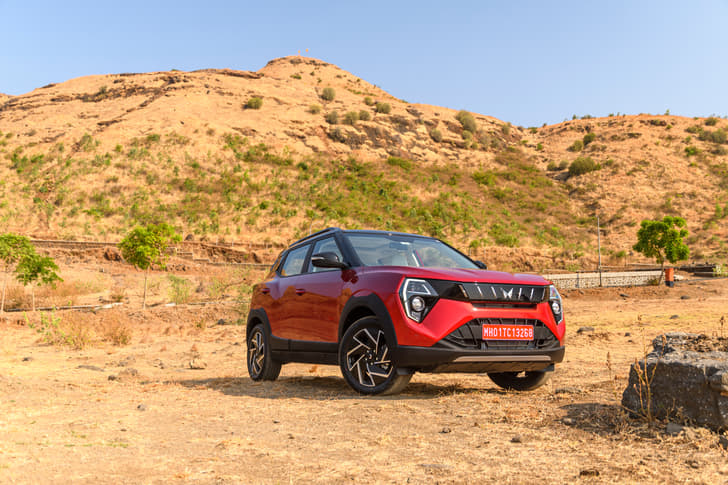
Mahindra has styled the XUV300 to cater to the taste of Indian buyers and to give it that much-desired ‘SUV-look’, it gets body cladding all around, and the front and rear bumpers get fake silver bash plates. In fact, the entire suspension has been raised for India, so it doesn’t appear like a dressed-up hatchback. The chrome-studded front grille looks like a miniature version of the XUV500’s, and so does the flat, concave bonnet that does well to give it an imposing stance. There are some interesting elements inspired by a ‘cheetah’(in Mahindra-speak) – like the tear duct-like DRLs and the bold haunches on the sides. The attractive 17-inch diamond-cut alloys, and the two-tone paint combination with the floating roof design, add to its youthful persona, and the large LED tail-lamps do well to spruce up the rear.
This compact SUV’s body comprises 68 percent high-tensile steel, which adds rigidity to the structure. However, lightweight it is not – the XUV300 tips the scales at 1,360-1,405kg, making it significantly heavier than all its competitors, and even the larger Hyundai Creta. The XUV is the widest in its segment; it’s even wider than the Creta and has the longer wheelbase too.
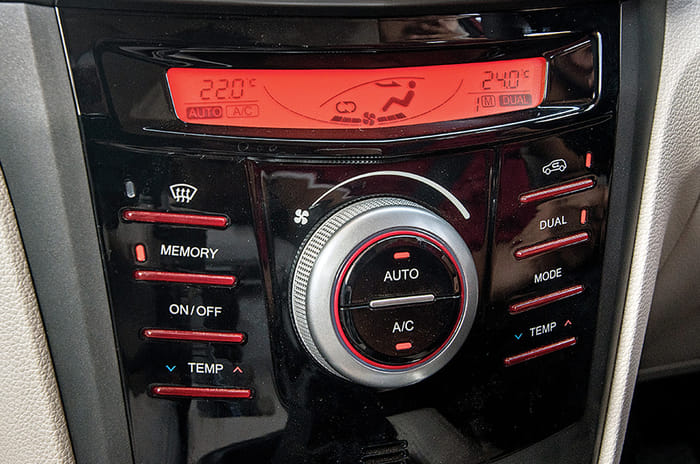
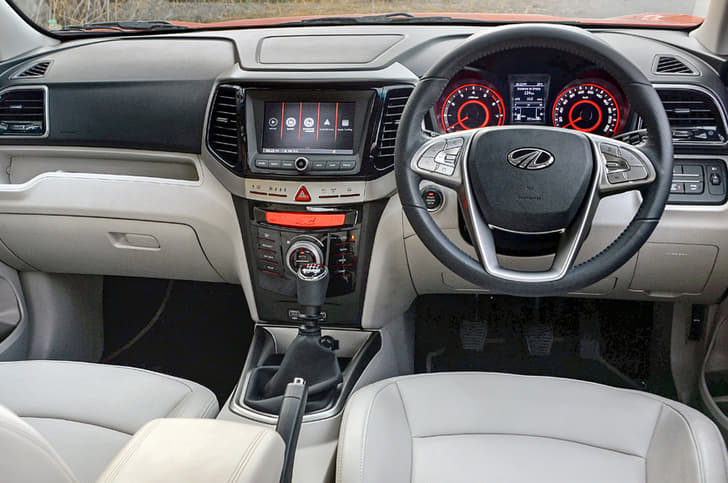
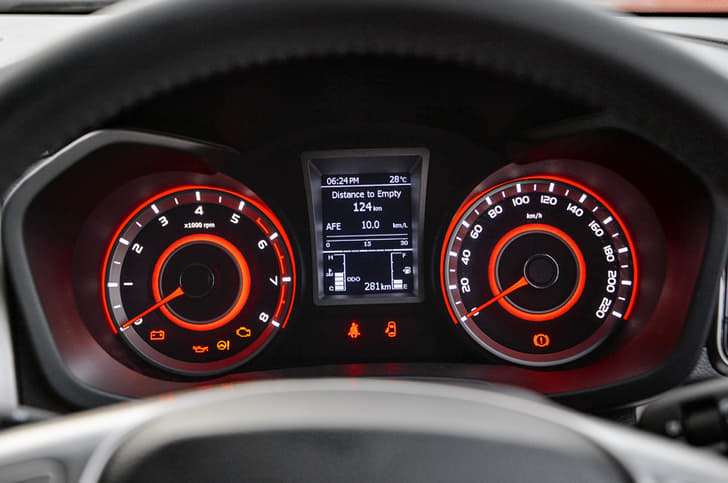
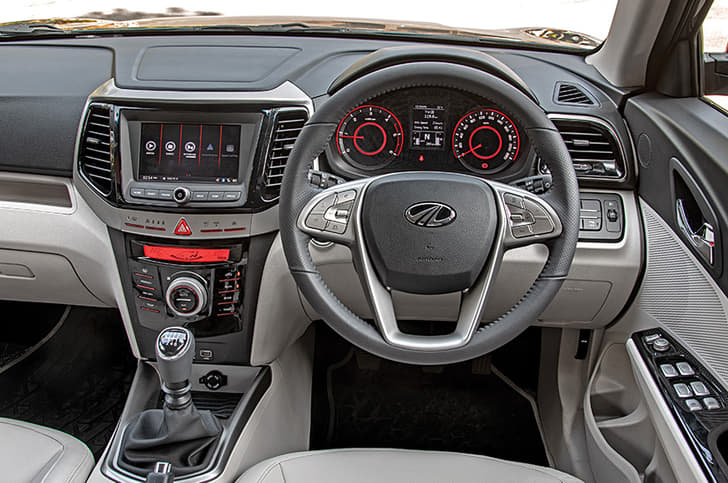
While the exteriors are youthful, the interiors appear to be more mature. The black and light beige colour theme with tasteful silver accents accentuates the premium ‘look’ of the cabin and the overall design is rather pleasing, save for the climate control section that looks dated and has slim buttons that are fiddly to use on the go. Even the twin-ring instruments aren’t very easy on the eyes. And yes, like the Brezza, the circles within the dials change colour but the outer ring strangely remains red. The switchgear exudes quality and has a nice, tactile feel. Although there aren’t any soft-touch plastics, the textured plastic on the dash feels quite upmarket. Another positive here is the front seats; they offer good support and even those with wider frames will be very comfy, as the cushioning is spot on. Drivers enjoy a commanding view of the road, and with the bonnet being visible from behind the wheel, it gives that ‘proper SUV experience’. Not all ergonomics are sorted, though. The clutch travel is unusually long, and the gear lever is a bit too tall, with long throws, and there’s no dead pedal either.
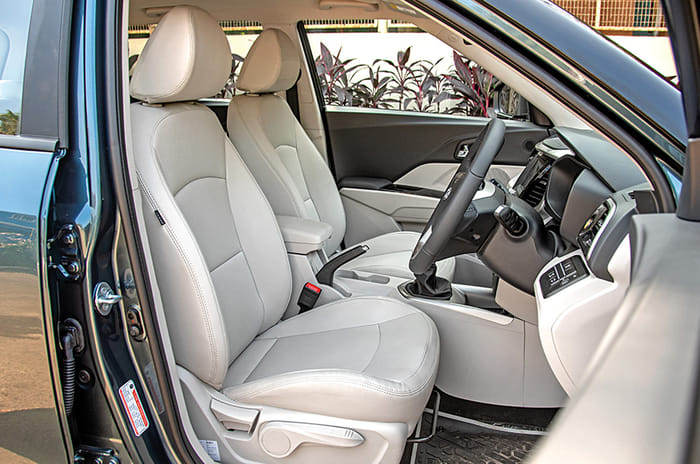
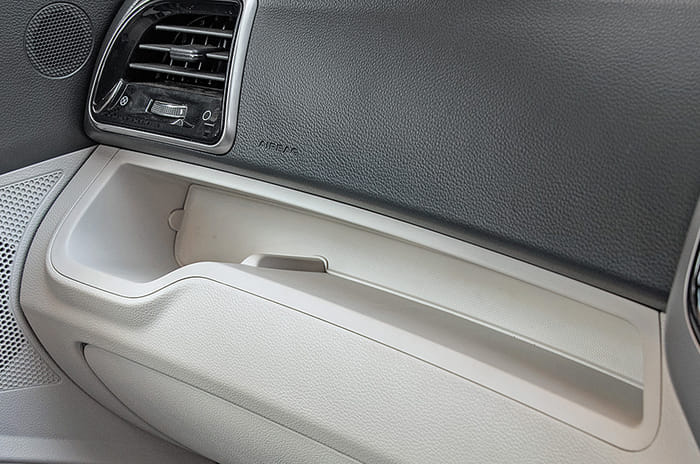
Also, the rubberised storage area in front of the gear lever isn’t large enough to hold a smartphone, and you’d end up placing it in the two small cupholders beside the handbrake. The armrest console, on the other hand, is large, and can even swallow a small laptop or tablet. The door pockets are large enough to hold bottles and other things. Oddly, the open shelf above the glovebox gets a rubberised wall instead of an anti-slip base, so loose objects placed here will slide around.
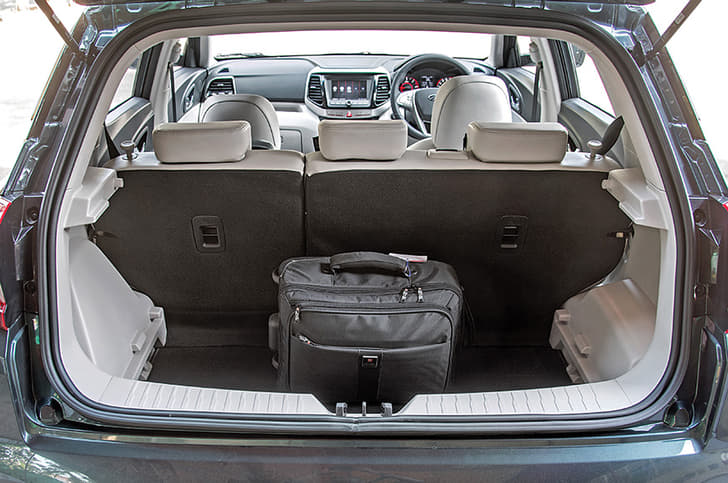
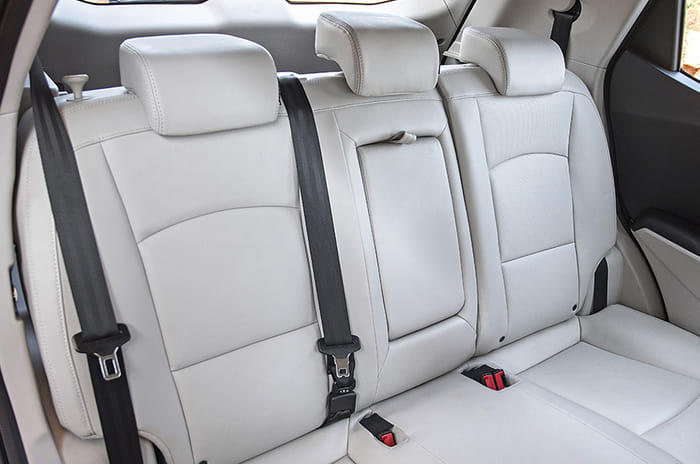
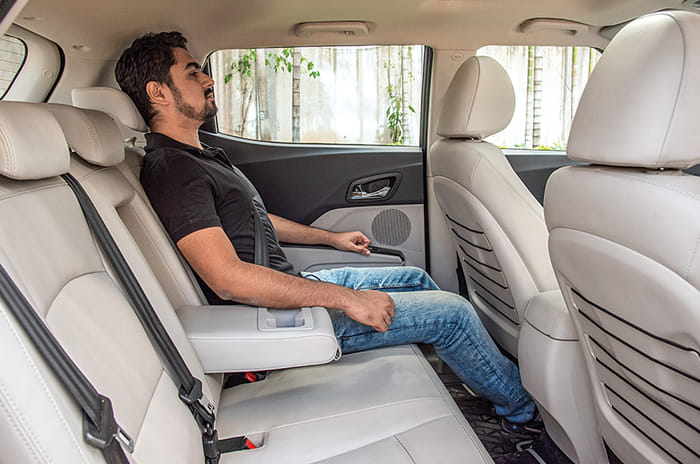
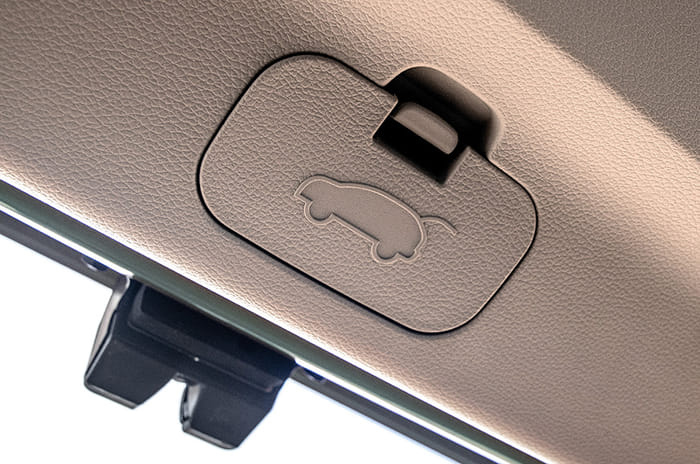
The XUV300’s cabin feels spacious, with the beige interiors adding to the ambience. Knee-and headroom are ample, and because the backseat is as wide as the Creta’s, three adults can sit here without their shoulders overlapping. Also, impressive is that all three passengers get neck restraints and three-point seatbelts. It, however, isn’t all perfect – the backseat is placed a bit low, thigh support is less, and lower back support feels excessive. For an otherwise well-equipped car, it misses out rear air con vents and USB charging slots too. Storage areas at the rear include seatback straps to hold magazines, and door pockets and cupholders in the armrest. The boot is shallow, and its 257-litre capacity is much lesser than its rivals; even the loading lip is high, making it that much more difficult to load heavier items.
Internationally, the Tivoli is available with a set of 1.6-litre petrol and diesel engines. In India, however, the XUV300 gets a 1.2-litre turbo-petrol and a 1.5-litre diesel engine, both of which are developed and tuned in-house by Mahindra. The 1,197cc, three-cylinder, all-aluminium petrol unit is the same one that made its debut on the KUV100, but it has been heavily re-engineered here. It also gets a waste-gate turbocharger for stronger performance, so power and torque have been bumped up to 110hp and 200Nm, respectively. Right from the get-go, this engine feels very refined, with zero vibrations, and it remains silent all throughout, with just a faint thrum at higher revs. What’s nice is that it is very driveable, and even before the turbo starts singing, performance is adequate; so it’ll pull away from a speed-breaker with ease in second gear. At crawling speeds though, the petrol demands conscious modulation of the accelerator and clutch for a smooth drive. Spin it quicker and there’s a strong surge in performance at 2,200rpm. Few might like this spike, as it delivers that ‘feeling of power’, but as a family car, this punch feels a bit too spikey. The engine feels strong until 4,200rpm and the meaty mid-range makes driving on the highway effortless. It revs to a modest 6,000rpm, but power tapers off sharply in the last 1,800rpm and progress gets slow. Engine calibration isn’t completely sorted because when you lift off the throttle, the engine continues to accelerate for a split second, which can catch you unaware.
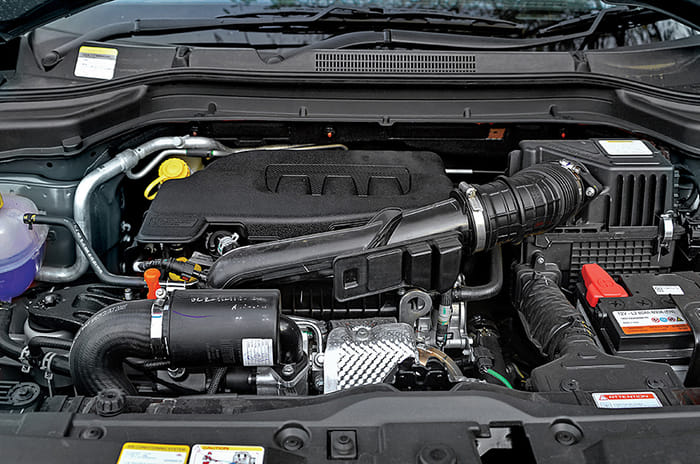
The diesel is the same 1,497cc, four-cylinder unit that also powers the Marazzo, but in the XUV300, it gets an e-VGT (electronic variable geometry turbocharger) and it makes 117hp – 6hp lesser than the heavier Marazzo – but max torque is still 300Nm from 1,500-2,500rpm (the torque in the Marazzo is spread from 1,750-2,500rpm). The first four gear ratios are identical to the Marazzo’s, but the fifth and sixth are a bit taller for better efficiency. Being nearly 250kg lighter than the Marazzo and having the same torque, the XUV300 diesel feels a lot more responsive and stronger. This engine is very driveable in the city as it pulls cleanly from idle. Also, there’s no problem shifting up earlier, as there’s sufficient pulling power. The meat of the powerband is between 2,000 and 3,500rpm, where performance is the strongest. Spin the engine beyond 3,800rpm and it runs out of breath, and because the top-end performance is weak, you have to shift up quickly – especially while overtaking fast-moving traffic – to stay in the powerband.
Even during our acceleration tests, the diesel returned the best times with upshifts around 3,800-4,000rpm, rather than holding on until 4,200rpm. With an extra 100Nm of torque on offer, the diesel’s performance is significantly better than the petrol’s, both outright and in-gear acceleration. Step into the diesel XUV300 after the petrol and what’s surprising is that it feels just as refined. In our sound tests, the diesel proved to be quieter than the petrol (except while idling), and only when revved beyond 3,500rpm did the diesel rattle become audible.
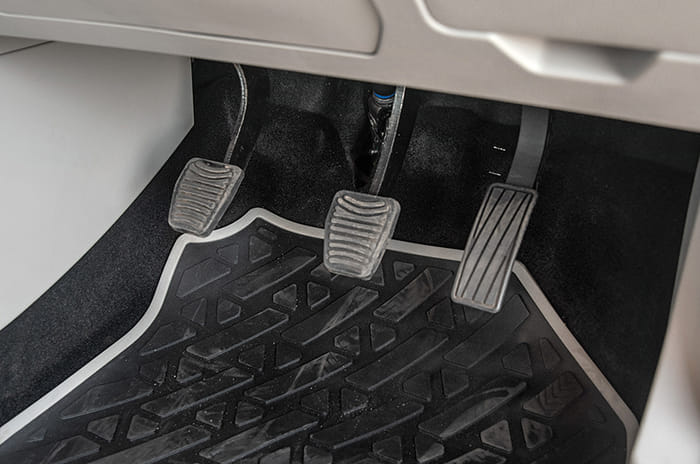
The clutch is light on the petrol and diesel variants. However, the clutch pedal travel is unusually long, and judging the bite point could take some getting used to. The 6-speed manual gearbox is smooth and slick to operate, despite the tall gear lever and long throws.
For India, the XUV300’s suspension gets a longer travel for better cushioning over our roads, and its ride height has also been increased to achieve a higher ground clearance – now at 180mm. The XUV300 feels rather plush for a car in this class, and it simply flattens bad roads, with minimal body shocks and movements filtering in. And like the other Mahindras, this isn’t an SUV that’ll wince at the sight of imperfect roads. There is a bit of firmness due to its 17-inch wheels, and it gets even more pronounced when it hits sharp bumps, but at no point does it feel unsettled and or crashy.
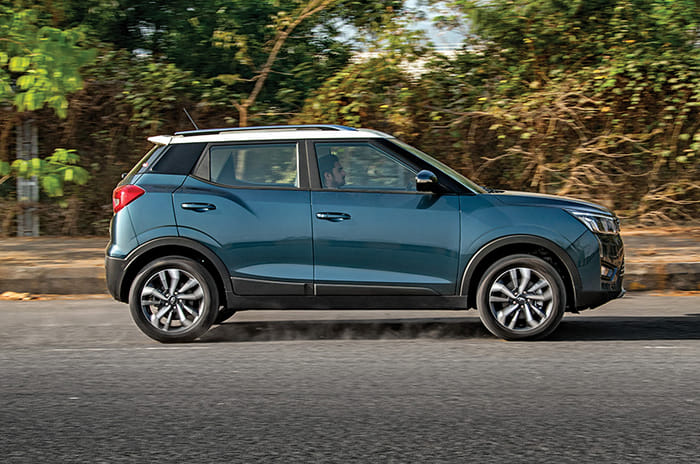
It gets a segment-first variable steering system with three modes – Comfort, Normal (default) and Sport. While the steering is light and easy to twirl in Normal mode, it gets even lighter in Comfort mode, which makes it effortless while parking or nipping around in traffic. It gains some artificial weight in Sport mode, but there’s simply no feel or feedback and it feels disconnected from the front wheels, which takes away driver confidence while attacking corners at high speeds. What’s nice, however, is just how much grip is on offer; with its wheels at each corner, a wide track, and a taut chassis, the XUV feels agile and planted to the ground. It holds its line cleanly around corners and although there is some body roll, it isn’t excessive, and the good thing is that it remains predictable even over mid-corner bumps. Yes, the brake pedal feels a bit spongy but with all four wheels getting disc brakes, speed is shed without any fuss.
To further aid efficiency, the XUV300 gets a start-stop system that automatically turns off the engine while idling. The system is slow to respond, especially during start-up, and that can get quite frustrating in stop-go traffic. Leave it on, however, and it will help save some fuel. In the city, the petrol managed 9.7kpl, while the diesel managed 14.4kpl. Out on the highway, the turbo-petrol returned a rather respectable 14.8kpl, while the diesel did a 17.9kpl. The presence of a tall sixth gear ensures that the engine is spinning lazily while cruising at 100kph (2,200rpm in the petrol and 2,000rpm in the diesel), thus sipping lesser fuel.
Standard safety kit includes all-wheel disc brakes, ABS with EBD, dual airbags, speed-sensing door locks, corner braking control, child seat anchors and front seatbelt pre-tensioners. In addition to this, top variants get segment-best kit such as ESP, hill-launch assist, five additional airbags (side, curtain and driver-knee), front parking sensors, and three-point seat belts and adjustable neck restraints for all the seats.
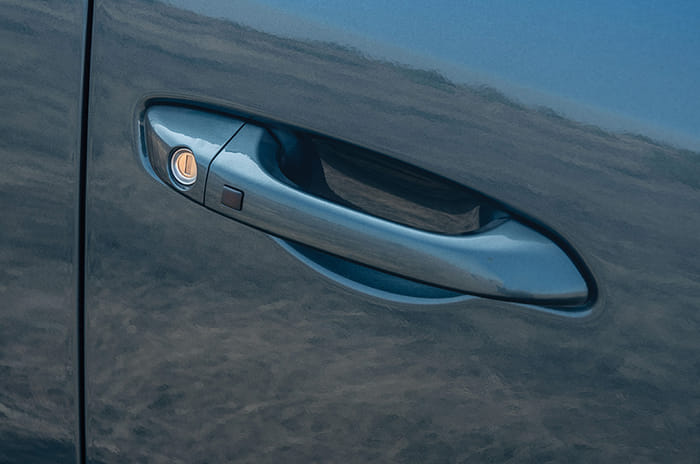
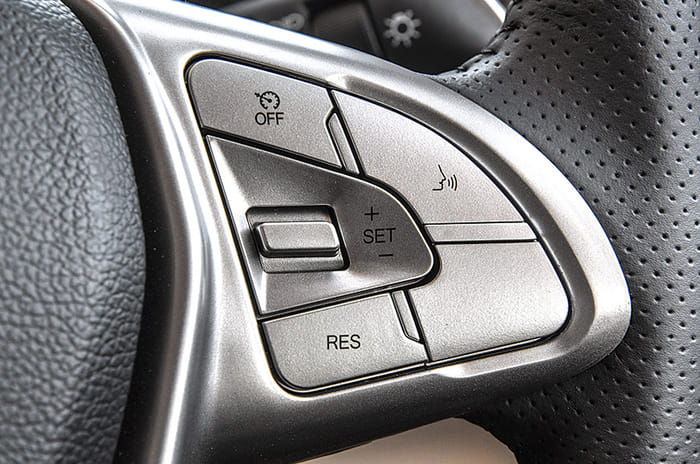
Then there are segment-first features like heated outside mirrors, dual-zone climate control, smart steering system, smartwatch connectivity, micro-hybrid system and tyre pressure monitoring system. Premium equipment on offer includes a sunroof, 17-inch diamond-cut alloys, projector headlamps with LED DRLs, LED tail-lamps, touchscreen with Android Auto and Apple CarPlay, auto headlamps and wipers, leatherette upholstery, auto-dimming inside mirror, cruise control and more, making this a compact SUV that’s loaded to the gills.
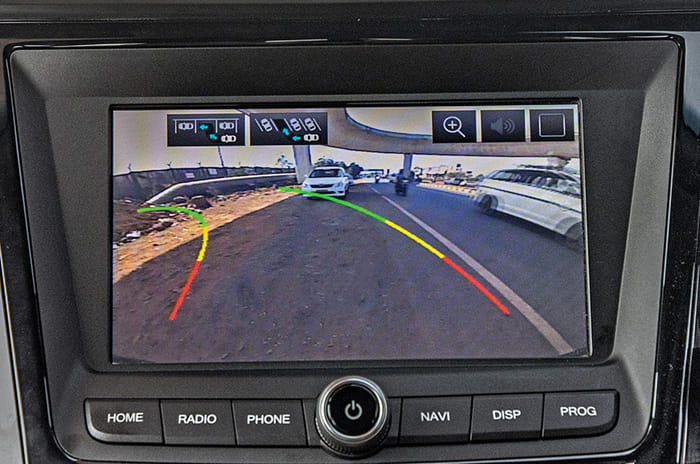
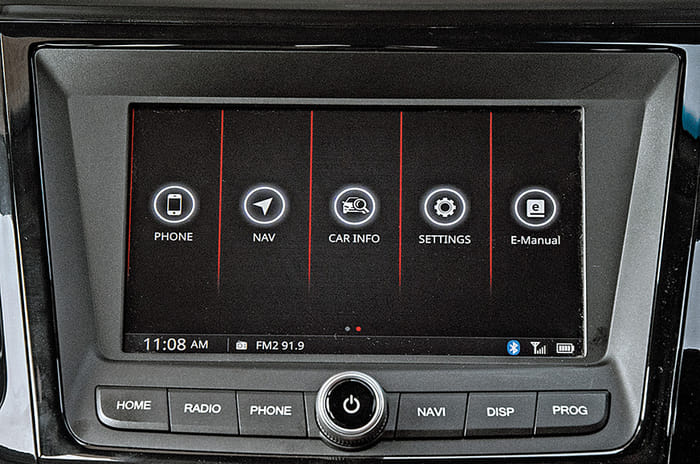
While the system is easy to get used to, the interface is a bit slow and the software feels dated. Touch sensitivity is good, and the presence of physical buttons below help go through the menus quickly. This system gets in-built navigation, Android Auto and Apple CarPlay. Due to some glitches in the software, Android Auto kept disconnecting, without any user input. Sound quality is poor too and lacks depth, especially when compared to the Nexon and EcoSport, both of which have amazing speakers. This system also houses other functions like a tyre-pressure monitoring system, the EcoSense app, reminders and other useful alerts and warnings.
Mahindra sure has a winner on its hands with the XUV300, and that’s a commendable outcome of the Mahindra-SsangYong synergy. The Korean influence is evident in the XUV300’s well-appointed interiors and surprisingly high levels of quality and fit-finish. And Mahindra has done a splendid job when it comes to ride and handling – it is a composed and confident car to drive; we only wish the steering offered a bit more ‘feel’. Both engines are very refined and effortless to drive, but the narrow price gap between the two, and the fact that the diesel is more sorted, efficient and quicker, makes it our pick.
The lack of an automatic will put off some buyers, and so will the small 257-litre boot. But what could be the bigger deal-breaker for some is its pricing, which is significantly more than the Brezza and Nexon and even overlaps with the Hyundai Creta from a segment above. While it doesn’t rank high in value, to justify its premium positioning, Mahindra has equipped the XUV300 with segment-best safety and premium kit. But consider its strengths, like refinement, ease of driving, ride and handling, and equipment, and the positives outweigh the negatives. So, as a package then, the XUV300 is easily the most polished car to come out of the Mahindra stable.
 Lenny D'sa
 Sergius Barretto
 Soham Thakur
 Nikhil Bhatia


.jpg?w=728&q=75&fm=auto)