Volkswagen India is bracing itself to initiate a recall of over 3,20,000 of its cars affected by the diesel emissions scandal. The affected cars include all cars powered by the EA189 diesel engine family and this is around 2,10,000 VWs, around 80,000 Skodas and over 30,000 Audis.
VW India has admitted to the Ministry of Transport that around 3,14,000 cars were carrying the ‘defeat devices’ or software that was designed to allow cars to cheat on emission tests. That number is likely to rise as both VW and Skoda have continued to sell cars in India with the software in question.
Andreas Lauermann, President and Managing Director, Volkswagen India Private Limited told Autocar India that the company’s solution for most of the engines affected by the diesel emissions scandal is the same as the one used in Europe.
In Europe, Volkswagen has detailed measures that involve a software update to fix the largest 2.0-litre engines, while the midsized 1.6-litre (and the downsized 1.5-litre units for India) will require both a software update and a hardware change. The latter being a small plastic filter or a mesh that will be placed inside the engine's air intake. Volkswagen estimates that updating the software on the 2.0-litre engine will take only about half an hour while the fix for the midsized engine will take around one hour. The company is still working out the remedy for the 1.2-litre motor. The carmaker claims neither solution will impact engine performance or fuel economy. However, these claims are unverified as of now.
The software used in the affected cars had been globally sourced from three suppliers. The 1.2-litre three cylinder motor, which was phased out last year in India and replaced by the 1.5-litre four-cylinder diesel engine, was fitted with software sourced from Delphi Automotive, while the current models having the larger powertrain are fitted with software provided by Bosch and Continental Automotive Systems.
While the installation of the software is definitely illegal, the key question here is whether the affected cars violated Indian emission standards. The Automotive Research Association of India (ARAI) is conducting tests at the Vehicle Research & Development Establishment (VRDE), Ahmednagar to ascertain whether the cars' on-road emissions flouted Indian BS IV norms. In fact, ARAI might even widen the investigation to other car manufacturers as well.
Sources involved with the testing have revealed that the affected cars are emitting up to three times more NOx compared to the levels tested during the approval stage, as against 40 times in the US.
However, it is widely accepted that in real-world conditions, cars will always emit more emissions than in a laboratory and what the government now has to determine is if the quantum of higher emissions is tantamount to a gross violation of the specified BS IV standards in India.
The final decision is likely to be taken after the carmaker meets the government officials on December 1, 2015.
Meanwhile, the National Green Tribunal has today sought response from the central government and Volkswagen Group on a plea seeking a ban on manufacture and sale of Volkswagen’s cars in the country for allegedly flouting emission norms. It has asked them to reply by December 23, 2015.


VW Group to recall over 3,20,000 cars in India
 Staff Writer
Suggested News
 Viraaj Bhatnagar
 Dipan Sur
 Dhruv Dhaka
 Saptarshi Mondal
New BMW 7-series previewed in India
 Jaiveer Mehra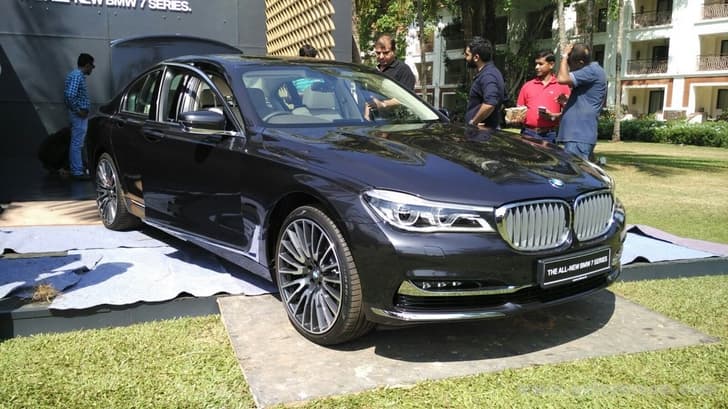
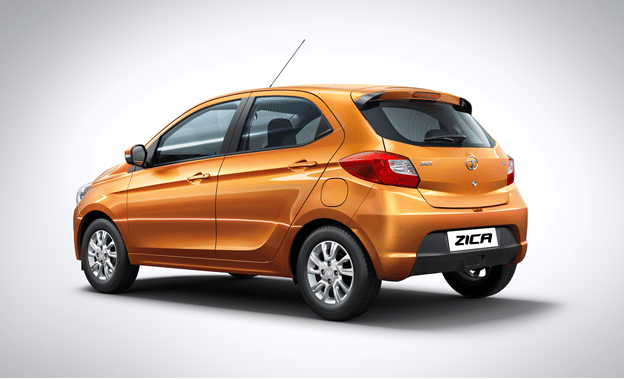
Tata Tiago hatchback revealed
 Akbar Merchant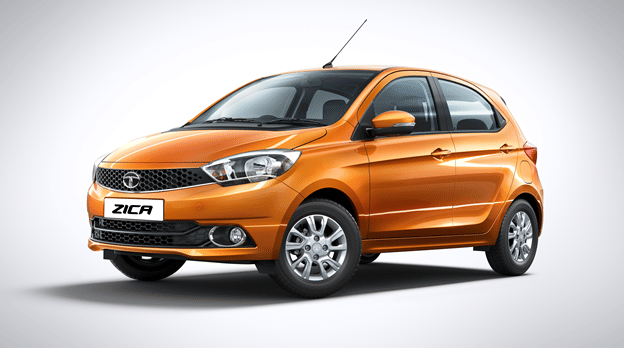
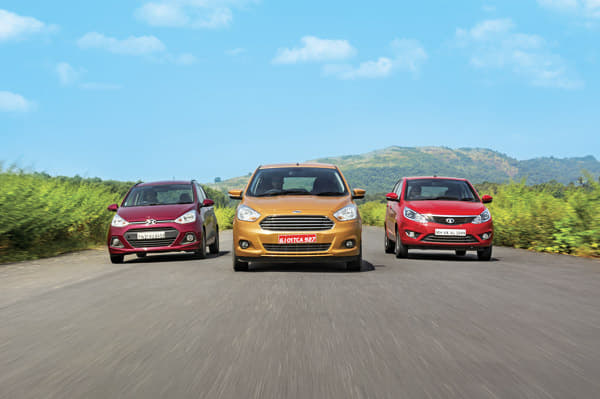
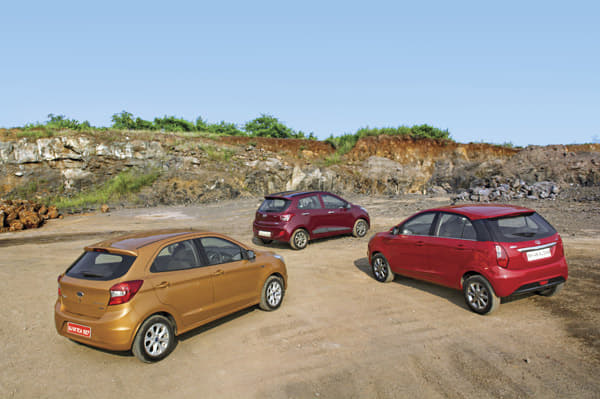
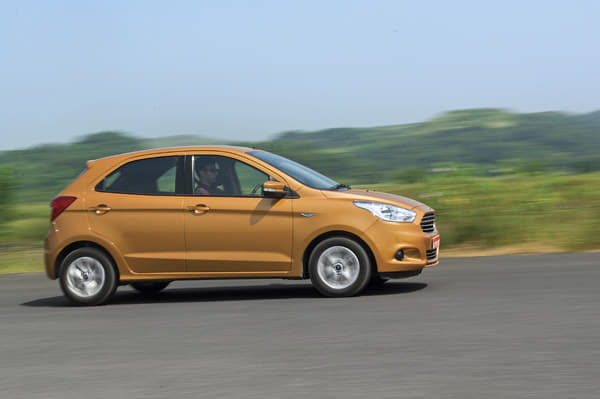
New Ford Figo vs Tata Bolt vs Hyundai Grand i10 comparison
 Shapur Kotwal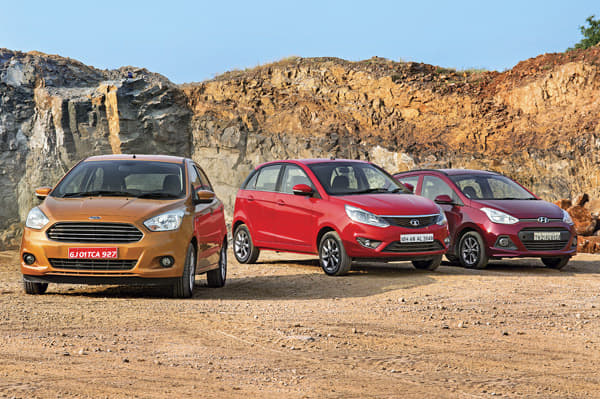
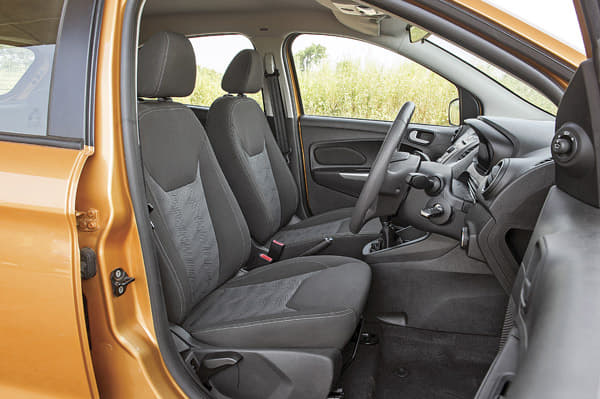
Front seat is big and well bolstered, but cushioning is soft.
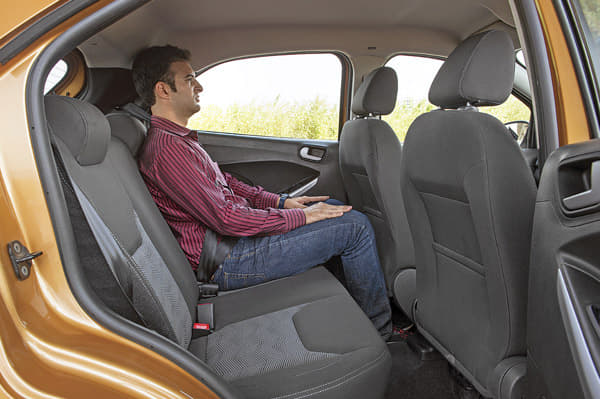
Figo has decent support and cabin is wide.
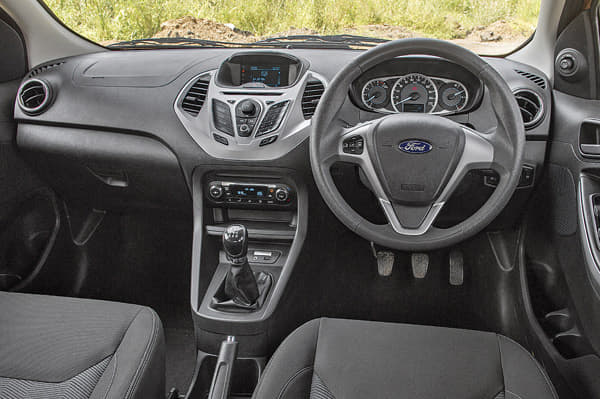
EcoSport-like dash is tough, with plenty of hard-wearing materials, but the design is a bit bland.
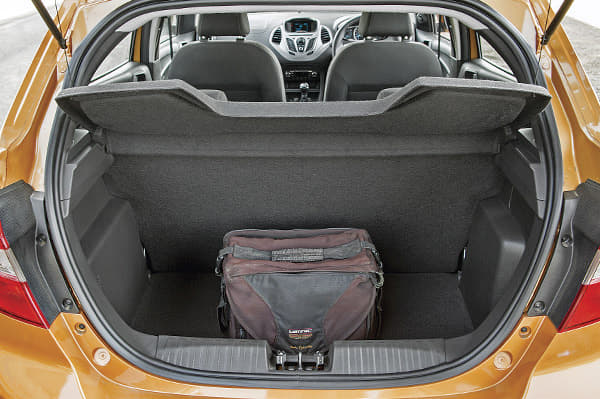
Tail-lights intrude on 275-litre boot.
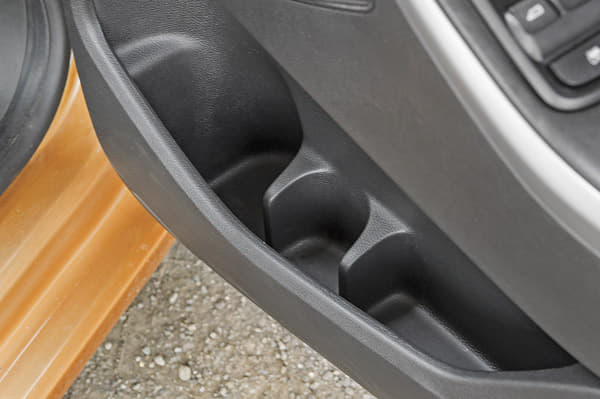
Plenty of space for bottles on the new Figo’s cabin.
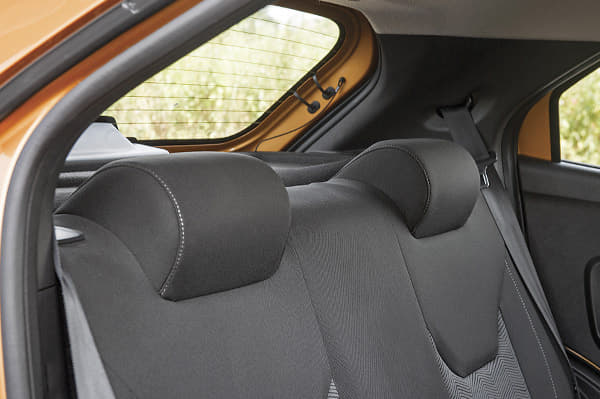
Rear headrests are not adjustable on the new Figo.
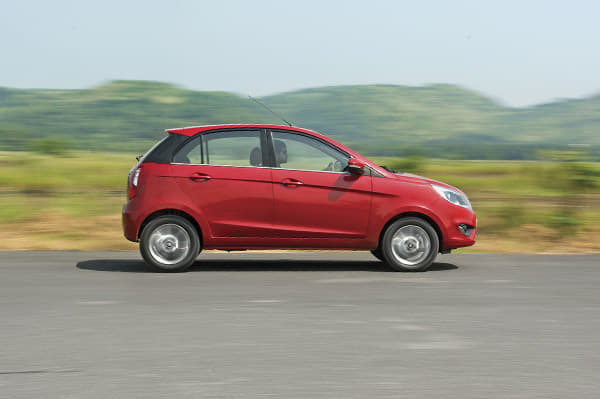
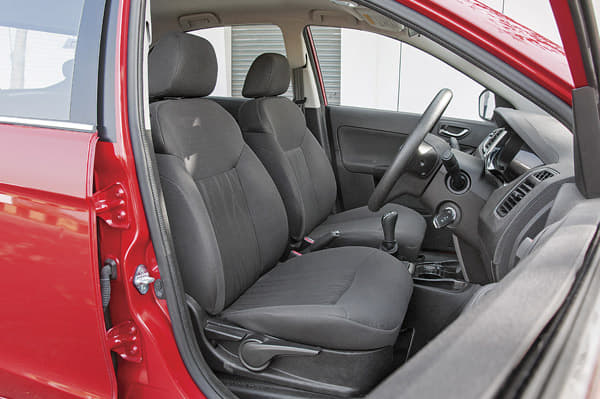
Front seats are big, but finding an ideal driving position is tough.
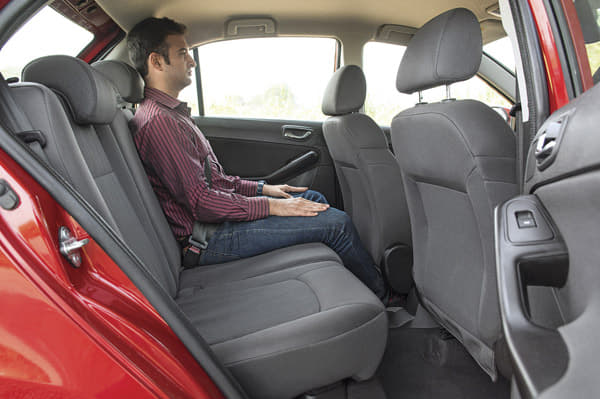
You sit high in the Bolt and thigh support is good.
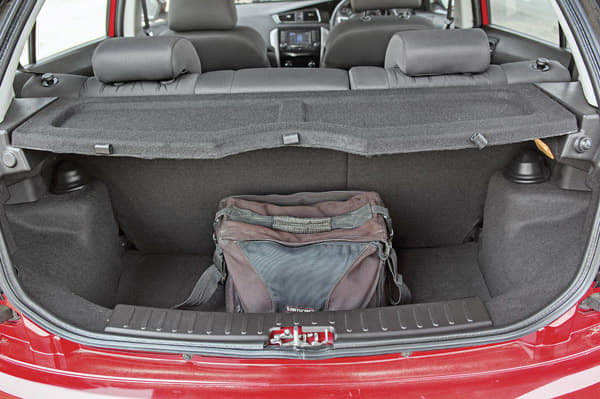
Bolt has smallest boot at 210 litres.
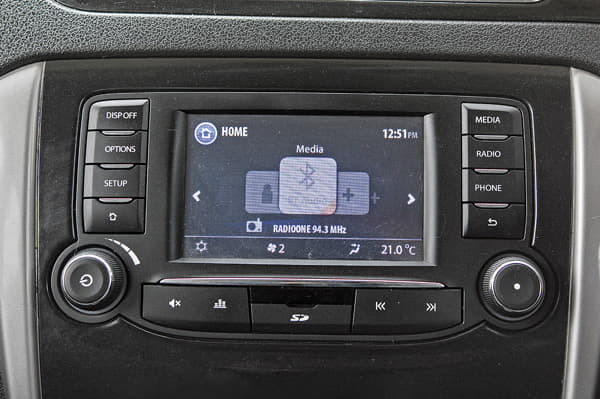
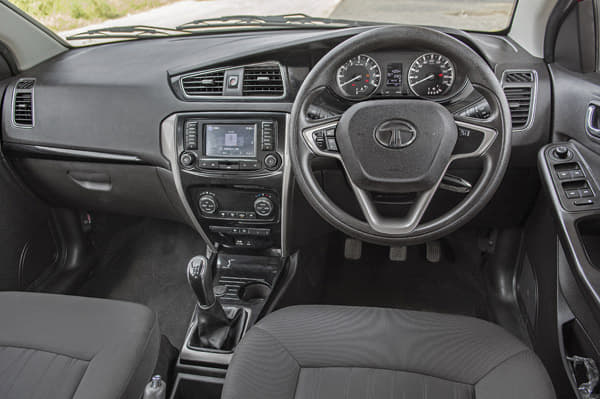
Bolt is the only one to get a touchscreen.
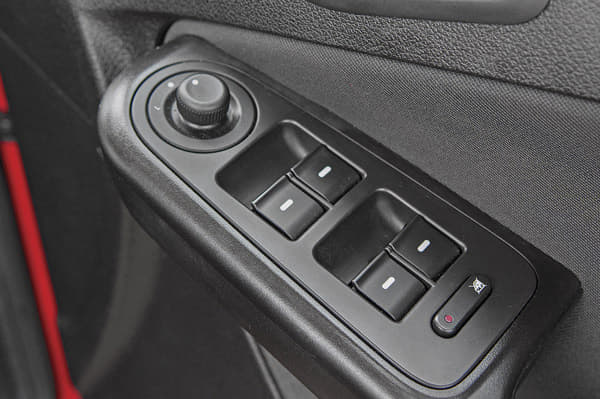
Some plastics are still hard and shiny on the Tata Bolt.
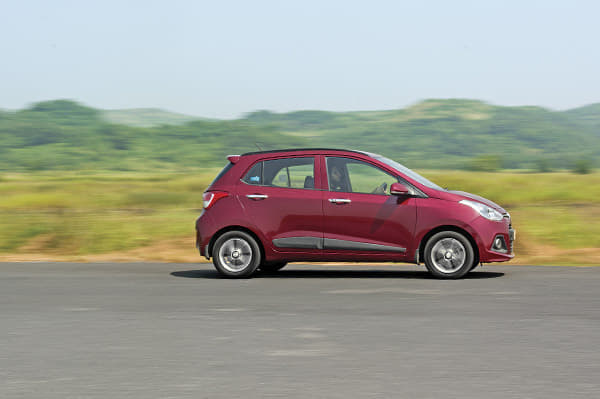
The Grand i10 feels out of breath on the highway, but is quite nice to drive in start-stop city traffic.
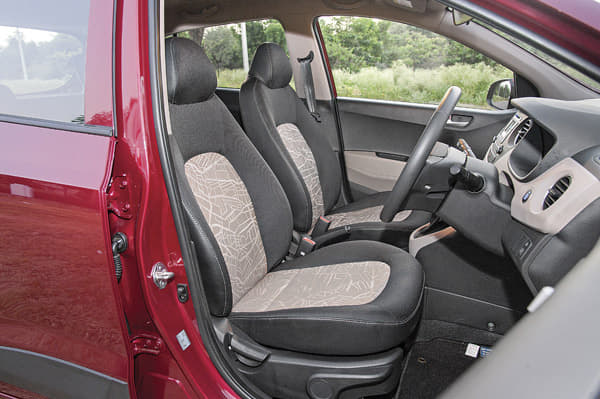
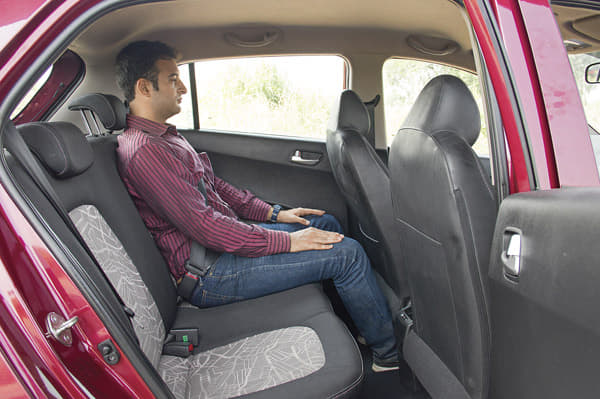
The i10 has the most legroom, but it is narrow.
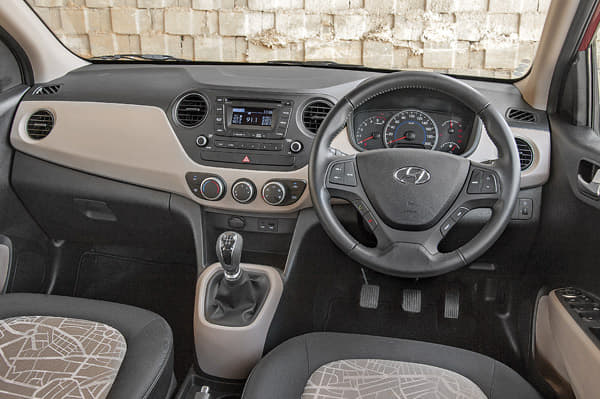
The dash is beautifully put together and quality levels are as good as on the Elite i20.
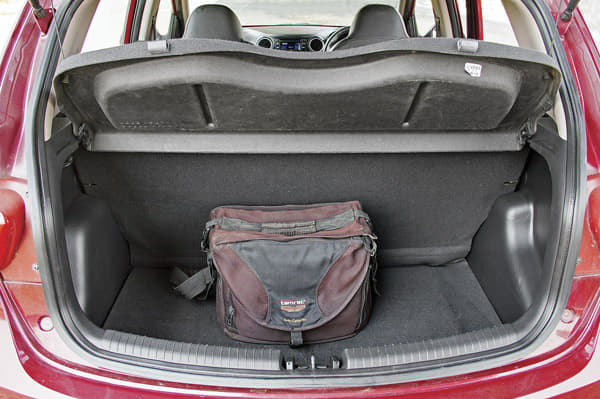
Grand has 256 litres and easy access.
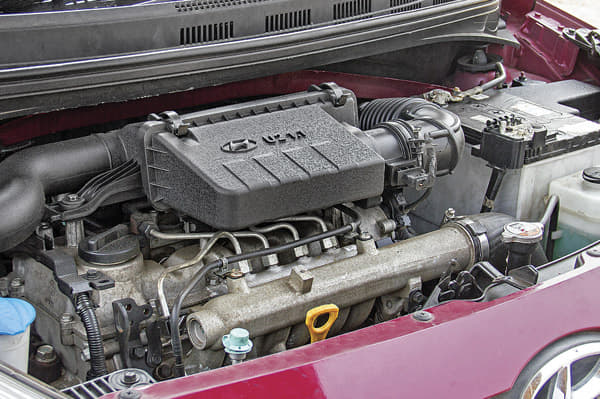
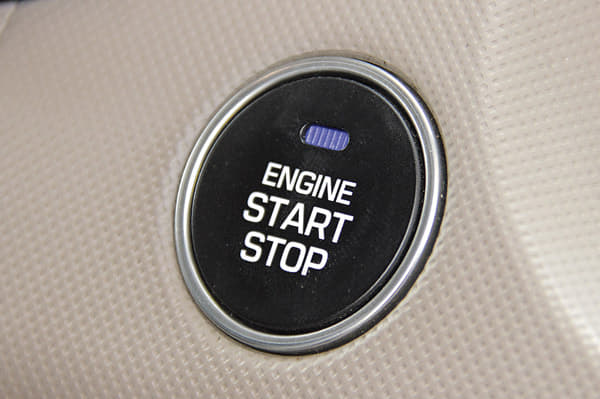
Keyless start-stop adds convenience to the Grand i10.
Audi to develop new petrol-electric hybrid powertrain
Staff Writer
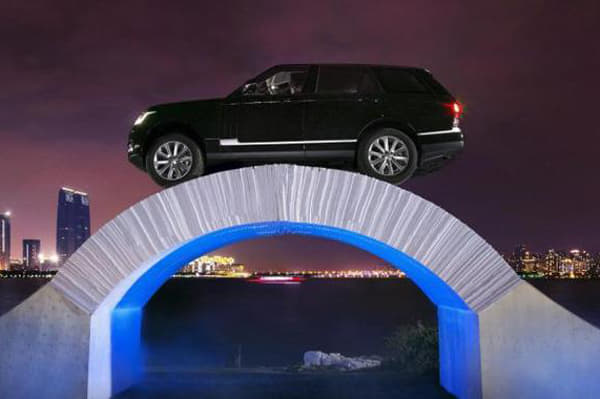
Range Rover completes 45 years
Staff Writer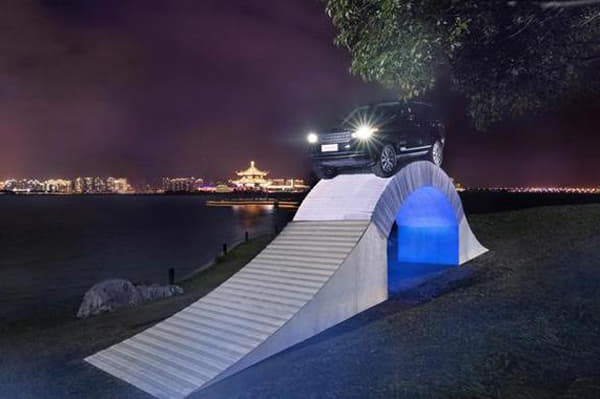
Poll of the month
Would you pick a luxury MPV over an equivalent SUV?
Upcoming Cars

Trending Cars


Latest Cars