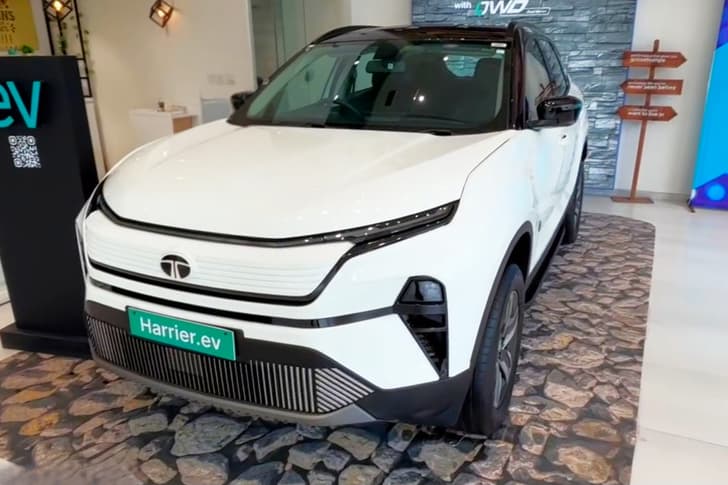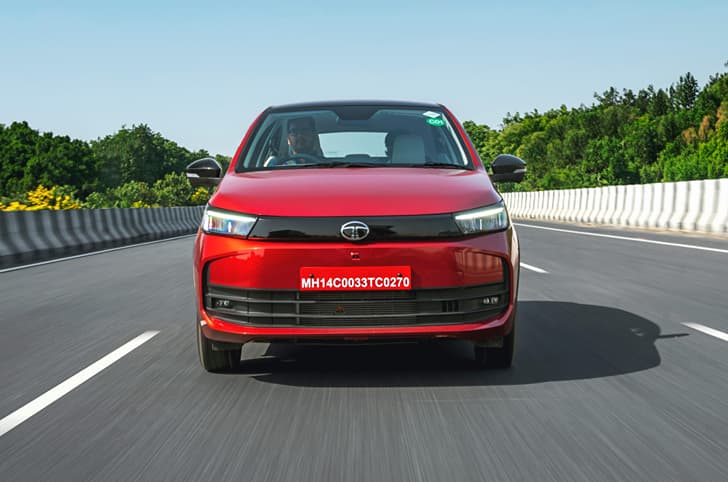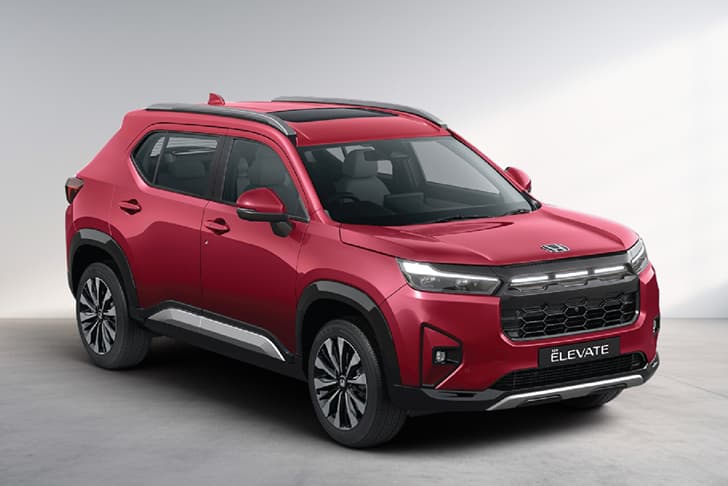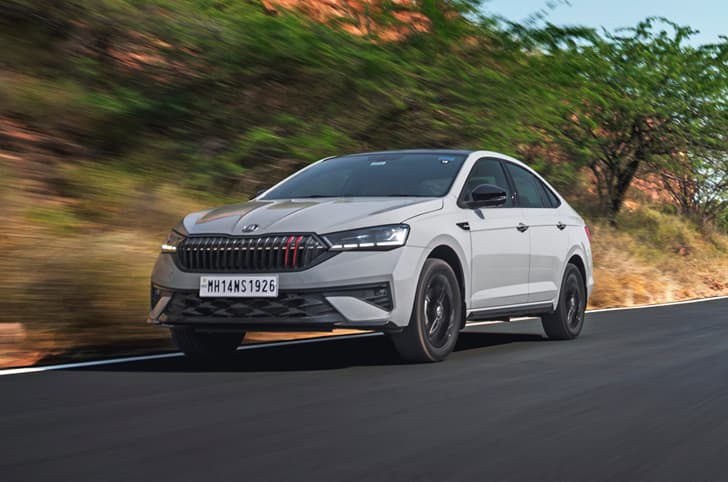
The latest draft of India’s Corporate Average Fuel Consumption (CAFE) Stage 3 norms proposes a relaxation in emission targets compared to the earlier September draft, with smaller cars set to benefit more from the revised framework.
While the formula used to calculate fuel-efficiency targets remains unchanged, the constants that determine the curve have been revised. These changes result in a flatter curve, allowing higher permissible emissions for a given vehicle weight.
- Emission limits eased compared to the September draft
- Greater benefit for smaller cars due to flatter curve
- Earlier 3g CO2/km relief for small cars removed
Revised formula makes targets less stringent
The updated draft reduces the multiplier and increases both the reference vehicle weight and baseline fuel consumption levels. Together, these changes shift the efficiency curve upward, effectively easing compliance requirements for manufacturers. The curve refers to the weighted-average target line that determines how much carbon dioxide a manufacturer's fleet is allowed to emit based on vehicle weight.
In the revised formula, the multiplier has been reduced from 0.002 to 0.00158 for the first year, while the reference weight has increased from 1,170kg to 1,229kg. The baseline consumption figure has also been raised from 3.7264 litres per 100km to 3.9960 litres per 100km for 2027-28.
This results in higher permissible emissions for the same vehicle weight compared to the earlier proposal.
Small cars see greater benefit
As CAFE targets are linked to vehicle mass, the revised curve does not affect all segments equally. Smaller cars, which sit further below the reference weight, see a greater easing in emission limits. Larger vehicles and SUVs also benefit, but to a lesser extent.
The earlier draft had proposed an additional 3g CO₂/km relaxation specifically for sub-4-metre petrol cars, with a cap of 9g CO₂/km per model per year. This was widely viewed as a direct cushion for the small-car segment, which remains sensitive to cost increases.
However, this explicit benefit has now been removed. Instead, the relaxation has been incorporated into the revised curve, resulting in a more uniform easing across segments rather than a targeted concession.
Changes to super credits system
The proposed framework includes super credits for electric and hybrid vehicles, allowing them to be counted as more than one vehicle when calculating fleet emissions. Under the April 2026 draft, each battery electric vehicle continues to count as three vehicles. However, compared to the September 2025 draft, the multipliers for strong hybrids and flex-fuel vehicles have been reduced – from 2.0 to 1.6 and from 1.5 to 1.1, respectively – according to BEE India documents.
Implementation timeline and scope
CAFE norms are part of India’s broader effort to reduce fuel consumption and emissions from road transport. Issued under the Energy Conservation Act, they apply to M1 category passenger vehicles, which include passenger cars designed to seat up to nine persons and weigh a maximum of 3,500kg.
The proposed Stage 3 norms are scheduled to come into effect from April 1, 2027.

 Dipan Sur
 Dhruv Dhaka

 Viraaj Bhatnagar