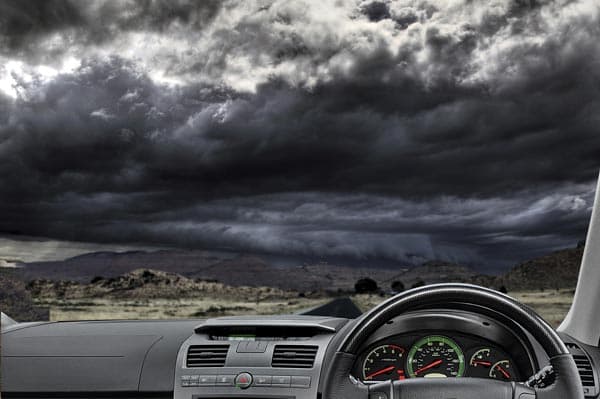
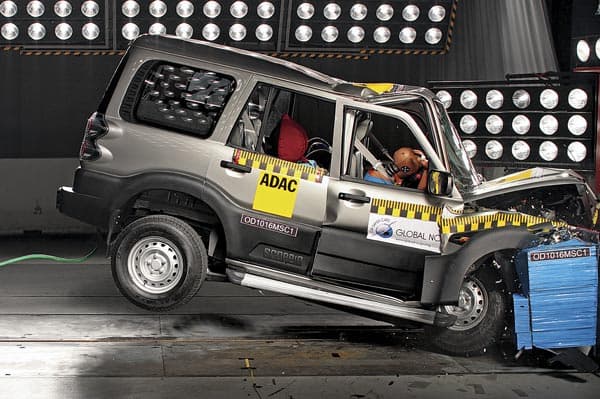
The automobile industry is currently under attack, it’s been called a cheat, a liar, a polluter and even a killer. Things are going wrong at every corner and the stars just seem to be misaligned. What has quite easily been mankind’s favourite product, the automobile is now seemingly the bad guy and the problems are complex and coming from different areas.
Smoke Screen
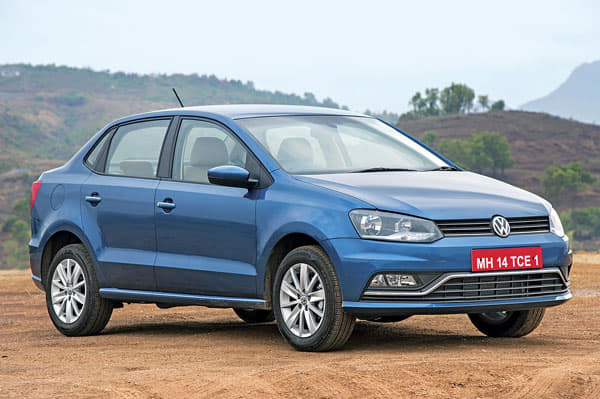
In a case of willful cheating, the VW Group, last year, was found violating Nitrous Oxide (NOx) emission norms on many of its diesel engines. With cross-sharing of engines across its brands, VW is now in the process of recalling 11 million cars globally to apply a fix.
Given the scale of the scandal, doubt was cast over the entire industry and soon, more skeletons began to tumble out of the closet. More brands were found cheating and running afoul of not just NOx, but CO2 emission norms as well. External and internal investigations are now underway at virtually every company and brands like Renault have already had to recall 15,000 cars after admitting that there was a difference between the test figures and actual emissions.
In various markets, plans are also afoot to shift testing methodologies from the current lab-based system to real-world testing cycles.
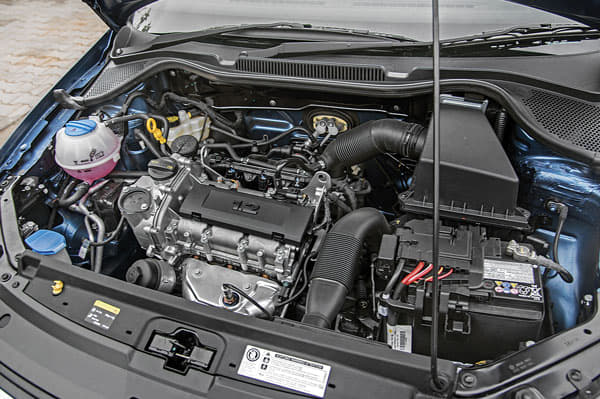
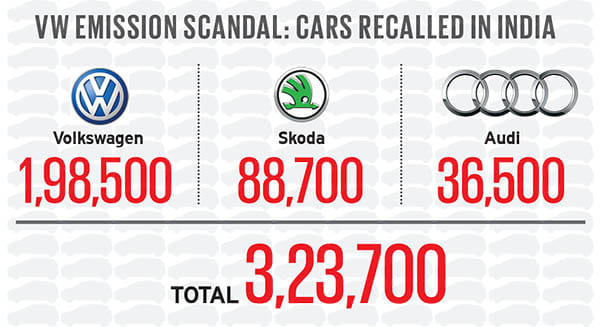
In India, ARAI testing revealed that VW cars were exceeding the Indian emission limits too. A total of 3,23,700 vehicles are now being recalled for a software fix. The models are equipped with EA 189 engines (which were at the centre of the worldwide scandal). However, VW says the voluntary recall in India is only to keep the engines in line with the latest technical updates, and the fuel consumption, performance and CO2 measurements will be unaffected after the software update.
The Extra Mile?
Mitsubishi and Suzuki recently admitted to falsifying fuel efficiency data for their cars sold in Japan.
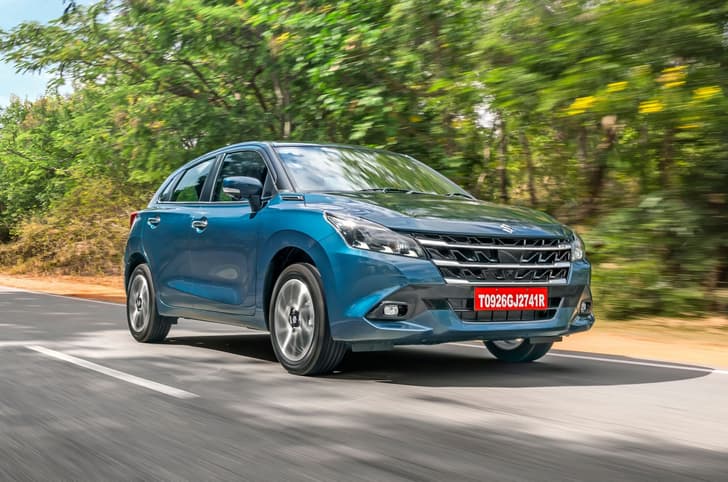
According to reports, the Mitsubishi tests overstated fuel efficiency by 5-10 percent for nearly 6,25,000 of its cars sold. For Suzuki, 16 of its total models on sale in Japan came under scrutiny for improper fuel-efficiency testing procedures, which include cars like the WagonR, S-cross, Swift and the Baleno.
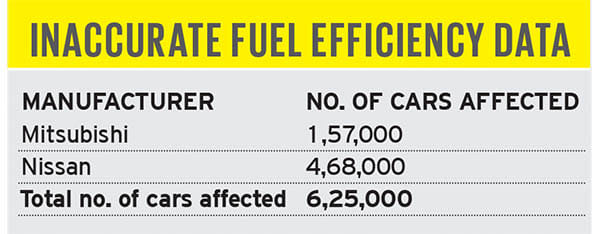
While this may be geographically limited, the shadow of doubt has spread. The scandal affected both companies drastically, impacting their market values and claiming the scalps of the top management including that of Suzuki CEO and chairman Osamu Suzuki who has a reduced role as chairman.
Killer Airbags
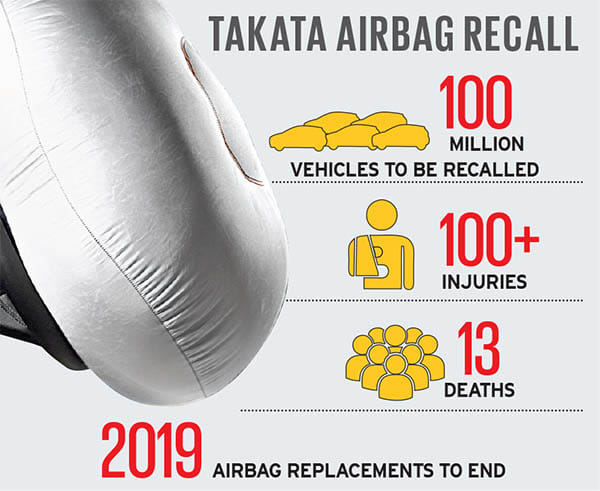
In what is the largest recall worldwide, over 100 million vehicles are to be recalled for faulty airbags. The airbags made by parts supplier Takata were fitted across various brands mainly to cars from model year 2002 to 2015.
The problem is the inflator housing that can rupture with explosive force in a crash, sending metal shrapnel flying through the cabin. The defect has so far been attributed to 13 deaths and over 100 injuries globally.
So, while the problems are very much global, individual markets have been grappling with their own local issues, and in India too, the automobile industry is facing its fair share of troubles.

 Viraaj Bhatnagar
 Dipan Sur
 Dhruv Dhaka

 Saptarshi Mondal