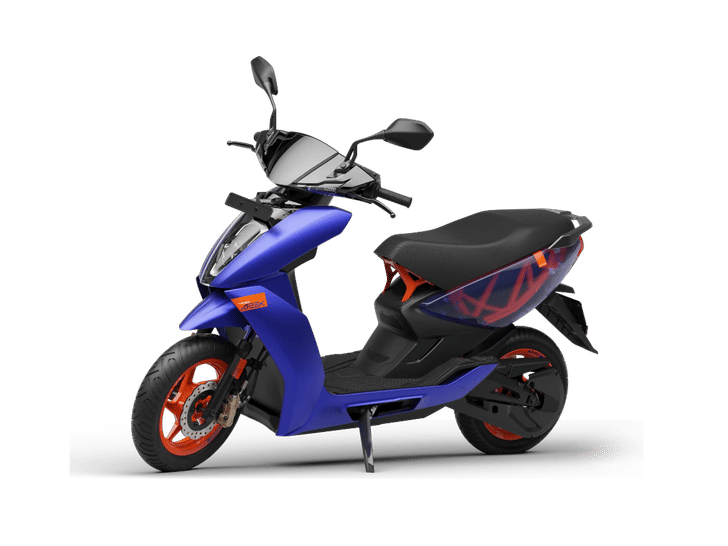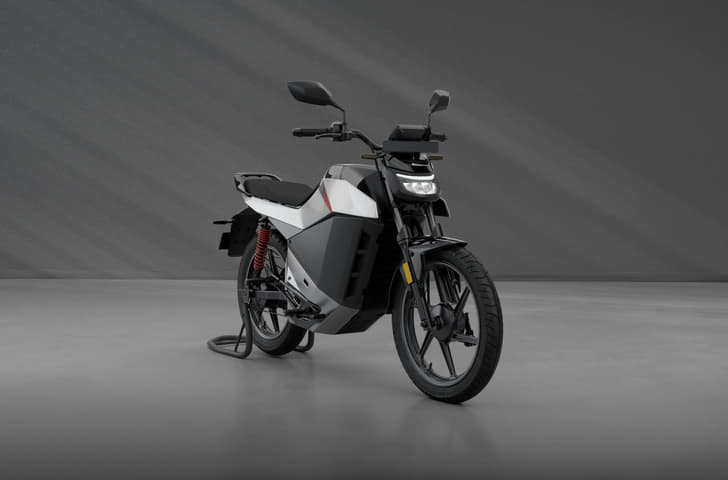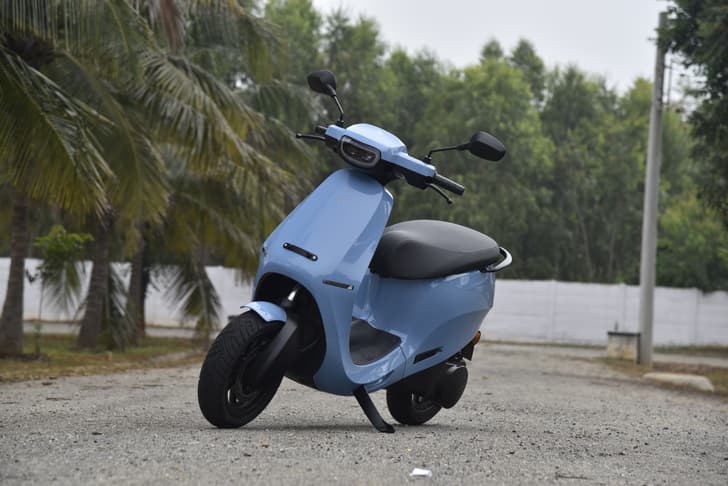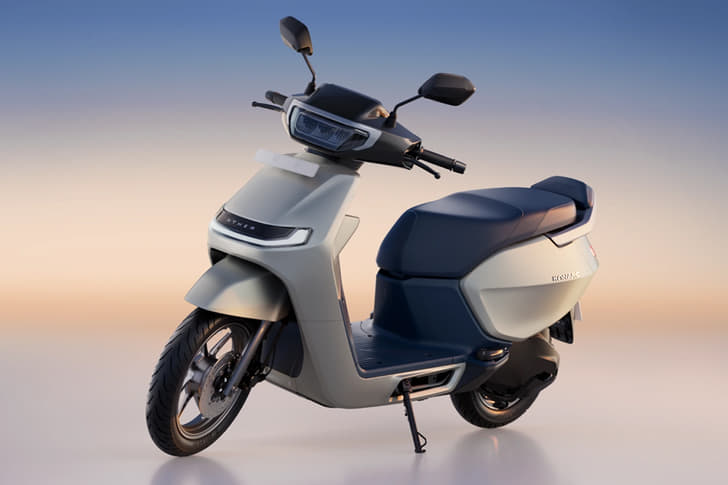

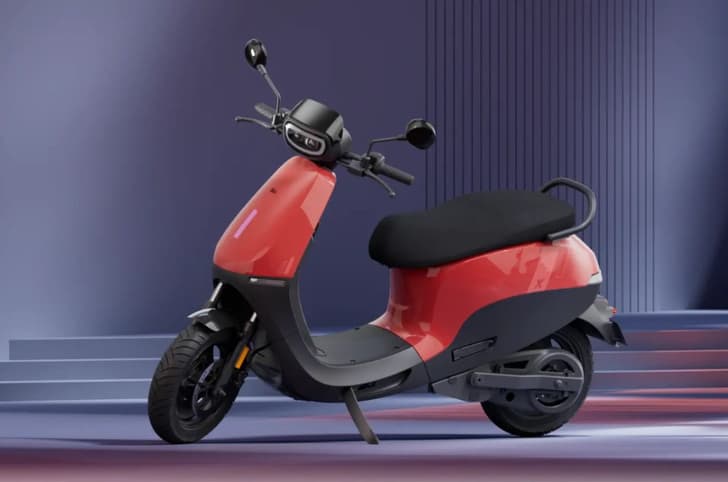
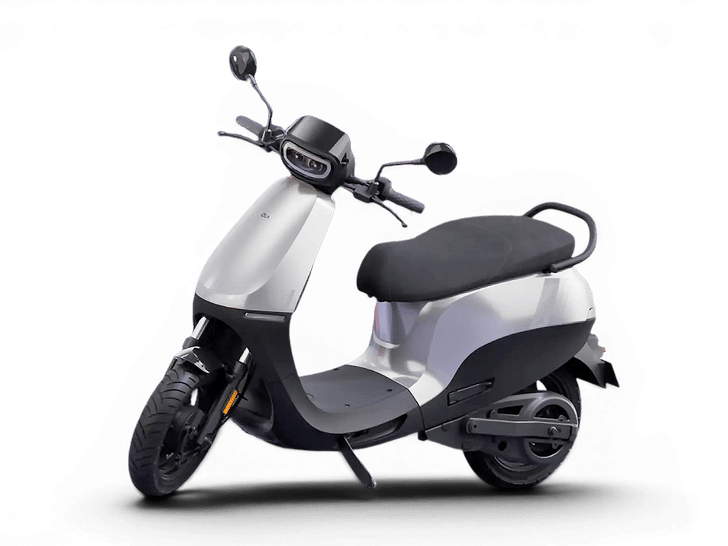
Ola Electric has expanded its line-up with the launch of the S1 X+ 5.2 kWh, priced at an introductory Rs 1.30 lakh (ex-showroom, India) until April 15. The new variant sits at the top of the S1 X range and brings a significantly larger battery pack, claimed to improve range and overall performance.
1. Ola S1 X+ gets a new top-end variant with larger battery pack
2. In-house developed 5.2kWh battery has a claimed IDC range of 320km
3. Ola Electric manufactures its vehicles at its Tamil Nadu facility
Ola S1 X+: What’s new?
This introductory price is valid till April 15
A key highlight is the use of Ola’s in-house developed 4680 Bharat Cell that was announced at Ola’s community day on August 15, 2025. Ola says the move is part of the company’s larger strategy to vertically integrate its battery and vehicle platforms. The S1 X+ 5.2 kWh is powered by an 11kW mid-drive motor paired with an integrated motor control unit. Ola claims an IDC range of 320km, along with a top speed of 125kph. The scooter also gets brake-by-wire technology and a front disc setup with single-channel ABS.
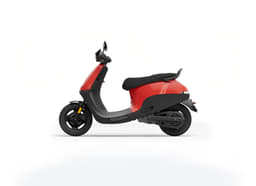
With this addition, Ola Electric claims that it is targeting buyers looking for longer-range electric scooters in the mid-price segment.
Ola Electric manufactures its vehicles at its Tamil Nadu facility and operates a battery innovation centre in Bengaluru focused on advancing cell technology.
Priced at Rs 1.30 lakh and equipped with a large 5.2kWh battery pack, the Ola S1 X+ rivals the electric two-wheeler market leader, the TVS iQube. Sitting at the top of its range, the iQube features a slightly larger 5.3kWh battery pack but has a lower claimed IDC range of 212km. It is also significantly more expensive at Rs 1.59 lakh (ex-showroom, India) but also gets a lot more in terms of features.
There’s also the question of broader market trends. According to VAHAN data, the TVS iQube has consistently ranked as India’s bestselling electric two-wheeler, holding the largest share of the segment. In contrast, Ola Electric has been on a downward trend.
The company slipped to sixth position in February 2026 – falling behind Greaves Electric Mobility for the first time – before recovering some ground in March. For context, Ola’s peak market share of 51 percent in May 2024 has since declined significantly, with the company now occupying fourth position as of March 2026.
 Vishal Venugopal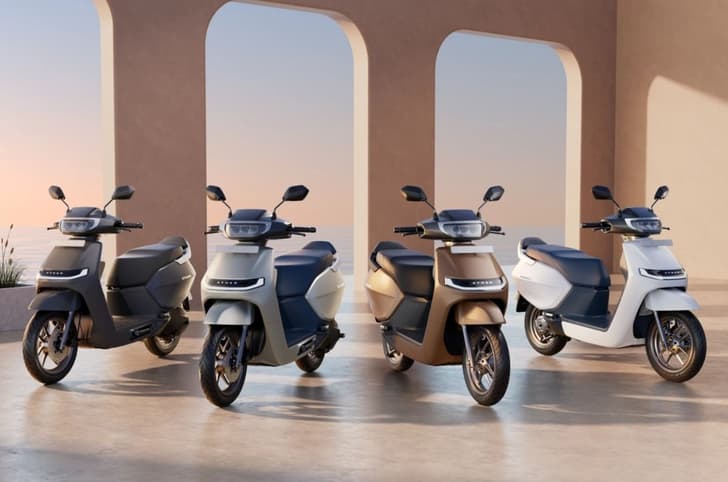
 Stephen Raj Antony