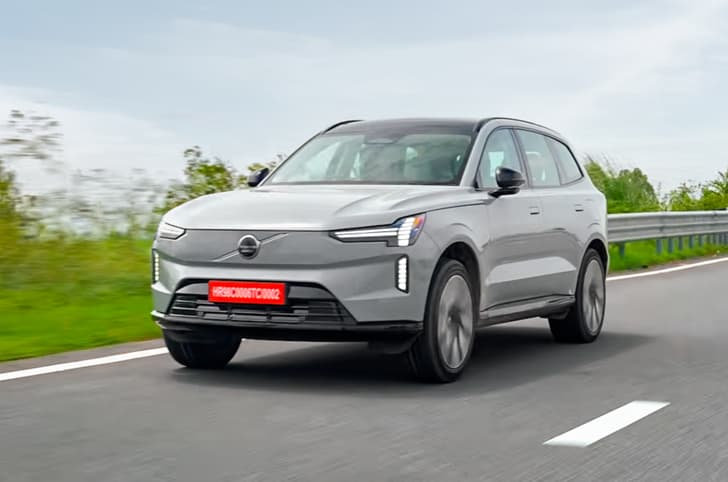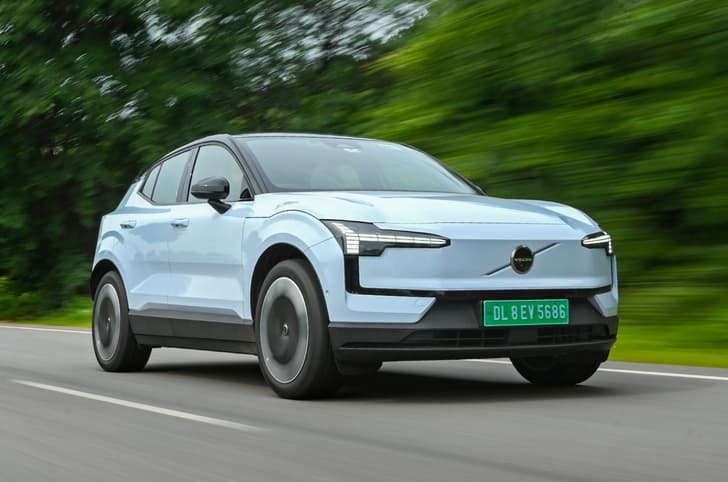
The Volvo EX30 has been launched in India as the Swedish carmaker’s most affordable model. It enters the jam-packed entry-level luxury EV segment, which is populated by formidable contenders like the Hyundai Ioniq 5, BMW iX1 LWB, Kia EV6, BYD Sealion 7, Mercedes-Benz EQA, Tesla Model Y and Mini Countryman Electric. Facing off against such strong competition, what does the EX30 offer to swing buyers toward it, and where does the small Volvo falter? Read below to find out.
Segment best pricing
EX30 is now the most affordable entry-level luxury EV in India
EX30 39.99 (41.00 after Oct 19) | Ioniq 5 46.30 | iX1 LWB 49.00 |
EV6 65.97 | Sealion 7 48.90-54.90 | Model Y 59.89-67.89 |
EQA 67.20 | Countryman Electric 54.90 |
Thanks to local assembly, the 2025 EX30 price starts at Rs 39.99 lakh for buyers who pre-book the EV until October 19, following which its price will be bumped to Rs 41 lakh. Even at the increased price, the EX30 undercuts its rivals by up to Rs 26.89 lakh, making it the cheapest entry-level luxury EV in India that you can currently buy.
Refined and easy to drive
69kWh battery, rear motor configuration makes 272hp
The EX30 is equipped with a 69kWh nickel-manganese-cobalt battery pack that powers a sole rear-mounted motor. This setup produces 272hp and 343Nm, with a claimed 0-100kph time of 5.7 seconds, placing the EX30 on the more potent side of its segment. However, Volvo hasn't tuned this powertrain with performance in mind.
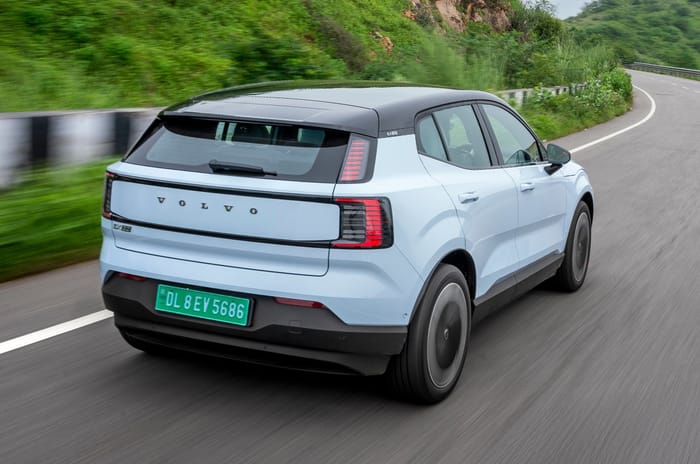
Our EX30 review notes that the EV's power delivery is gentle and linear, allowing for effortless driving at city speeds. It also has a one-pedal driving mode, which is a boon for dealing with bumper-to-bumper traffic. The EX30 does quite well on the refinement front, too, sheltering occupants from vibrations and road undulations efficiently.
Sustainable interior materials
Volvo has heavily utilised recycled materials for the EX30’s interior
Being an EV, the EX30 is all about eco-friendliness and sustainability, and this shines through in its interior. Recycled materials have been extensively used for the EX30’s dashboard and upholstery, instead of traditional leather, and metal can only be found on the AC vents and door handles.
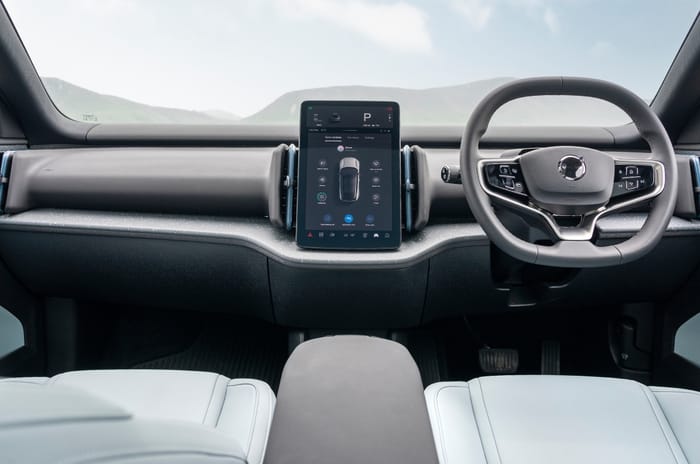
This will likely be appealing to buyers who care deeply about helping the planet, and though not luxurious in the conventional sense, the EX30’s interior does feel quite light, airy, and largely comfortable, at least for occupants up front.
With the EX30’s advantages out of the way, let’s delve into a couple of its weaknesses.
Cramped rear seat
Limited space for taller passengers and knees-up seating

As hinted above, rear occupants may not find the EX30 all that comfortable. Typical of many EVs, the EX30 has a raised floor that gives rise to a knees-up seating position, and passengers over 6ft tall will find both headroom and legroom tight at the back. The EX30’s rather narrow width also makes its rear bench best suited for just two adults.
Some key features missing
Heated and ventilated seats, drive modes, rear AC vents, etc., aren’t on offer.
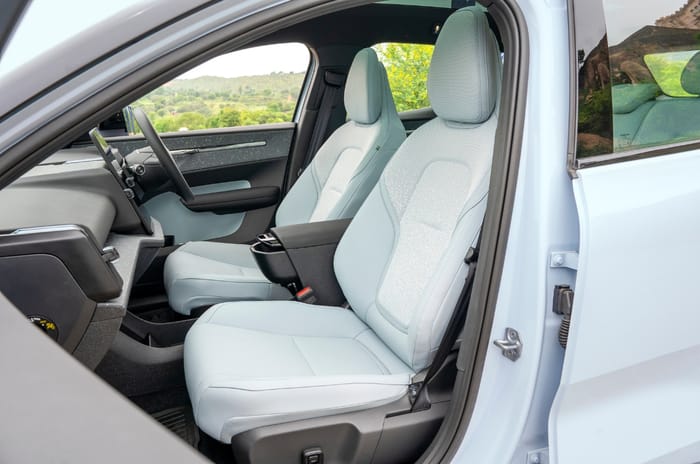
Despite the EX30 costing well above Rs 45 lakh on-road, it misses out on some features that buyers may expect at this price point. These include ventilation, heating and massage functions for the front seats, rear sunshades, wireless Android Auto, drive modes, reclinable rear backrests, adjustable regen, rear AC vents and a heads-up display.
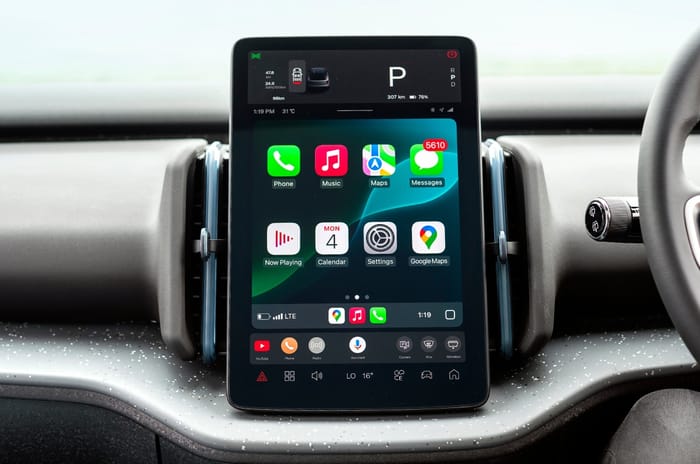
There’s also the matter of the 12.3-inch vertically mounted infotainment touchscreen, which feels responsive to use but integrates almost every in-car function, including the instrumentation, climate control, and even headlight and mirror adjustment. Having to take your eye off the road while driving to fiddle with the touchscreen’s menus can be unsafe.

 Uday Singh
 Dipan Sur

 Glenn Noronha