autocar-logo
Delhi

Nissan X-Tronic CVT automatic

We take a look at the transmission technology that offers the fun, comfort and practicality of an automatic With better fuel efficiency than a manual.
2 min read5 Feb '16
Staff Writer

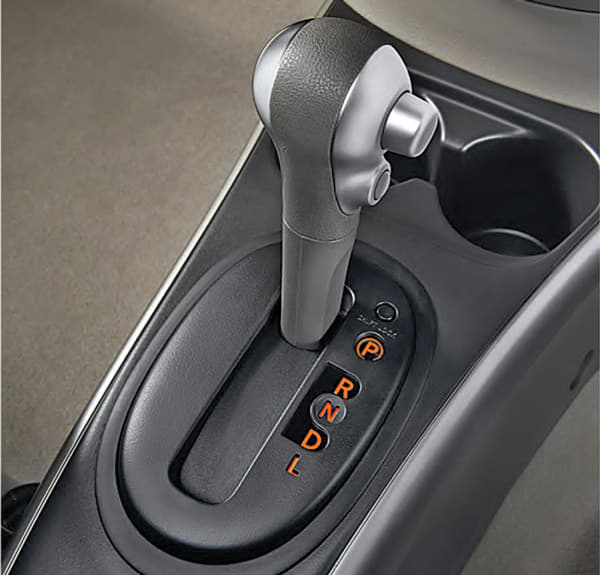
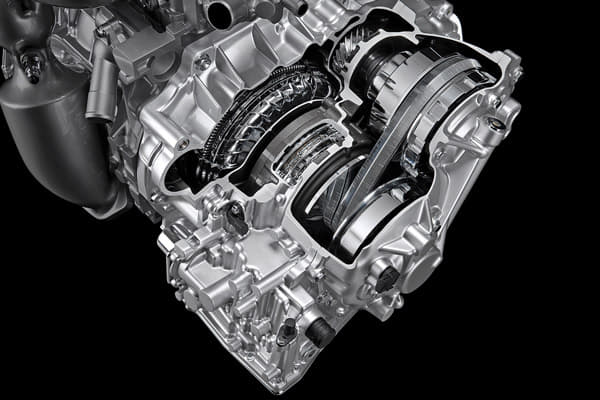
Continuously variable transmission provides a smooth driving experience with seamless power delivery.

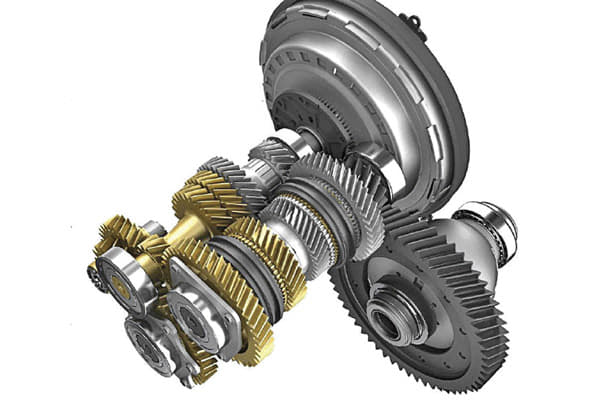
An internal view of the simple, lurch-prone AMT system.

CVTs provide a smooth, premium and luxurious feel while driving.

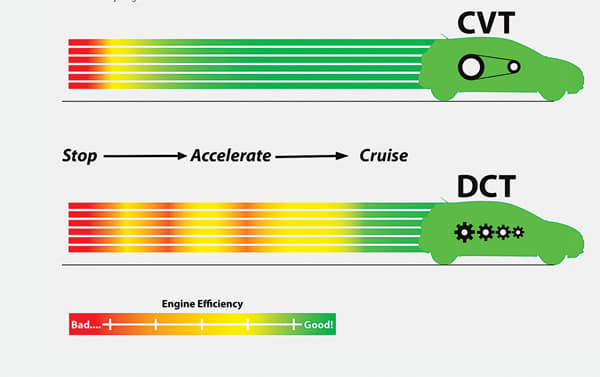
The absence of planetary gears in the cvt means it can operate the engine at optimal efficiency as compared to other high-tech transmissions like the dCT.

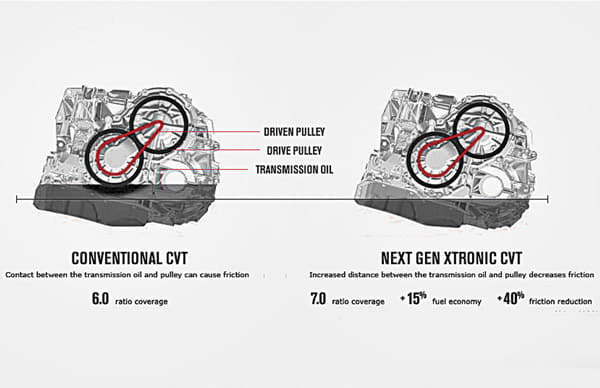
Increased distance between Transmission oil and pulleys in Nissan’s CVT (right) means less friction and higher fuel economy.

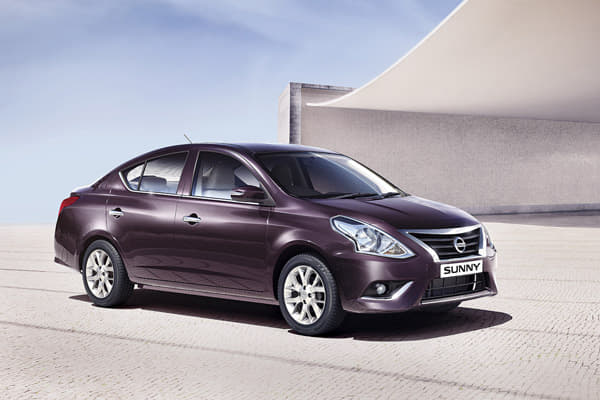
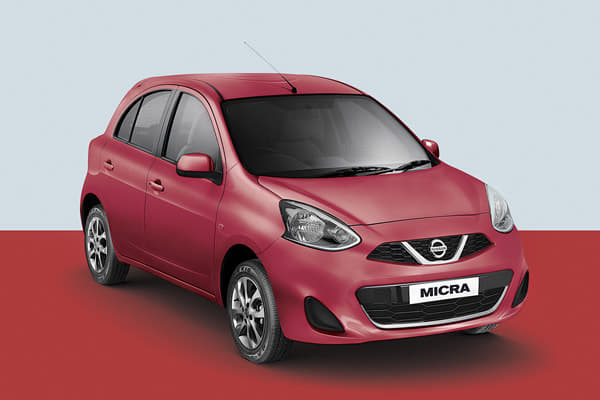
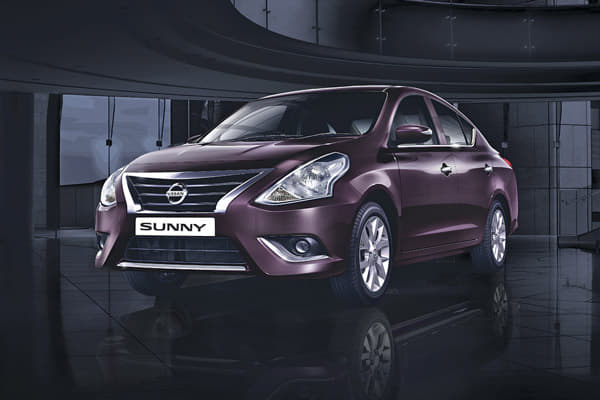
The Nissan CVT system on the Micra and Sunny comes with a sport mode that makes these cars even more fun.

It’s undeniable. Cars with automatic transmissions are steadily gaining popularity in India. And why not? Traffic conditions are bad and our roads aren’t getting any wider. Navigating the urban stop-and-go traffic is invariably a painful experience. Cars with automatic transmissions provide some much needed relief in these situations. They make driving a much more comfortable experience.

They were once considered a luxury. Understandable, since early automatics weren’t very efficient or economical. Buying one at those times in India could be considered a momentary lapse of reason. Today, thanks to advances in technology, the automatics available in the market are a far cry from what was available earlier. There are also a number of different types of automatic transmissions available in India today. There’s the traditional torque converter, the Automated Manual Transmission (AMT), the Dual-Clutch Transmission (DCT) and the Continuously Variable Transmission (CVT). Of these, the most popular and widely available in the market today are AMTs and CVTs. On the surface, both offer similar benefits - relatively inexpensive to buy, easy to drive and easy to live with. How then do you decide? And which one of these two is actually better? Short answer - CVT. Why? For that you’ll have to understand how it works. We’ll try not to get too technical with this.

How it works

An AMT is essentially a manual transmission with an automatic clutch and gear shifting mechanism.

It shifts gears like a regular manual car without inputs from the driver. Just like a regular manual car, the AMT also has a fixed set of gears. Every time the AMT system changes gears you can feel a sharp jerk. This jerk that occupants of the car feel as the engine revs fall dramatically when a gear is changed by the AMT system is also called shift shock.

In comparison, the CVT system has been designed to provide a smooth driving experience with linear power delivery. It works with a virtually infinite set of gear ratios and continuously changes the ratio as necessary. This is a seamless system that completely eliminates shift shock. In a CVT system, there are no traditional gears with fixed ratios to change. Think of it as a system with one gear and infinite ratios.

A company that has been at the forefront of CVT development since it was first introduced is Nissan. Over the next few pages, we’ll take a closer look at how Nissan’s CVT is not just a step up from regular AMTs, but other CVT systems as well.
 

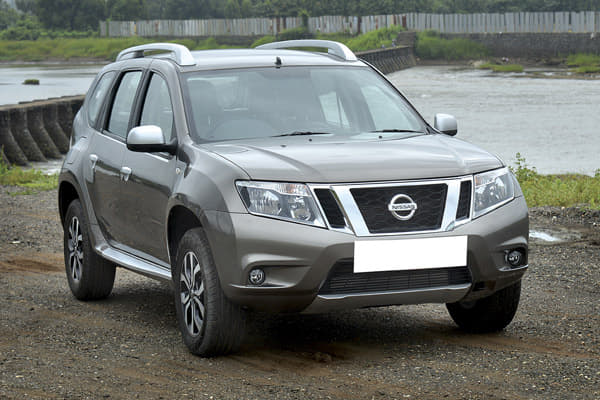
Renault Duster or Nissan Terrano

The Renault Duster comes with the advantage of AWD. Any idea when the AWD Terrano will be launched?
1 min read16 Jan '16
Staff Writer

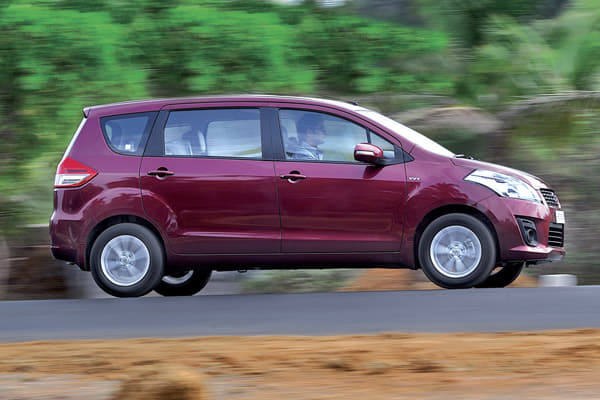
Maruti Ertiga Green (CNG) has no temperature guage

How will I be able to tell if my car is heating?
2 min read14 Jan '16
Staff Writer

Rise of the Scorpion

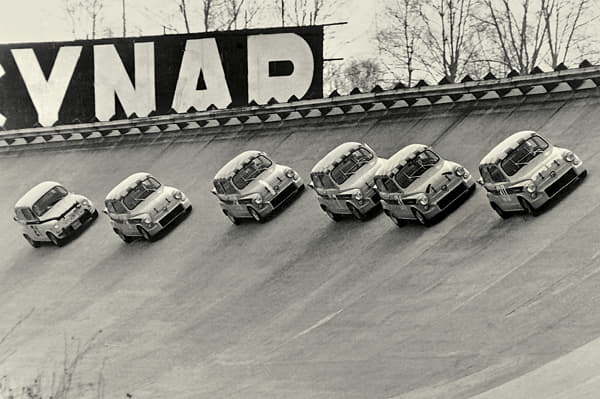
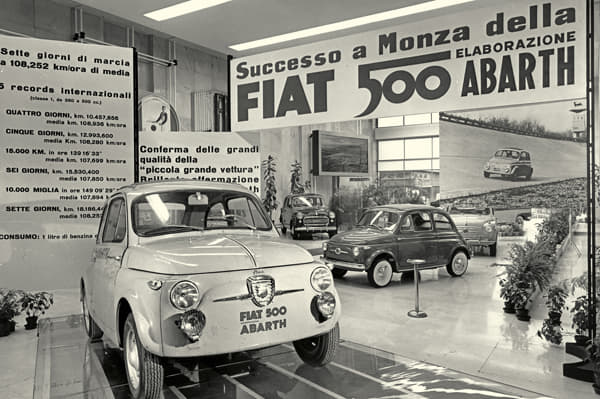
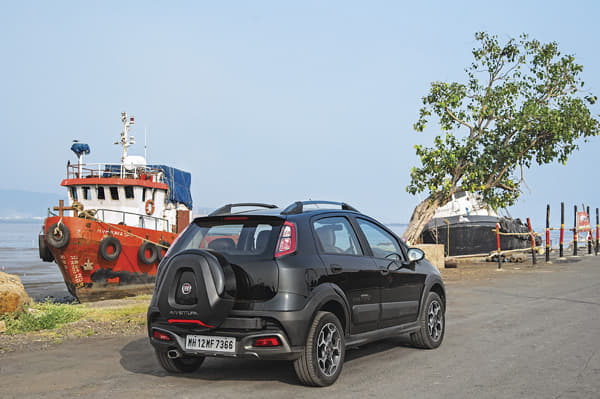
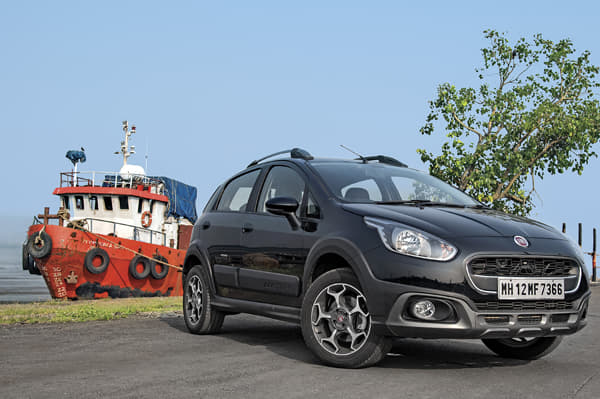
Fiat’s performance arm Abarth is in India. Here’s why you should be very excited.
2 min read11 Jan '16
Staff Writer

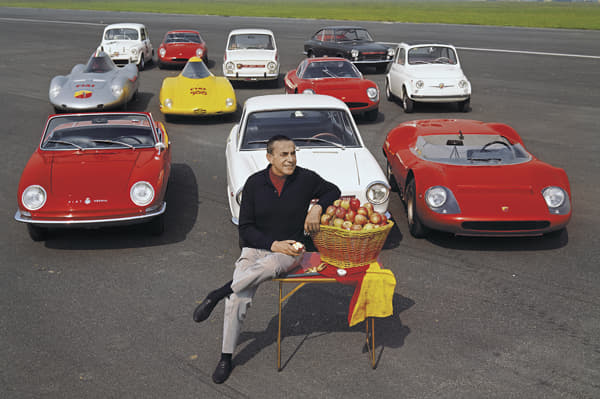
Race wins, records and everyday practicality made the Fiat 500 Abarth a popular car.

“Motors, machines, motor-races, love of cars, passion for speed. It is the obsession – the very beautiful obsession which has reached the whole of humanity. It has made us ardent admirers of what goes faster and of what is more mechanically pure.”

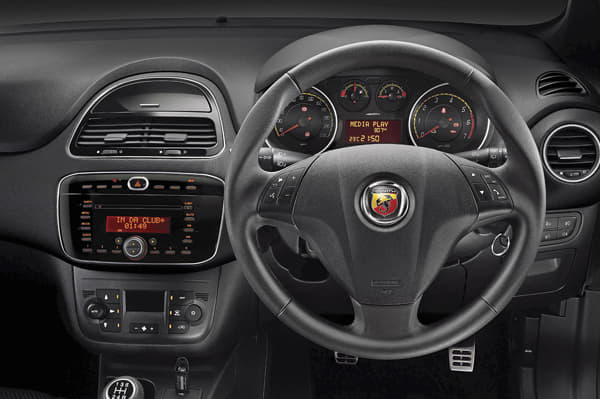
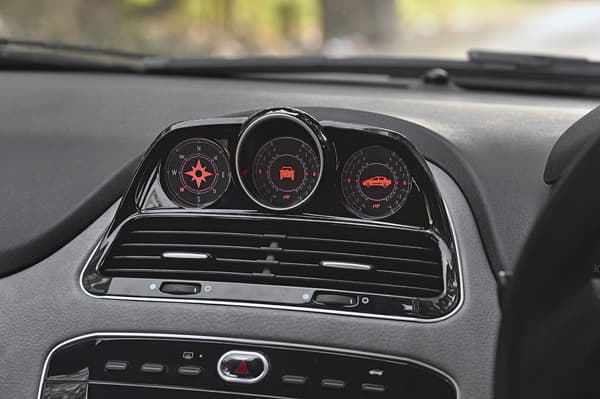
The command centre that gives you access to some great driving experiences.

A compass and two inclinometers let you know how far off the map and off the edge you’re going.

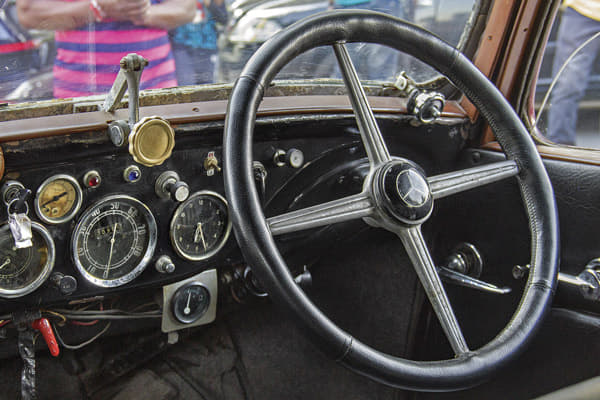
Mercedes Classic Car Rally 2015 feature

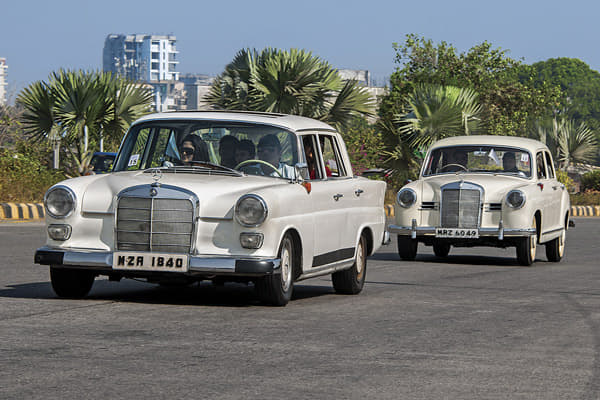
From Pontons to Fintails and beyond, India’s biggest collection of Mercedes-Benz classics drive Mumbai’s western coastline in the Classic Car Rally.
2 min read11 Jan '16
Staff Writer

Mercedes CEO Folger rides shotgun in a 170 V.

Owners take the opportunity to show off their treasures with family and friends.

Lavish interiors, pristine exteriors on Marine Drive.

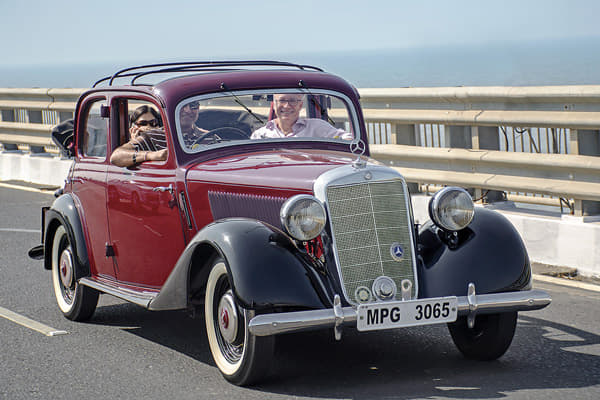
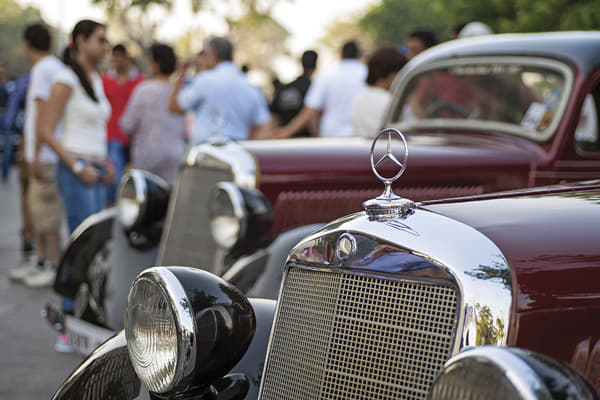
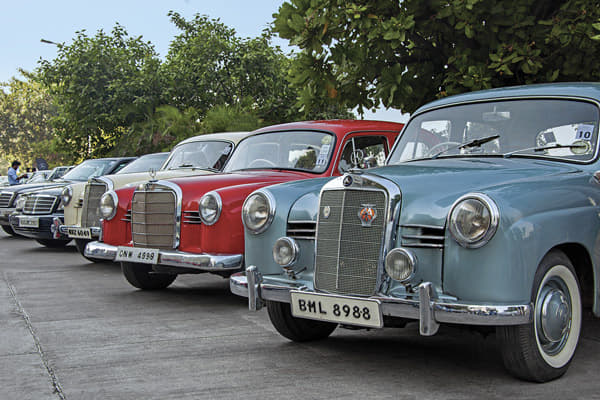
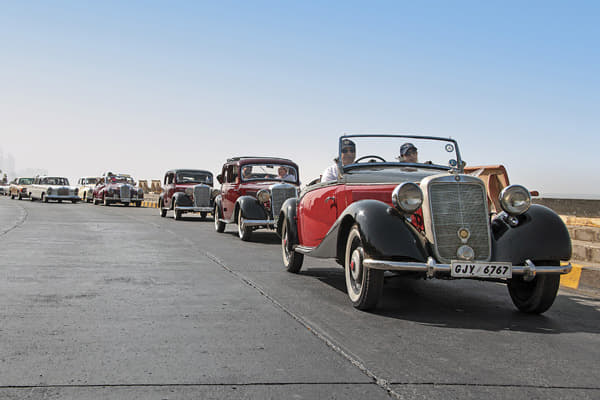
170 Vs, with their stand-up radiators, lead the pack.

Lovingly restored and passionately cared for, 70 classics take part in the procession.

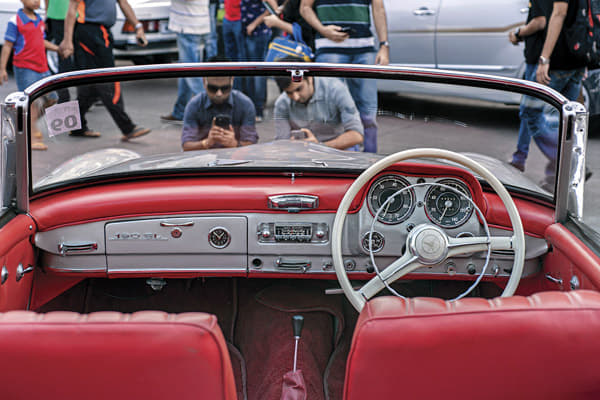
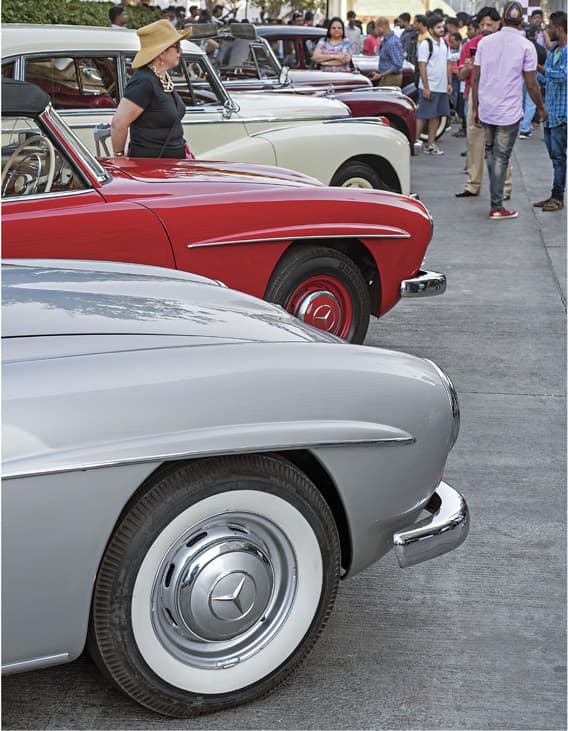
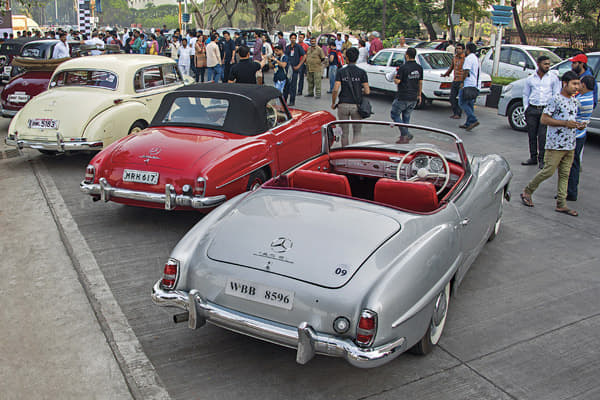
An elegant 190 SL draws in the crowds and gets in plenty of pictures.

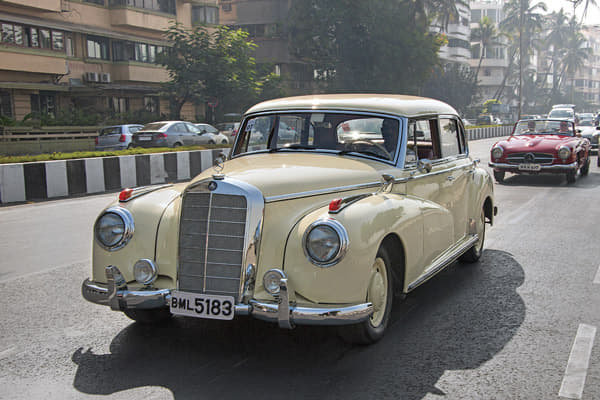
Coupés, drop-tops, sedans and limos through the decades, all are present at the rally.

History lesson: Patentwagen to Ponton to S-class, Mercedes’ rich heritage is on show at the starting line.

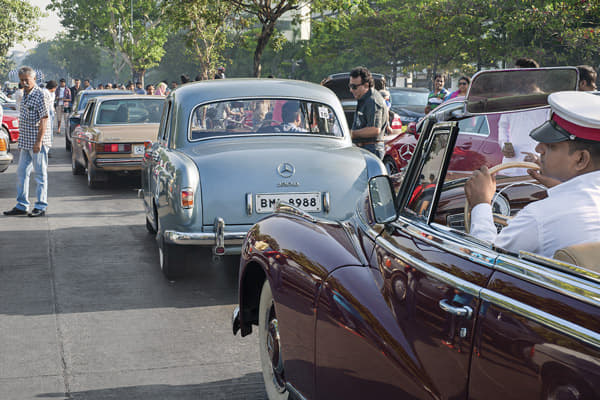
Point to point: Iconic Fintail Mercs join the party at Nariman Point.

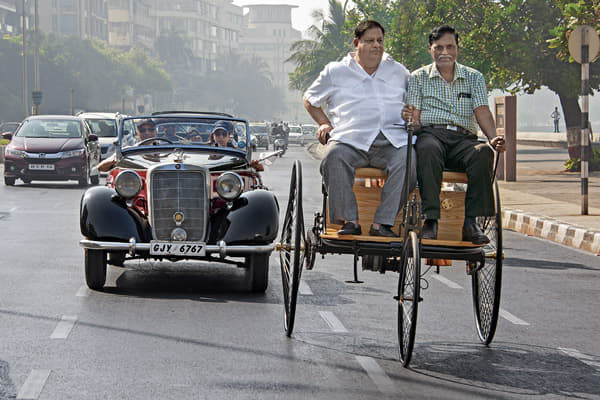
The Patentwagen replica takes to the streets.

“Once you get it up and running out on the road, there are few joys that are comparable.”

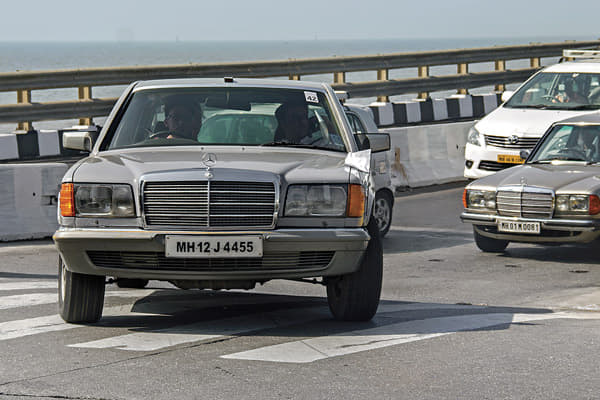
The procession takes the route over the Sealink to Bandra and back to celebrate Mercedes-Benz’ rich heritage and showcase some classics.

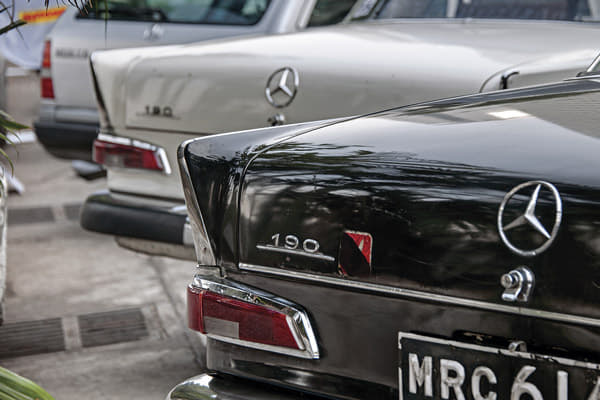
The 190 Fintail drives in front of the car it replaced in Mercedes’ line-up back in the 1960s.

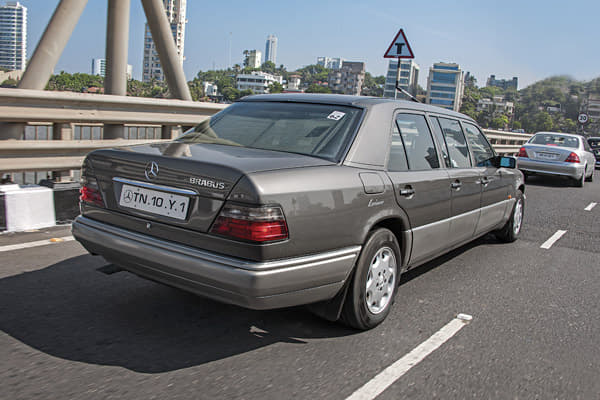
Big and beautiful: Six-door E-class limousine.

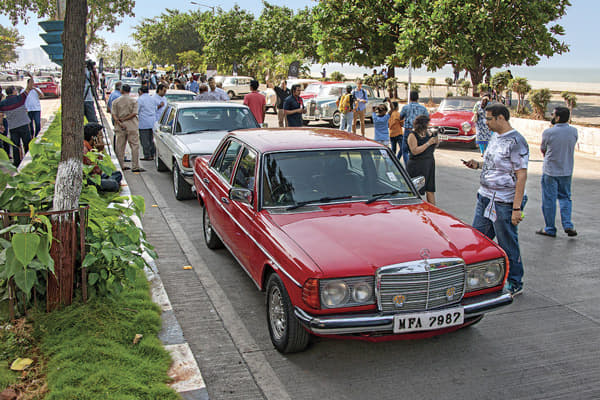
W123s, the pre-runners of the E-class, were really popular imports into India.

Find your own roads.

We've put together 10 great road trips. How many more can you find?
1 min read6 Jan '16
Staff Writer
Nissan X-Tronic CVT automatic - Introduction | Autocar India