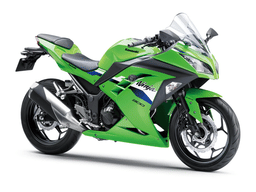

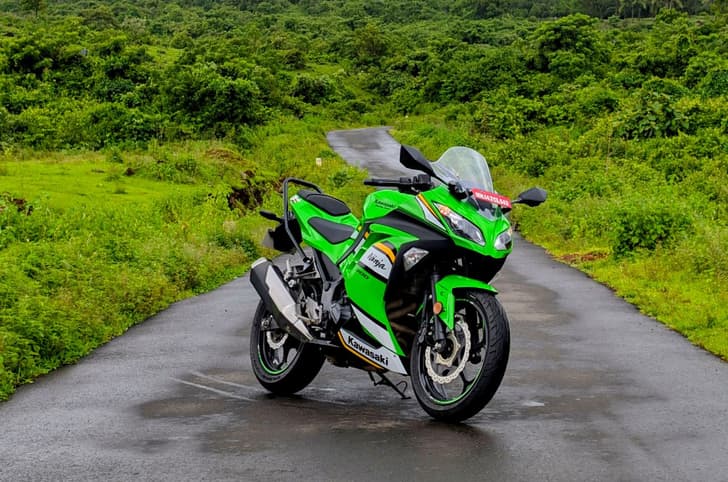
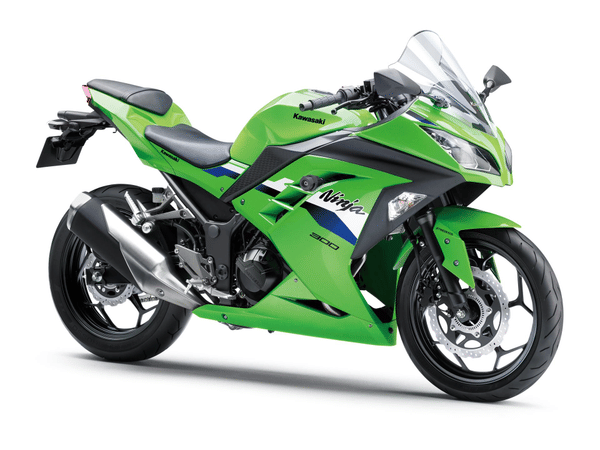
Kawasaki's Ninja 300 has been around for more than a decade, yet it still holds a certain charm for those stepping into the world of fully-faired twins. With its 296cc parallel-twin, a manageable 179kg kerb weight, and Kawasaki’s signature sportbike DNA, this baby Ninja promises more than just sharp looks. But what do the numbers say?
Kawasaki Ninja 300: Acceleration
Testing was conducted a wet patch of road during monsoon
0–60kph 3.20s | 0–100kph 6.90s |
The Ninja 300 gets off the line cleanly, and its free revving twin-cylinder ensures there’s no hesitation as it revs up. Still, these figures put it closer to the quicker 300cc singles rather than today’s faster 400s. It’s not explosively quick, but the way it builds speed is quite smooth and feels more refined than single-cylinder rivals. True to its character, the Ninja 300 prefers to be revved out, rewarding riders with a strong top-end rather than low-end punch.
Kawasaki Ninja 300: Roll-on acceleration
It is powered by a 296cc parallel-twin that produces 39hp at 11,000rpm and 26Nm at 10,000rpm
20–50kph (2nd gear) 2.79s | 30–70kph (3rd gear) 4.68s | 50–80kph (4th gear) 4.42s |
These roll-on figures highlight the Ninja’s reasonably decent in-gear acceleration. While it doesn’t surge forward with brute torque, it offers enough mid-range to manage quick overtakes without always dropping a gear. The parallel-twin smoothness also means it holds higher speeds comfortably, making highway cruising one of its strengths.
Kawasaki Ninja 300: Braking
The Ninja 300's braking performance is adequate with early ABS intervention
60-0kph 17.24m |
Braking performance is adequate, though not class-leading. The bite is progressive, and there’s enough feedback to inspire confidence. The ABS, however, tends to intervene a little sooner than you’d like, which can stretch stopping distances in panic situations. The MRF Nylogrip Zapper tyres on the test bike do their job, but more premium rubber would extract better braking and cornering confidence from the Ninja 300.
Kawasaki Ninja 300: Specifications and price
This motorcycle's engine has largely remained unchanged since 2013.
Engine 296cc, parallel twin, liquid-cooled | Power 39hp at 11,000rpm | Torque 26Nm at 10,000rpm |
Gearbox 6-speed | Fuel capacity 17 litres | Kurb weight 179kg |
Brakes (F/R) 290mm disc / 220mm disc | Tyres (F/R) 110/70 - R17 / 140/70 - R17 | Price (ex-showroom) Rs 3.43 lakh |
The Ninja 300 may not trouble the new crop of 400cc machines at outright speed, but it continues to deliver a beginner rider-friendly experience. Its acceleration is smooth, roll-ons are respectable, and braking is dependable, if a little held back by conservative ABS and tyres. More than the raw numbers, it’s the refinement of that twin-cylinder engine and the approachable nature of the package that keep this baby Ninja in the conversation even today.
 Vishal Venugopal
 Ved Janve
 Stephen Raj Antony