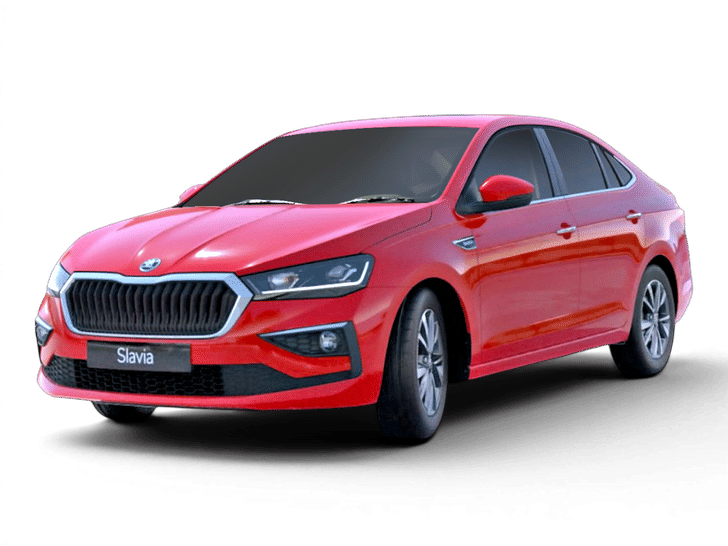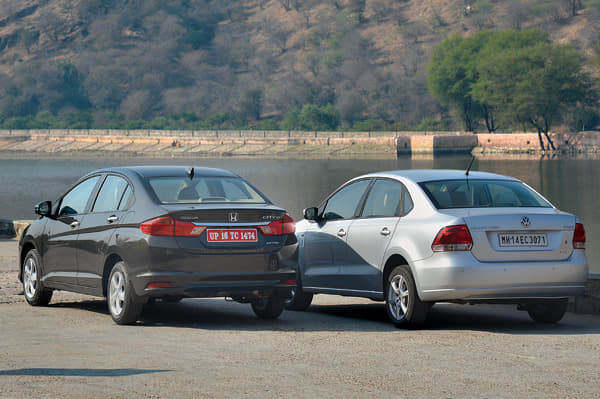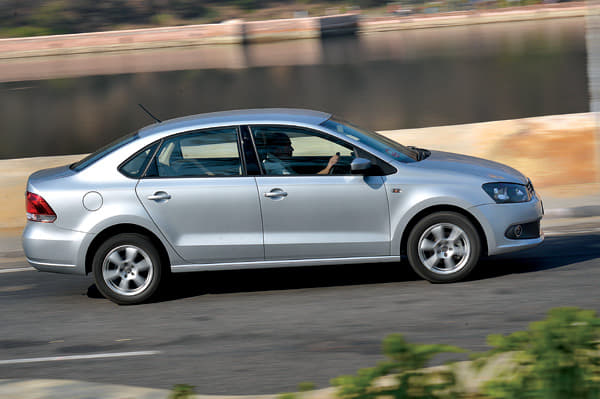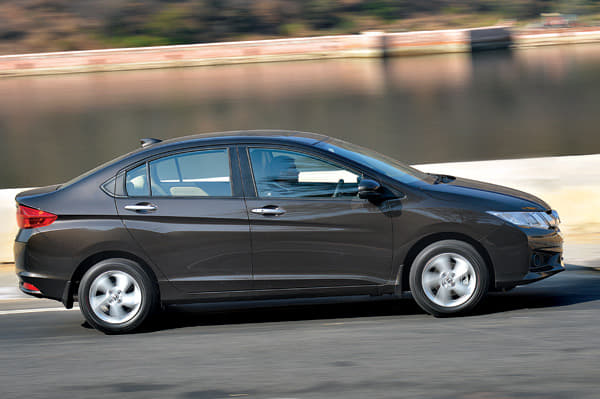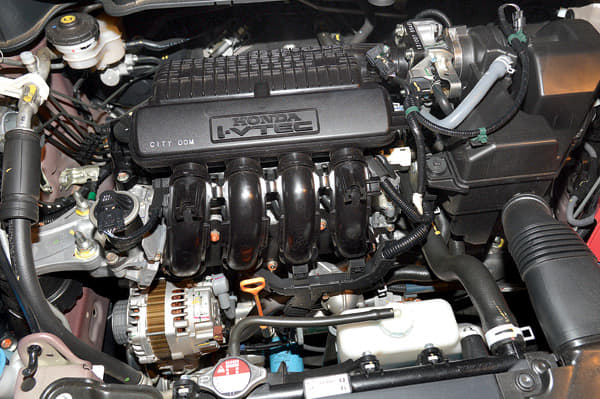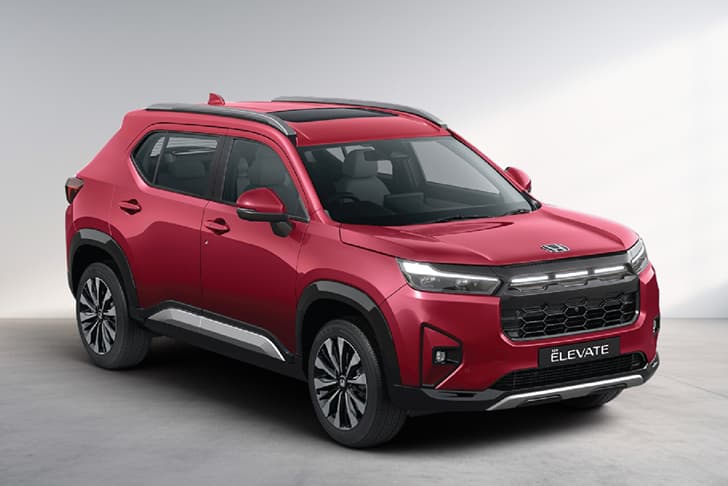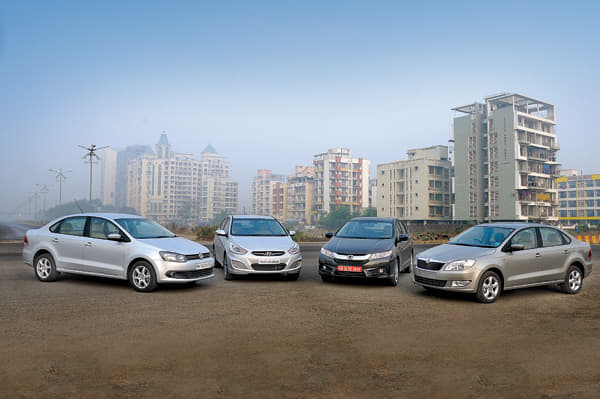
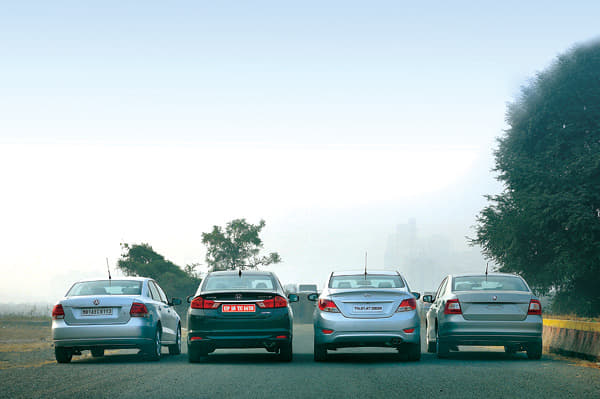
The 1.5-litre engine under the hood of this new City may in fact be an ordinary diesel, but in the case of Honda’s superstar, it may arguably be the most important engine to be offered in the car’s 16-year Indian innings. But is it good enough to take on carmakers that are well versed in the art of mid-size diesel saloons? We brought out three of the City’s most able competitors – the Skoda Rapid, the Volkswagen Vento and the Hyundai Verna -- to find out just that. All three have been at the receiving end of updates – some minor and some major – and all three are what the City will have to beat to take the mid-size diesel throne.
Honda has priced base versions of the City diesel well – ‘E’ versions start at Rs 8.62 lakh – but this top-end VX costs Rs 11.1 lakh. Compare that to the Hyundai Verna CRDi SX’s Rs 10.96 lakh, the Volkswagen Vento TDI Highline’s Rs 9.99 lakh and the Skoda Rapid TDI Elegance’s Rs 9.82 lakh, and you will see the City is the most expensive car here. Is it good enough to justify the extra spend?
Inside story
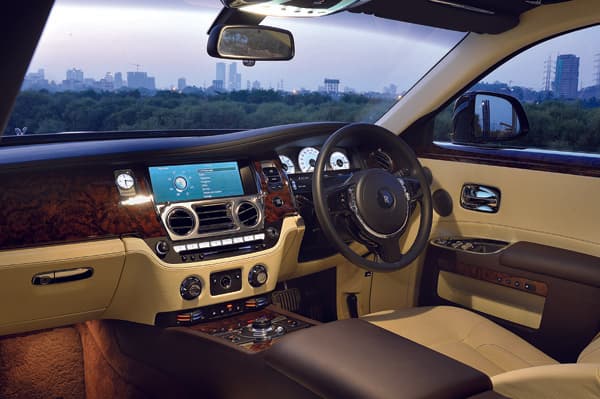
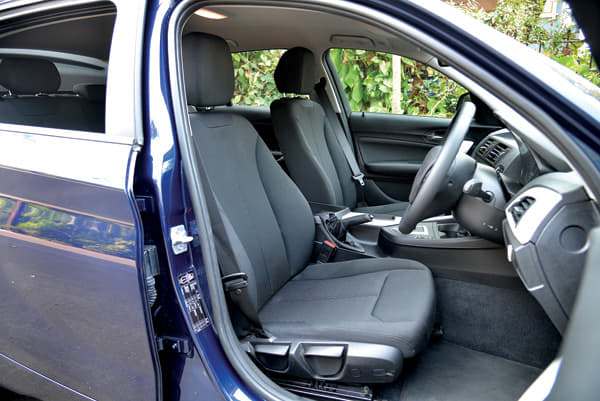
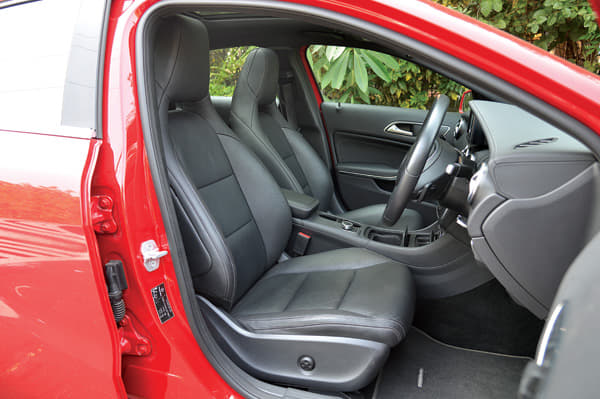
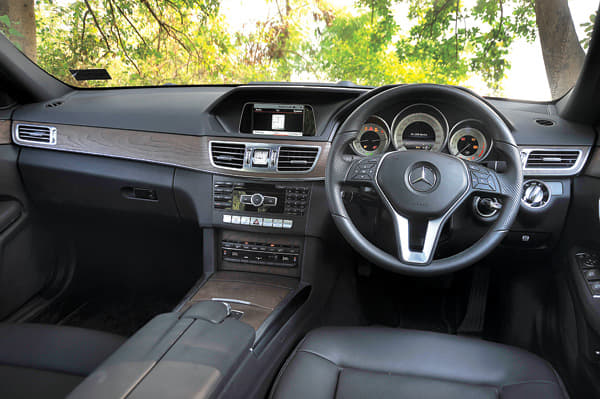
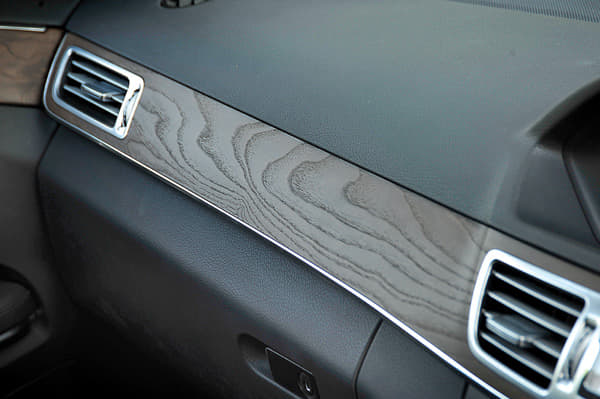
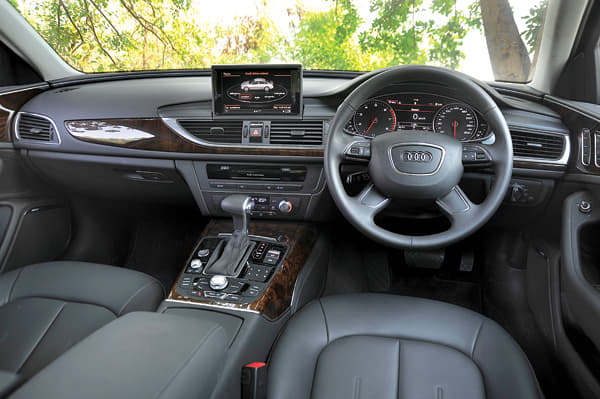
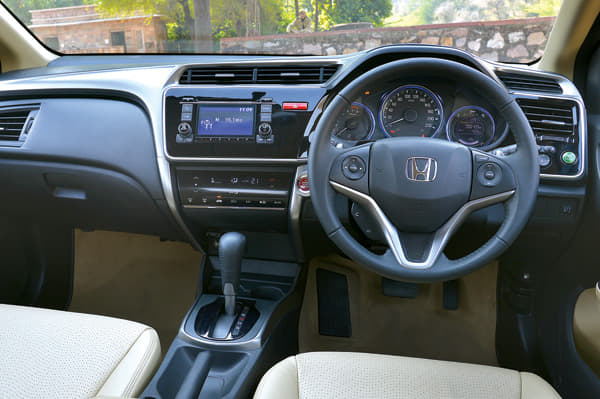
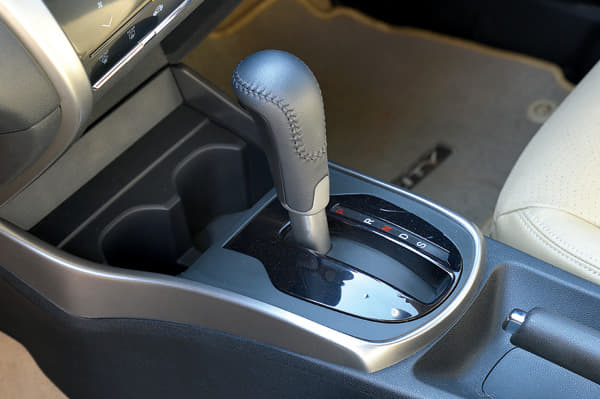
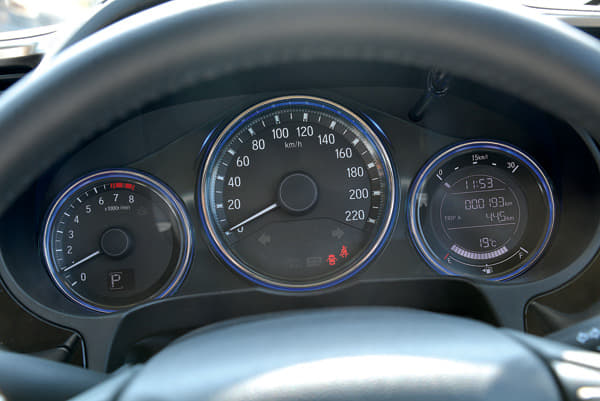
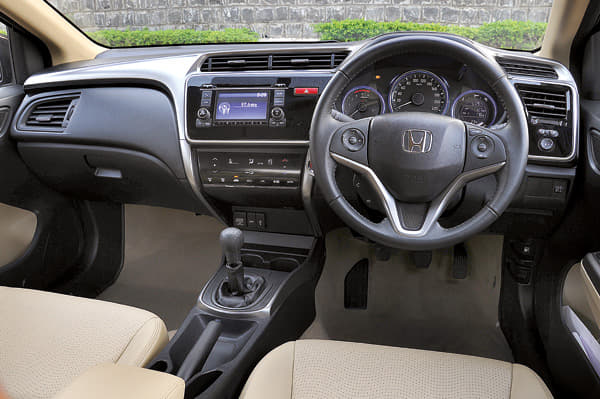
The minute you lower yourself into the City’s seats, it will seem worth it. Honda spent a lot of time getting the foam density of the cushioning just right and it shows – these seats are the best we have experienced in a mid-size saloon. Even more than the seats though, it’s the dashboard that is a big step up from the City of old. It is, for starters, ergonomic and easy to use, and at the same time manages to look modern and appealing. There are a few gimmicky bits, but overall, the black dash with a silver ‘T’ running across it looks very rich, the dials are super legible and the touch-based climate control operation is slick in the way it works. This raises your expectations, but the hard plastic quality on the upper dashboard and around the glovebox is what drags the cabin ambience down a bit.
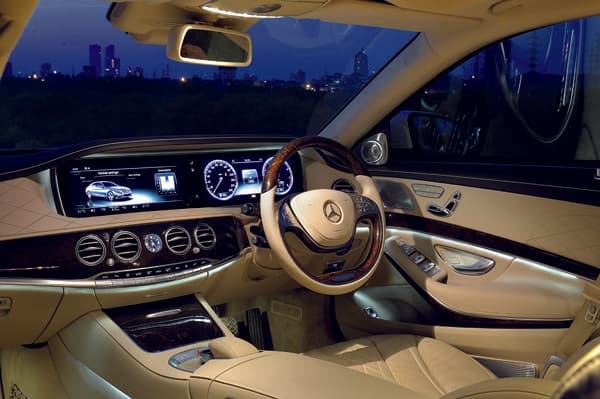
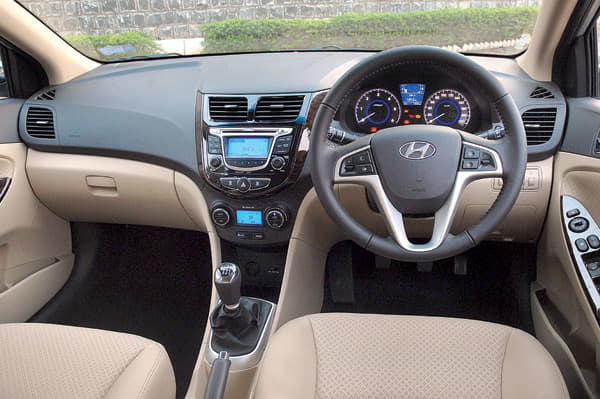
The Verna’s two-tone dash with wood and silver inlays looks a bit traditional when compared to the City’s, but it is still quite appealing. It isn’t as easy to use as the City’s dash, but the fit and finish and overall quality are impressive. Also, the front seats have superb bolstering and the Verna’s dash is quite low, unlike the City, making it easy to see out of.
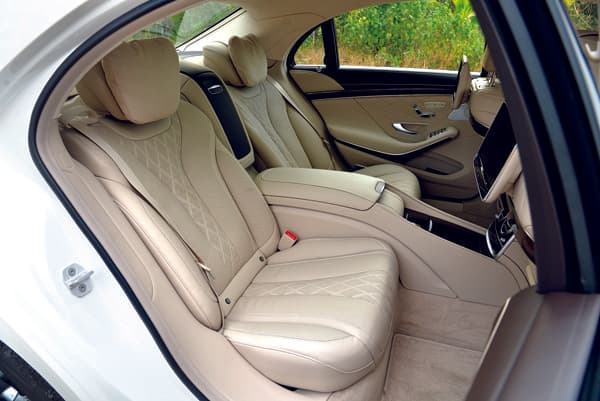
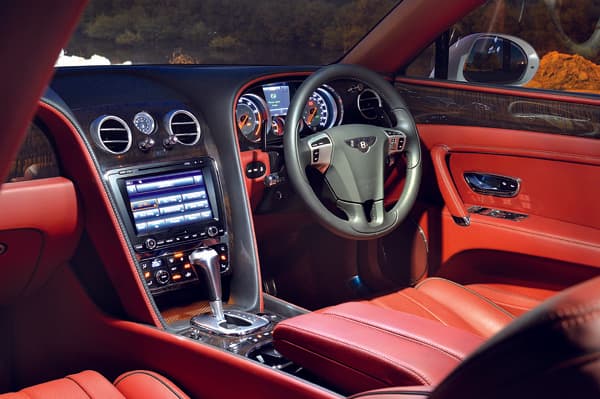
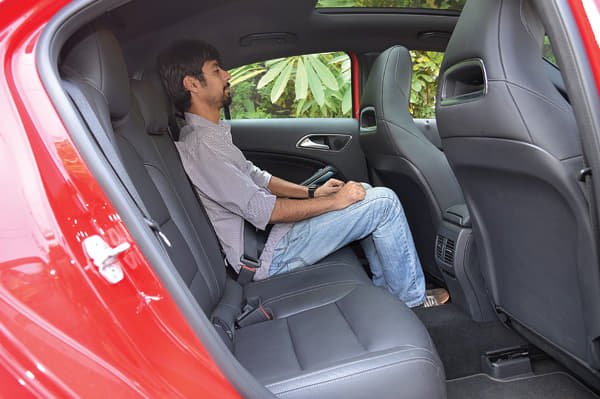
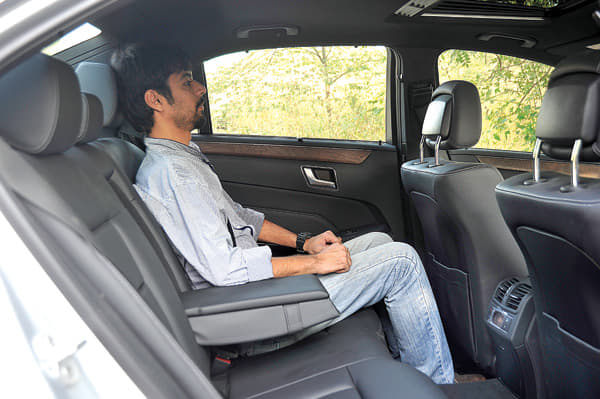
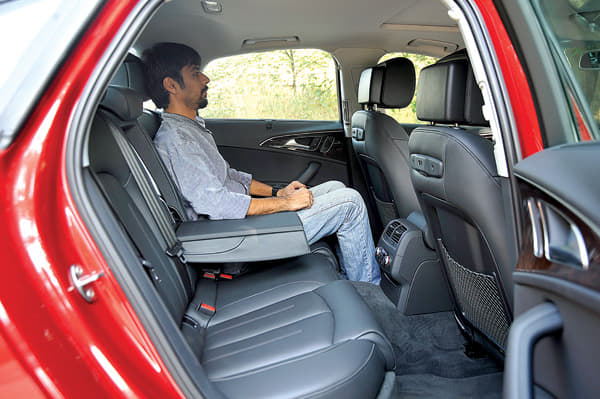
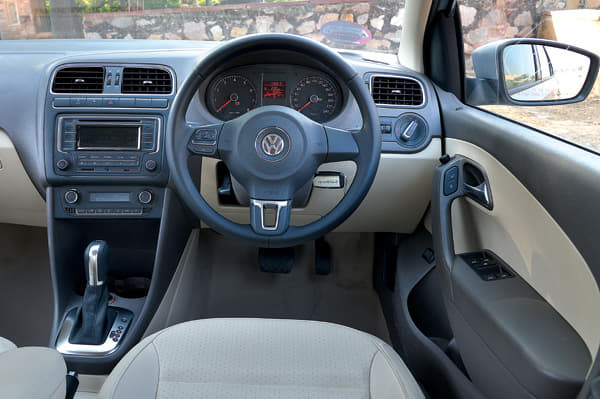
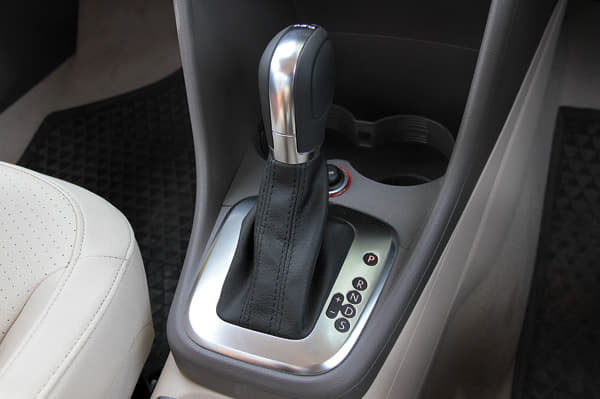
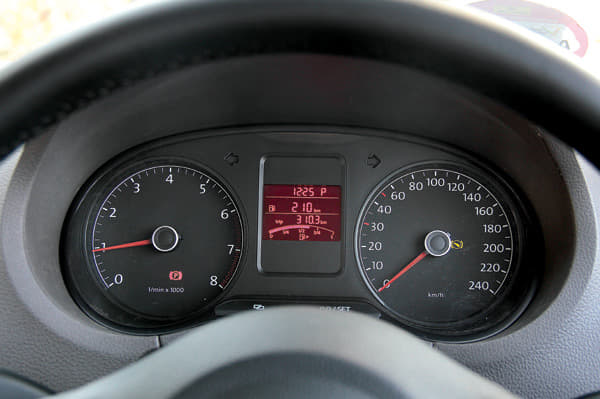
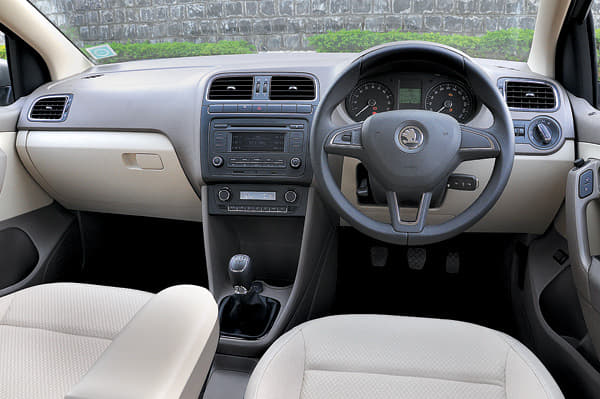
Both the Rapid and Vento dashboards are straightforward and maybe a bit unexciting after the mixed colours and surfaces of the Honda and the Hyundai. If asked to choose between these two, we would go with the slightly more upmarket interiors of the Vento – the steering wheel is leather-wrapped (as opposed to the Rapid’s new three-spoke rubberised wheel), the gearlever has chrome on it and we preferred the darker, more sober colours of the VW’s interiors. Both feel the most solidly built of the quartet and we also like the fact that the Skoda and the VW offer the widest range of adjustment for the driver’s seat, and in fact are the only two to offer reach as well as rake adjustment for the steering wheel. At the rear, the City easily has the best seat – a combination of soft cushioning, comfortable backrest angle and loads of space make it so. The seats are at the right height and this makes it easy to get in and out as well. However, tall passengers will find their heads brushing the roof lining and the fixed headrests aren’t the safest either.
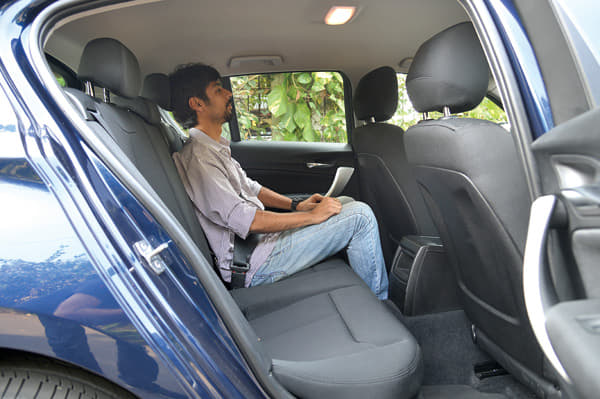
The Rapid and the Vento, not surprisingly, have identical rear seats, and that means identical comfort. The seats are set a little lower than the City’s but have great space, are comfortable and, importantly, have adjustable headrests. Also, like the City, they have big windows that let a lot of light in. It’s the Verna that’s the least impressive at the rear – the seat is low and lacks thigh support, and because of the Verna’s angular styling, the rear windows are quite small.
What the Verna has in abundance is equipment – there’s keyless entry and go, climate control, a rear-view camera and at least three ways to hook up your audio device. The 2014 car has received a mild facelift that includes LED daytime-running lamps, automatic projector lamps and pretty alloy wheels.
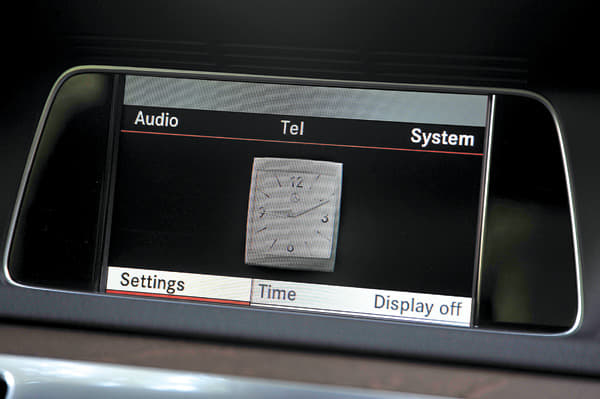
It is, however, topped by the City. Honda has gone to town matching the Verna for equipment and offering some more. The rear camera, for example, has the regular view, a wide-angle view and a top-down view for when you’re reversing up to, say, a high footpath. Then there’s a sunroof, touchscreen operation for the climate control system and rear air-con vents.
The Rapid and the Vento seem pared down in comparison – yes, they have rear air-con vents and yes, they have Bluetooth connectivity and climate control, but otherwise, there’s little else that stands out on the equipment list.
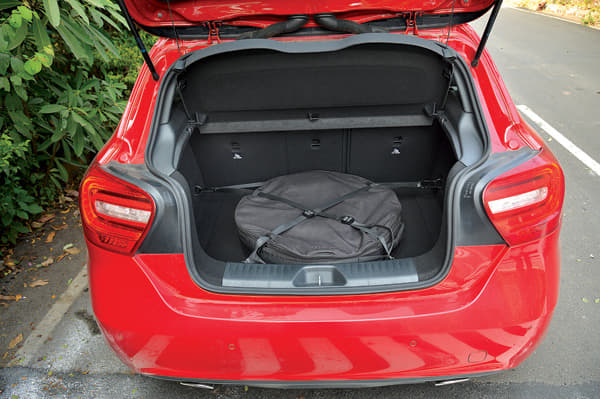
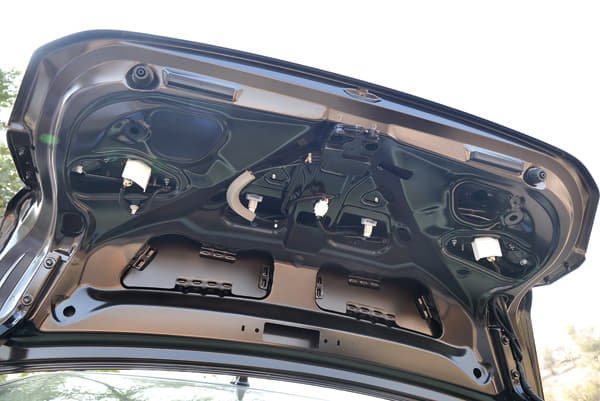
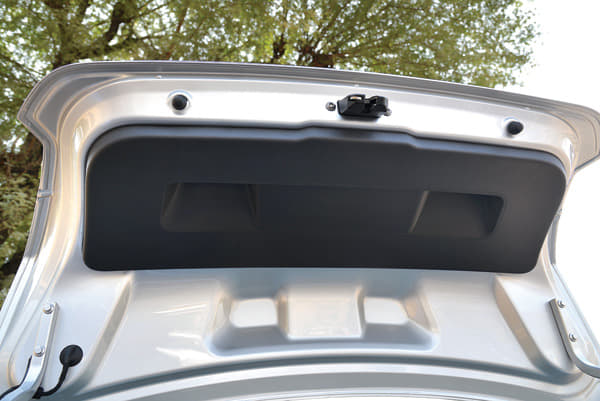
As for boot space, it’s the City with its 510 litres that is considerably bigger than the 460-odd litres of the other three.

 Uday Singh
 Dipan Sur
 Glenn Noronha