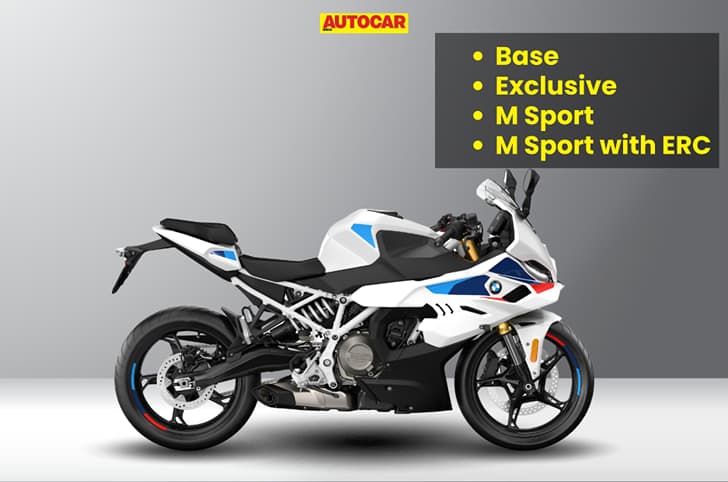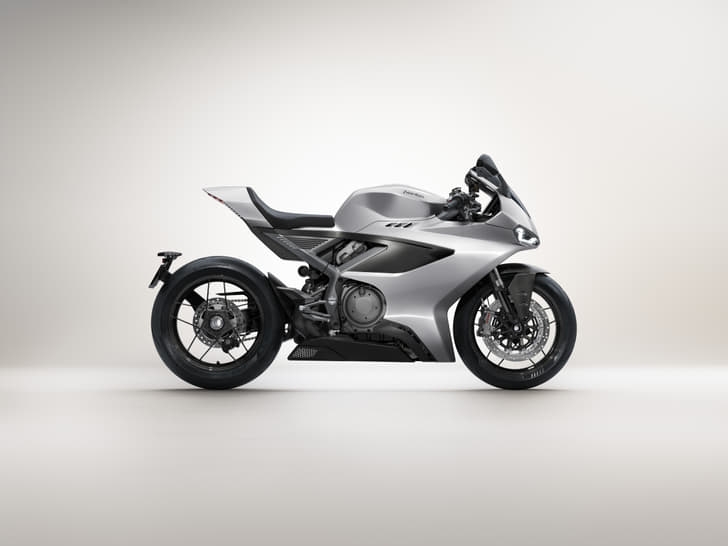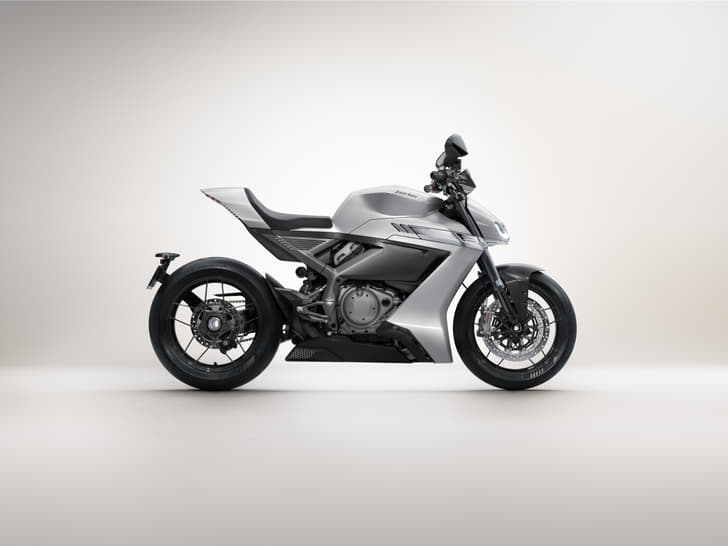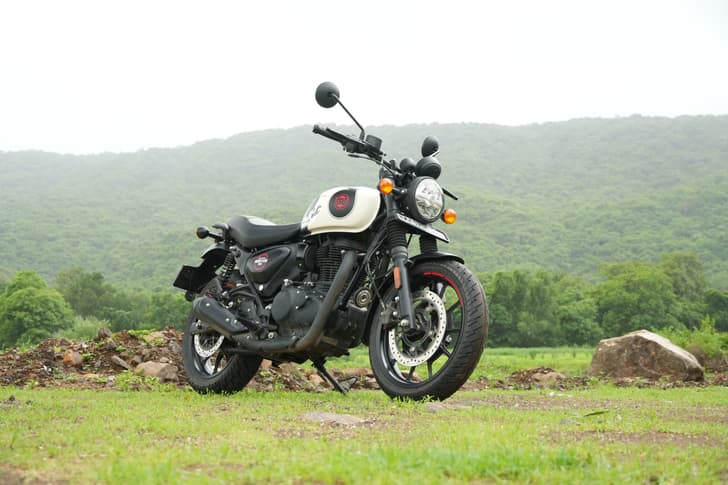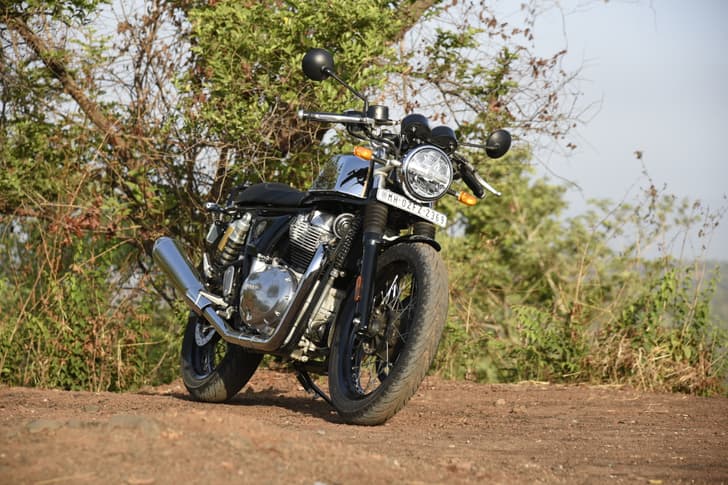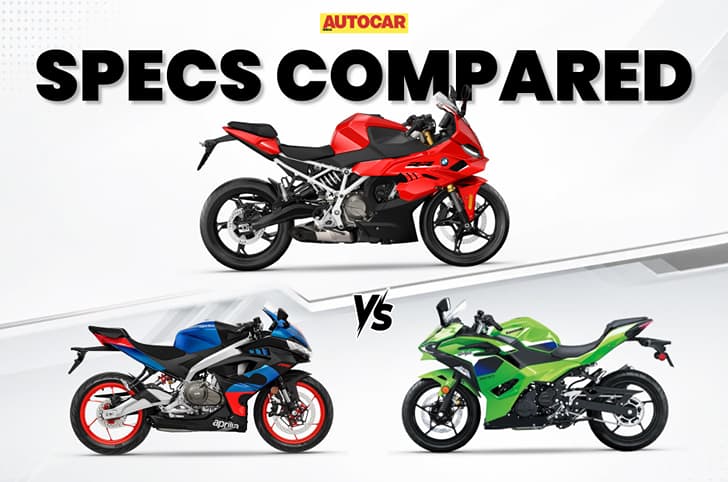
The recently revealed F 450 RR is the new supersport motorcycle in BMW’s lineup. As a fully-faired supersport with a parallel-twin engine, it finds itself in the same segment as the Aprilia RS 457 and the Kawasaki Ninja 500, Here is how these superbikes stack up against each other.
BMW F 450 RR vs Aprilia RS 457 vs Kawasaki Ninja 500: Engine and output
The F 450 RR is the most powerful in its segment
BMW didn’t make any changes to the powertrain for the F 450 RR, it uses the same 420cc parallel twin-cylinder liquid-cooled engine that makes 48hp at 8,750rpm and 43Nm of torque at 6,750rpm that debuted in the F 450 GS. In contrast the Aprilia RS 457’s parallel-twin 457cc engine makes 47.6hp and 43.5Nm. The BMW has a marginally more powerful engine on paper, but we’ll be able to comment on real world performance against its rivals only once we’ve ridden the bike.
BMW F 450 RR vs Aprilia RS 457 vs Kawasaki Ninja 500: Dimension and weight
The Ninja 500 offers the more accessible saddle
Here, the Kawasaki is one step ahead by offering the lowest seat height as standard, making it more accessible for shorter riders. BMW offers an optional low rider seat, which reduces seat height by 15mm (775mm) and a high sport rider seat, that raises seat height by 20mm (810mm). As standard Aprilia has the tallest saddle in the segment. Neither Aprilia nor BMW share ground clearance numbers, and Aprilia doesn’t list RS 457’s wheelbase either. Kawasaki has a 30mm shorter wheelbase compared to the BMW.
BMW F 450 RR vs Aprilia RS 457 vs Kawasaki Ninja 500: Tyres, brakes and suspension
BMW and Aprilia offers adjustable suspension
While all three motorcycles ride on 17-inch alloy wheels wrapped in 110-section front and 150-section rear tyres, their suspension and braking hardware take different approaches. The F 450 RR has a 43mm USD fork at the front (with optional adjustable rebound and compression damping) and a monoshock with adjustable preload and rebound damping at the rear. The RS 457 gets a 41mm preload-adjustable USD fork, whereas the Ninja 500 uses a 41mm telescopic fork, and both bikes feature a preload-adjustable monoshock.
The BMW and the Aprilia have a more sophisticated braking setup compared to the Kawasaki. BMW uses a 310mm front disc and Aprilia uses a 320mm front disc, both are paired with a radially mounted caliper, whereas the Kawasaki uses a 310mm disc with axially mounted caliper. All three bikes are equipped with dual-channel ABS as standard.
BMW F 450 RR vs Aprilia RS 457 vs Kawasaki Ninja 500: Features
F 450 RR is loaded with tech
The F 450 RR has a clear edge when it comes to features and electronics, offering optional Easy Ride Clutch (ERC), configurable ride modes and a bidirectional quickshifter on higher variants. While offering a comprehensive electronic suite of rider aids, comprising three riding modes, lean sensitive ABS and traction control, and heated grips as standard. It also gets a 6.5-inch TFT display with smartphone connectivity and turn-by-turn navigation.
The Aprilia RS 457 follows with its electronic suite of rider aids, comprising three riding modes, three levels of traction control and an optional bidirectional quickshifter. It also gets a 5-inch TFT display with Bluetooth connectivity and turn-by-turn navigation.
The Ninja 500, in contrast, takes a simpler approach. The India-spec motorcycle comes with an LCD instrument cluster, LED lighting, dual-channel ABS and an assist-and-slipper clutch as standard but lacks electronic rider aids such as traction control, riding modes and a quickshifter.

 Autocar India Team
 Stephen Raj Antony
 Vishal Venugopal