Temperatures during India’s summer season often exceed 45deg C. Such sweltering heat can take a toll on your car and lead to trouble. Listed below are some crucial preventative measures you can take to prep your car for the season.
Air conditioning
Due diligence
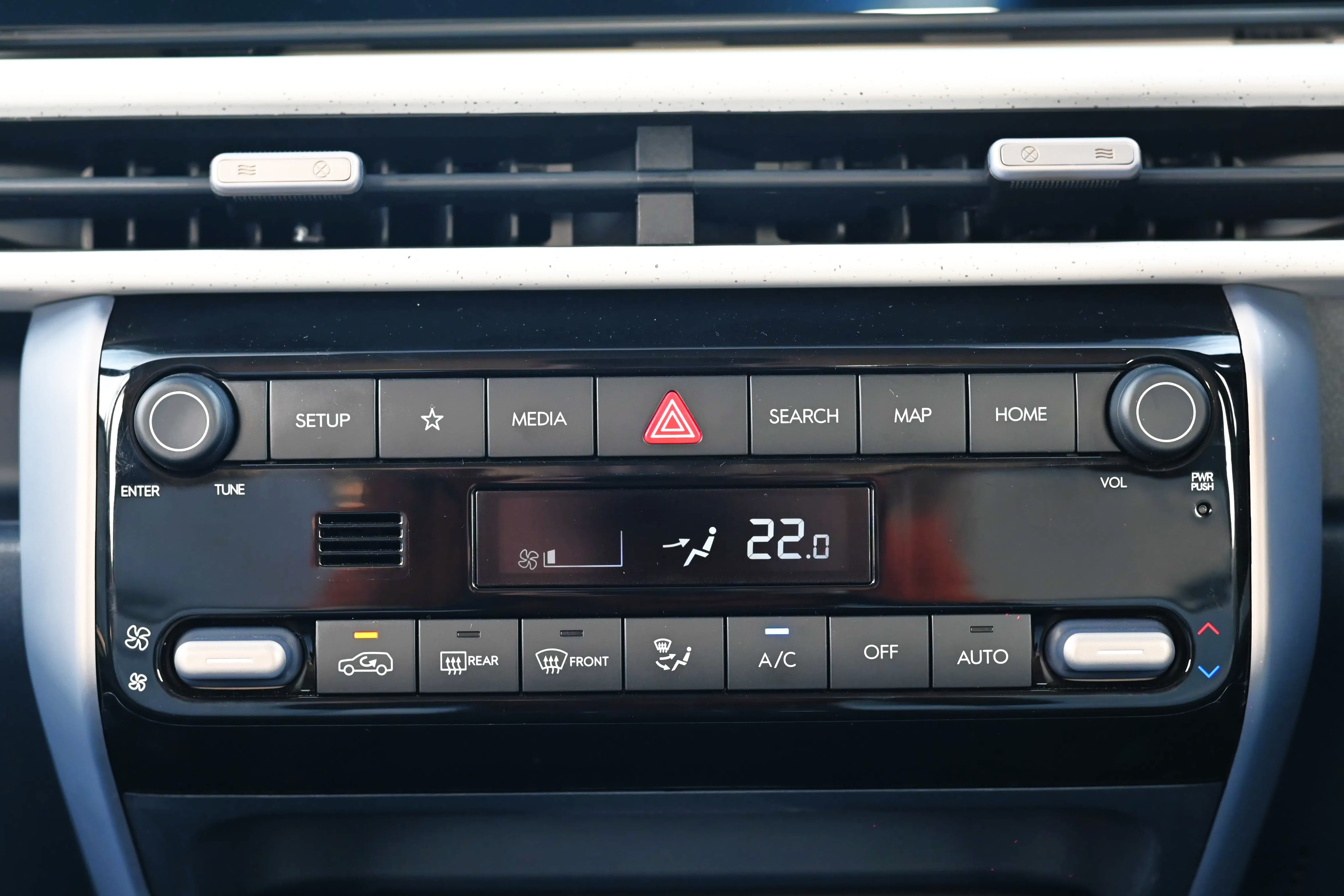
As your most vital line of defence against the heat, your car’s AC system must be checked and serviced (if needed) before summer fully kicks in. Inspect the refrigerant level, compressor belt and vent quality. If cabin cooling is weak, low refrigerant or a clogged cabin filter is likely. Replace the cabin air filter annually to keep the airflow strong and the evaporator clean.
Run the AC for at least 5-10 minutes every two weeks to circulate oil through the compressor and avoid seal leaks. If the AC gas is low, a refill and leak check will be required, and you should even consider professional AC servicing every two years or 30,000 km, whichever comes first.
Battery care
Heat adversely affects battery operation
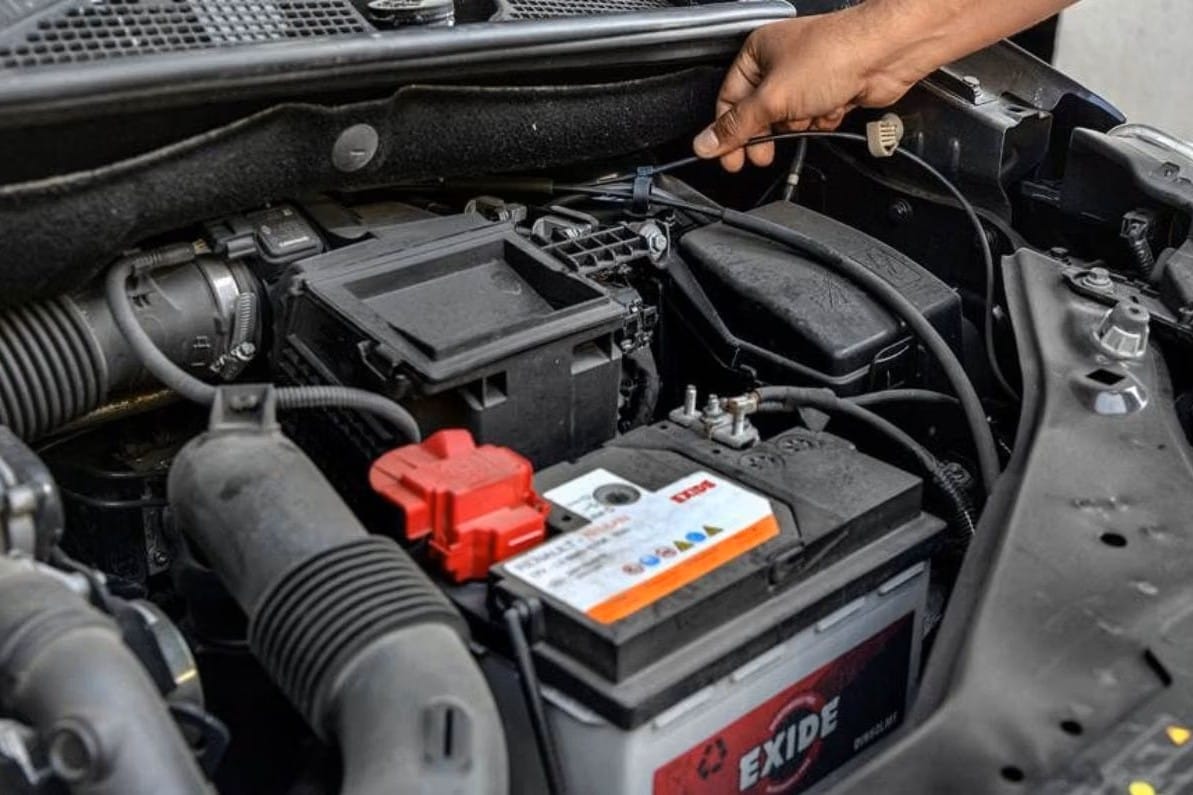
Hot weather is the battery’s enemy. Temperatures over 30deg C can speed up chemical reactions, causing fluid loss and internal corrosion, thereby shortening the battery’s life. Have the battery load-tested or voltage-tested if it is over three years old.
Test and ensure optimal functioning
Using a multimeter, check whether the battery’s resting voltage is between 12.6V and 12.8V – anything significantly lower means diminished capacity. Inspect and clean the terminals, then remove any corrosion (brown/white crust) and apply petroleum jelly to slow further build-up.
In hot weather, keep the battery trays clean and ensure the hold-down clamp is tight so that the vibrations don’t loosen connections. If the battery is weak or older, replace it proactively. Carry a set of jumper cables or a portable jump-starter to be prepared for emergencies.
Engine oil and fluids
Coolant
Keeping your engine running at optimal temperatures is of the utmost importance, which is where the coolant comes in. Follow the coolant mix specified by your car’s manufacturer. Avoid adding tap or mineral water into your coolant tank, as minerals can cause scaling in heat – use only distilled/de-ionised water. A weak or old coolant (brownish/murky in appearance) should be flushed out.
Engine oil
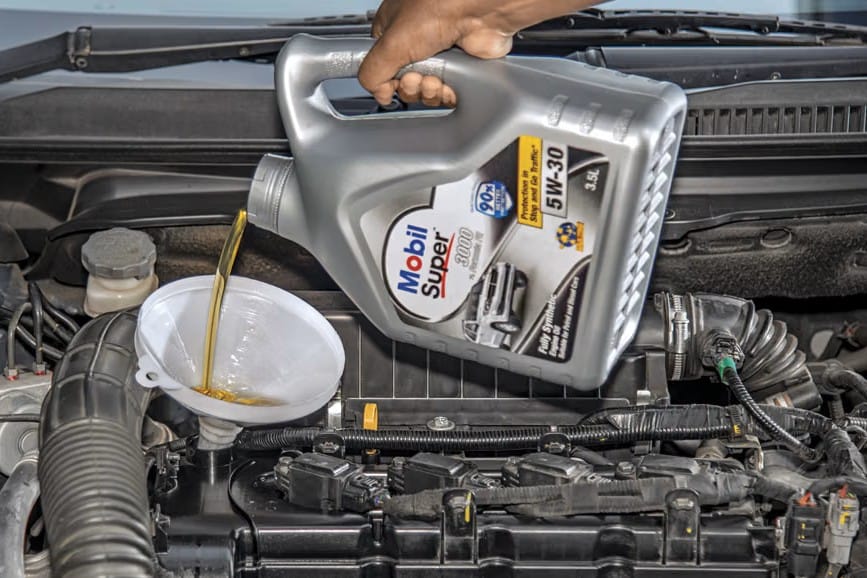
Use the viscosity recommended by your car’s manufacturer for high ambient temperatures. Hot weather thins oil faster, so change it at the appropriate interval – often every 10,000 km or one year. Check the engine oil level every week using the dipstick, and top up if it’s near the low mark.
Brake fluid
In summer, brake fluid can absorb moisture over time, so ensure it is within spec – change if it’s over two years old (or as per the owner’s manual). Worn brake pads and warped rotors are dangerous, so it’s worth having them inspected as well.
Tyres and wheels
Pressure
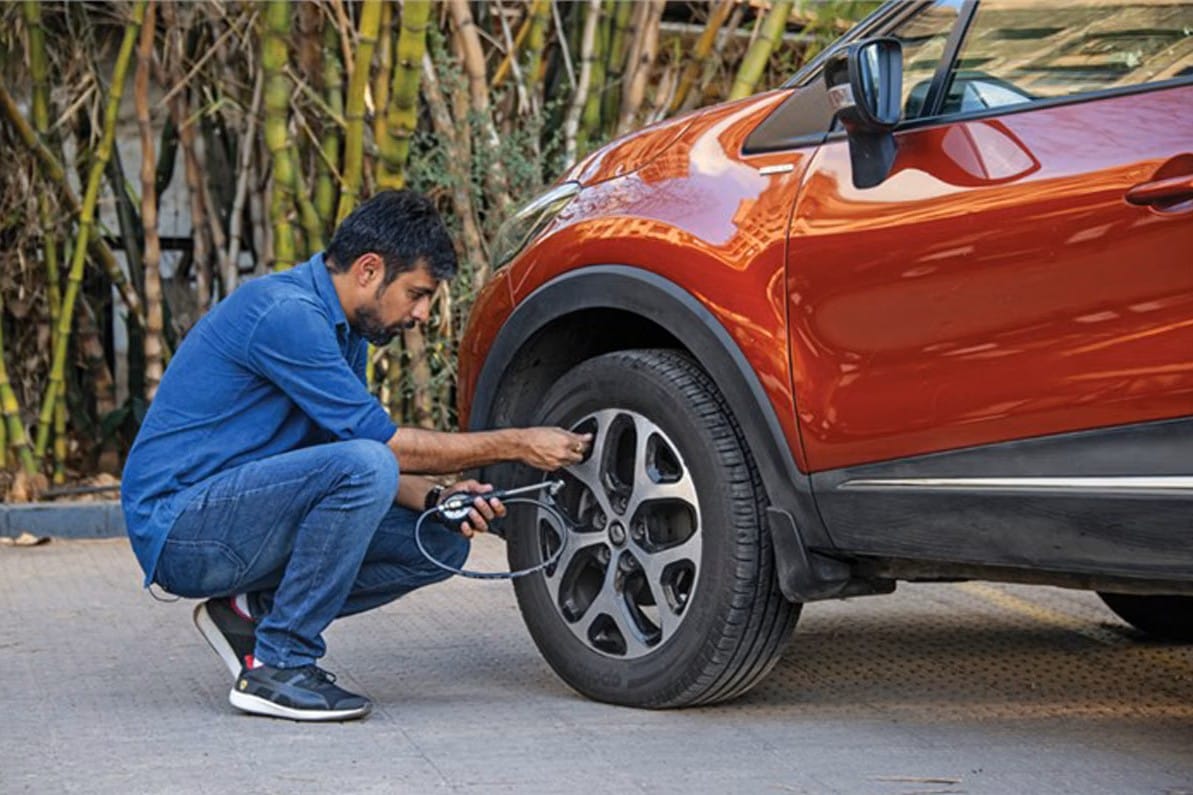
Air expands in heat, which can spell trouble for tyres. A rise of 10deg C can increase tyre pressure by 1-2psi. Check tyre pressures every week in the morning before you set off, and adjust to the manufacturer’s recommended pressure levels (found on the driver’s door or fuel lid). As a rule, keep pressures at the mid- to high end of the recommended range for hot conditions. Alternatively, filling the tyres with nitrogen instead of air can stabilise pressure through the temperature swings.
Tread and condition
Inspect your tyres once a month. Look for cracks or bulges on the sidewalls – heat can cause “mini-cracks” in old tyres. Rotate tyres every 8,000-10,000km to even out wear, and wheel alignment and balancing should also be checked every six months at least.
Type and load
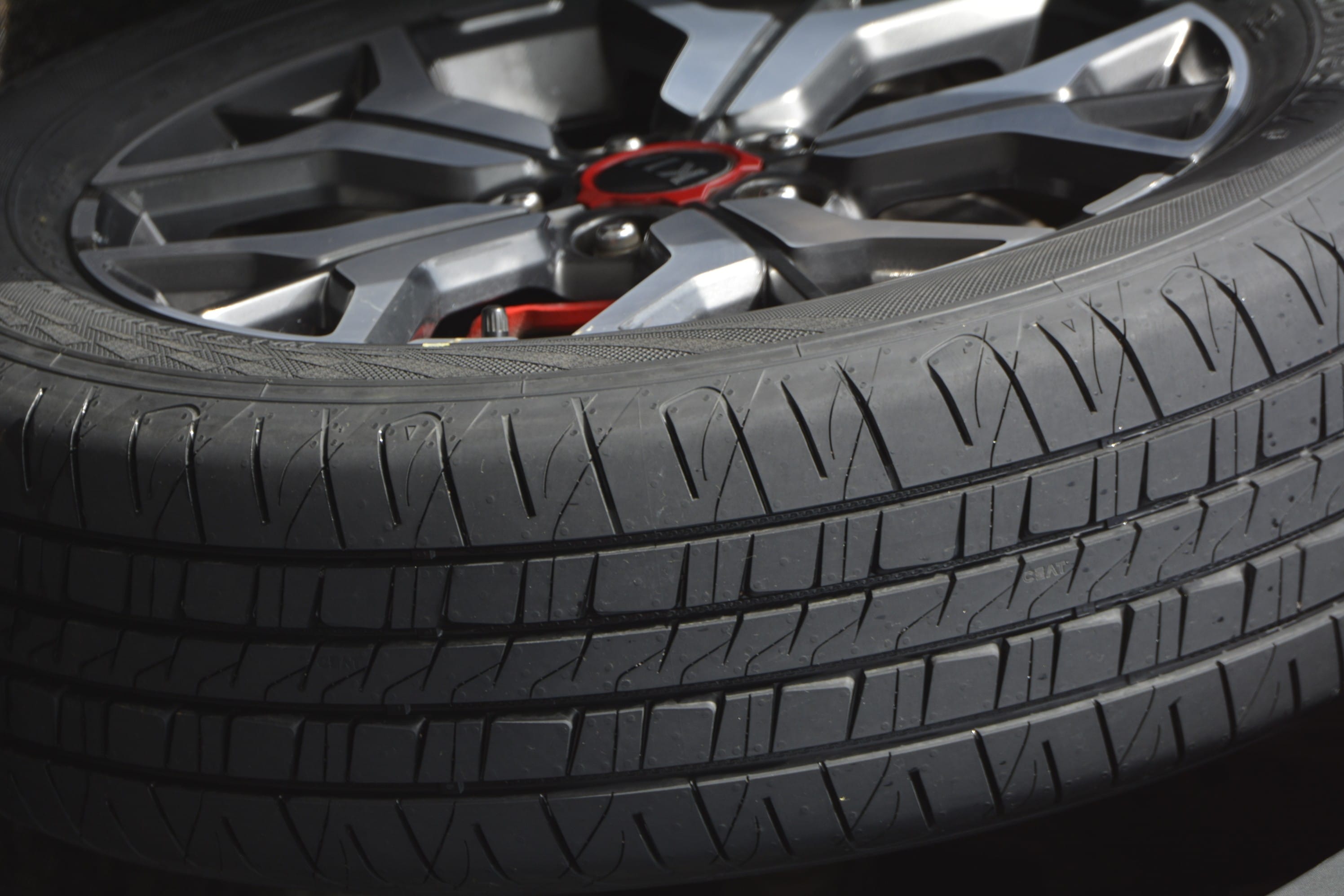
Hard-compound tyres (stiffer rubber) are preferable in Indian summers – they have better resistance to wear due to high temperatures. Avoid cheap, worn or old (over five years) tyres, as heat drastically increases the risk of them bursting.
Electricals and electronics
Alternator
Heavy AC use during the summer season means a higher load on the alternator. Check the alternator belt for cracks or slack, and measure charging voltage at around 14.2V when the engine is running. If the alternator isn’t in optimal condition, it should be repaired or replaced.
Wiring and sensors
Heat can degrade wiring insulation over time. Inspect wires in the engine bay for melted sections or bare spots, and also clean the area to reduce dust on sensors – MAP/MAF sensors can get clogged, affecting fuel mix and heat tolerance.
Exterior and interior protection
Paint and body
UV rays fade paint and dry out plastics. Wash and apply a good-quality wax/polish every 2-3 months to seal the car’s paint. Use a trim restorer on plastic bodywork pieces (cladding, trim, etc.) to prevent brittleness and greying. Park in shade whenever possible, and use a full car cover when parking for extended periods.
Dashboard and upholstery
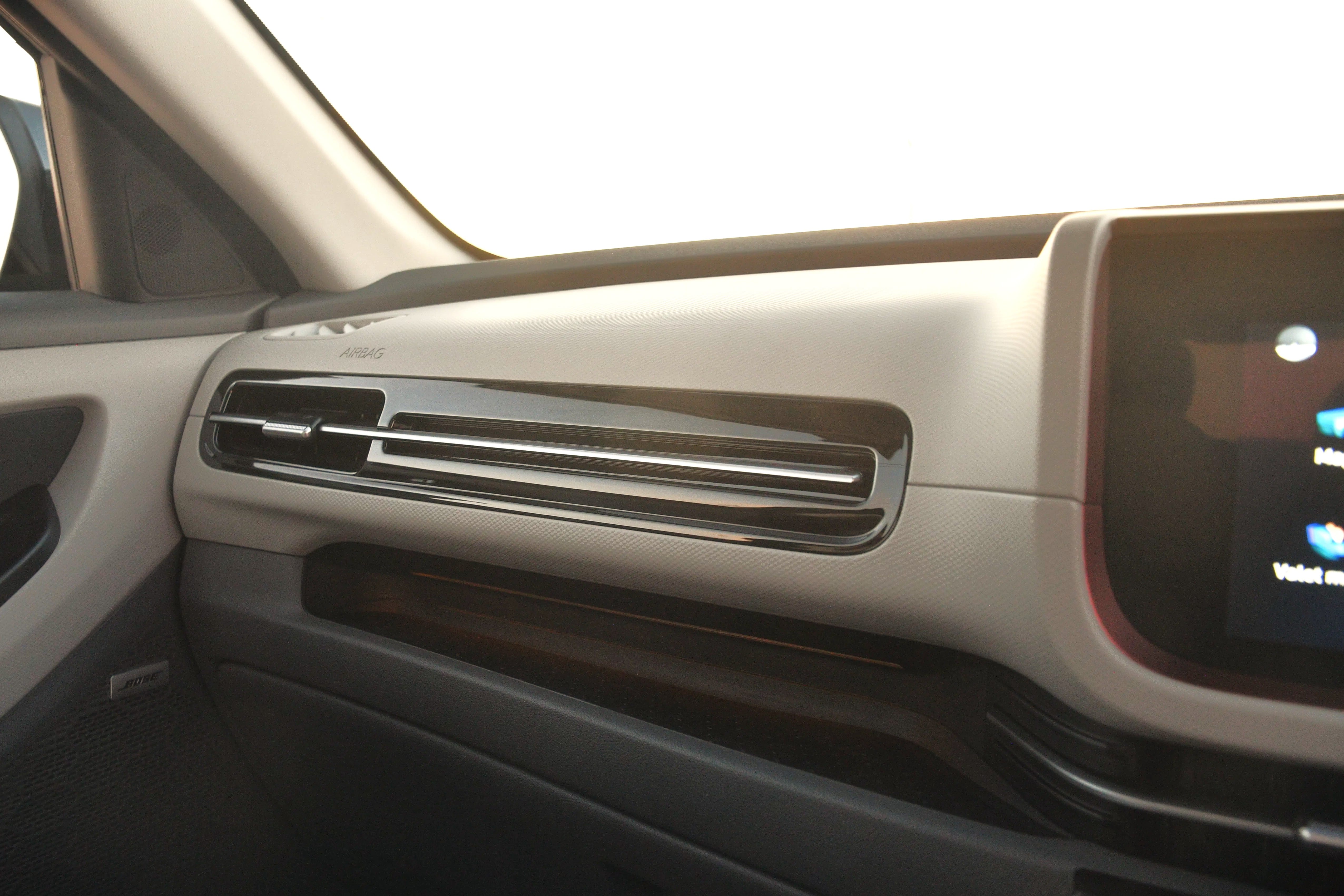
Intense sunlight can crack dashboard plastics and fade upholstery. Use a trim restorer for the plastics and vinyl/leather protectant for the seats. Leather-upholstered seats further benefit from a conditioner to prevent drying. Vacuum and dust the interior, and always allow the car to air out (roll down windows briefly) before driving.
Keeping heat out of the cabin

If your car has a sunroof, consider keeping the internal cover on to block out as much heat as possible. Window sunshades are an excellent way to keep temperatures at bay too.


 Uday Singh

 Glenn Noronha
 Dipan Sur