Latest questions answered by experts
I am planning to buy a second hand Renault Kwid (about 5-6 years old). Currently, I own Zen Estilo. Please advise if it is advisable to buy this brand?
Tap if an answer actually helped you decide.
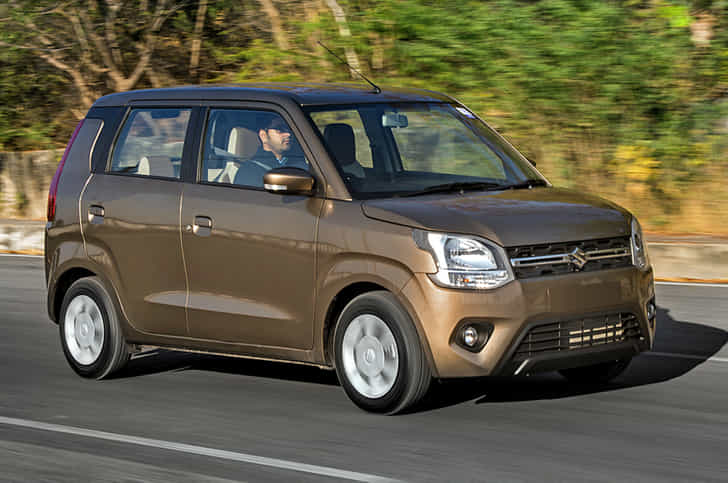
The Renault Kwid's compact size, high ground clearance, light steering, large boot, and its 1.0-litre engine's drivability are its strengths. But since you're coming from a Zen Estilo, the Renault's gearbox and clutch don't feel as smooth, and its engine isn't nearly as refined as the Maruti's.An ideal replacement to your Zen Estilo would be the Wagon R, which has the same boxy, spacious cabin, smooth and efficient petrol engine, and overall, the Wagon R is known for its stellar reliability. You might not get a Wagon R of the same vintage as a Kwid for the same price since the Maruti commands an exceptionally high resale, so you might have to settle for a slightly older model. Alternatively, you could look at the Maruti Celerio or Hyundai Santro, both of which have most of the strengths of a Wagon R, and you'll be able to source newer models at a lower price than a similarly-aged Wagon R.

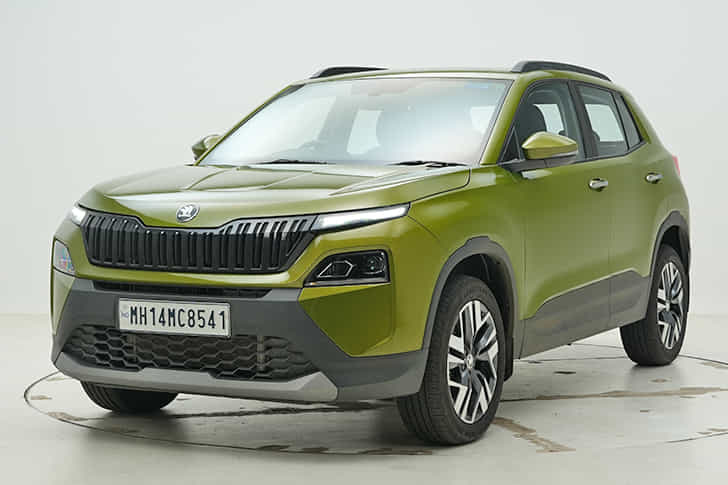
Two days back, you guys had suggested me Kylaq Sportline AT. I was checking Slavia Classic+ AT and it is almost the same price. It has all the basic features that I need including infotainment and rear view camera that I can get installed either from outside or from the showroom itself. Is it a good idea?
Yes, the Skoda Slavia Classic+ AT is a very sensible alternative to the Kylaq Sportline AT. The Slavia offers a more spacious rear seat and a larger boot, making it a better choice if rear passenger comfort and practicality are priorities. The Kylaq, on the other hand, offers a higher driving position which some buyers prefer.What we aren't entirely comfortable with is an aftermarket infotainment system and rear view camera. While these feature add ons will enhance your experience with the car, improper fitment can be very frustrating. Further, aftermarket installations might void your warranty too. It's best to discuss terms with your dealer and opt for dealer fit accessories.
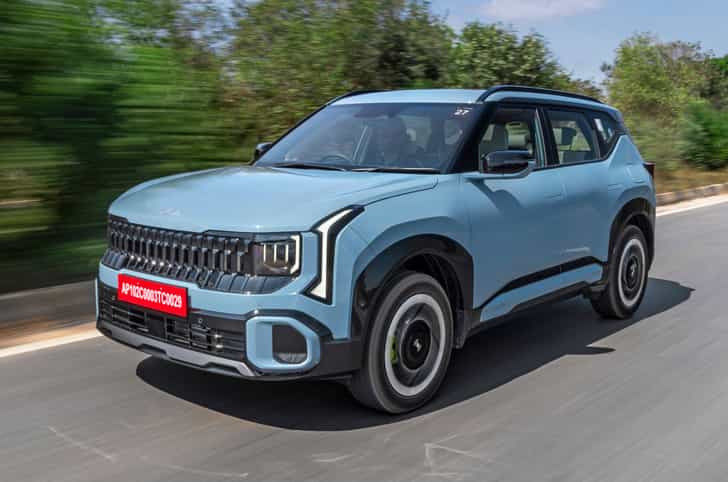
I have a budget of around Rs 14-15 lakh and am considering the Kia Syros EV with a 42kWh battery and the Tata Nexon EV Creative with a 45kWh battery. Which is the better choice? I am particularly concerned about the NMC battery chemistry in the Syros EV.
The Kia Syros EV 42kWh is the one to go for. It's significantly more spacious than the Tata Nexon EV, and overall quality and reliability are a clear step above the Nexon's. In our experience, Hyundai and Kia's electric cars are also the most efficient, so you'll manage a crucial bit more range on the Syros too. The NMC battery pack should not be a deal breaker by any means. While LFP is theoretically better suited to hotter climates as we have in India, real-world performance does not suggest one chemistry is better than the other. Car makers develop vehicles with a full life cycle in mind, and the long warranties on EV batteries should allay any fears you may have.
Upcoming launch buzz
Community discussions on upcoming launches
BMW
iX facelift
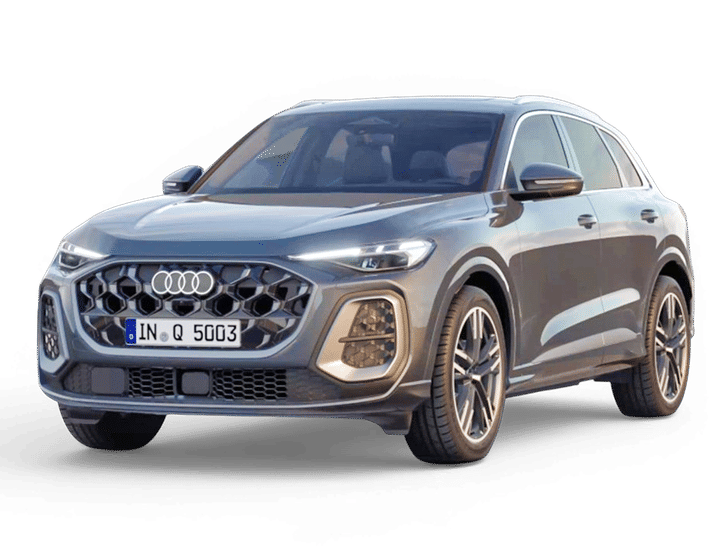
Audi
New Q5
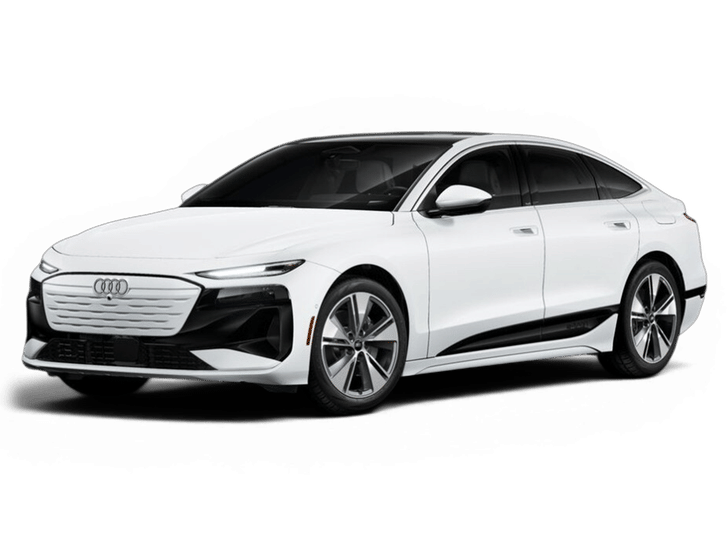
Audi
A6 e-tron
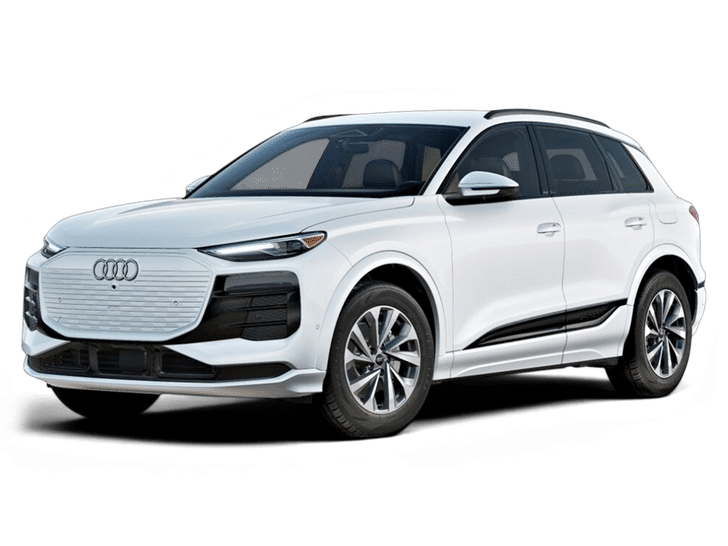
Audi
Q6 e-tron
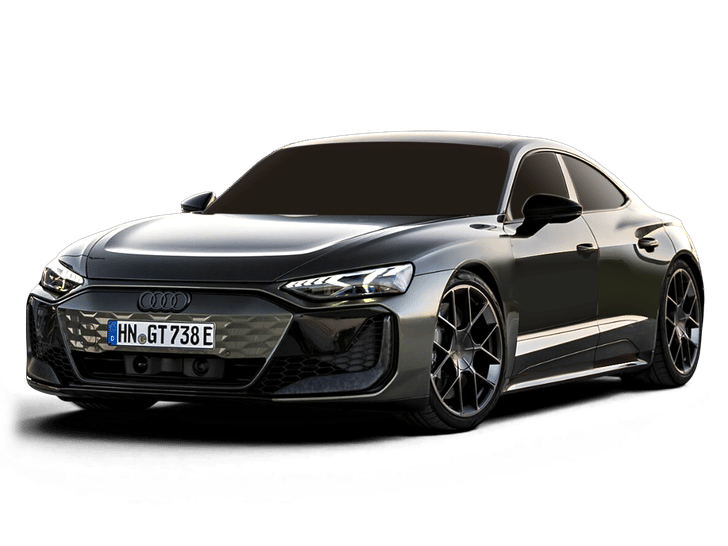
Audi
e-tron GT facelift
Volkswagen
Virtus facelift
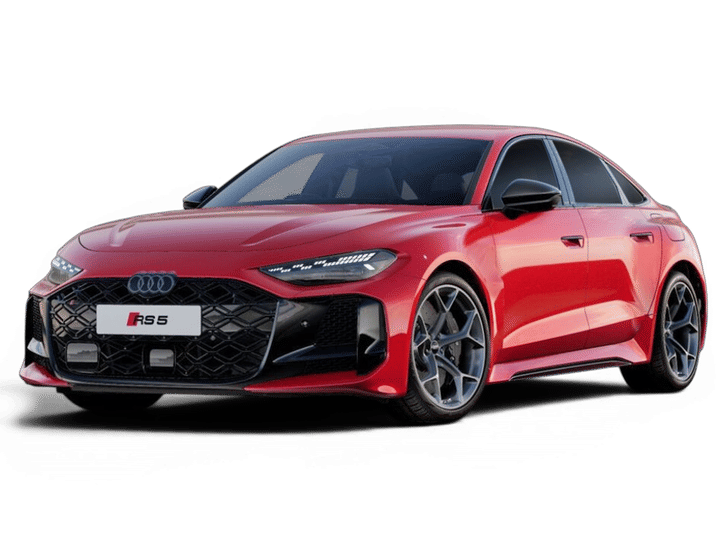
Audi
A5

Vinfast
VF5
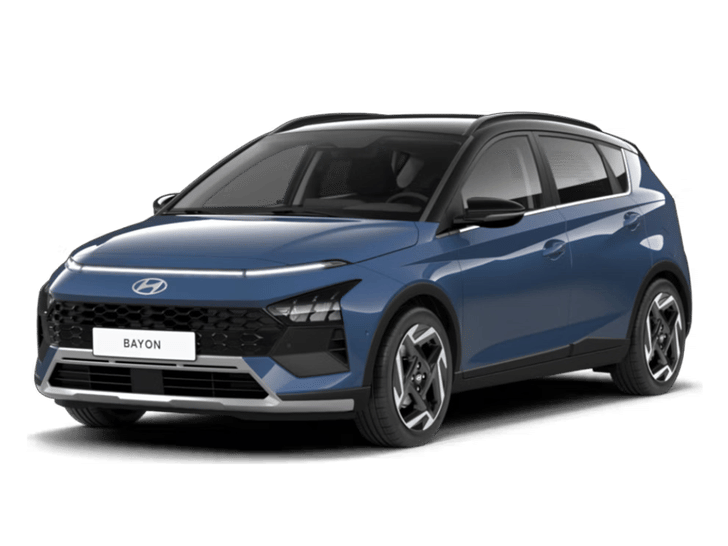
Hyundai
Bayon
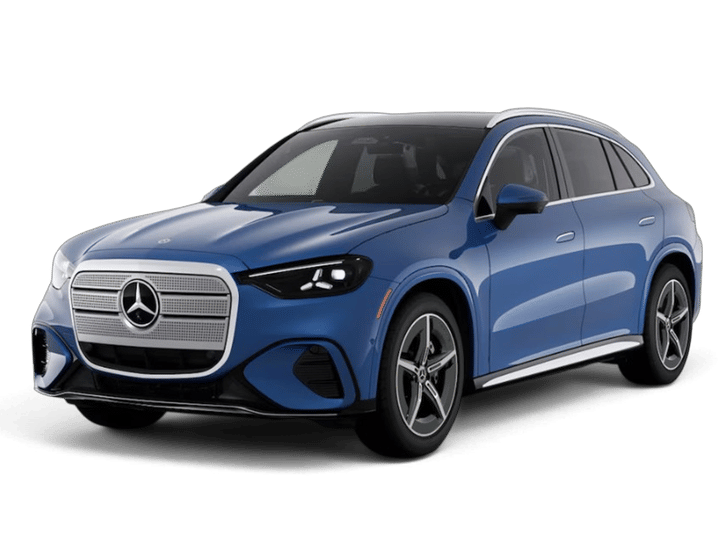
Mercedes-Benz GLC
Electric
Hi Autocar team, I currently own a 2023 Tata Harrier and a 2011 Maruti Suzuki Alto. I use the Alto for my daily commute and the Harrier for long highway trips. I now want to replace the Alto with an EV for everyday use. I like the comfort and pricing of the MG Windsor Essence, but I am confused between the Windsor and the Tata Curvv EV. Which would you recommend?
Go for the MG Windsor Essence. It is a better fit for your requirements, particularly for daily commuting. The Windsor has a spacious cabin, a wide rear seat and a more premium feel. The Curvv EV is a good product, but its cabin does not offer the same level of space and comfort.The Windsor also has a larger battery and a longer claimed range, giving you more flexibility for occasional longer drives. MG's EV ownership experience has also been positive, and the Windsor feels like a well-rounded product. Its main drawback is that MG's service network is not as extensive as Tata's, although this may be less of a concern if you primarily use it in the city.Overall, the Windsor Essence is the more spacious and comfortable option for your daily commute.

Dear Autocar team, I am planning to buy a petrol automatic SUV priced under Rs 20 lakh. I have been considering the Tata Sierra petrol automatic but am concerned about Tata's after-sales service. My key requirements are comfortable seating for four to five adults, a spacious midsize SUV rather than a compact SUV, strong safety standards and build quality, and modern features such as a 360-degree camera. Which options should I consider?
Based on your requirements, the Tata Sierra turbo-petrol automatic is a good fit. It is a genuinely spacious midsize SUV with a wide cabin that comfortably accommodates five adults. Plus, it offers a premium interior with a good feature set, including a 360-degree camera. Safety and build quality are also among its key strengths.Your concern about Tata's after-sales service is understandable, and the experience continues to vary depending on the dealership.If you are looking for alternatives, the Kia Seltos petrol IVT is an excellent option. The petrol engine isn't as powerful, but Kia's ownership experience is generally more consistent compared to Tata's. The Hyundai Creta is due for a full generation change in 2027, so it is not the best time to buy one.Overall, the Sierra turbo-petrol automatic remains the best fit for your requirements. If you are still concerned about after-sales, the Seltos is the safer ownership choice, but you will be compromising on cabin and boot space.
I am planning to upgrade from my Hyundai i10. My daily commute involves around 40km of driving in Chennai city, and I cover approximately 600km on the highway once a month. My budget is around Rs 13 lakh, and I want a reliable diesel car with good mileage and low maintenance costs. I prefer something practical without too many unnecessary features. Which options would suit my usage?
Given your usage pattern of 40 km daily city driving and a 600 km highway run every month, a diesel car makes sense from a running cost perspective. If you're keen on getting a manual car, opt for the Mahindra XUV 3XO diesel for its strong engine and excellent highway manners. If you'd like to remain within the Hyundai service network, the Venue diesel manual is also a sensible, user-friendly, modern option with a smooth, refined and efficient diesel engine and light controls.The Mahindra XUV 3XO is available in multiple variants, while the Venue price also falls below Rs 13 lakh. You can choose between them based on your budget and the features you need.If you want a smooth diesel-automatic option, the Kia Sonet HTE O and HTK O variants are available within Rs 13 lakh on-road. The Kia Sonet diesel-automatic is an excellent choice if you're looking for a polished compact SUV.
I own a 2018 Hyundai Creta 1.6 diesel manual and have been very happy with it. It suits my family of three for city use as well as long road trips, including journeys from Kashmir to Kerala and Jaisalmer. However, I now want to upgrade to something bigger. I don't like the looks of the Toyota Innova HyCross, Mahindra XUV 7XO or Tata Safari. I also have reservations about ladder-frame SUVs I test-drove the Mahindra Scorpio N briefly in traffic and found it moved around more over bad roads than my monocoque Creta. I want something imposing, like the Toyota Fortuner, but am unsure about moving to a ladder-frame SUV. Should I wait for the JSW Combat, which will have monocoque construction, or would that be a risk in terms of reliability? Please advise.
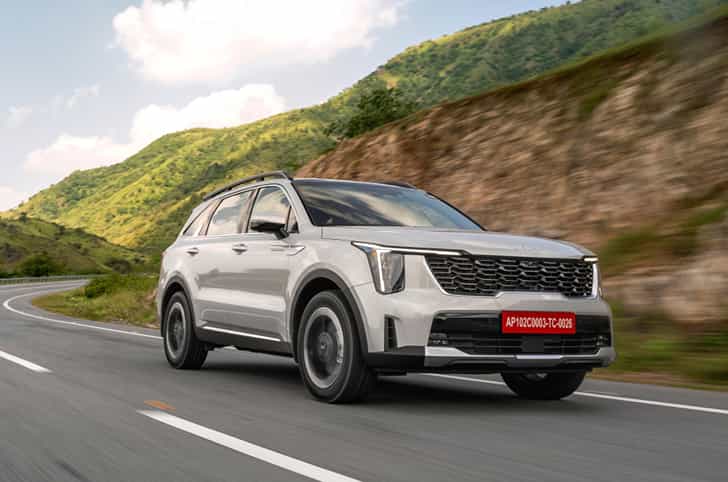
The Kia Sorento seems to be an ideal fit for you. It is a feature-loaded offering with hybrid and diesel engine options, and it comes with the flexibility of three rows of seats. Being a monocoque, ride quality is good, the engines are smooth and refined, and its cabin feels richly appointed.The JSW Combat is set to make its debut in India in December. It is a butch-looking plug-in hybrid, five-seater SUV, and is likely to be stuffed with features. You will have to wait to find out how it drives and performs, but on first impressions at least, it seems like a promising option.The Toyota Fortuner is the obvious choice if you want a butch, imposing SUV with proven reliability and a strong ownership track record. It is a proper ladder-frame SUV with excellent road presence, and Toyota's reliability is a major advantage for long-term ownership. The downside is that it is expensive for what it offers, and the ride is not as composed as a monocoque SUV.

I'm planning to buy a new car with an on-road budget of up to Rs. 30 lakh in India. I want a car that offers excellent comfort, low running costs, and a relaxed driving experience for my daily commute. 1. My Driving Profile -Average monthly driving: 2,500 km -Driving conditions: 60% suburban roads and Highway and 40% city traffic -Long-distance trips: One or two trips per month -Current car: 2017 Maruti Suzuki Baleno, manual transmission 2. Comfort and Ergonomics I'm approximately 6 feet tall and currently experience fatigue and leg pain during my daily commute in my manual Baleno. My top priority is to find a car with: -An automatic transmission for easier driving, especially in traffic. -Excellent front-seat comfort and adequate legroom. -Good driving posture, lumbar support, and adjustable seating. -A comfortable suspension setup for daily commuting and long journeys. -Low cabin noise and minimal driver fatigue. 3. Running Costs and Powertrain -Low running costs and excellent overall energy efficiency are important. -I have charging facilities available at home, so I'm open to considering an electric vehicle (EV). -I'm also willing to consider petrol, diesel, or hybrid vehicles if they offer better overall value. -I want to compare energy or fuel costs, maintenance, insurance, and long-term ownership costs. 4. Family Requirements -The car will primarily be used for my daily commute. My family occasionally travels with me, so rear-seat comfort is also important. -I'm open to both 5-seater and 7-seater options, provided the car meets my comfort and cost requirements. 5. Budget and Ownership -Maximum on-road budget: Rs. 30 lakh -I want a reliable car that offers good value for money over long-term ownership. -I plan to use the car for several years, so durability, battery longevity (for EVs), resale value, and total cost of ownership matter. Please suggest a car.
Based on your requirements, the Hyundai Creta Electric is a solid choice. With a 2,500 km monthly running and home charging available, an EV makes strong financial sense, and the Creta Electric stands out for its comfort, refinement and ease of ownership. The front seats are well-cushioned with good lumbar support, the driving position is comfortable for taller drivers, and the suspension is well-tuned for both city and highway use. The cabin is quiet, the ride is comfortable, and the overall driving experience is relaxed and effortless, which will significantly reduce fatigue compared to your Baleno. Running costs are low, maintenance is minimal, and Hyundai's service network is strong. The Creta also offers a spacious rear seat and a practical boot, making it suitable for occasional family trips. If you prefer a petrol option, the Kia Seltos 1.5 IVT automatic is the best alternative. It offers excellent seat comfort, an efficient engine, and a comfortable ride, but the Creta Electric is the better long-term ownership proposition given your usage pattern.
Hi Autocar Team, I am confused between the Hyundai Venue HX5 Turbo MT and the Mahindra XUV 3XO AX5 TCMPFi. I am getting a good offer on the Venue. We have owned a Hyundai Grand i10 Nios for the last seven years without any issues. I like the XUV 3XO for its engine and the additional features it offers over the Venue. However, I also like the Venue because I am familiar with its driving experience and refinement. I plan to keep the new car for at least seven years, so I am looking for trouble-free ownership and a good service centre experience. My spouse prefers the rear-seat comfort of the 3XO, especially its under-thigh support and legroom, but dislikes its boot space. We also expect our family to grow in the coming years, so practicality is important. In terms of performance, I am not expecting a race car at this budget. I want a car with decent power that does not feel sluggish or make highway overtaking difficult. It should also offer reasonable mileage in city traffic and a comfortable ride for both front and rear passengers on city roads and highways. My usage will be around 60% city driving, along with a long drive of approximately 500 km every month. We have already considered other cars, and these two are our final choices. Could you please compare them in terms of ownership costs, maintenance, performance, comfort and reliability? It would also help if you could highlight any notable issues I might face with either car that could affect the driving experience or passenger comfort.
It seems like you're leaning towards the Mahindra XUV 3XO for its stronger engine performance, better feature set, and a nicer back seat experience. It is a genuinely well-rounded car, and its ride comfort and drive experience make it feel like a much larger, more expensive car. Also, between the two, the XUV 3XO is the much better car for the highway. As you've rightly pointed out, its boot space is lower on paper; however, the actual usable space is quite similar to the Venue's. So, if you like the XUV 3XO, go for it; it is a good buy.The Hyundai Venue HX5 Turbo MT might seem a bit more user-friendly with lighter controls, which make it easier to drive in the city. Moreover, you already have a positive ownership experience with Hyundai, and the Venue continues that formula with a refined turbo petrol engine and a well-built, more modern interior. It has enough performance for confident overtakes on the highway and remains reasonably efficient in city traffic. Between the two, though, the XUV 3XO gives you a big car feel, while the Venue is easier to drive in the city. For similar money, we'd pick the XUV 3XO; however, if you're getting the Venue at a substantially lower discounted price, it is a car you can't go wrong with.
I am planning to buy a subcompact SUV with an on-road budget of up to Rs. 15 lakh in the NCR. The options I am considering are the Skoda Kylaq, Mahindra XUV 3XO, Hyundai Venue, Maruti Suzuki Brezza and Toyota Urban Cruiser Taisor. An automatic transmission is a necessity. I prefer a reliable car with good after-sales service, as I want to avoid frequent visits to service centres. Mileage is not a major concern, as my annual running will be less than 5,000 km. I am evaluating these options against the Skoda Kylaq Sportline, as I am concerned about the E20 fuel-related issues reported by other owners. Which car would you recommend for reliable and hassle-free ownership?
Go for the Skoda Kylaq Sportline automatic. Your priorities are clear: reliability, low running costs, an automatic, and minimal service headaches. The Kylaq is a genuinely good driver's car with a proven 1.0 TSI engine and a 6-speed torque converter automatic that is smooth and well suited to city driving. Skoda has improved its service network in NCR, and the Kylaq is a solid product with a good ownership track record.On the E20 concern, do not overthink it. The Kylaq is E20 compliant, and modern engines are engineered with sufficient tolerance for E20. There is no official roadmap beyond E20, and the impact is largely limited to a slight drop in fuel economy.The XUV 3XO is a strong value proposition with more features and a wider cabin, but the Kylaq feels more premium and is the better driver's car. The Brezza and Urban Cruiser Taisor are the safe, reliable choices with excellent service reach, but they are not as engaging to drive and feel less premium inside. The Venue is a good all-rounder, but the Kylaq offers a better driving experience.With your low running costs and focus on reliability, the Kylaq Sportline automatic is the right balance of driving enjoyment, premium feel and long-term ownership confidence.
Hi Autocar, My name is Vikky. I'm in Mumbai, and I have driven my Tata Nexon EV XZ+ 30kwh for 4 years & 40k km and have absolutely loved the experience, but the depreciation is super high on the Nexon EV: The invoice price was INR 16 lacs in 2022, and now the dealers are offering me only INR 4 lacs for a trade-in, thus depreciating my car by 75% in 4 years. What would be your advice for other EV owners or me? Why are Tata and Mahindra not offering buyback programs for their EVs like VinFast is doing? If they have so much confidence in their product, they should offer a buyback scheme. Vikky, Mumbai
The depreciation you are seeing is unfortunately a reflection of the current EV market. The EV landscape has moved very quickly in the last four years, with newer models offering significantly more range, faster charging and better technology at similar or even lower prices (than what you paid for the Nexon EV in 2022). That rapidly evolving tech landscape alone has impacted used EV values across the board.The best advice for you and other EV owners is to think of EVs as long-term ownership propositions. The real savings come from low running costs over time, not from resale value after a few years. If you have loved the Nexon EV and it is still serving your needs well, the most financially sensible option is often to keep it for as long as possible and maximise the cost savings. The lack of a formal buyback programme from Tata or Mahindra is not necessarily a sign of a lack of confidence in their products. On the other hand, Vinfast’s buyback scheme is a marketing tool to build confidence and gain acceptance in a new market. Of course the buyback will come with several terms and conditions in order to receive the promised residual value, often only be applicable in exchange for a new vehicle from the same brand. So do go through the fine print before proceeding.
Hi Autocar, For naturally aspirated (NA) petrol manual cars, which models offer the best real-world mileage, especially for city driving in the NCR? Also, could you provide the price range of these cars?
For mostly city driving in NCR with a naturally aspirated petrol manual, the Maruti Suzuki Baleno 1.2 and the Maruti Swift 1.2 are the best options for real-world fuel efficiency. Both use the same 1.2-litre naturally aspirated petrol engine and are known for their excellent city mileage, typically delivering around 14-16kpl in real-world conditions. The Maruti Suzuki Brezza 1.5 is also a strong contender, offering a larger and more relaxed engine that can return around 12-14kpl in the city.If you are looking for a sedan, the Maruti Dzire 1.2 is a good option, delivering around 13-15kpl in the city. Overall, the Baleno and Swift are the most efficient choices for city driving.
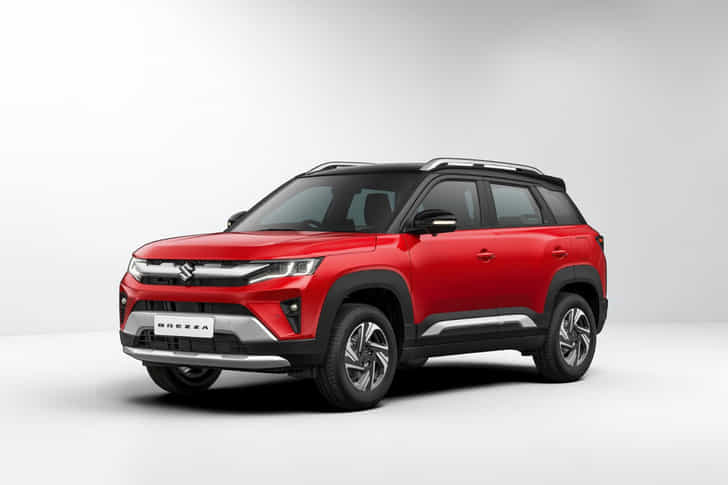
I am planning to buy a Maruti Suzuki Brezza, and my budget is Rs. 10-12 lakh. I am confused between a turbocharged and a naturally aspirated (NA) engine. I plan to keep the car for 8-10 years. My driving will mainly be in Gurugram, with a trip to Himachal Pradesh once every two months. Kindly suggest the best variant for my needs.
It largely boils down to the transmission you are opting for. If you are getting a manual, the turbo petrol is a better choice. It is smooth and tractable for city use and offers good performance for the uphill sections on your trips to Himachal. The manual is also slick, with a light clutch, so it is easy to drive in the city. However, an automatic will still make life a lot easier, and if that is what you want, then the NA petrol is your only option. As such, the 1.5-litre NA has decent performance for the hills, but it won't be as effortless as the turbo petrol. The NA will, however, be a bit more efficient in the city. Both engines are reliable, and Maruti service is generally very good.Overall, if you are regularly driving in heavy traffic, the Maruti Suzuki Brezza automatic is the obvious choice. However, if you are picking the manual, you might as well get the turbo petrol unless fuel efficiency is your top priority.

Hi Autocar Team, I own a 2025 Skoda Kodiaq L&T variant. Due to the very bad, dusty and narrow roads in Bangalore, I hesitate to take my Kodiaq out every day. I am thinking of buying a compact car as my second car, preferably one with a powerful engine. Which car would you recommend?
The Skoda Kylaq 1.0 TSI automatic is the best place to start, given that you already own a Kodiaq and want a compact second car for Bangalore's narrow, dusty roads. Its turbo petrol engine has enough punch for everyday driving, while its smaller footprint makes it easier to manoeuvre and park. The six-speed torque converter automatic is also better suited to crawling through traffic than a dual-clutch gearbox.The Mahindra XUV 3XO petrol automatic is the alternative if you want stronger performance. It feels punchy, has a comfortable ride and offers good ground clearance, although its boot is relatively small. Both cars will feel less premium than your Kodiaq, but that's a reasonable compromise for a car that you'll use without worrying about every rough patch of road.
I want to buy a rugged electric vehicle with a minimum average range of 500 km below Rs. 36 lakh (on-road).
Rugged electric SUVs under Rs. 36 lakh on-road include the Mahindra XEV 9S, XEV 9E, Tata Harrier EV, and Tata Sierra EV. While none will comfortably deliver an average real-world range of over 500km, the Mahindra EVs are likely to come close to that number on accout of their more efficient electric powertrain and larger battery. They also offer more tech, and thanks to their light steering and tight turning radius, they're surprisingly easy to maneuvre in the city. If you need a seven-seater, get the XEV 9S, else you can pick the XEV 9E.Pick the Tata Sierra EV for its relatively compact size, impressive road presence, and spacious interior. The Sierra EV and Harrier EV get a 75kWh battery, but because the Sierra EV is lighter, its real-world range is likely to be better. Also, the Sierra EV is tough and well-built, and will be relatively more affordable than the other EVs listed here. So value-wise, it is the better car.
Hi, I'm planning for a reliable car for my family for long term ownership. Mostly, I drive within the city with monthly average of 300-500 km and take 2-3 long trips in a year. I had shortlisted Seltos HTX petrol. However, I'm getting recommendations to go with Harrier base under my budget. Should I opt with Seltos or Harrier?
Go for the Kia Seltos HTX petrol. With your usage of 300-500 km a month and mostly city driving, petrol is the right choice, and the Seltos is a very well-rounded car. It is comfortable, easy to drive in the city, has a good feature set in the HTX trim, and Kia’s service network is strong. The Harrier base is a bigger, heavier car and is better suited to buyers who do a lot of highway driving or need the extra space and ruggedness. For your usage, the Seltos will be easier to live with, more efficient and a better fit overall. The only reason to consider the Harrier would be if you specifically need the larger size and more rugged nature, but for your requirements the Seltos is the smarter choice.

Hi, I want to purchase an automatic car under 12 lakh as my first car. My monthly running will be under 500 km which includes 20% running in the city and 80% running on the highway. My priority will be comfort and durability with less maintenance. I want to keep it for 8-10 years. My height is 5'10" and I am thinking of going for Amaze CVT. Are there any other options under my budget?
The Honda Amaze CVT is actually a very good choice for your requirements. With your low monthly running, a petrol automatic makes the most sense, and the Amaze’s CVT is one of the smoothest and most reliable transmissions in this price range. Honda’s reputation for durability and low maintenance costs also aligns well with your plan to keep the car for 8-10 years.The only thing to consider is your usage pattern. With 80% highway driving, you may find the Amaze’s 1.2-litre petrol engine a bit underpowered during overtakes at higher speeds, especially when the car is fully loaded. It will do the job, but it is not the most effortless highway performer.If you are open to alternatives, the Maruti Suzuki Fronx Turbo automatic is worth considering. It is similarly reliable, will have effortless highway performance and the mid variants should fit in your budget.
The new Duster Hybrid looks like a really good deal. I currently own a 5th-gen Honda City and a Renault Pulse Diesel, and I’m considering replacing the Pulse with the new Duster Hybrid. Would you recommend going for the Duster Hybrid, or would I be better off with the Kia Seltos Diesel? Around 80-85% of my driving is in the city, with occasional highway trips and weekend outings. I am a bit worried about the service at Renault because the ones with pulse weren’t so good. Please suggest.
Given your usage pattern of 80–85% city driving with occasional highway trips, the Renault Duster Hybrid is actually a very good fit. The hybrid system is designed to maximise efficiency in stop-start city conditions, and the Duster’s ride quality and robust suspension make it well-suited to Indian roads. The new Duster also feels like a genuinely fresh product, with a strong value proposition and a more engaging driving experience than most rivals.The Kia Seltos Diesel, on the other hand, is the better choice if your usage was more highway-focused. The diesel engine is efficient and relaxed on long drives, but with predominantly city driving, the benefits of diesel ownership diminish, especially with modern diesel particulate filter systems that can become problematic with short, low-speed runs.Your concern about Renault service is valid. The brand’s service network and consistency are not on the same level as Kia, and that is something to factor in. However, the new Duster is a far more important product for Renault than the Pulse ever was, and the company is likely to put more effort behind it.If you are still hesitant about Renault’s service, the Maruti Suzuki Grand Vitara Hybrid or Toyota Urban Cruiser Hyryder Hybrid are worth considering. Both offer strong hybrid systems, excellent fuel efficiency and a far more reliable and widespread service network.
Which among plug-in hybrid or hybrid should I buy? What are the benefits of a plug in hybrid over a hybrid and vice versa? Right now, I am thinking of buying a second hand VW Taigun (about 2 years old ) with a 1.5 engine in automatic. Should I go for it? How should one pay for a 2-year old Taigun?
A plug-in hybrid (PHEV) makes sense only if you have regular access to charging and your daily commute falls within the electric-only range. In that scenario, you can do most of your city driving on electric power and use the petrol engine only for longer trips, which keeps running costs low. If you do not have easy charging access or your usage is unpredictable, a strong hybrid is the better choice because it manages everything automatically and you still get excellent efficiency in city driving without having to think about charging.Coming to the Volkswagen W Taigun 1.5 TSI automatic, it is a very good car to buy used. The 1.5 TSI is a strong, refined engine and the car is genuinely enjoyable to drive. On pricing, a two-year-old Taigun 1.5 TSI automatic should typically be priced at around 70-75 percent of the current on-road price for a new car, depending on mileage, condition and variant. Make sure the service history is complete and get the car inspected at a VW service centre before you commit.
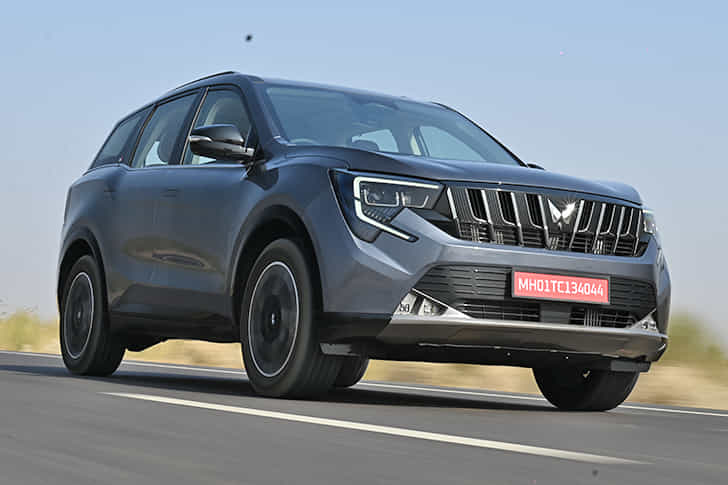
We are a family of 4 and our usage is limited to 10-12,000 km annually which involves 60:40 city-highway usage. Our trips always have a couple of more members joining us. I like the XUV 7XO (diesel) automatic but I am not too sure about its longevity since I would like to own this car for 8-10 years. I considered the Alcazar but I felt the 2nd row is slightly narrow compared to the 7XO. Also, as a car that costs as much as the 7XO isn't nearly as powerful either. Are these my only options? I know my usage may not need a diesel but I would like to own one while these are still available, so I don't mind the delta in price. Also, with the E20 petrol, the performance and efficiency of my current S-Cross has seen drastic difference. I would like the car to be engaging to drive and also reliable with a fuss free ownership. Could you guide me on this please? Thank you.
Go for the Mahindra XUV 7XO diesel automatic. Your usage of 10-12,000 km a year with a 60-40 city-highway split does not strictly demand a diesel, but your preference for owning one while they are still available is valid, and the XUV 7XO diesel is one of the best diesel powertrains in the segment. It is strong, refined and well suited to highway touring, which aligns with your occasional long trips with additional family members.The XUV 7XO is also one of the most engaging 7-seater SUVs to drive, with good performance and a well-sorted chassis. The second row is genuinely spacious, and the third row is usable for occasional passengers, which is important given your family of four plus two additional members on trips. On longevity, Mahindra has made significant improvements in reliability and ownership experience over the past few years, and the XUV 7XO is a mature product. As long as you maintain it well, there is no reason it cannot be a reliable 8-10 year ownership proposition.If you are open to alternatives, the Tata Sierra is worth a look. It is spacious, comfortable and feels premium inside, but the diesel engine is not as strong nor as refined as the Mahindra's. Overall, the XUV 7XO diesel automatic is the best fit for your requirements. It offers the right balance of space, performance, driving engagement and long-term ownership potential.
Need expert advice?
Ask the Autocar community and experts.