Autocar India
12w

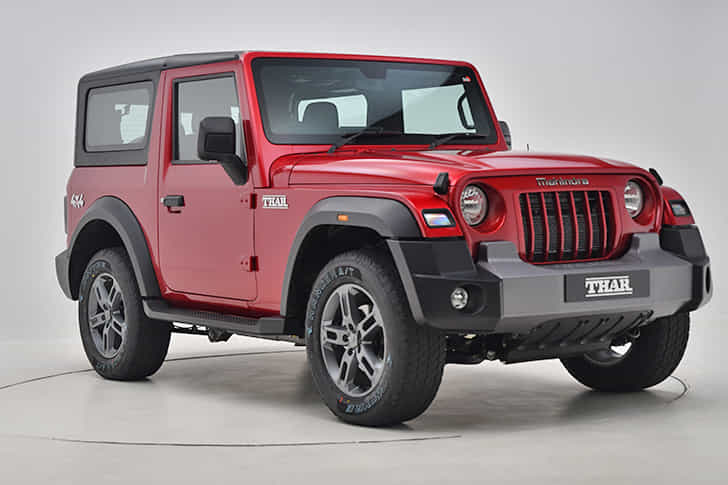
I have been driving Jeeps from a very young age. First the CJ3B, then MM540, Thar CRDe, Thar 2022, and now the 2025 Roxx AX7L 4x4. With government norms tightening, I’m worried that chassis-based 4x4 diesel SUVs may soon disappear. I am based in Delhi and nearing retirement in about 10 years. Is there any hope, or will this lineage disappear? My running is around 2,500 km per month, with 99% highway use. For city driving, I keep a small car, and even an EV could work there, but absolutely not for my highway travel. Do you see any suitable replacement? Also, I had met Mr Sorabjee at the Auto India stall at Auto Expo 1993.

Verified
12w
Having a diesel in Delhi is always a challenge because of the 10-year rule, which deregisters cars after that period. However, since your Mahindra Thar and Mahindra Thar Roxx are quite new and still have a long life ahead of them, we don’t think you need to panic and jump to replacing them because you can happily continue using both well into the next decade. And, since you are a hardcore Jeep and Mahindra fan, you may want to wait for the next-generation Thar, which could come out around the end of 2027 or in 2028. It won’t be a body-on-frame like your existing Thar and Thar Roxx, but could have a hybrid powertrain, which will be future-proofed against any regulations.
For now, hang on to your existing Thar and Thar Roxx because, as you said, these body-on-frame diesels will be the last of a breed. Also, Hormazd Sorabjee will be happy to know you met him over 30 years ago!
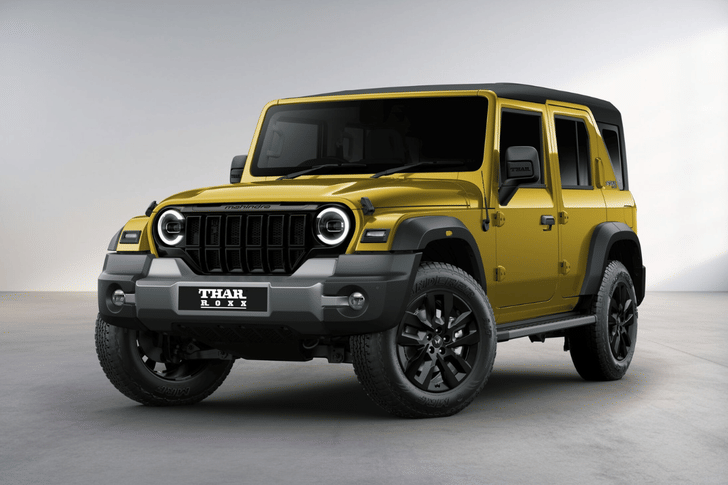
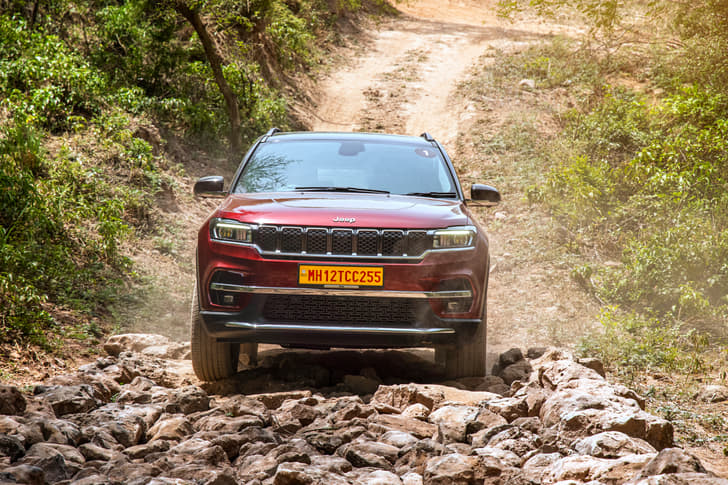
Mahindra Thar Roxx

Mahindra Thar Roxx

Want to sell your car?

Sell your car at the right price, without the stress.

More questions on similar cars

7h

Hello Autocar, I am using a 4-year-old Tata Nexon AMT, and I suffered a gear oil leakage issue during the third year and an engine oil leakage issue in the fourth year. Due to the engine oil leakage, the engine had to be opened for repairs, and the car remained in the workshop for two months. Since the engine has been opened, I am wondering whether I should replace the car because of these issues. However, the car is running fine now, although I do feel there is a loss of power and mileage. I would like to know whether I should change the car now or wait a few months to understand the roadmap for ethanol blending. Also, my annual running is only around 5,000 km. Would a naturally aspirated engine be a better choice than a turbocharged engine, considering the car would remain idle for long periods? I am thinking of switching to the Maruti Suzuki Brezza TC. However, I like the Kia Sonet's interiors, but I am concerned about its turbo engine and DCT. That said, the Sonet seems like a fun-to-drive car on the highways. My usage will be around 70% city and 30% highway. Please advise.

Verified
2h

Given your low annual running of 5,000km and the fact that the car will be idle for long periods, a naturally aspirated petrol engine paired with a torque converter automatic is the most sensible choice. The Maruti Suzuki Brezza fits this brief perfectly. It is a simple, reliable and low-maintenance package with a proven engine and gearbox combination that will serve you well over a long ownership period. The Sonet turbo petrol DCT is the more fun-to-drive option on the highway, but the DCT gearbox is not the ideal choice for predominantly city driving and long periods of idling. As for your current Nexon, if the car is running fine now, there is no immediate need to change it. However, given the engine has already been opened and you are experiencing a perceived loss of power and mileage, it is understandable to want to move on. On the ethanol front, there is no official roadmap beyond E20 at this stage, and modern engines are engineered to handle E20 without issue. There is no need to wait for further clarity. The Brezza is the safer and more sensible long-term choice for your usage pattern.

VehicleMaruti Suzuki Brezza
VehicleKia Sonet
VehicleTata Nexon
6h

Edited: I am currently driving a Tata Punch and am planning to upgrade. My budget is around Rs. 15 lakh. I'm looking for a car that offers: a reliable and refined engine, good torque and performance, especially for hilly drives and mountain roads, peace of mind in terms of ownership, reasonable service and maintenance costs (not overly expensive like Tata), and Good long-term reliability. My usage is: daily office commute of around 30 km, frequent weekend highway trips and long drives, and regular visits to hilly destinations, so the engine should be capable of handling inclines confidently. I'm open to SUVs, sedans, hatchbacks, or crossovers; body style isn't a priority. I just want the best overall package in terms of driving experience, reliability, comfort, safety, and ownership costs. What would you recommend in this budget, and why? Also, if there are any models I should avoid, I'd love to know your reasons.

Verified
2h

Based on your requirements, the Skoda Kylaq 1.0 TSI would be our top recommendation among the cars under 15 lakh. It offers a strong and refined turbo petrol engine with good low-end torque, which makes it well suited for hilly drives and mountain roads. The Kylaq is also one of the most engaging cars to drive in this price range, with a well-sorted chassis and a comfortable ride. Skoda has improved its ownership experience significantly in recent years.If you are looking for a more premium and feature-rich option, the Mahindra XUV 3XO is also worth considering. This Mahindra car offers a more spacious cabin, a wider rear seat, and a more premium overall feel. However, the Kylaq is the better driver's car.

VehicleSkoda Kylaq
VehicleMahindra XUV 3XO

Popular discussions right now

2d

I currently own a Skoda Kushaq Petrol AT. Everything is fine except the mileage. I am getting only around 10-13kpl with E20 petrol. My daily running is around 100 km. Should I buy a diesel car or an electric car?

Verified
2d

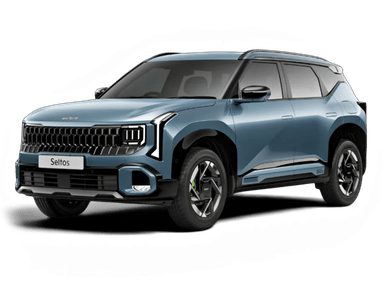
With a daily running of around 100 km, fuel efficiency becomes a major factor in ownership costs. The Skoda Kushaq petrol automatic is a good car, but the 10-13kpl you are seeing is typical for a turbo petrol automatic, especially with E20 petrol. At this usage, a diesel or a strong hybrid makes far more sense.If you do regular highway runs, a diesel is still the most practical and cost-effective solution. The Mahindra XUV 7XO diesel automatic would be the recommendation here. It is a strong highway car, comfortable, spacious and the diesel engine will deliver significantly better fuel efficiency than your Kushaq. Diesel running costs will be far lower over your kind of mileage. If that is out of your budget, something smaller like a Kia Seltos diesel, while not as powerful, is even more efficient.If your usage is mostly city a strong hybrid could be a better solution. The Maruti Suzuki Victoris is the most practical and cost-effective option. It is well priced, has a proven track record and will dramatically reduce your running costs. The strong hybrid is better suited to the city, where it is more likely to run on its electric motor than use the engine and deliver the better mileage.

VehicleSkoda Kushaq
VehicleKia Seltos
VehicleMahindra XUV 7XO
VehicleMaruti Suzuki Victoris

Posted on: 2 May 2026