autocar-logo
Delhi

I’m currently riding a 2013 Honda Trigger and planning to upgrade to a new bike, mainly for daily city commuting to the office. I want something with good suspension, decent mileage, and enough power to overtake and filter through traffic easily. I am also confused between the 150 cc segment and the 350 cc segment - some 350 cc bikes look great but seem to lack quick pickup in the city or require frequent gear shifts. Which segment and specific models would be best for my needs?

Asked by: Yogesh

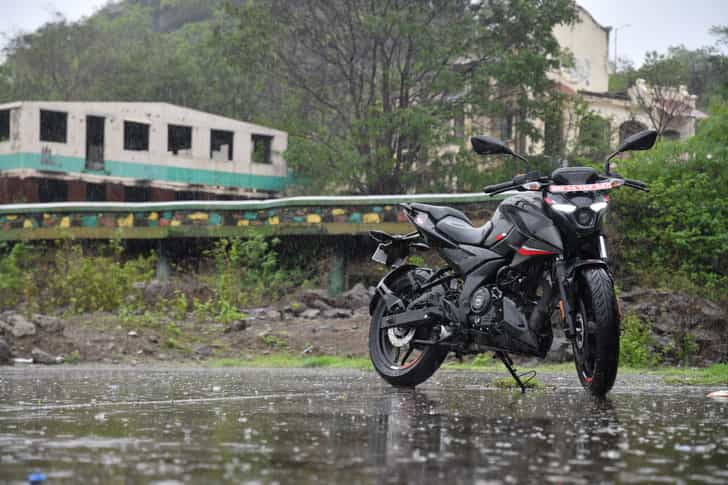
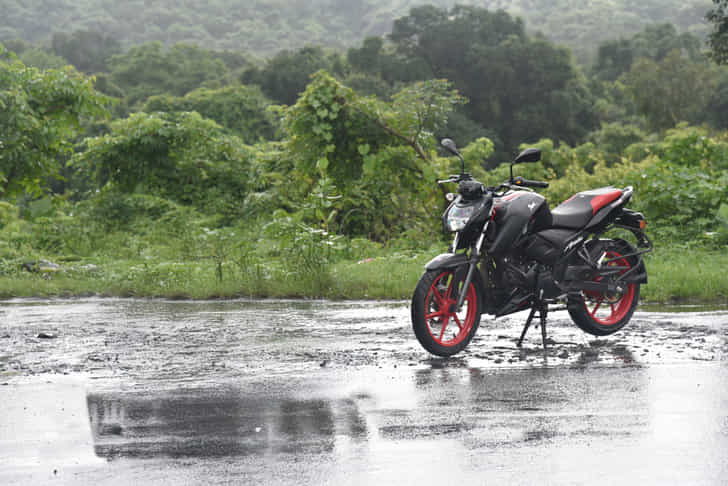
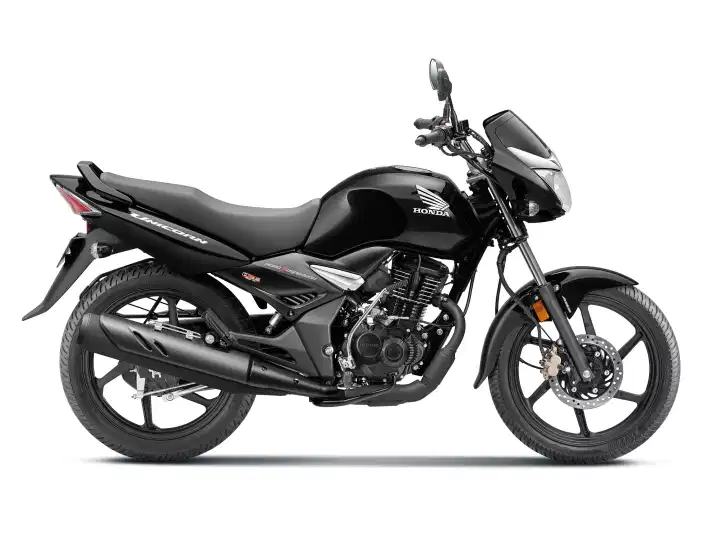
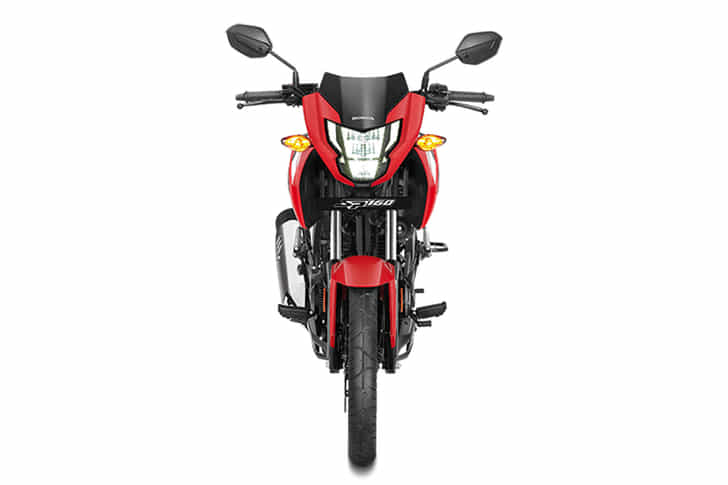
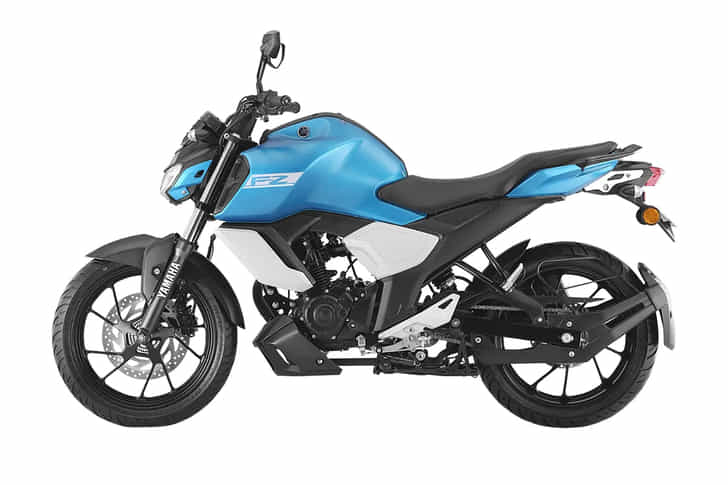
The 150/160cc commuter segment is a great one to be shopping in for city duties because it is packed with excellent products that are comfortable, decently powerful and quite fuel efficient. Bikes like the Bajaj Pulsar N160, TVS Apache RR 160 4V, Honda Unicorn / SP160 and the Yamaha FZ models would be our top recommendations in this class. 

The 350cc segment - while much larger - is geared to provide a more laidback, leisurely riding experience, and this is why you might think that these bikes "lack pickup." You should ask yourself what sort of riding experience you resonate with first before you start shortlisting vehicles. 

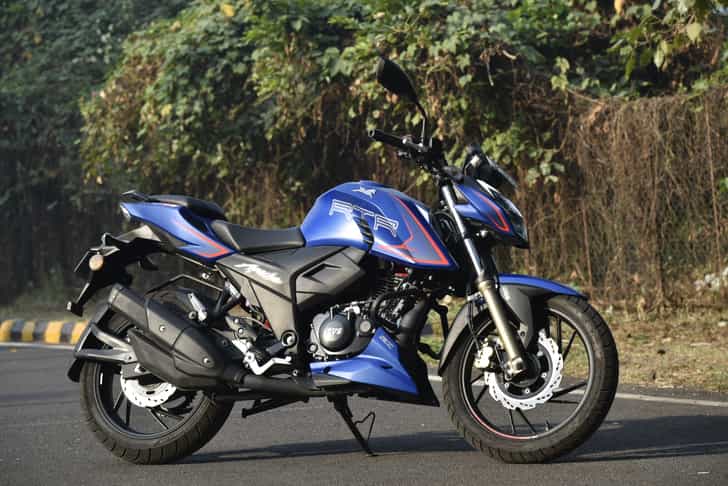
Some bikes in between these two segments that also warrant consideration are the TVS Ronin, Bajaj Pulsar N250, Honda CB300F and the TVS Apache RTR 200 4V.

A test ride of everything you're considering will help you decide. 
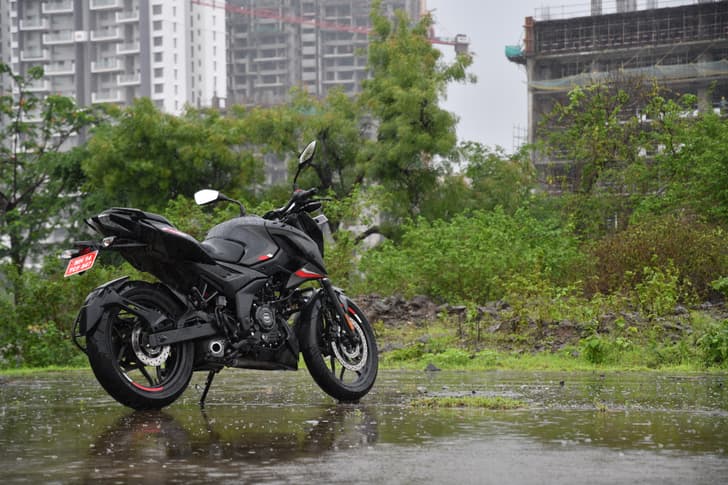
Bajaj Pulsar N160

Bajaj Pulsar N160

Answered by
AI
Autocar India team31 Dec' 25

Latest questions

Asked by: Subra

I am planning to buy the XEV 9e Pack 3 with the 79kWh battery. I am a heavy-footed driver and tend to drive aggressively. Performance is the main reason I am considering this car. However, I saw a review where the XEV 9e was driven at around 170kph for about eight minutes, after which the power dropped by 14% from the initial. If performance is my priority and I am not concerned about range, should I still go for it? I am scared that it may underperform a lot after driving at excessive speeds for a long time.

Don’t be alarmed by the video you saw. All electric cars discharge very fast when driven at speed. And a fast discharge also heats up the battery and motor, so to protect the hardware, the battery management system (BMS) cuts the power, which explains the 14% drop you noticed.Because of aerodynamic drag, speed is the biggest enemy of range, and there is an exponential drop the faster you go. For example, if you drive at 160-170kph, the batteries will discharge 2.5 to 3 times faster than if you were driving at 90-100kph.Even EVs with large batteries can lose charge at the rate of 1-2% per minute with hard and sustained high-speed driving.So if all you want is performance and don’t care about range, the Mahindra XEV 9e in Race mode is very quick for short bursts of acceleration to overtake and fast highway runs. But no EV will give you full peak power indefinitely at extreme speeds.It all depends on how the BMS is calibrated, but after sustained high-speed driving, expect a drop in power, which is normal for an EV and not a flaw of the 9e specifically.
AI
Autocar India team
12 Jan' 26
Asked by: Rajalakshmi

I own a hybrid Grand Vitara and would like to know whether the electric cells in a hybrid also serve the needs of air-conditioning and other electrical peripherals. If there is a separate battery for these functions, does it get charged automatically by the engine when the car is in idle condition?

In the Maruti Suzuki Grand Vitara hybrid, the air-con and most electrical systems are powered by the main hybrid battery. There is also a small 12-volt battery, but it only runs basic electricals and electronics like the dashboard and locking.When you are stopped with the air-con on, the car uses the hybrid battery first. If that battery level drops, the petrol engine automatically starts. The engine then generates power to recharge the main battery and shuts off again when the battery is fully charged.
AI
Autocar India team
12 Jan' 26
Can't decide which car to buy?
Ask our experts and get answers to all your car related queries.