Autocar India
16h

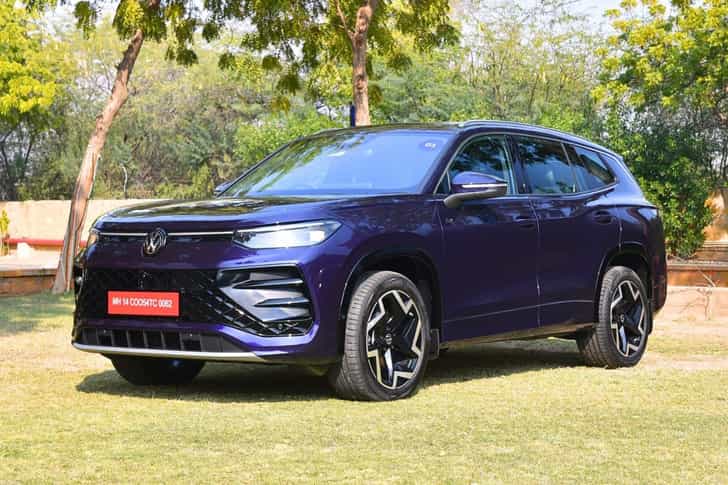
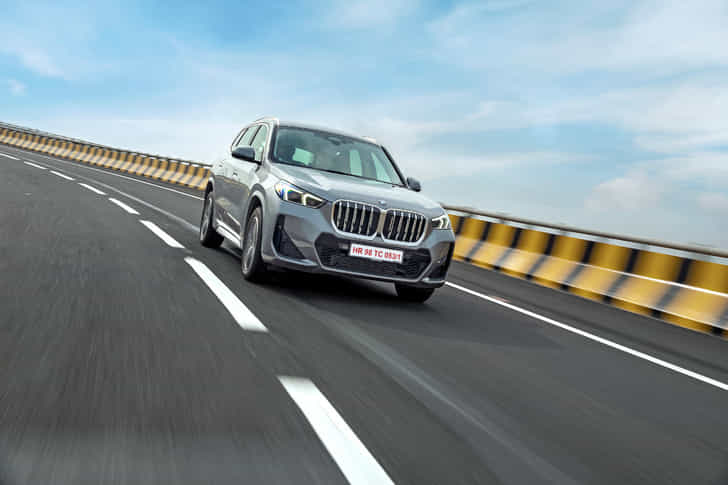
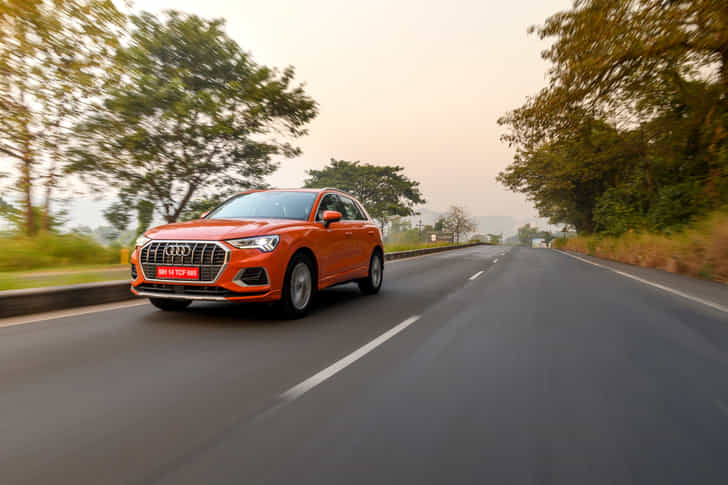
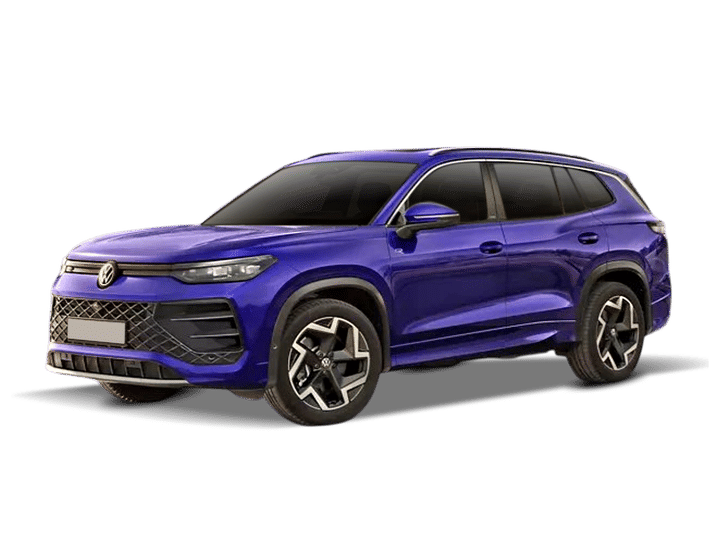
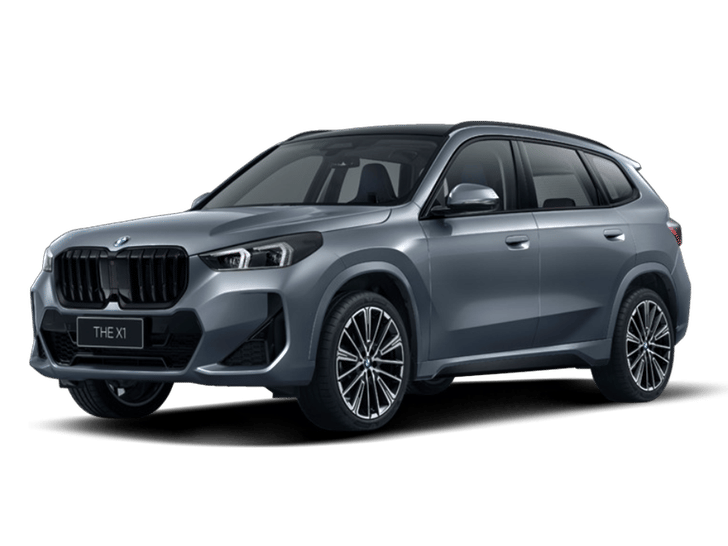
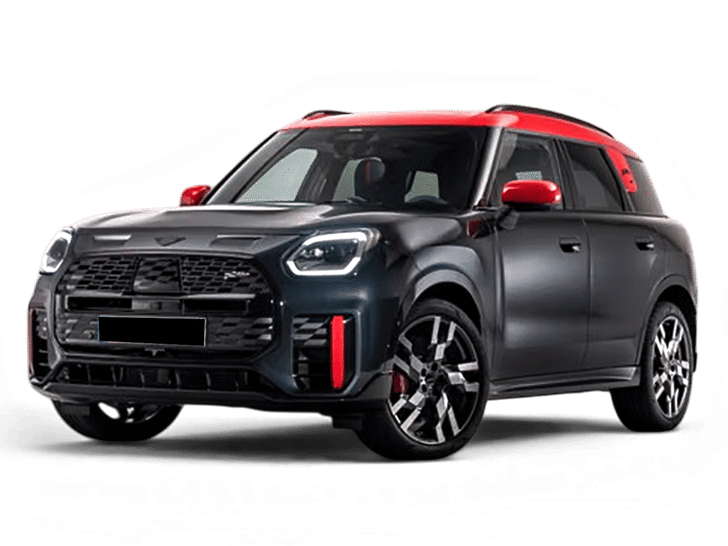
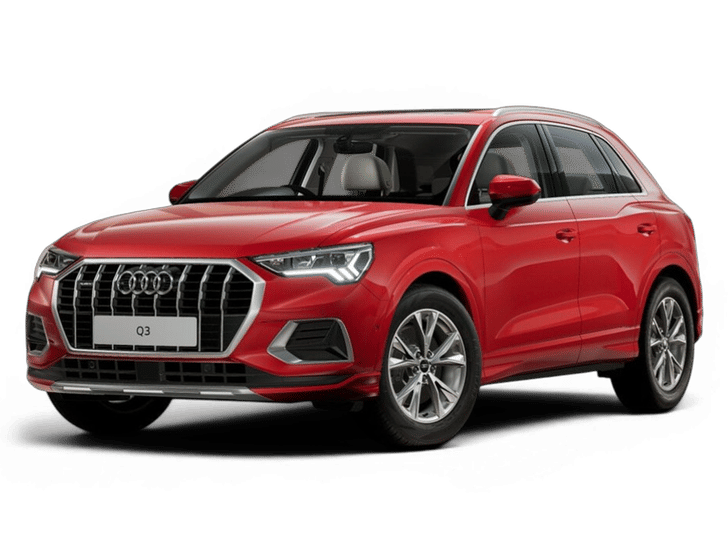
Hi, I am contemplating between the VW Tayron R-Line, BMW X1 LWB, MINI Countryman petrol, and Audi Q3. I like to drive myself and go on road trips every quarter. Kindly suggest which one would be better in terms of features and comfort.

Verified
14m

Of the four, the Volkswagen Tayron R-Line is the one to consider if space is a priority. It is the largest here and will suit frequent family travel best, particularly if you regularly carry rear-seat passengers and luggage. The petrol engine is smooth, though it needs to be worked hard for its best performance. Also, the R-Line’s larger wheels and lower-profile tyres can make the ride feel firm and occasionally crashy over broken roads.

The BMW X1 LWB is a very capable city SUV. It has light controls, sharp handling for its size, generous rear-seat space and is superbly priced. However, its 1.5-litre petrol engine is not particularly strong once fully loaded. This BMW car is adequate for normal use, but does not offer the relaxed overtaking performance you may want on regular highway trips, and the interior doesn’t feel premium enough.

The Mini Countryman is arguably the most distinctive choice. It feels well built, has a genuinely interesting interior and is enjoyable to drive, but it is not the most natural long-distance companion here. Rear-seat comfort and the overall ride quality are not quite as convincing as the Tayron or X1 for regular road trips.

If you like driving and head out of town every few months, we suggest you wait for the new-generation Audi Q3. This Audi car comes with a 2.0-litre turbo-petrol engine, and the standard quattro all-wheel-drive system should give it the strongest combination of effortless performance, highway confidence and all-weather capability in this group. The new Q3 is due to launch in India on October 16 and is expected to bring a much more modern, technology-heavy cabin. It is also expected to be the most expensive of the lot, with pricing likely in the Rs 55 lakh to Rs 60 lakh range, ex-showroom. 

My pick would be the Q3 if you can stretch the budget and are willing to wait. Otherwise, choose the Tayron R-Line if rear-seat space and family-road-trip usability matter most, or the X1 if most of your driving is in the city
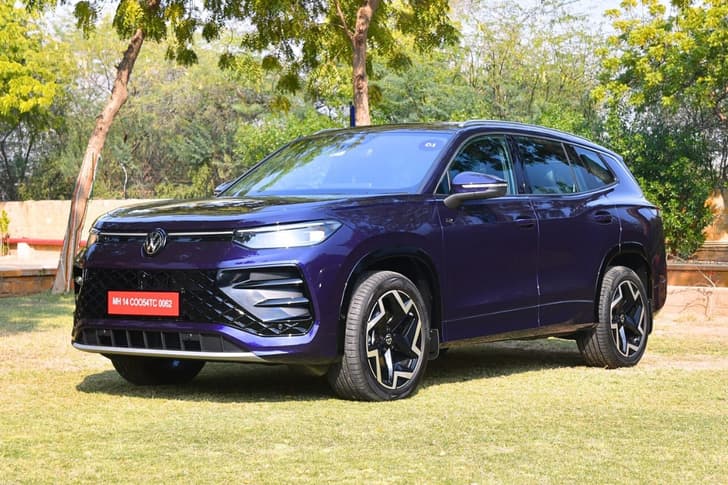
 

Volkswagen Tayron

Volkswagen Tayron

3m

Thanks, our views match :)

More posts on similar cars

15h

I am looking to buy a petrol automatic SUV primarily for city use, with occasional highway trips. I have shortlisted the Maruti Suzuki Grand Vitara Zeta AT mild-hybrid and Kia Seltos HTK(O). My priorities are real-world city and highway mileage, reliability, maintenance costs, long-term ownership (8-10+ years), comfort, and overall value for money. I would appreciate advice from owners/users, especially regarding actual mileage in heavy city traffic, maintenance costs, and any issues they have faced over the years.

Verified
1h

Go for the Maruti Suzuki Grand Vitara Zeta mild hybrid AT. For your priorities of mileage, reliability, low maintenance and long-term ownership, it is the safer and more sensible choice. The mild hybrid system helps with efficiency in stop-start city traffic, and Maruti’s service network and ownership costs are among the best in the business. The Kia Seltos HTK (O) is a good car, but the Grand Vitara’s mild hybrid system gives it a clear advantage in city efficiency, and Maruti’s ownership experience is hard to beat. This Kia car does feel more premium inside, but for your requirements, that is less important than reliability and running costs.In heavy city traffic, owners typically see around 11-13 km/l in the Grand Vitara mild hybrid AT, with highway figures in the 16-18 km/l range. Maintenance costs are reasonable, and Maruti’s service reach is a big advantage over a long ownership period. The Seltos petrol automatic is also reliable, but real-world city mileage is usually a bit lower, and Kia’s service network is not as extensive.Overall, the Grand Vitara is the better fit for your requirements.

VehicleMaruti Suzuki Grand Vitara
VehicleKia Seltos
2d

Hi Team, I am confused between the Mahindra XUV 7XO diesel AX7T and Tata Harrier EV Fearless Plus. My concern is that diesel vehicles may be phased out sooner, which could affect diesel engines in general. Since there is no proper hybrid vehicle in this segment and reliability concerns around EVs in India are causing some uncertainty, I am a bit unsure. Any advice would be appreciated.

Verified
3h

First, a quick clarification: diesels are unlikely to be phased out anytime soon. There are tighter emissions norms and some city-specific restrictions to keep an eye on, but there is no immediate reason to avoid a modern BS6 diesel purely on the assumption that it will soon become unusable. Mahindra, in particular, is likely to continue offering diesel SUVs for as long as there is meaningful demand. The XUV 7XO AX7T’s 2.2-litre diesel remains a strong fit for frequent highway use, long-distance touring, heavy loads and buyers who value effortless torque and quick refuelling.Your EV reliability concern is understandable, but it should not be a deciding negative by itself. An electric car has fewer mechanical moving parts than an ICE vehicle, which can reduce routine powertrain maintenance requirements. The more relevant question is whether your charging situation and typical driving pattern suit one. If you have dependable home or workplace charging, the Harrier EV makes a compelling case with its quieter, smoother driving experience and substantially lower running costs. The Fearless+ gets a 65kWh battery with a claimed 538km range, while 75kWh versions claim up to 627km, though real-world range will naturally be lower and depend on speed, weather and driving style.If you do regular intercity runs, especially in areas where charging stops may be inconvenient, the Mahindra XUV 7XO diesel is still the easier all-round ownership proposition. It is also likely to be the better choice if you plan to keep the car for a long time without changing your travel routine.If a hybrid is what you are after, there are now two relevant options. The MG Hector Tomahawk PHEV offers a useful EV-only range of around 100km, backed by a 1.5-litre petrol engine. However, a plug-in hybrid only makes sense if you can charge it regularly. The Kia Sorento is a conventional strong hybrid, so it does not need external charging and should offer better refinement and economy than a regular petrol SUV. It is, however, considerably more expensive than the XUV 7XOOur advice: Choose the Harrier EV if you have home charging and most of your running is urban or predictable. Choose the XUV 7XO diesel if long highway trips and maximum convenience matter more.

VehicleMahindra XUV 7XO
VehicleKia Sorento
VehicleMG Hector Tomahawk PHEV
VehicleTata Harrier EV

Popular discussions right now

Posted on: 15 Sept 2026