Autocar India
•9w

I am planning to buy an electric car with a budget of around Rs. 30L as a family car. Which EV offers the best value for money in this price range? I also want to consider its resale value after 5-6 years. Which model would you recommend?

Verified
•9w

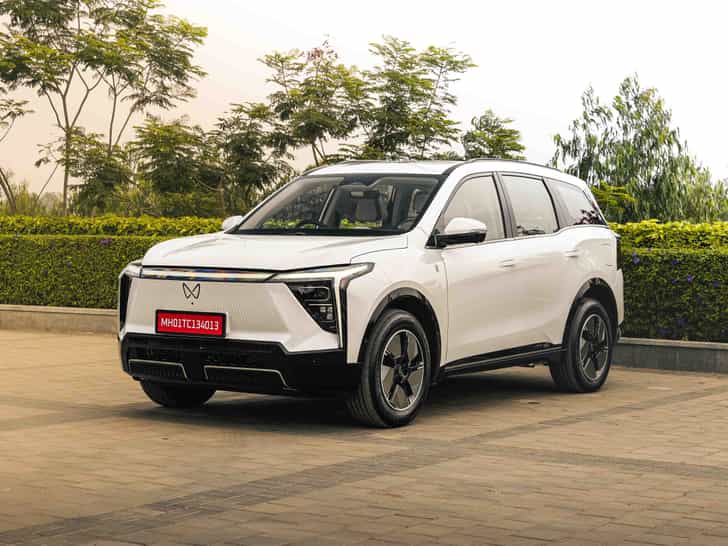
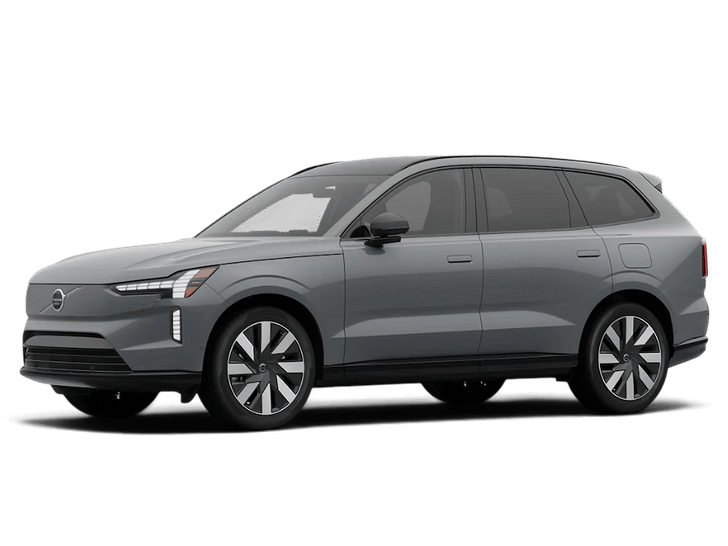
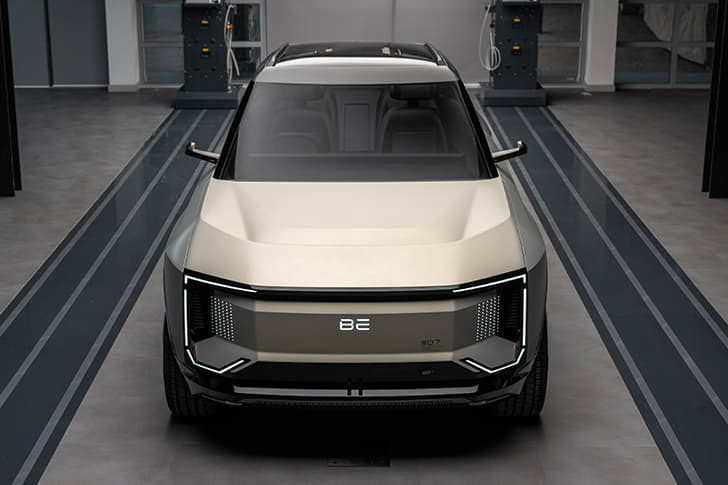
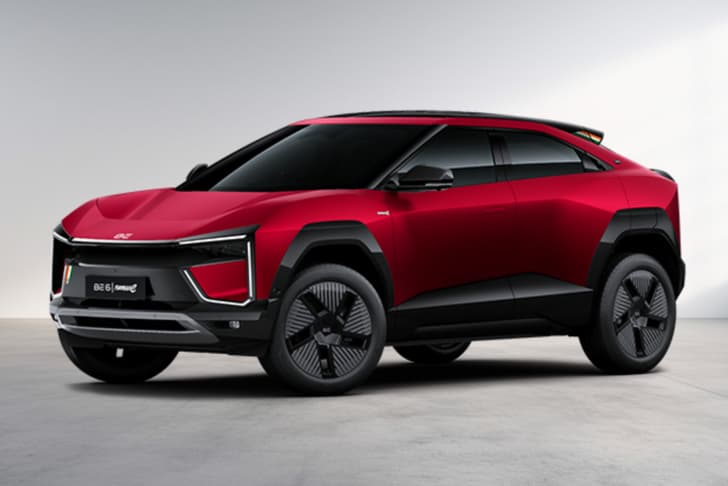
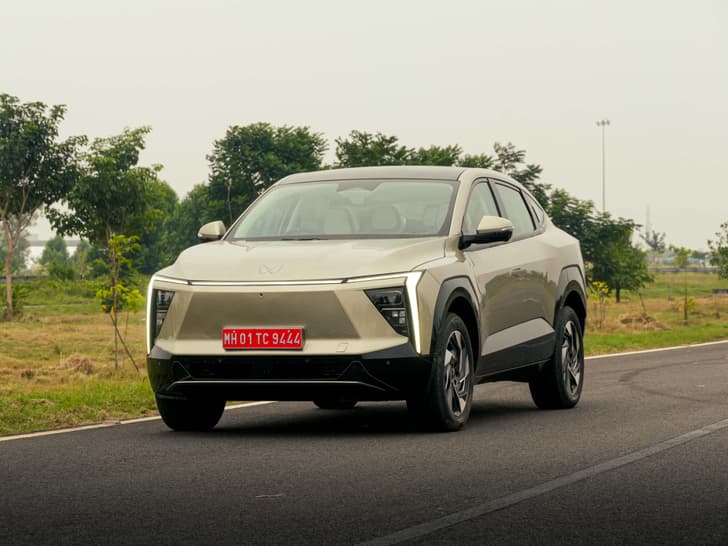
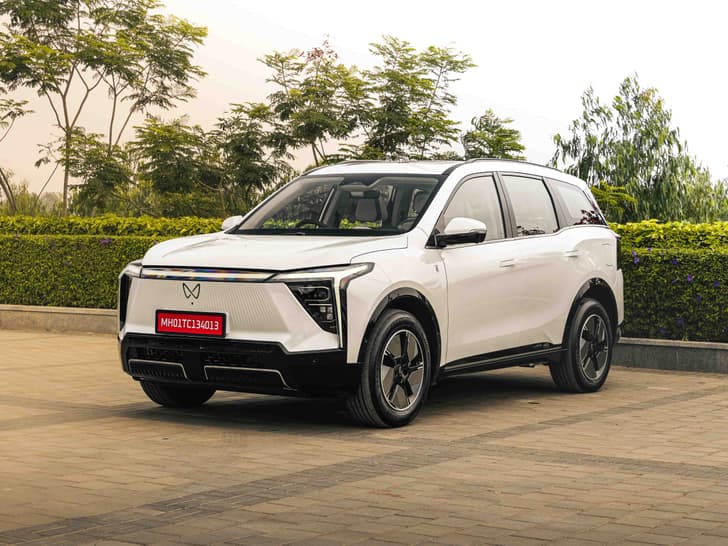
The best all-rounder when it comes to EVs at the Rs 30 lakh price range is the Mahindra XEV 9S. For one, it's a large vehicle with three rows of seats, giving you maximum space at this price. You also get plenty of choice in the form of three battery pack options, depending on your requirement, and on top of it all, it's loaded with features. For Cars Under 30 lakhs, you could get one of the top two variants - Pack Three or Pack Three Above - with all the bells and whistles and the largest battery pack. It also packs in strong performance, with a 286hp motor mounted on the rear axle, as well as good range from the large battery - around 480km in real-world usage. 

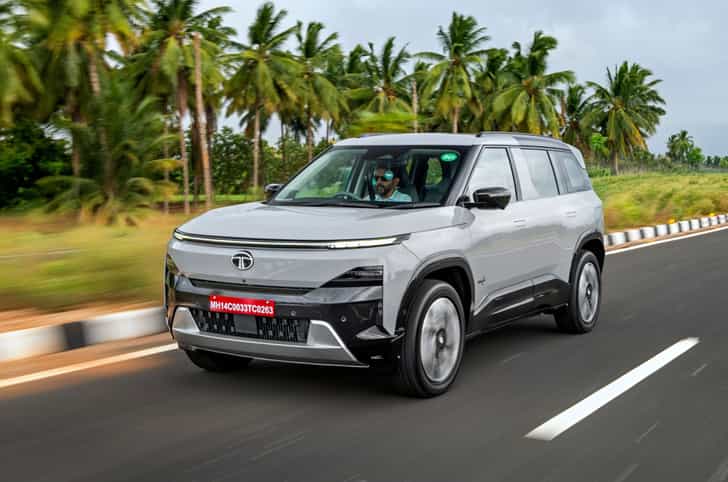
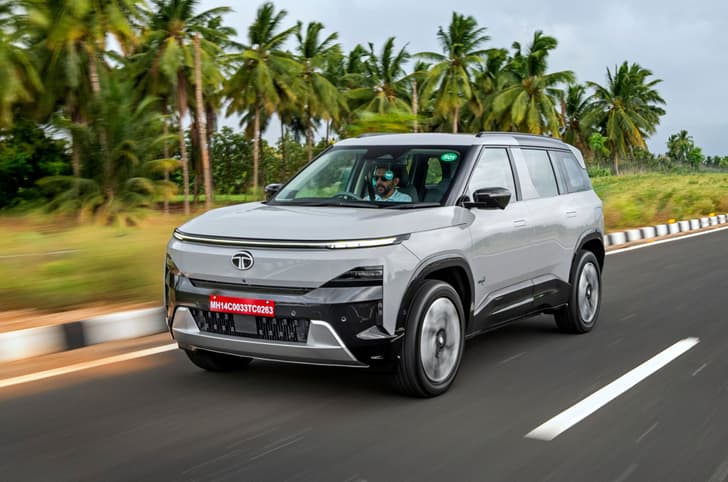
Another strong option is the newly launched Tata Sierra EV. While not as large as the XEV 9S and without the third row of seats, its front and second row are incredibly spacious and comfortable, and it has a large boot too. The better news is that you get the top variant at around Rs 28 lakh, on road, and this not only gets you a similar feature set to the Mahindra, but also a battery and range figure that's almost as good. Moreover, this also gets you a dual-motor AWD setup with even greater performance. In outright terms, the seven-seat XEV is a better value, but if you have no need for the third row, the Sierra might work better for you.

Resale value on any EV at present is not going to be as good as an equivalent petrol car, due to various factors, such as uncertainty around the condition and quality of the battery after several years of use. With that in mind, a strong brand and popular model are likely to give a better resale value, and both these are popular models from popular brands, so they should be as good as it can get.
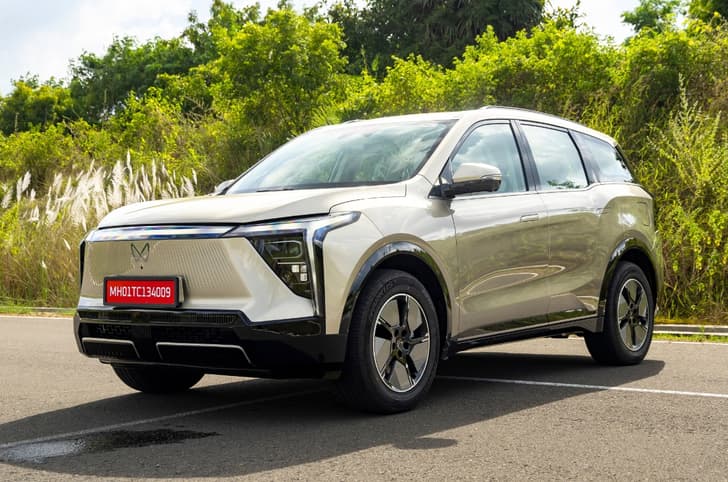
Mahindra XEV 9S

Mahindra XEV 9S

•9w•

@preeyankbaid Go for XEV 9S

•9w•

@autocar.india what about harrier ev ?

•9w•

@basith exactly what I was thinking

More posts on similar cars

•3d

Hello, I am planning to buy an EV that I need for a daily commute 170 km out which 80 km is on expressway. Rest is on state highway and city with heavy vehicle traffic. I am looking for a comfortable 7-seater for long term for at least next 8-10 years. I am inclined towards MG Tomahawk top trim and XEV 9s pack two Above 70kWh. Please advise.

Verified
•2d

With your 170km daily commute, including 80km on the expressway, the Tomahawk EV is a very strong fit. The 69.2kWh battery gives it a claimed 517km range, while our first drive review found it delivered 4.85km/kWh in a fast highway run, translating to around 336km of real-world range. That gives you a useful buffer for your daily commute.For your requirement of a comfortable 7-seater, the Tomahawk also has a spacious second row with excellent legroom, reclining seats and good third-row access. The third row is usable for adults on shorter journeys, although boot space with all three rows up is limited.The XEV 9S Pack Two Above 70 is the more sophisticated and performance-oriented option, but the Tomahawk's strengths are better aligned with your priorities: comfort, space and easy highway cruising. Our first drive also found it surprisingly easy to drive despite its size, with excellent visibility and light steering.The only concern is that the Tomahawk is a new EV, so there is no established 8–10 year ownership track record yet. An extended warranty would therefore be worth considering.

VehicleMG Hector Tomahawk EV
VehicleMahindra XEV 9S

Popular discussions right now

•4d

I currently drive a Hyundai i10 CNG, with daily running of around 6 km in Gurgaon city traffic and a monthly highway drive of around 200 km. I am now planning to upgrade my car, with an on-road budget of Rs. 12 lakh for a petrol sub-4-metre SUV, up to Rs. 14 lakh for a petrol midsize SUV, and Rs. 15 lakh for an EV. I live in a rented apartment on the second floor, so I am apprehensive about getting an EV. I prefer an EV, but installing a charger could be complicated due to the sanctioned load. My running could increase to nearly 800 km per month in the future. My key priorities are: - Good suspension and ride comfort, as I have a back problem - Decent fuel efficiency in heavy city traffic - Low to medium maintenance costs - Auto hold and ventilated seats would be good to have I sometimes consider buying a manual, but I mostly prefer an automatic. I am currently considering the Maruti Brezza, Baleno AMT, Fronx AMT/AT, Sonet iMT, Exter AMT, and even the upcoming Inster, VF3, and Bayon. I am open to other suggestions as well. Note: I had a bad driving experience with the Punch AMT, as it caused back fatigue.

Verified
•3d

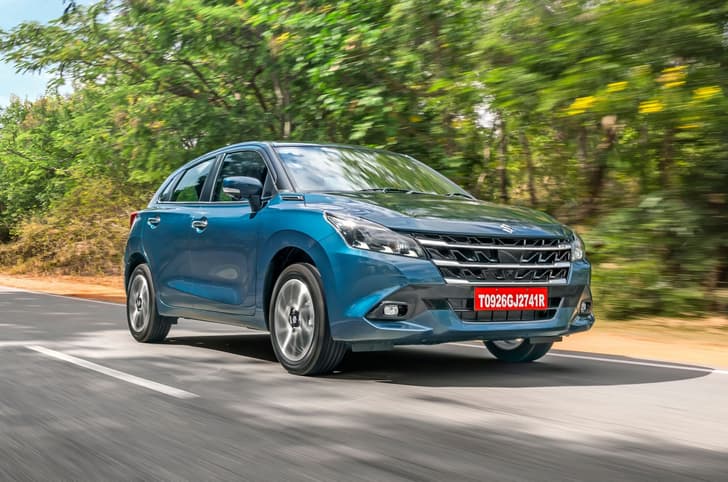
Given your priorities of ride comfort, fuel efficiency and low maintenance, the Maruti Brezza automatic is the most sensible upgrade. It offers a comfortable ride, a proven naturally aspirated petrol engine and Maruti's strong service network, which keeps long-term ownership costs in check. The torque converter automatic is smooth in city traffic, and the Brezza's higher seating position will help with your back issues. The Sonet iMT is not the right choice here. While it is a good car, the iMT is not a true automatic and will not offer the same ease of use in Gurgaon traffic. The Baleno AMT and Exter AMT are also not ideal given your back issues and the fact that AMT gearboxes are not as smooth as torque converter automatics in stop-start conditions.On the EV front, your apprehension about charging is valid. Without a straightforward home charging solution, an EV will add unnecessary complexity to your ownership experience. The upcoming Bayon is interesting and if you can wait a few weeks you would have a better picture before making a decision. For now, the Brezza automatic strikes the best balance between comfort, efficiency and hassle-free ownership.

VehicleMaruti Suzuki Brezza
VehicleKia Sonet
VehicleMaruti Suzuki Baleno
VehicleHyundai Exter
VehicleHyundai Bayon
•2d

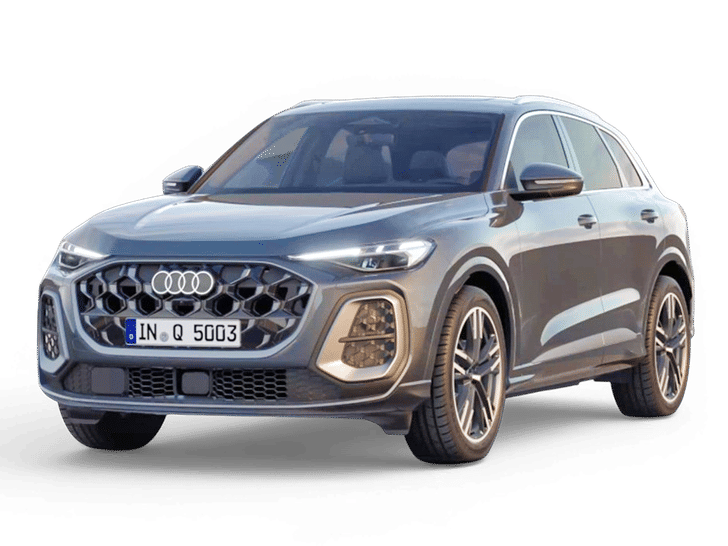
I am planning to buy a new vehicle for myself and my parents. I have seen the new Audi Q3 2026 and am quite interested in it, but I am not fully convinced about the petrol-only option. I was hoping for a hybrid version, especially considering fuel efficiency at this price point. Secondly, I am also looking for a 4x4 and am currently waiting for the new Fortuner. However, I am confused because many people are suggesting the new Scorpio N or Thar Roxx, saying that if the primary purpose is off-roading, there is no need to spend so much on a Fortuner. Please suggest what would be the better option for my requirements.

Verified
•2d

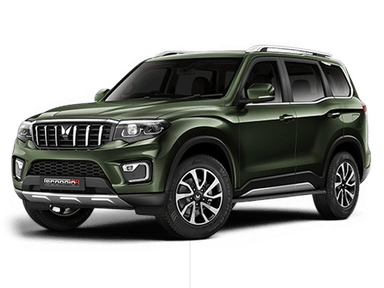
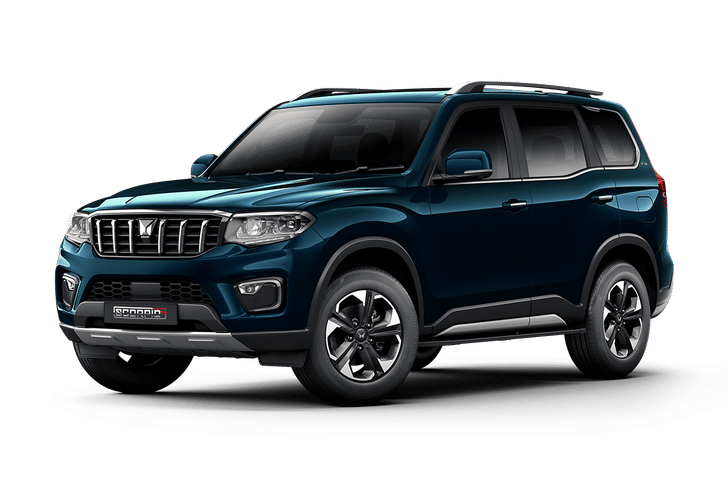
The Audi New Q3 is a good choice if you want a premium, comfortable SUV, but I would not buy it expecting a hybrid. The India-spec Q3 is expected to use a 2.0-litre turbo-petrol engine with 204hp, a 7-speed DCT and quattro AWD, with no confirmed hybrid version for India.If your requirement is genuine 4x4 capability, the Toyota Fortuner remains a very different proposition. The next-generation Fortuner is already being tested and is expected in India by early 2027. It is expected to retain petrol and diesel engines, 4x4 capability and the ladder-frame construction, while gaining a much more modern cabin and ADAS.The Mahindra Scorpio N is the sensible alternative if you want a capable 4x4 without spending Fortuner money. The Thar Roxx makes more sense if off-road ability is the priority, but it is less comfortable and practical as a family SUV.For parents, the Q3 will be considerably easier to live with in the city, while the Fortuner is better suited to long-distance touring and serious rough-road use.

VehicleAudi New Q3
VehicleToyota Fortuner
VehicleMahindra Scorpio N
VehicleMahindra Thar Roxx

Upcoming launch buzz

Community discussions on upcoming launches
Posted on: 20 Jul 2026