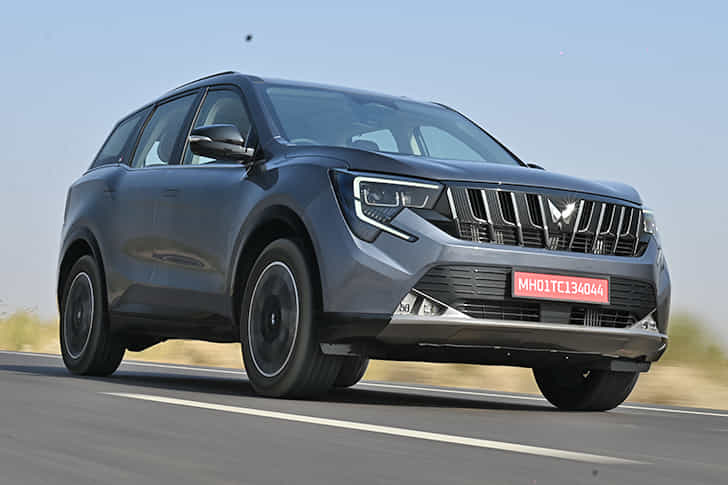
Two days back, you guys had suggested me Kylaq Sportline AT. I was checking Slavia Classic+ AT and it is almost the same price. It has all the basic features that I need including infotainment and rear view camera that I can get installed either from outside or from the showroom itself. Is it a good idea?

 Skoda SlaviaSkoda Kylaq
Upcoming launch buzz
Community discussions on upcoming launches
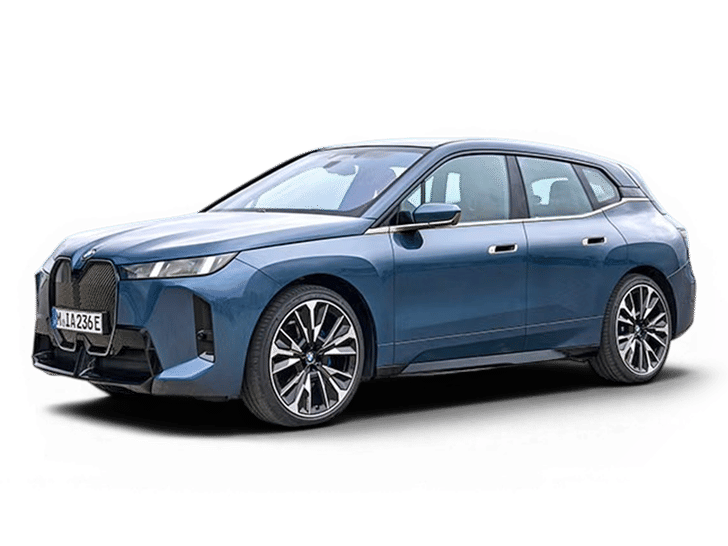
BMW
iX facelift
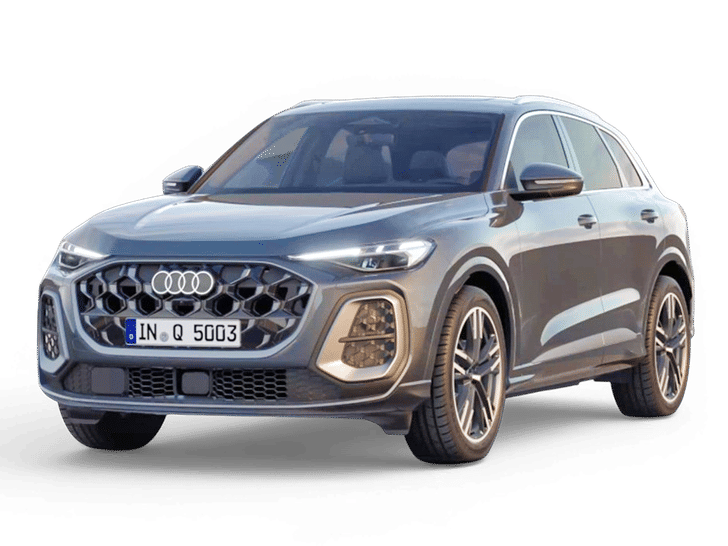
Audi
New Q5
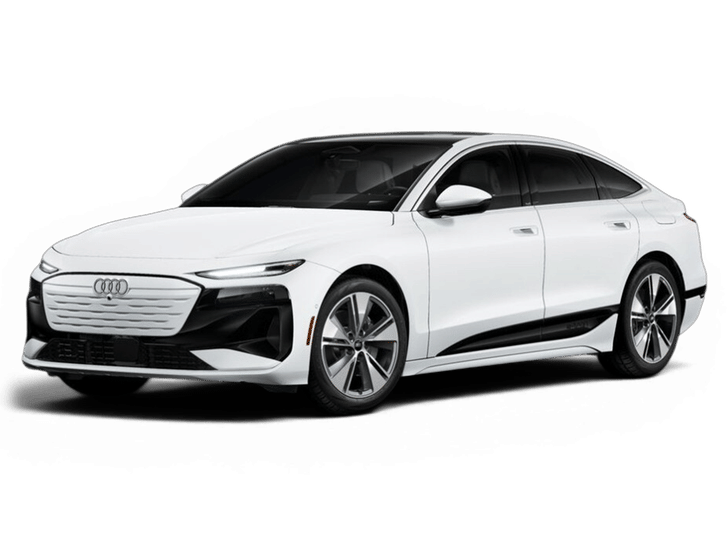
Audi
A6 e-tron

Audi
Q6 e-tron
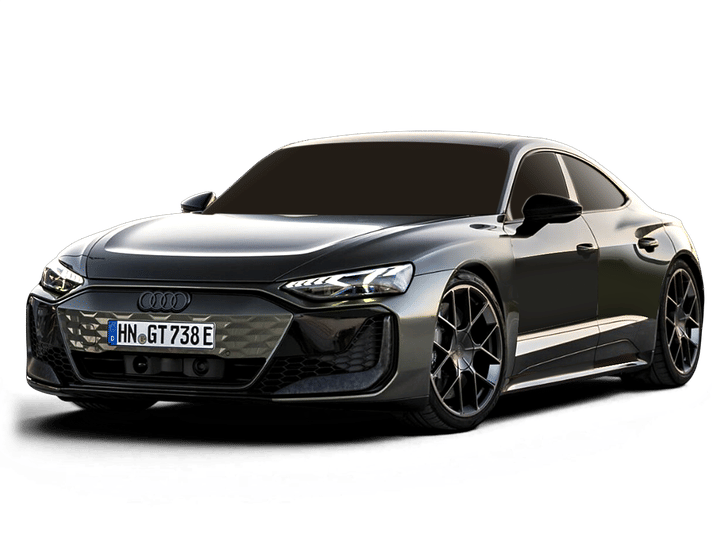
Audi
e-tron GT facelift

Volkswagen
Virtus facelift
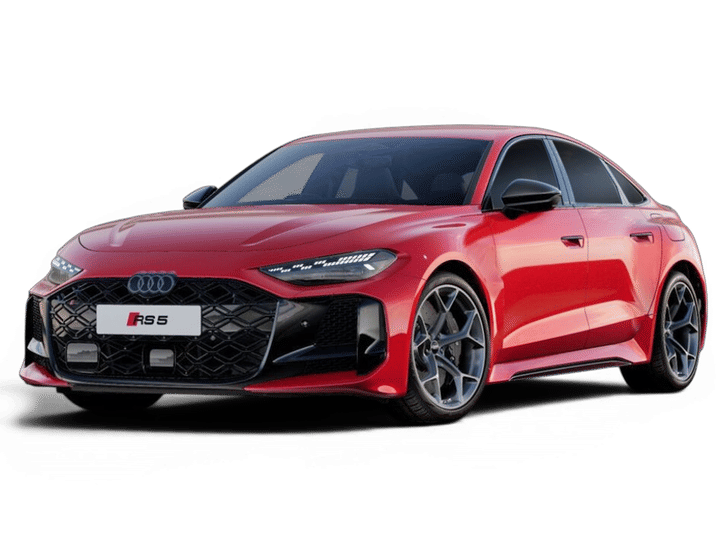
Audi
A5

Vinfast
VF5
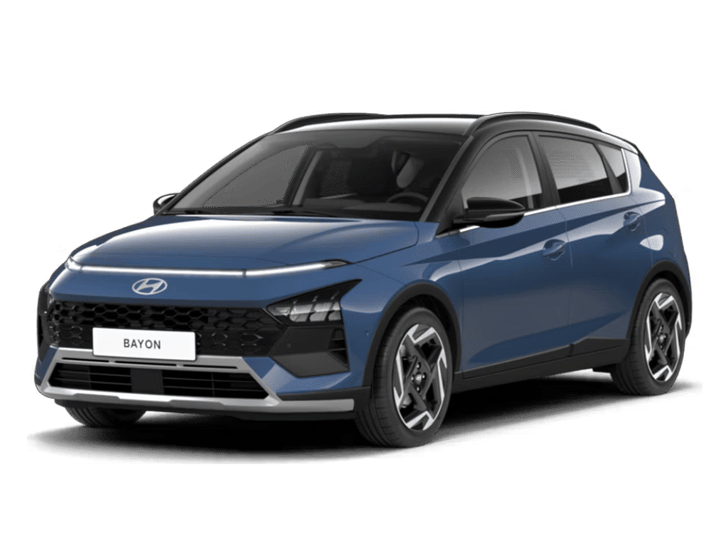
Hyundai
Bayon
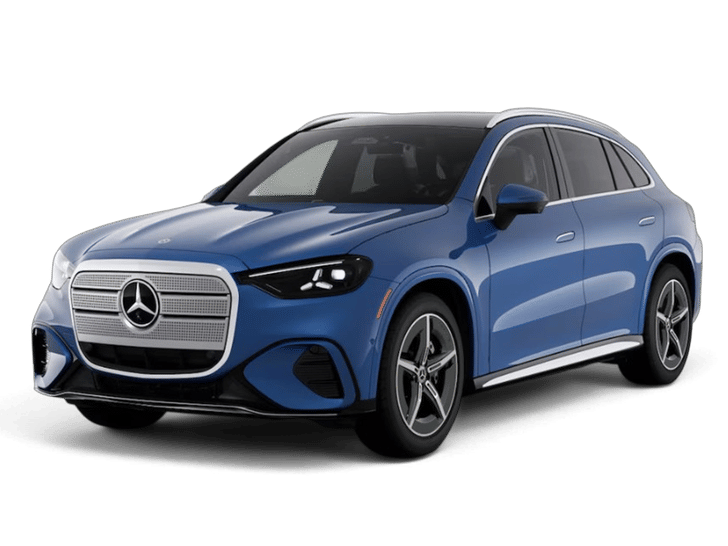
Mercedes-Benz GLC
Electric
Hi Autocar team, I currently own a 2023 Tata Harrier and a 2011 Maruti Suzuki Alto. I use the Alto for my daily commute and the Harrier for long highway trips. I now want to replace the Alto with an EV for everyday use. I like the comfort and pricing of the MG Windsor Essence, but I am confused between the Windsor and the Tata Curvv EV. Which would you recommend?
MG WindsorTata Curvv EV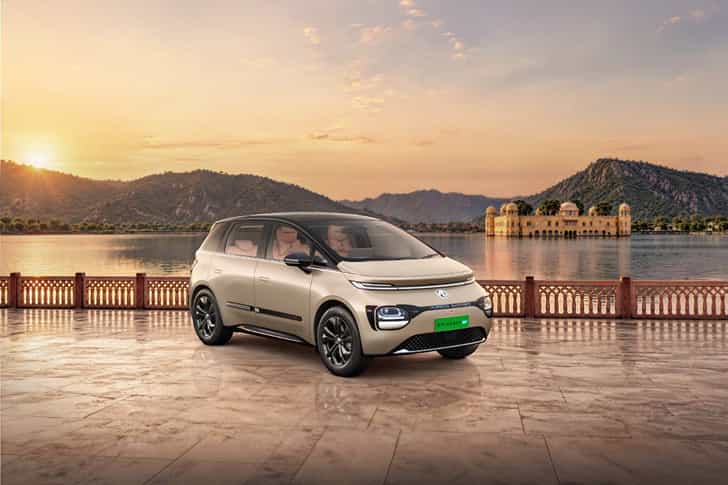
Dear Autocar team, I am planning to buy a petrol automatic SUV priced under Rs 20 lakh. I have been considering the Tata Sierra petrol automatic but am concerned about Tata's after-sales service. My key requirements are comfortable seating for four to five adults, a spacious midsize SUV rather than a compact SUV, strong safety standards and build quality, and modern features such as a 360-degree camera. Which options should I consider?
Tata SierraKia SeltosHyundai CretaI am planning to upgrade from my Hyundai i10. My daily commute involves around 40km of driving in Chennai city, and I cover approximately 600km on the highway once a month. My budget is around Rs 13 lakh, and I want a reliable diesel car with good mileage and low maintenance costs. I prefer something practical without too many unnecessary features. Which options would suit my usage?
Mahindra XUV 3XOHyundai VenueKia SonetI own a 2018 Hyundai Creta 1.6 diesel manual and have been very happy with it. It suits my family of three for city use as well as long road trips, including journeys from Kashmir to Kerala and Jaisalmer. However, I now want to upgrade to something bigger. I don't like the looks of the Toyota Innova HyCross, Mahindra XUV 7XO or Tata Safari. I also have reservations about ladder-frame SUVs I test-drove the Mahindra Scorpio N briefly in traffic and found it moved around more over bad roads than my monocoque Creta. I want something imposing, like the Toyota Fortuner, but am unsure about moving to a ladder-frame SUV. Should I wait for the JSW Combat, which will have monocoque construction, or would that be a risk in terms of reliability? Please advise.
Kia SorentoJSW Motors CombatToyota Fortuner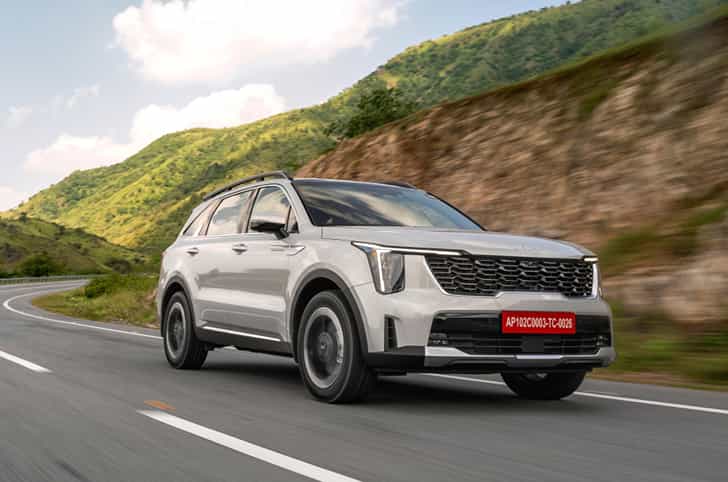
I'm planning to buy a new car with an on-road budget of up to Rs. 30 lakh in India. I want a car that offers excellent comfort, low running costs, and a relaxed driving experience for my daily commute. 1. My Driving Profile -Average monthly driving: 2,500 km -Driving conditions: 60% suburban roads and Highway and 40% city traffic -Long-distance trips: One or two trips per month -Current car: 2017 Maruti Suzuki Baleno, manual transmission 2. Comfort and Ergonomics I'm approximately 6 feet tall and currently experience fatigue and leg pain during my daily commute in my manual Baleno. My top priority is to find a car with: -An automatic transmission for easier driving, especially in traffic. -Excellent front-seat comfort and adequate legroom. -Good driving posture, lumbar support, and adjustable seating. -A comfortable suspension setup for daily commuting and long journeys. -Low cabin noise and minimal driver fatigue. 3. Running Costs and Powertrain -Low running costs and excellent overall energy efficiency are important. -I have charging facilities available at home, so I'm open to considering an electric vehicle (EV). -I'm also willing to consider petrol, diesel, or hybrid vehicles if they offer better overall value. -I want to compare energy or fuel costs, maintenance, insurance, and long-term ownership costs. 4. Family Requirements -The car will primarily be used for my daily commute. My family occasionally travels with me, so rear-seat comfort is also important. -I'm open to both 5-seater and 7-seater options, provided the car meets my comfort and cost requirements. 5. Budget and Ownership -Maximum on-road budget: Rs. 30 lakh -I want a reliable car that offers good value for money over long-term ownership. -I plan to use the car for several years, so durability, battery longevity (for EVs), resale value, and total cost of ownership matter. Please suggest a car.
Hyundai Creta ElectricMaruti Suzuki BalenoKia SeltosHi Autocar Team, I am confused between the Hyundai Venue HX5 Turbo MT and the Mahindra XUV 3XO AX5 TCMPFi. I am getting a good offer on the Venue. We have owned a Hyundai Grand i10 Nios for the last seven years without any issues. I like the XUV 3XO for its engine and the additional features it offers over the Venue. However, I also like the Venue because I am familiar with its driving experience and refinement. I plan to keep the new car for at least seven years, so I am looking for trouble-free ownership and a good service centre experience. My spouse prefers the rear-seat comfort of the 3XO, especially its under-thigh support and legroom, but dislikes its boot space. We also expect our family to grow in the coming years, so practicality is important. In terms of performance, I am not expecting a race car at this budget. I want a car with decent power that does not feel sluggish or make highway overtaking difficult. It should also offer reasonable mileage in city traffic and a comfortable ride for both front and rear passengers on city roads and highways. My usage will be around 60% city driving, along with a long drive of approximately 500 km every month. We have already considered other cars, and these two are our final choices. Could you please compare them in terms of ownership costs, maintenance, performance, comfort and reliability? It would also help if you could highlight any notable issues I might face with either car that could affect the driving experience or passenger comfort.
Mahindra XUV 3XOHyundai VenueI am planning to buy a subcompact SUV with an on-road budget of up to Rs. 15 lakh in the NCR. The options I am considering are the Skoda Kylaq, Mahindra XUV 3XO, Hyundai Venue, Maruti Suzuki Brezza and Toyota Urban Cruiser Taisor. An automatic transmission is a necessity. I prefer a reliable car with good after-sales service, as I want to avoid frequent visits to service centres. Mileage is not a major concern, as my annual running will be less than 5,000 km. I am evaluating these options against the Skoda Kylaq Sportline, as I am concerned about the E20 fuel-related issues reported by other owners. Which car would you recommend for reliable and hassle-free ownership?
Skoda KylaqMahindra XUV 3XOMaruti Suzuki BrezzaToyota Urban Cruiser Taisor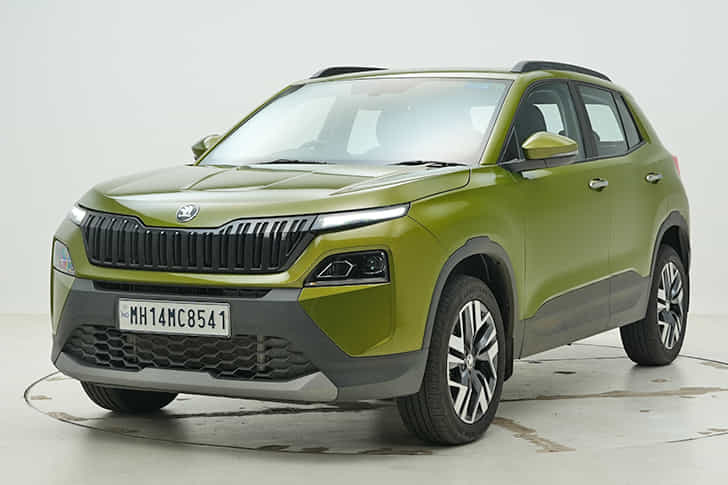
Hi Autocar, My name is Vikky. I'm in Mumbai, and I have driven my Tata Nexon EV XZ+ 30kwh for 4 years & 40k km and have absolutely loved the experience, but the depreciation is super high on the Nexon EV: The invoice price was INR 16 lacs in 2022, and now the dealers are offering me only INR 4 lacs for a trade-in, thus depreciating my car by 75% in 4 years. What would be your advice for other EV owners or me? Why are Tata and Mahindra not offering buyback programs for their EVs like VinFast is doing? If they have so much confidence in their product, they should offer a buyback scheme. Vikky, Mumbai
Tata Nexon EVI am planning to buy a Maruti Suzuki Brezza, and my budget is Rs. 10-12 lakh. I am confused between a turbocharged and a naturally aspirated (NA) engine. I plan to keep the car for 8-10 years. My driving will mainly be in Gurugram, with a trip to Himachal Pradesh once every two months. Kindly suggest the best variant for my needs.
Maruti Suzuki Brezza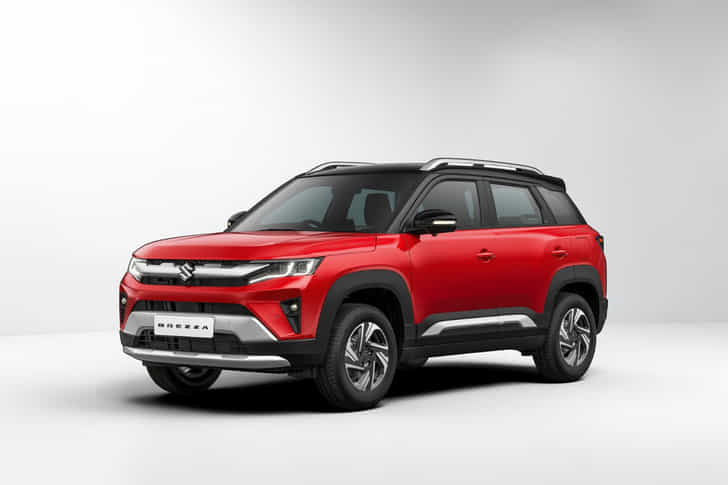
Hi Autocar Team, I own a 2025 Skoda Kodiaq L&T variant. Due to the very bad, dusty and narrow roads in Bangalore, I hesitate to take my Kodiaq out every day. I am thinking of buying a compact car as my second car, preferably one with a powerful engine. Which car would you recommend?
Skoda KylaqMahindra XUV 3XOSkoda KodiaqHi, I'm planning for a reliable car for my family for long term ownership. Mostly, I drive within the city with monthly average of 300-500 km and take 2-3 long trips in a year. I had shortlisted Seltos HTX petrol. However, I'm getting recommendations to go with Harrier base under my budget. Should I opt with Seltos or Harrier?
Kia SeltosTata Harrier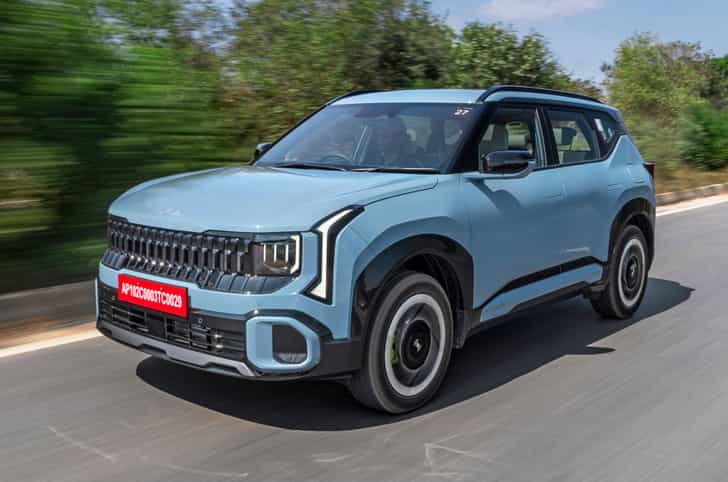
Hi, I want to purchase an automatic car under 12 lakh as my first car. My monthly running will be under 500 km which includes 20% running in the city and 80% running on the highway. My priority will be comfort and durability with less maintenance. I want to keep it for 8-10 years. My height is 5'10" and I am thinking of going for Amaze CVT. Are there any other options under my budget?
Honda AmazeMaruti Suzuki FronxThe new Duster Hybrid looks like a really good deal. I currently own a 5th-gen Honda City and a Renault Pulse Diesel, and I’m considering replacing the Pulse with the new Duster Hybrid. Would you recommend going for the Duster Hybrid, or would I be better off with the Kia Seltos Diesel? Around 80-85% of my driving is in the city, with occasional highway trips and weekend outings. I am a bit worried about the service at Renault because the ones with pulse weren’t so good. Please suggest.
Renault DusterKia SeltosMaruti Suzuki Grand VitaraToyota Urban Cruiser HyryderWhich among plug-in hybrid or hybrid should I buy? What are the benefits of a plug in hybrid over a hybrid and vice versa? Right now, I am thinking of buying a second hand VW Taigun (about 2 years old ) with a 1.5 engine in automatic. Should I go for it? How should one pay for a 2-year old Taigun?
Volkswagen TaigunWe are a family of 4 and our usage is limited to 10-12,000 km annually which involves 60:40 city-highway usage. Our trips always have a couple of more members joining us. I like the XUV 7XO (diesel) automatic but I am not too sure about its longevity since I would like to own this car for 8-10 years. I considered the Alcazar but I felt the 2nd row is slightly narrow compared to the 7XO. Also, as a car that costs as much as the 7XO isn't nearly as powerful either. Are these my only options? I know my usage may not need a diesel but I would like to own one while these are still available, so I don't mind the delta in price. Also, with the E20 petrol, the performance and efficiency of my current S-Cross has seen drastic difference. I would like the car to be engaging to drive and also reliable with a fuss free ownership. Could you guide me on this please? Thank you.
Mahindra XUV 7XOTata Sierra