Autocar India
14h

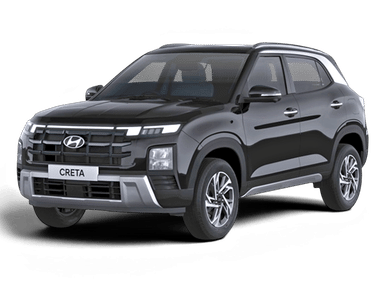
We are first-time car buyers from Warangal, Telangana. Both my parents, who are above 50 years of age, will be driving the car regularly, and nobody in our family has owned a car before. Around 60% of our usage will be on highways. We plan to keep the car for a minimum of 6-8 years. We also expect decent mileage, although we understand that both are turbo-petrol cars, so we are not expecting very high fuel efficiency. Between the Kylaq's torque converter and the Venue's DCT, which one is genuinely easier and less stressful to drive for a 50 years+ first-time driver in daily city traffic? For Kylaq Signature Plus AT owners, how is the automatic transmission performing in real-world city driving? Are there any complaints after a few months of ownership? We do have a Skoda dealership in our city, but we would like to know how smooth the actual service experience has been for owners in similar Tier-2 cities. Given that we previously cancelled our Venue HX8 DCT booking due to concerns about ethanol blending, which was priced at Rs. 16.1 lakh on-road, does going back to the Venue HX6 make practical sense, or are we just going in circles? I'm personally interested in the Kylaq, but the car will mostly be used by my parents. If any issue occurs, I want the service centre to be able to resolve it easily without troubling them too much or having the car remain at the workshop for weeks.

Verified
28s

In your case, the Hyundai Venue HX6 Turbo DCT is the better choice. While the Kylaq is the more enjoyable SUV to drive and its torque converter automatic is smoother than the Venue's DCT in slow moving traffic, your priorities are different. This will be your family's first car, both your parents (50+) will be driving it regularly, and you plan to keep it for 6-8 years. In that context, Hyundai's larger service network, more established ownership experience and easier support in a tier-2 city like Warangal give it the edge.

The Kylaq's 6-speed torque converter is an excellent automatic and is likely to feel more natural than the Venue's DCT in bumper to bumper traffic. However, the Venue's DCT has matured over the years and is perfectly manageable with normal driving. On the highway, both cars perform well, but the Kylaq has the better ride and handling balance, making it the more rewarding car to drive.

As for going back to the Venue after cancelling the HX8, it doesn't mean you're going in circles. The HX6 sits at a much better price point and represents stronger value for money than the HX8 did. Also, concerns around future ethanol blending shouldn't be the deciding factor today. E20 petrol will continue to remain the standard fuel for the foreseeable future, and manufacturers design their latest turbo petrol engines to run on it.
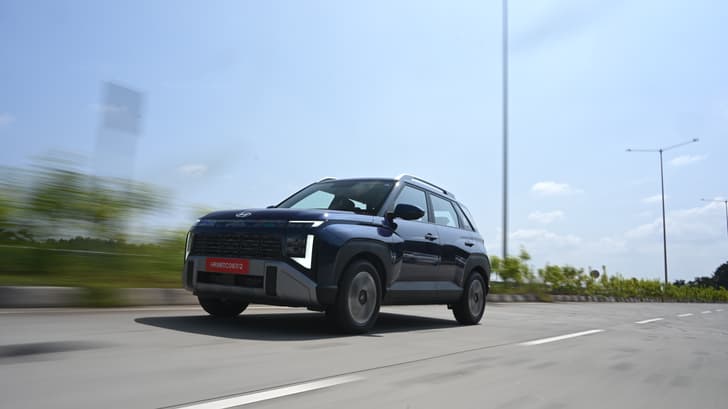
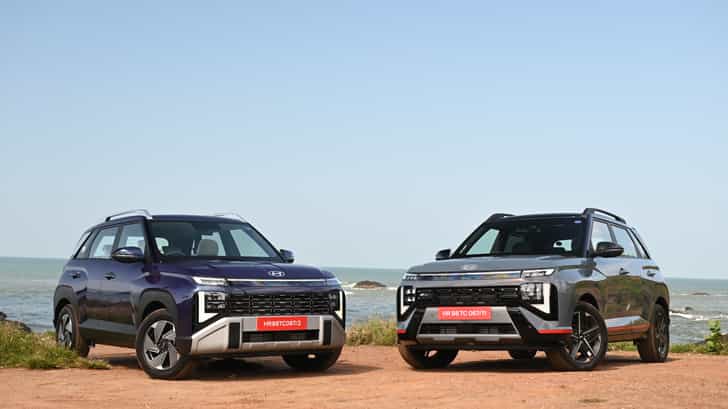
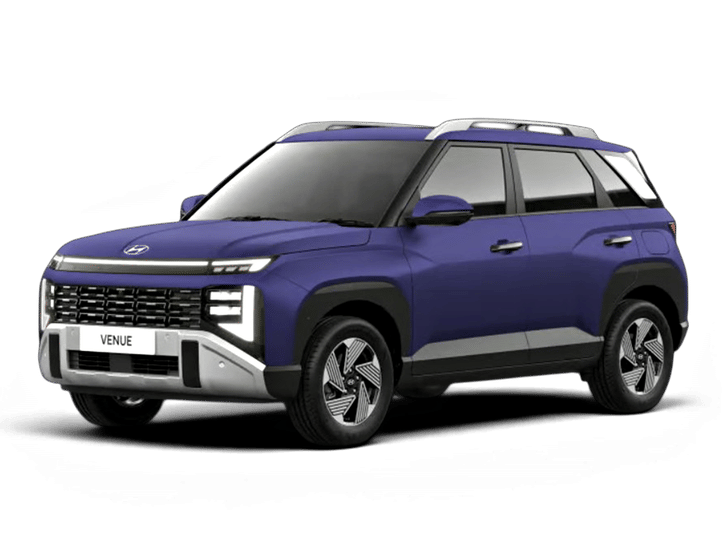
Hyundai Venue

Hyundai Venue

More questions on similar cars

5d

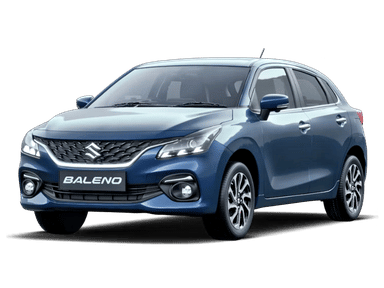
Hello Autocar Team, I obtained my car driving licence over a year ago, but I have almost no real-world driving experience apart from the driving test. Since my father drives a Mahindra XUV300 Manual (he lives in another city), I was initially inclined to buy a Mahindra XUV 3XO AT (AX5/AX5L/REVX A). However, some advice I found online has encouraged me to consider buying a smaller, less powerful used car to drive for a year. After giving it some thought, I completely agree with the idea of starting with a smaller car, especially since I'll mostly be driving alone. After some research, I narrowed my options down to the Hyundai i20 AT (2021-2023 IVT) over the Toyota Glanza and Maruti Suzuki Baleno in Bengaluru. My plan is to use the car mainly for highway trips (I'm planning lots of temple visits across South, East, and West India) while also practising city driving over the next few months. As a motorcyclist, I've been riding a Triumph Scrambler 400 X for the past two years and occasionally go on highway rides. Although I'll be a new car driver, I don't want to feel that the car is underpowered after a short period of ownership. Along with the i20 (and the Glanza/Baleno), I've now also added the Hyundai Venue to my shortlist. P.S. I'm also planning to enrol in a 10-day doorstep driving instruction course. Could you please suggest which car would be the right choice for me? My key requirements are: Automatic transmission, beginner-friendly automatic gearbox, reasonably quiet cabin, good highway stability, and good or decent resale value after 12-15 months

Verified
2d

The Hyundai i20 IVT is an excellent city car; however, its 1.2 petrol engine will not feel effortless for highway drives. The Hyundai Venue is a good alternative, and its turbo-petrol and dual-clutch automatic combination will feel well-suited for highway drives. Also, visibility is very good thanks to its high seating, and with light steering, it feels quite easy to drive.Given that you plan to take the car for highway drives frequently, we'd recommend you also consider the Maruti Suzuki Fronx Turbo AT or Toyota Urban Cruiser Taisor Turbo AT. Both are essentially the same car and are powered by a turbo-petrol engine and a smooth torque converter (automatic). Their turbo-petrol engine delivers strong performance, which will make the drive experience rather enjoyable. Also, these cars are quite stable for highway drives, are feature-rich, yet compact enough for the city. Between the Taisor and Fronx, pick the one you think looks better and the brand you're more comfortable with.

VehicleHyundai i20
VehicleHyundai Venue
VehicleMaruti Suzuki Fronx
VehicleToyota Urban Cruiser Taisor
3d

Hi, I am planning to upgrade from my Volkswagen Polo 1.2 MPI to an automatic car. My monthly running is around 800 km, mostly in the city. My priorities are excellent NVH levels, comfortable ingress and egress for my elderly parents, and a plush ride quality. I am confused between the Hyundai Venue Turbo Automatic and the Skoda Kylaq Automatic. Should I buy one of these now, or would it be better to wait for upcoming models like the Maruti Suzuki Vision S, Hyundai Bayon, Renault Bridger, Kia Clavis, or the new Kia Sonet? Also, is there any other car that would suit my requirements better? I have also heard that DCT gearboxes are not ideal for heavy city traffic. Is that true?

Verified
2d

Go for the Skoda Kylaq automatic. Your priorities are clear: low NVH, easy ingress/egress for elderly parents and good ride quality. The Kylaq delivers on all three. The cabin is well insulated, the ride is comfortable, and the ideal seat height makes getting in and out easy. The 6-speed torque converter automatic is also the right choice for your usage. It is smooth and well suited to city driving, unlike the DCT in the Venue, which can feel hesitant in stop-go traffic. The Venue turbo DCT is a good car, but the Kylaq is the more comfortable and easier-to-live-with option. As for waiting, the Vision S and Bridger are expected later next year; the Bayon will be bigger and more expensive, so none are likely to fundamentally change the equation for your requirements.

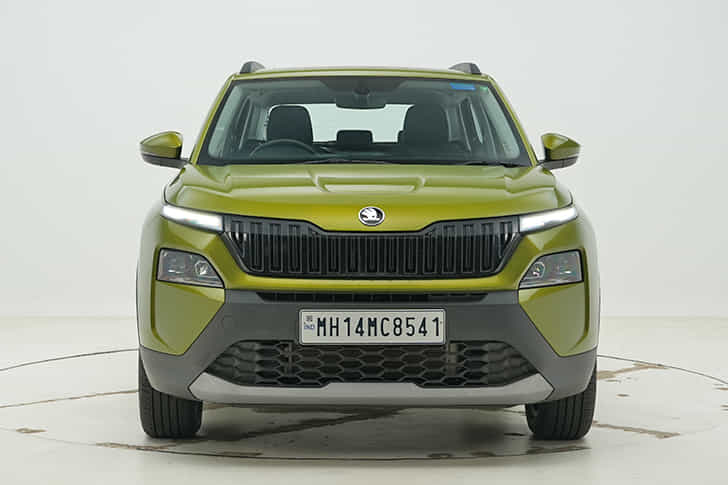
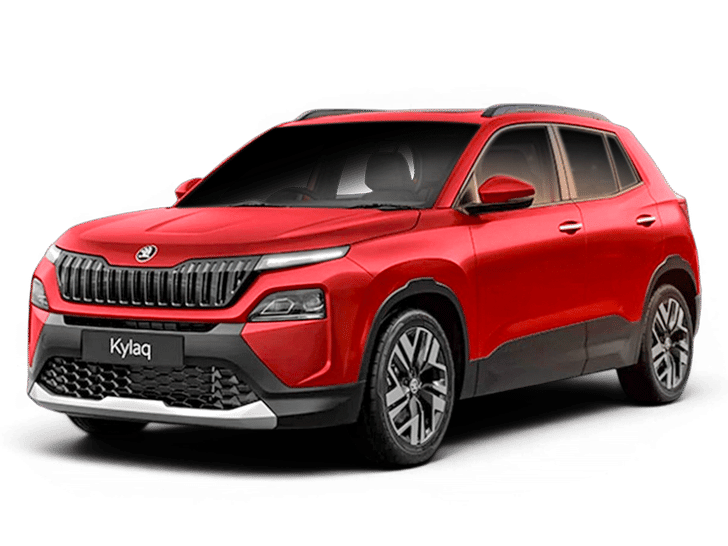
VehicleSkoda Kylaq
VehicleHyundai Venue
VehicleMahindra Vision S
VehicleRenault Bridger
VehicleHyundai Bayon
5d

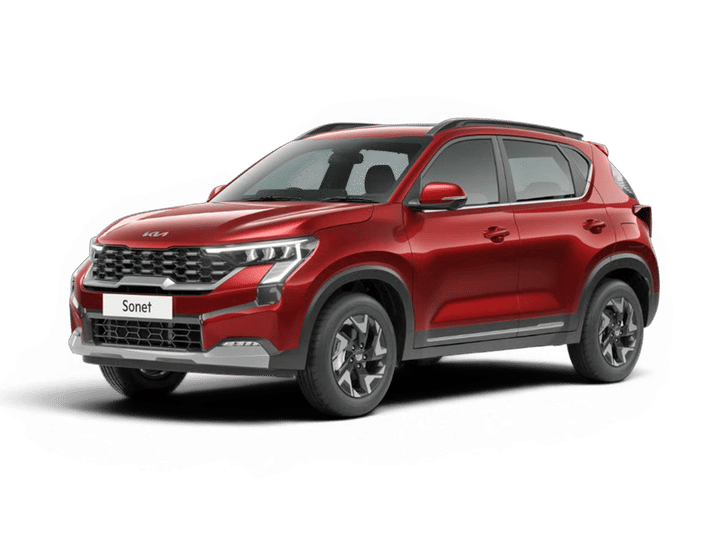
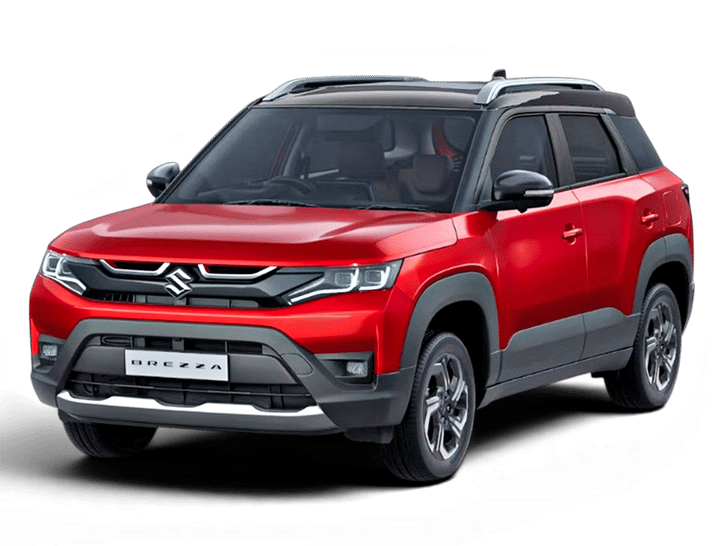
Hi Team, Please help me choose the right car. I am planning to buy a car with a budget of around Rs. 11-12.5 lakh (on-road price in Delhi NCR). I need an automatic car, and my monthly running will be approximately 600 km, mainly in city traffic, especially on the Delhi-Gurgaon peak traffic stretch. I prefer to keep my cars for a longer period and will be upgrading from a Hyundai i20 manual. Based on my requirements, please suggest the best option among the following: Maruti Suzuki Brezza VXi AT - Rs. 11.9 lakh on-road Kia Sonet DCT HTK(O) - Rs. 11.2 lakh Maruti Suzuki Fronx Delta Plus AMT - Rs. 9.6 lakh Skoda Kylaq Signature Automatic - Rs. 11.2 lakh I am unable to decide which one would be the most suitable choice for my needs. Kindly suggest the best option.

Verified
2d

Go for the Skoda Kylaq Signature Automatic. It is the best fit for your usage and available under Rs. 12 lakh, which fits your budget. Your running is low, so petrol is the right choice, and the Kylaq’s 1.0 TSI engine paired with the 6-speed torque converter automatic is a proven and reliable combination that works well in Delhi-Gurgaon traffic. This Skoda car is also one of the most fun-to-drive cars in this price range, with strong performance and good highway manners, which makes it a meaningful upgrade from your Hyundai i20. The Maruti Suzuki Brezza VXI AT is a solid alternative if you want a more relaxed ownership experience and Maruti’s service reach, but the Kylaq is the more engaging car to drive. The Kia Sonet DCT is not the right choice for your usage because the DCT gearbox is not ideal for heavy stop-and-go traffic. The Maruti Suzuki Fronx Delta Plus AMT is the most affordable option, but the AMT gearbox is not as smooth as the Kylaq’s torque converter, and the car itself does not feel like a meaningful upgrade from your i20.The Kylaq strikes the best balance between driving experience, reliability and value for money.

VehicleSkoda Kylaq
VehicleHyundai i20
VehicleMaruti Suzuki Brezza
VehicleKia Sonet
VehicleMaruti Suzuki Fronx

Popular discussions right now

5d

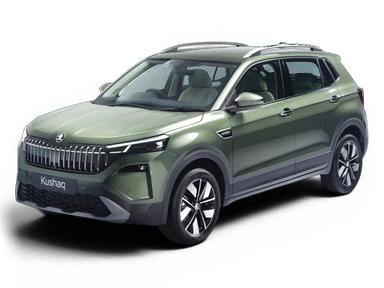
I currently own a Skoda Kushaq Petrol AT. Everything is fine except the mileage. I am getting only around 10-13kpl with E20 petrol. My daily running is around 100 km. Should I buy a diesel car or an electric car?

Verified
5d

With a daily running of around 100 km, fuel efficiency becomes a major factor in ownership costs. The Skoda Kushaq petrol automatic is a good car, but the 10-13kpl you are seeing is typical for a turbo petrol automatic, especially with E20 petrol. At this usage, a diesel or a strong hybrid makes far more sense.If you do regular highway runs, a diesel is still the most practical and cost-effective solution. The Mahindra XUV 7XO diesel automatic would be the recommendation here. It is a strong highway car, comfortable, spacious and the diesel engine will deliver significantly better fuel efficiency than your Kushaq. Diesel running costs will be far lower over your kind of mileage. If that is out of your budget, something smaller like a Kia Seltos diesel, while not as powerful, is even more efficient.If your usage is mostly city a strong hybrid could be a better solution. The Maruti Suzuki Victoris is the most practical and cost-effective option. It is well priced, has a proven track record and will dramatically reduce your running costs. The strong hybrid is better suited to the city, where it is more likely to run on its electric motor than use the engine and deliver the better mileage.

VehicleSkoda Kushaq
VehicleKia Seltos
VehicleMahindra XUV 7XO
VehicleMaruti Suzuki Victoris

Posted on: 3 Aug 2026