
Autocar India
AM

Abdul Moez

6w

I am confused between the Kia Seltos HTK IVT and the Maruti Suzuki Grand Vitara Delta AT. While I am leaning towards the Seltos due to its premium design and feature-rich cabin, I am concerned about service, maintenance costs, and spare parts availability. I am from Kannur, Kerala, and there is only one service centre nearby.

Autocar India team

Autocar India

Verified
6w

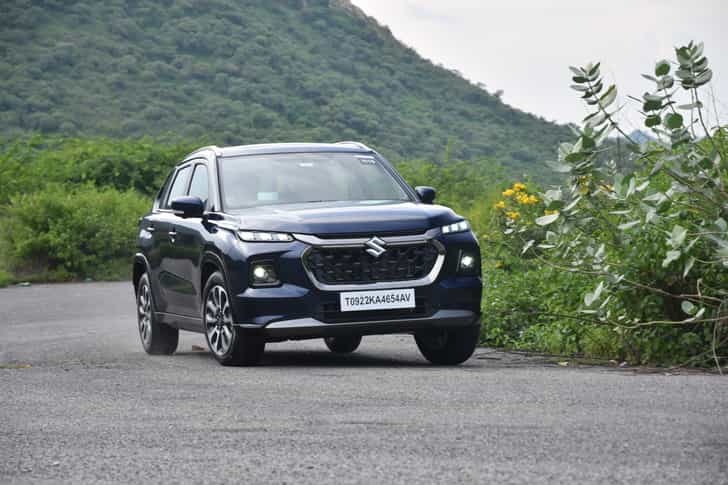
The Maruti Suzuki Grand Vitara is the more sensible choice for your situation because it gives you better peace of mind on service, lower maintenance costs and a wider, more accessible service network. It becomes important in a place like Kannur with limited support. 

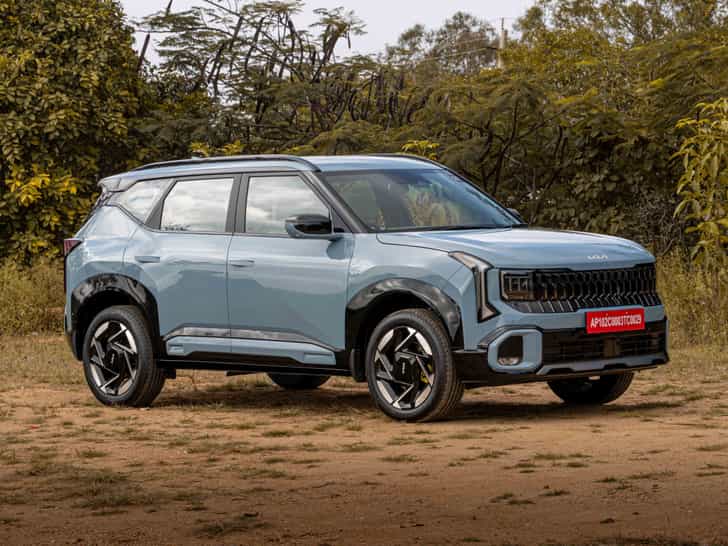
The Kia Seltos, in comparison, is a more premium and better-looking car with a nicer interior and smoother petrol engine, and it is also a well-proven product, so you are unlikely to face issues with the IVT transmission in regular use. 

The only drawback with the Grand Vitara is that it feels less rich and not as feature-loaded as the Seltos, but overall, it is the easier, more stress-free ownership choice, making it the one to go for.
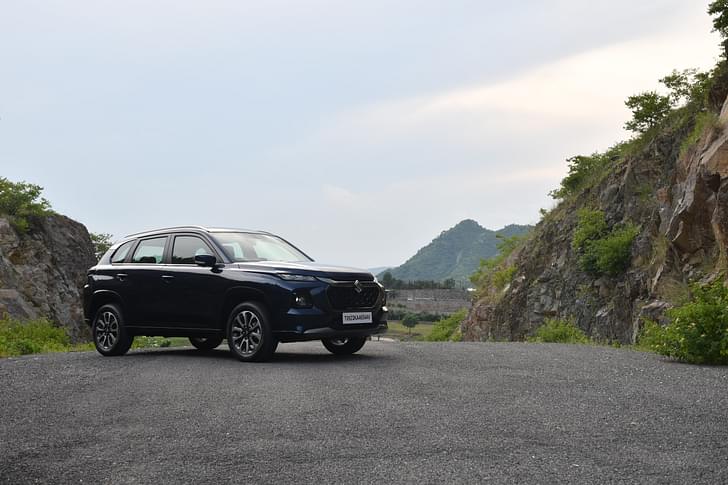
Maruti Suzuki Grand Vitara

Maruti Suzuki Grand Vitara

More questions on similar cars

RA

Rakesh

2d

Hi, I own a Hyundai Venue SX Diesel, and for the past three months, I have been facing recurring DPF issues. Whenever I drive around 20-30 km within the city, the DPF warning light comes on. Due to this issue, I had to cancel two to three planned trips, and am becoming frustrated with the frequent DPF-related problems. I am now considering selling my 3.5-year-old Venue SX Diesel and purchasing a naturally aspirated petrol vehicle, such as the Venue 1.2, Creta 1.5, or Seltos 1.5. My driving pattern is approximately 70% highway and 30% city driving. Would it be a good decision to sell the diesel vehicle and switch to a naturally aspirated petrol model?

Autocar India team

Autocar India

Verified
21h

With around 70 percent highway driving, a diesel SUV is still very well suited to your requirements. In fact, your usage should normally be sufficient to keep the DPF healthy, provided the vehicle is regularly driven at sustained speeds. The fact that the DPF warning light is appearing after relatively short city runs suggests there could be an underlying issue that needs investigation rather than this being purely a usage-related problem.Before taking the significant financial hit of selling a 3.5-year-old vehicle, it would be worth getting the car thoroughly inspected by Hyundai and escalating the matter if necessary. A healthy diesel vehicle should not be causing repeated DPF concerns with your mix of highway and city driving.As for the alternatives, the naturally aspirated 1.5-litre petrol engines in the Creta and Seltos are smooth, refined and hassle-free, but they will feel less effortless on the highway and will not match the diesel's fuel efficiency. The Venue 1.2 petrol would be an even bigger step down in performance.

VehicleHyundai Creta
VehicleKia Seltos
VehicleHyundai Venue

Popular discussions right now

VV

Vaibhav Vats

6d

I own a Hyundai Venue Turbo Petrol, which is driven around 4,000 km per year and is occasionally used by my parents. I have been considering to upgrade it, as I am tired of spending money on maintenance. The car has been problematic since its second year of ownership. I am currently considering the Kia Syros HTK (EX) manual and HTK+ (DCT). However, some automobile enthusiasts have advised me against buying a DCT if I am looking for a hassle-free ownership experience, especially since the car will mostly be driven in Delhi’s office-hour traffic and the overall running is quite low. Could you please suggest whether I should opt for the DCT, stick with a manual, or consider a diesel automatic instead? Alternatively, if there are better options within a budget of Rs. 15 lakh, I would be open to considering them. I can also wait if there are any promising new launches expected this year within my budget. I am not interested in an EV at the moment. Thanks in advance.

Autocar India team

Autocar India

Verified
5d

Given your low annual running and predominantly city use in Delhi, a diesel does not make sense. Modern diesels are happiest when regularly driven on longer runs, and with just 4,000km a year, the higher purchase cost and potential emission system issues are difficult to justify.As for DCTs, they have become far more reliable than early examples, but if the priority is a smooth, stress-free ownership experience in heavy urban traffic, a torque-converter automatic is still the safer bet. It is generally smoother at low speeds and better suited to constant stop-start driving.Rather than moving to a Syros DCT, it would be worth considering the Skoda Kylaq automatic or the Mahindra XUV 3XO automatic. Both use torque-converter gearboxes and offer a more relaxed driving experience in city conditions. The Kylaq feels particularly polished to drive, while the 3XO counters with a richer feature list and a more spacious cabin.If you like the Syros, the manual remains a sensible choice given your limited annual usage, but if an automatic is preferred, a torque-converter-equipped rival would be a better fit than a DCT.

VehicleKia Syros
VehicleSkoda Kylaq
VehicleMahindra XUV 3XO

Posted on: 3 May 2026