
Every helpful action can earn a badge.
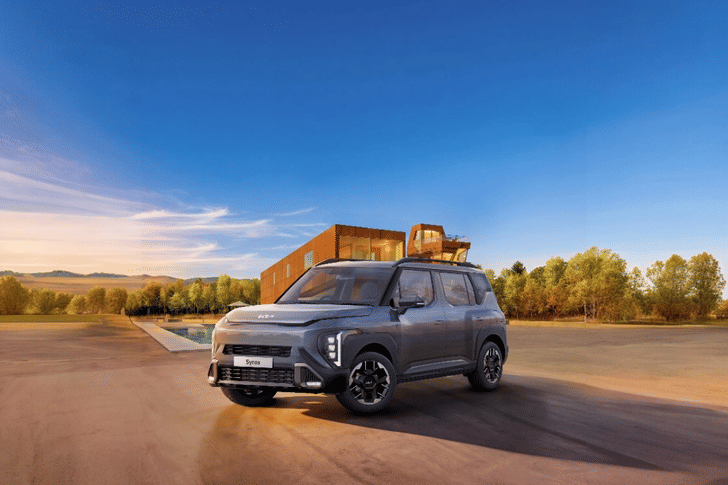
I am currently using a 2016 Ford Aspire Petrol. My budget is up to Rs. 20 lakh, and my annual running is around 7,000 km, mostly in the city. I am extremely confused about whether I should buy a petrol car in 2026, considering the ongoing ethanol-blending developments, or switch to an EV. EVs seem very attractive, but I am unsure about long-term maintenance concerns since the technology is still relatively new, and my usage is quite low. The one factor that works strongly in favour of an EV is that I have a solar power plant at home, so charging would not be an issue and would effectively be free. On the other hand, buying a petrol car would involve a much lower upfront investment. I have received an offer for a 2025 Kia Syros top-end variant at an on-road price of Rs. 14.5 lakh, with features such as ventilated front and rear seats, ADAS, a 360-degree camera, and Harman Kardon speakers. However, I am concerned about owning a petrol car over the next 10-12 years. Please guide me on what would be the better choice.

With your low usage, most of which is in the city, an EV actually makes a lot of sense. With solar panels installed, your daily running costs will literally be zero, and we assume you'll be able to set up a home charger that makes use of this. With fuel prices the way they are at the moment, this will go a long way in offsetting the added upfront cost of an EV. Plus, there are the inherent benefits of an EV like refinement, smoothness and instantaneous response, which is great for traffic. While there are downsides to EVs, hidden maintenance problems aren't one of them. In fact, maintenance is much lower compared to an ICE vehicle, as there are fewer components to repair or replace, and the same goes for fluids and consumables. Things you will need to note: Range will always be on your mind and longer journeys will need planning, should you take them in your EV. In the long run, as the battery deteriorates, you may notice minor losses in power and range; and finally, when the battery reaches the end of its life, which is usually expected to be at least 10 years, the replacement cost is very high, and thus resale value of EVs tends to be quite low.
Yes, there's uncertainty about petrol blending at the moment, but at the current standard of E20, all new cars are compatible and safe. The Kia Syros is an excellent car with loads of space and features, and good engines. So if you're getting a good deal and are happy with the car, consider going for it. An EV for the same money will not get you the same amount of space or features.
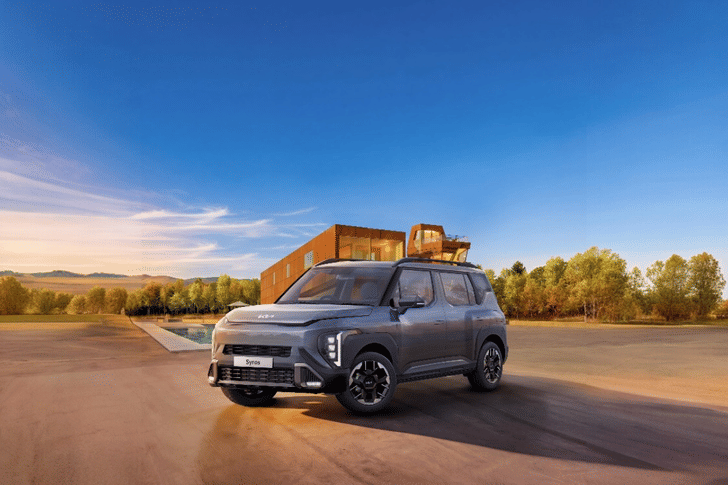
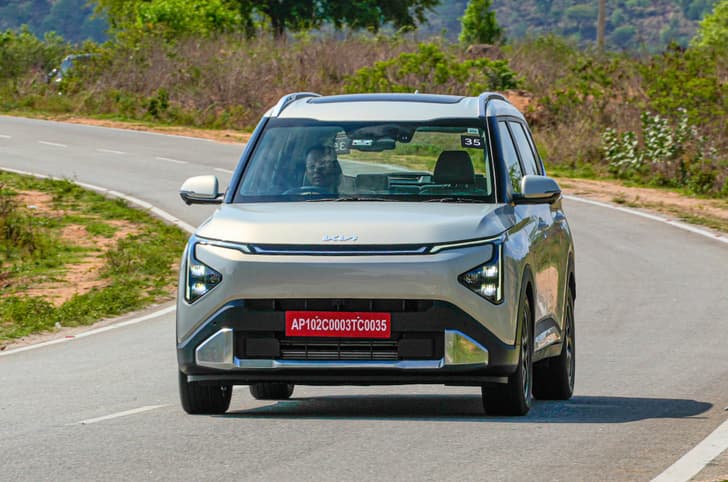
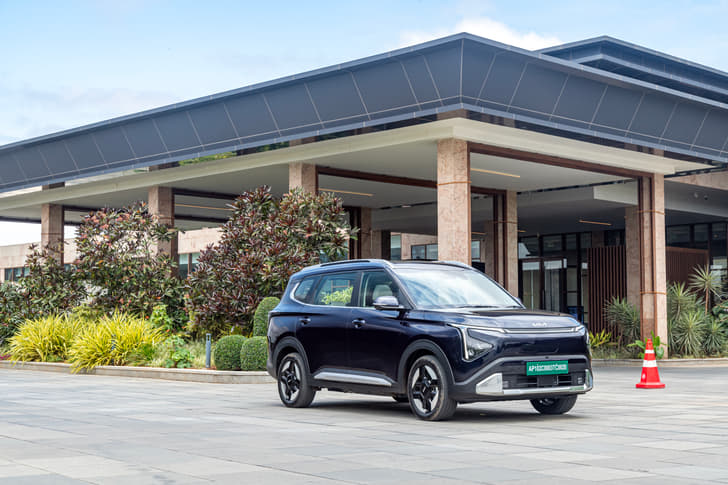
Kia Syros
Explore cars mentioned
Thank you for your detailed response. Actually I very much concerned about the future availability of the E20 Blend. I am unsure if the government would be conitnuing the supply of this blend over the next 10-12 years. And if they decide after say 5 years to start E27 or E30, how much effect the engine of this car be affected? Should I continue with this purchase? Seeing the monthly Petrol cars sales YOY increments, it does not seem like an issue at all.
More posts on similar cars

Has E20 fuel affected your mileage?

Is ADAS worth paying extra for in a car?
Popular discussions right now
Upcoming launch buzz
Community discussions on upcoming launches


Want to sell your car?
Sell your car at the right price, without the stress.
Curated collections


Add a photo of your Syros
First sightings, real road conditions, delivery buzz

Posted on: 9 Jun 2026