Autocar India
TV

Taher Vohra

11w

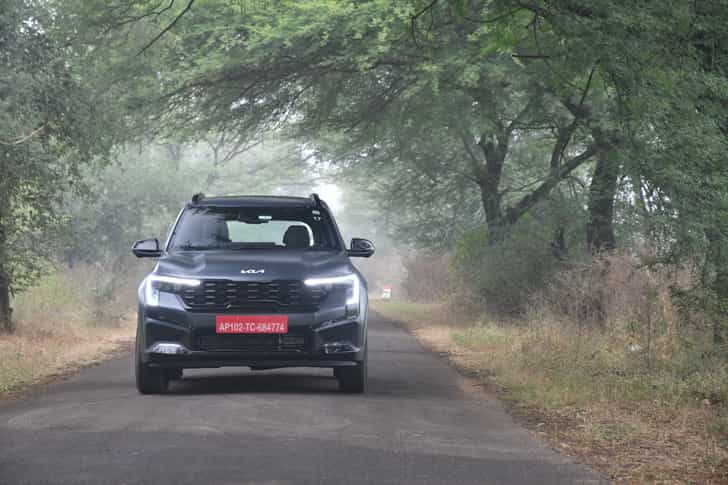
Hi everyone, I am buying a car for the first time and am looking for some guidance. After some research and test drives, I have finalised the Kia Sonet HTX DCT, which costs around 714 lakh on-road. The main reason for choosing this variant is that I want a proper automatic driving experience along with premium features, decent space, reasonable mileage, and acceptable safety. I work from home, so my usage will mostly be limited to weekends. I live in a Tier 2 city (Nashik) where I don't face prolonged bumper-to-bumper traffic. The car will mainly be used for city driving on weekends, occasional short trips, and a few long highway drives with family and luggage. In the past, I have driven the Maruti Swift ZXI and Tata Nexon, both manuals, so this will be my first automatic car. My biggest concern at this point is the long-term reliability of the Kia/Hyundai DCT dry-clutch gearbox. I am getting a 6-year warranty (standard + extended), which also covers the gearbox. However, after the warranty period, any major issue with the DCT could be very expensive to fix. Although my running is expected to be low and I don't think I will even cross 50K km in five years, this concern still keeps bothering me. Before finalising the Sonet, I had initially planned to go for a TC, and test drove the XUV 3XO and the Maruti Fronx. While both cars were decent, they didn't tick all the boxes for me, which is why I dropped them. I am also avoiding the Skoda Kylaq mainly because of concerns around after-sales service costs once the warranty period is over. I didn't want to go with an AMT or CVT either, and I am specifically looking within the sub-4m SUV segment. Given my usage pattern, city conditions, and low annual running, do you think opting for the Kia Sonet DCT makes sense in the long run? How concerned should I realistically be about the reliability of the DCT gearbox in my case? Looking forward to your suggestions and experiences.

Autocar India team

Autocar India

Verified
6w

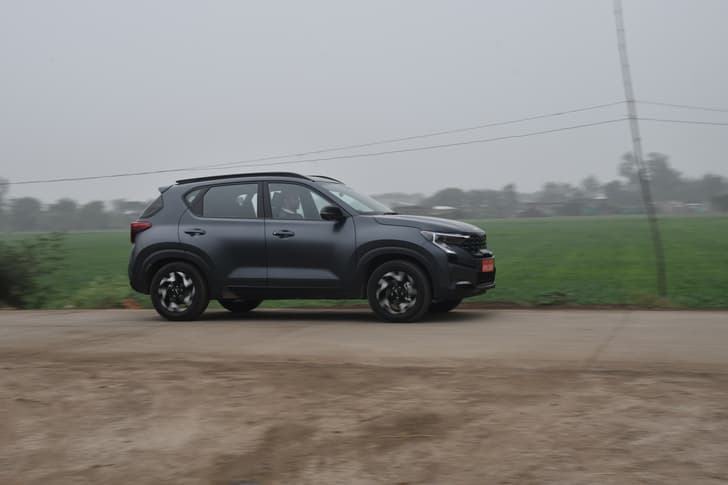
Given that your usage isn't too heavy, you should go for the Kia Sonet HTX 1.0 TGDi DCT without a worry. A concern could arise when used frequently in bumper-to-bumper stop-and-go traffic, and that too if not driven with care. However, since you drive mostly on the weekend and through flowing traffic, we think it should be fine. 

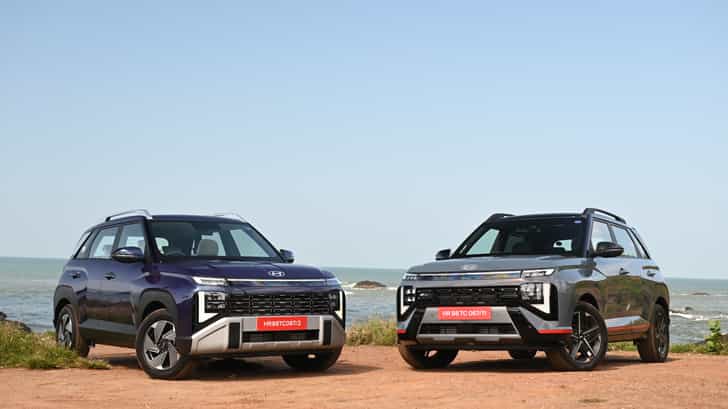
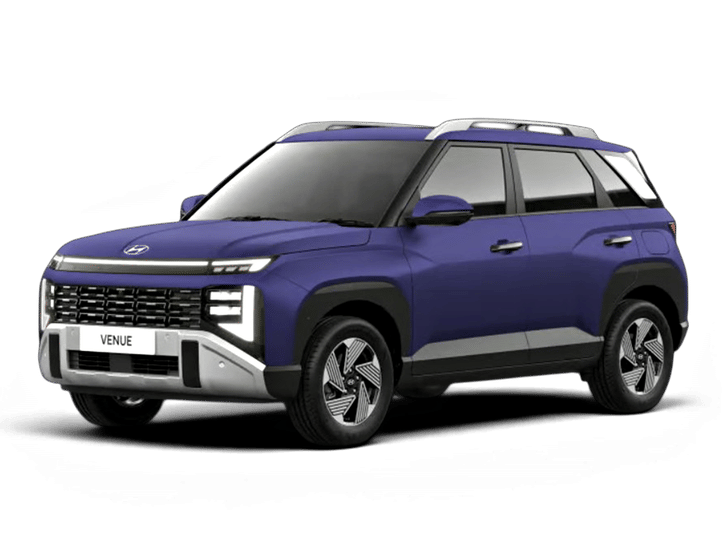
The trade-off is quicker shifts when you're on the move, and this pairs well with the Sonet's sprightly 120hp turbo petrol engine. The compact SUV itself is well equipped and has premium interiors, but it does have a choppy ride, and its rear seat isn't particularly spacious. If those are concerns for you, also check out the Hyundai Venue HX6 1.0 TGDi DCT, which costs about the same. It uses the same powertrain, but as it's based on a new-gen platform, it has a more spacious cabin and a more comfortable ride. 

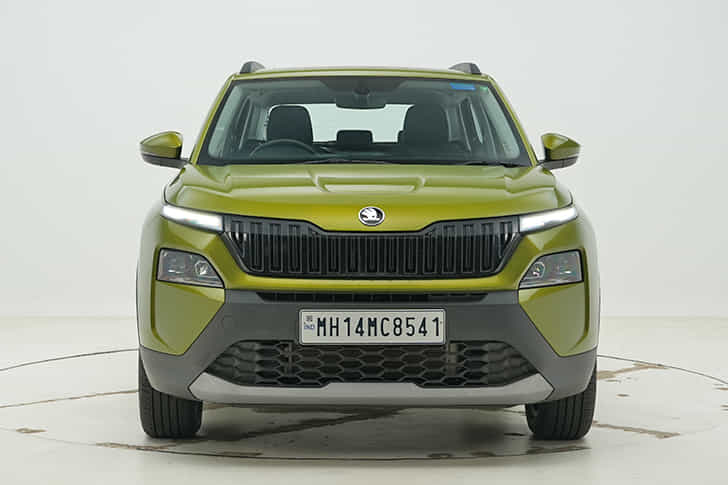
Additionally, the Skoda Kylaq with its punchy 1.0 TSI engine and smooth 6-speed AT gearbox is a great bet. The after-sales is far less of a concern these days than the brand's old reputation leads most to believe.
Kia Sonet

Kia Sonet

More questions on similar cars

RS

Ramprakash Singh Gurjar

1d

I'm currently own a Grand i10 NIOS, my average running is approximately 1600 km per month. Planning to buy an automatic compact SUV with a restricted budget, but require a reliable and safe car for highway tours. Confused between Kylaq Classic AT, Sonet HTK Plus diesel AT and Venue HX5 diesel AT. Please suggest for a long-term use (around 19 years).

Autocar India team

Autocar India

Verified
22h

With 1,600km a month running, a diesel automatic will be an economical option, so we'd suggest you rule out the Kylaq, which is only available with a turbo-petrol engine. The Kia Sonet HTK Plus and Hyundai Venue HX5 share their 1.5 diesel engine and 6-speed automatic gearbox, and both are equally smooth, refined and efficient. Also, both feel quite similar to drive too, although the Venue's steering feels noticeably lighter. The Hyundai is the newer car here, while the Kia Sonet is due for a generation change in 2027.However, if you like the Sonet for what it offers, go ahead with it, as you're going to hold on to the car for a long period of time, so resale value should not matter.Do note that a lifetime tax is collected on all cars for 15 years (except in Delhi NCR, which has different rules), after which you will have to subject your vehicle to fitness tests to ensure it is roadworthy, and pay the relevant taxes for a few years at a time, as per your RTO, to continue driving your car.

VehicleHyundai Venue
VehicleKia Sonet
VehicleSkoda Kylaq
SA

Saurabh

1d

Hi Autocar, I am 29 years old, married, and currently working from home. My regular travel mainly includes weekly trips to town of around 50–60 km, along with occasional long drives twice a month of over 100 km. My total monthly driving averages around 500 km. I currently own a 2013 Maruti Suzuki Dzire and am now looking to upgrade to a more suitable family car for both my family and parents. I specifically want a diesel vehicle, as I prefer diesel engines and am also slightly concerned about increasing ethanol blending in petrol. The cars I am currently considering are: Kia Sonet HTX Diesel Automatic Tata Nexon Creative Plus Diesel AMT Hyundai Alcazar Executive Diesel Manual My budget is around ₹15 lakh, with slight flexibility if required. The basic features I am looking for are: Height-adjustable driver’s seat Cruise control Alloy wheels Reverse parking camera Good seating comfort Optional but desirable features include: Ventilated seats Paddle shifters Rear window sunshades Basic sunroof Could you please suggest which option would best suit my requirements and usage pattern?

Autocar India team

Autocar India

Verified
1d

The Kia Sonet HTX diesel automatic is the smoothest and most refined option from the cars listed. With a Rs 15 lakh budget, it packs all the features that you want, both basic and good-to-have ones. Its backseat isn't as spacious as the Tata Nexon, but unless you have six-footers regularly travelling at the back, the Sonet should be fine.The entry-level Hyundai Alcazar belongs to a higher segment, and not only is it the most spacious, but it also gets you the flexibility of a third row. However, it will not fall within your Rs 15 lakh budget, and even after extending your budget by a few lakhs, you'll only be able to get a manual - the diesel-automatic is much more expensive.You could also consider the Kia Syros, which is compact yet more comfortable and more spacious than the Sonet.

VehicleKia Sonet
VehicleHyundai Alcazar
VehicleKia Syros
MA

Maheswar

1d

Hi Team, Posting this again in case my earlier query did not reach you. I am currently considering the Hyundai Venue HX5 Diesel and the Kia Sonet HTK Plus Diesel. I am confused between the Venue’s modern interior design and the Sonet’s higher feature count, despite its slightly dated cabin layout. My priorities, in order, are: Ride quality Comfort Convenience and features I also noticed that you often recommend the Mahindra XUV 3XO. Is that also a strong option worth considering in this segment? My only concern with the XUV 3XO diesel is its real-world mileage. My budget is around ₹12-13 lakh on-road with BH registration. I specifically want the power and torque of a diesel engine, but my usage would actually be quite limited—mostly weekend driving and occasional long trips. My yearly running would average only around 6,000 km. Given such low usage, would owning a diesel car create any long-term issues or reliability concerns? Looking forward to your advice.

Autocar India team

Autocar India

Verified
1d

Since you are prioritising ride quality and comfort, the Mahindra XUV 3XO AX5 diesel will be a better bet. The 3XO’s suspension is the most forgiving and most absorbent here, and highway stability is a bit better than the Kia Sonet and Hyundai Venue. The cabin is wider, so three can sit at the back more comfortably than in the Kia and Hyundai, and its strong diesel makes it an able highway cruiser.The cabin doesn't feel as well-appointed as the Venue or Sonet, the user interface isn't as slick, and its clutch gearbox doesn't feel as effort-free as the others. Also, being a heavy car, its efficiency isn't likely to be as good as the Sonet or Venue; however, with 6,000 km a year, the fuel spend gap to the others will be small.Your low running is fine for a diesel since you do long drives. Just take it for a 20-30 minute highway spin every few weeks and service yearly.Alternatively, you could consider the turbo-petrol version, which has diesel-like torque. Fuel efficiency will be a bit lower; however, the turbo-petrol will be more affordable to buy in the first place, and maintenance will also be a bit cheaper.

VehicleMahindra XUV 3XO
VehicleKia Sonet
VehicleHyundai Venue

Popular discussions right now

SA

Sam

1w

Should I wait for the Honda Elevate 2026 facelift? I have shortlisted the Elevate based on reliability (“no issues” ownership for 10+ years), brand trust, good drivability, comfort, and spaciousness. Or should I consider other options currently available in the market?

Autocar India team

Autocar India

Verified
5d

You’re after a no-drama, long-term family car that is easy to drive, comfortable and roomy. For that brief, the Honda Elevate VX CVT is a good fit. The VX CVT is the sweet spot because the automatic keeps the engine smooth in traffic, and the VX trim gets the useful features without pushing the price too high.Why it fits your list: Honda’s simple 1.5 petrol has a long, clean track record, so it suits your “no issues for 10+ years” aim. The driving position is high, the steering is light, and the CVT makes stop-go city work very easy. Space is good for four adults, the seats are supportive, and the suspension deals with broken roads well, so daily comfort is strong.Trade-offs to note: it is not the quickest for fast highway passes, and rivals offer more flashy features. If you expect a lot of high-speed use with a full load, you may want more punch.Regarding waiting for a facelift, while it may launch this year, there is no confirmed date or list of changes. An update usually brings small styling tweaks and a few extra features, and prices can go up too. The basics you care about are space, ease of driving, Honda’s engine and service and these are unlikely to change much.If you do want to look around, pick the Kia Seltos IVT for more features and a more modern cabin. Overall, for your needs, the Elevate VX CVT lines up best right now.

VehicleHonda Elevate
VehicleKia Seltos
RA

ram

1w

Hi, I am a bit confused about whether I should wait for the Maruti Brezza facelift or go ahead and buy the Kia Seltos HTE(O) or the Hyundai Creta E Summer Edition.

Autocar India team

Autocar India

Verified
6d

Going by your shortlist, you want a bigger family car on a tight budget and are looking at base trims. If you need the car in the next couple of months for mostly city use with some weekend trips, pick the Kia Seltos HTE (O) IVT. It is well equipped and, compared to the Maruti Suzuki Brezza, gives you more back-seat space and boot room.The Brezza update will be relatively minor, though we expect the 1.5 NA engine to make way for the 1.0 turbo-petrol from the Fronx. Waiting for it only makes sense if you mainly drive in tight city areas and want an easier-to-park car.Overall, for a near-term purchase and everyday comfort, the Seltos lines up best with what you’re considering.

VehicleKia Seltos
VehicleMaruti Suzuki Brezza
VehicleMaruti Suzuki Fronx
SE

Sekhar

1w

My primary usage is on highways, and I need the maximum possible range along with a good highway driving experience. I am confused between the Tata Harrier EV 75 kWh Fearless (RWD) and the Mahindra 9S 79 kWh. Which one offers a better highway range?

Autocar India team

Autocar India

Verified
6d

You need a car for pure highway use and want the longest stretch between stops; in that case, we would lean towards the Mahindra XEV 9S 79kWh for its better real-world highway range. In our real-world testing, we managed 477 km on the highway, which suits your “pure highway” pattern. We have also tested the AWD Harrier EV, which managed 401 km (combined). While the RWD version should better that, it will likely still fall short of the XEV 9S’s range.One thing to note: the Mahindra’s ride can feel a bit floaty on undulating highway surfaces, so try it out before you commit. If that is an issue, the XEV 9e has a more settled ride.Overall, for highway-first use and maximum range, the XEV 9S 79kWh is the safer bet.

VehicleMahindra XEV 9S
VehicleTata Harrier EV

Posted on: 29 Mar 2026