Autocar India
6w

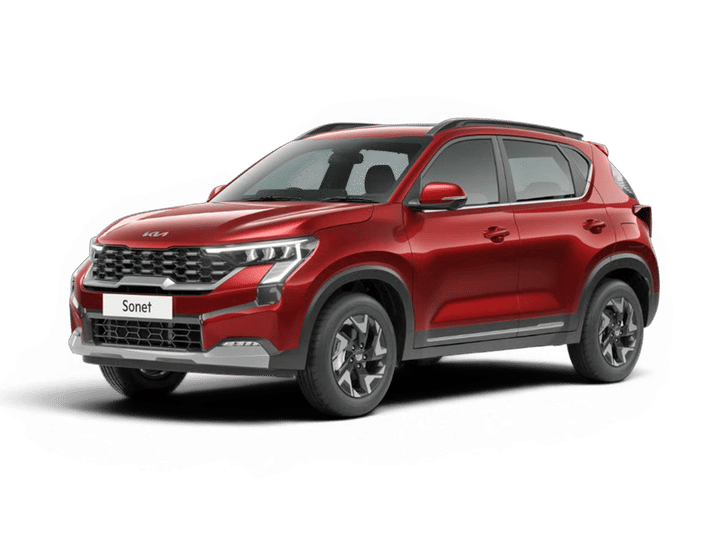
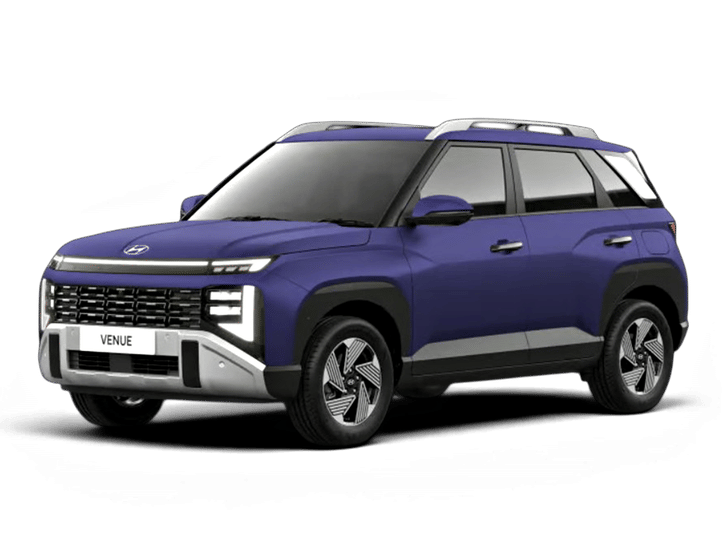
Hi Team, Posting this again in case my earlier query did not reach you. I am currently considering the Hyundai Venue HX5 Diesel and the Kia Sonet HTK Plus Diesel. I am confused between the Venue’s modern interior design and the Sonet’s higher feature count, despite its slightly dated cabin layout. My priorities, in order, are: Ride quality Comfort Convenience and features I also noticed that you often recommend the Mahindra XUV 3XO. Is that also a strong option worth considering in this segment? My only concern with the XUV 3XO diesel is its real-world mileage. My budget is around ₹12-13 lakh on-road with BH registration. I specifically want the power and torque of a diesel engine, but my usage would actually be quite limited—mostly weekend driving and occasional long trips. My yearly running would average only around 6,000 km. Given such low usage, would owning a diesel car create any long-term issues or reliability concerns? Looking forward to your advice.

Verified
6w

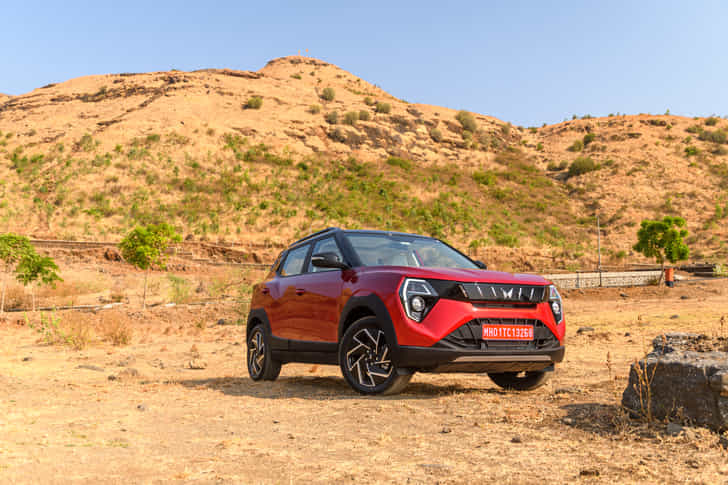
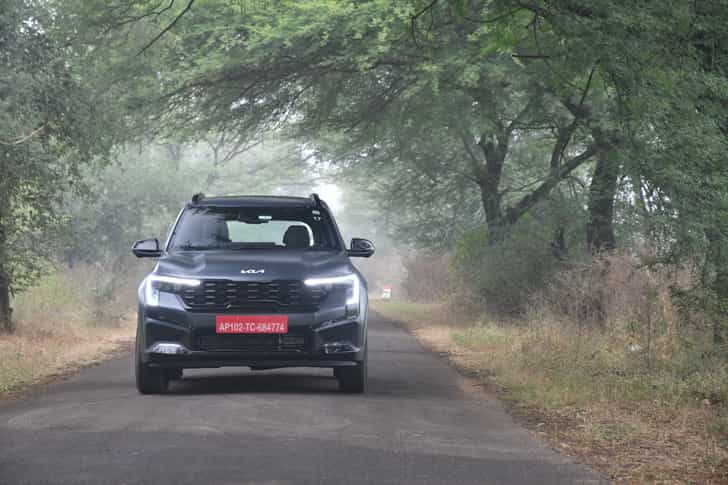
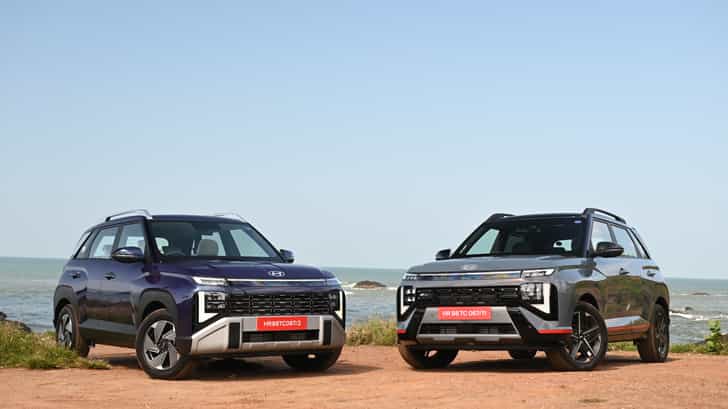
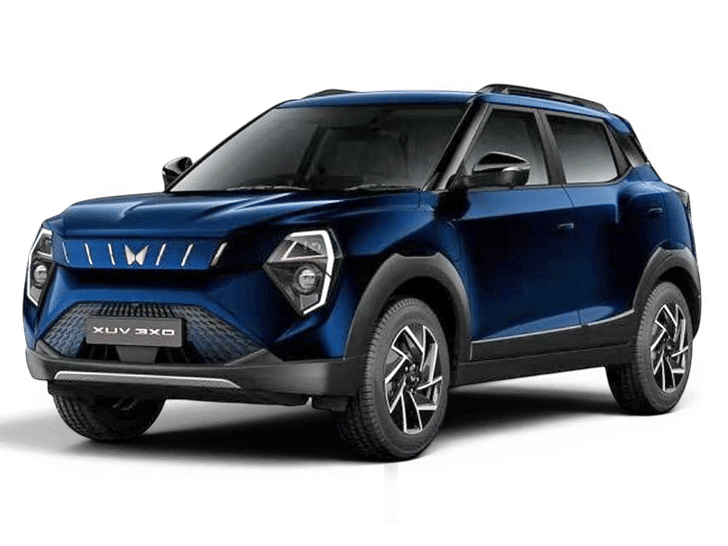
Since you are prioritising ride quality and comfort, the Mahindra XUV 3XO AX5 diesel will be a better bet. The 3XO’s suspension is the most forgiving and most absorbent here, and highway stability is a bit better than the Kia Sonet and Hyundai Venue. The cabin is wider, so three can sit at the back more comfortably than in the Kia and Hyundai, and its strong diesel makes it an able highway cruiser.

The cabin doesn't feel as well-appointed as the Venue or Sonet, the user interface isn't as slick, and its clutch gearbox doesn't feel as effort-free as the others. Also, being a heavy car, its efficiency isn't likely to be as good as the Sonet or Venue; however, with 6,000 km a year, the fuel spend gap to the others will be small.

Your low running is fine for a diesel since you do long drives. Just take it for a 20-30 minute highway spin every few weeks and service yearly.

Alternatively, you could consider the turbo-petrol version, which has diesel-like torque. Fuel efficiency will be a bit lower; however, the turbo-petrol will be more affordable to buy in the first place, and maintenance will also be a bit cheaper.
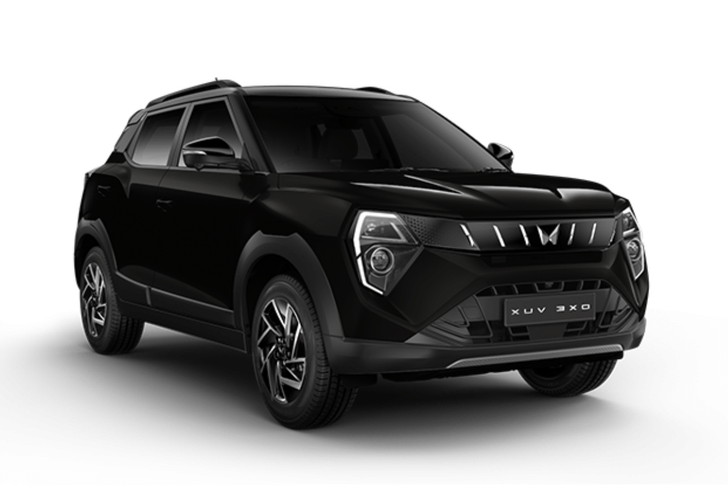
Mahindra XUV 3XO

Mahindra XUV 3XO

More questions on similar cars

3d

Hi, I am a resident of Bangalore and drive mainly in the city, with occasional highway drives. I am planning to buy a car that can handle both. Right now, my choices are the Honda Amaze IVT automatic and the Maruti Fronx CVT automatic. Please recommend the better of the two cars. Factors to be considered are mileage, service cost, spare part cost, driving comfort, and, of course, reliability. Also, please let me know if the Mahindra XUV 3XO torque converter automatic is a better choice compared to these two. I am looking for value for money, good mileage, longevity, and good performance.

Verified
2d

A correction, first. The Maruti Suzuki Fronx does not come with a CVT. The base 1.2-litre petrol engine is offered with an AMT, while the 1.0-litre turbo-petrol gets a torque-converter auto combination. Both versions are fuel-efficient for their respective engine type. However, given your priorities, the Fronx AMT makes more sense. It isn't the slickest gearbox, but it is smooth enough for everyday city driving. What really strengthens the Fronx AMT's case is its fuel economy, which is comparable to that of a manual car. You will not have any issues with spare parts or service costs. The Fronx Turbo AT offers a smoother, punchier experience, but fuel economy takes a hit. The Honda Amaze CVT is very smooth and refined, making for a practical package. However, mileage isn't as good as the Fronx AMT, and long-term ownership costs will be higher than those of a Maruti, too.The Mahindra XUV 3XO with the torque-converter automatic is an exciting option, but doesn't fit your key requirements. The turbo-petrol engine and torque converter auto combo isn't particularly efficient.

VehicleMaruti Suzuki Fronx
VehicleHonda Amaze
VehicleMahindra XUV 3XO
2d

Should I buy petrol or diesel car? My budget is Rs. 10 lakh through the CSD route for long-term ownership. I currently own a 2022 Hyundai Creta Diesel, but my monthly running is relatively low. I am also concerned about future fuel regulations. If I buy an E20-compatible petrol car today, will it be able to handle higher ethanol blends that may be introduced in the coming years?

Verified
2h

Given your low monthly running, we would recommend a petrol car over a diesel. The fuel-efficiency advantage of a diesel only starts to make strong financial sense when you're covering substantially higher distances. Since you're already driving a 2022 Creta Diesel, moving to a petrol for your next car would also help you avoid concerns around DPFs and future diesel regulations.We also wouldn't let ethanol-blending concerns drive your purchase decision. While India could move towards E27 or even E30 fuel in the future, there is currently no official roadmap confirming this. Most modern E20-compliant petrol cars have been engineered with a margin of tolerance and should be able to handle somewhat higher ethanol blends without any immediate issues. At worst, some rubber components may wear slightly faster over many years, but these are typically inexpensive parts to replace. The bigger impact is likely to be a small reduction in fuel efficiency rather than any major reliability concern.For a Rs.10 lakh CSD budget, we would suggest looking at the Hyundai Venue 1.0 Turbo Petrol or the Skoda Kylaq. The Venue's turbo-petrol engine feels punchy and refined, offers a premium cabin and is very well suited to everyday use. The Kylaq, meanwhile, feels more substantial, offers excellent safety credentials and has one of the most enjoyable turbo-petrol engine and automatic gearbox combinations in the segment.

VehicleHyundai Venue
VehicleSkoda Kylaq
VehicleHyundai Creta

Popular discussions right now

Posted on: 11 May 2026