

Delhi
•46w
I am planning to buy a luxury EV and am confused between the EQS 450, BMW iX xDrive 50, Macan Electric, and Audi e-tron SUV. This car will be for my wife, who is constantly on the move and meets HNIs regularly. The car will be chauffeur-driven. My priorities are: 1. Image 2. Range 3. Resale 4. Comfort 5. Tech Please suggest which one to buy.

All are excellent choices in this price range, but we can narrow it down. All of them pack large batteries and have good range, so that is the least of your worries.
The Porsche Macan EV is high on image value, but as a primarily chauffeur-driven car, it's not great, with ride comfort and back seat space not as good as the rest.
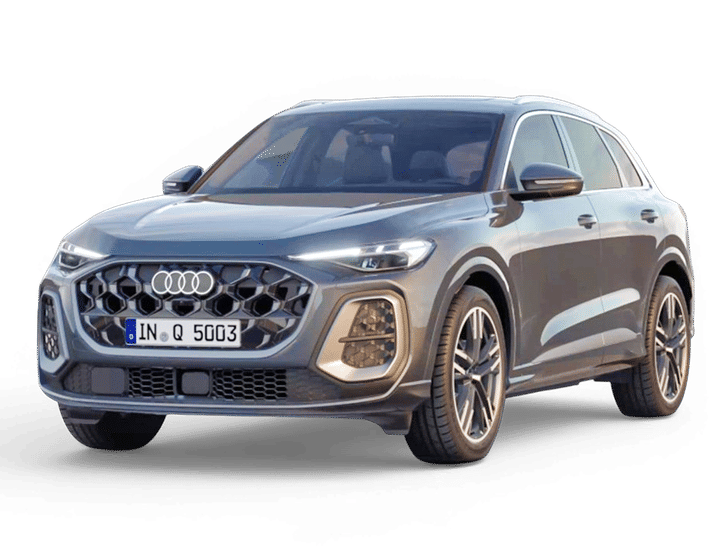
The Audi Q8 e-tron has arguably the best back seat and ride comfort of the lot, but it is dated now and is the lowest on flash value, and looks understated like a regular Audi car SUV, and isn't packing the latest tech.
The BMW iX xDrive 50 EV is an excellent all-rounder that's powerful and great to drive, but while quirky and interesting, it doesn't quite have the presence to make a strong statement.
The Mercedes-Benz EQS SUV 450, then, should be your pick. It offers good space and comfort in the second row, excellent range, great image and presence, and loads of tech, including Mercedes' much vaunted 'hyperscreen' dashboard. Resale value is still a question mark with EVs, but Mercedes is trying to change that perception with buyback schemes on its electric cars, so be sure to check those out.

Mercedes-Benz EQS SUV
Explore cars mentioned


More posts on similar cars

Has E20 fuel affected your mileage?

Expert reviews worth reading


Is ADAS worth paying extra for in a car?
Popular discussions right now
Upcoming launch buzz
Community discussions on upcoming launches



Add a photo of your Macan
First sightings, real road conditions, delivery buzz

Posted on: 10 Dec 2025
