autocar-logo
Delhi
VI

Visagan

7w

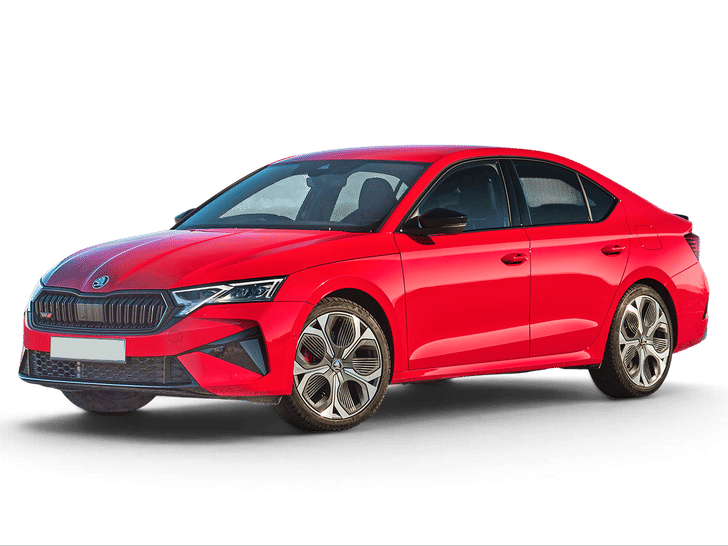
Hi, I am thinking of buying a used 2018 Octavia vRS 230. It has run 55,000 km and is a second-owner car. However, I am a bit sceptical about owning it and managing its maintenance expenses. I can save ₹20,000 per month for maintenance (₹2.4 lakh per year). Should I still go ahead and buy it? My running per month would be around 1,000 km.

Autocar India team

Autocar India

Verified
6w
It really depends on the price you’re paying and the condition of the car. For a 2018 Skoda Octavia RS (vRS 230) that’s clocked 55,000 km and is a second-owner example, you shouldn’t be paying more than Rs 20-22 lakh, assuming it’s in excellent condition with a full and verifiable service history.
The bigger concern with a used RS is how it’s been driven and maintained. At 55,000 km, it’s a fair amount of use for a performance sedan, so pay close attention to the suspension, wheels, and tyres, as these take quite a beating on our roads. Make sure you get a comprehensive service record, and if it has been serviced outside an authorised Skoda workshop or by unqualified tuners, it’s best to steer clear.
If the car is mechanically sound and has been well cared for, it can still give you several years of enjoyable ownership. With your estimated maintenance budget of around Rs 2.4 lakh per year, you should be able to keep it running reliably, provided there are no major mechanical surprises.
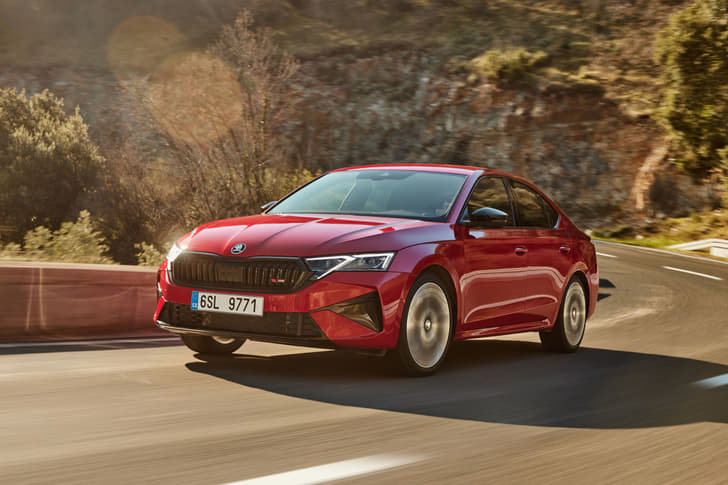
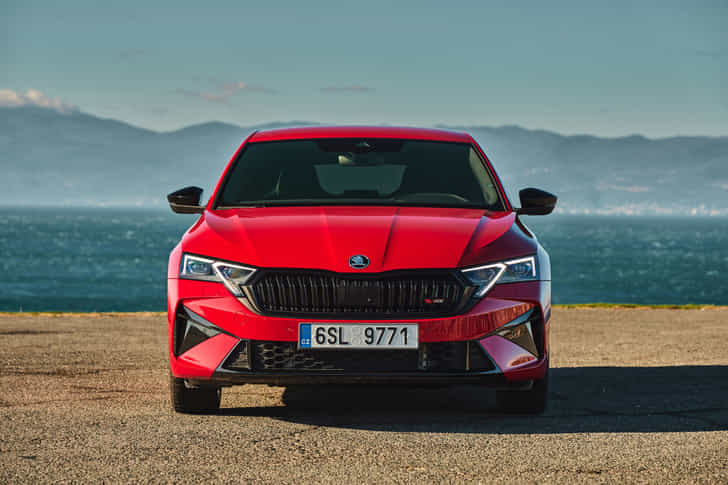
Skoda Octavia RS

Skoda Octavia RS

Explore cars mentioned
More questions on similar cars

MK

MKT

2w

which among Grand Vitara Strong Hybrid and Hyryder Strong Hybrid have better relase value and what might be the eventual replacement cost of the hybrid battery that goes into these vehicles

Autocar India team

Autocar India

Verified
1d

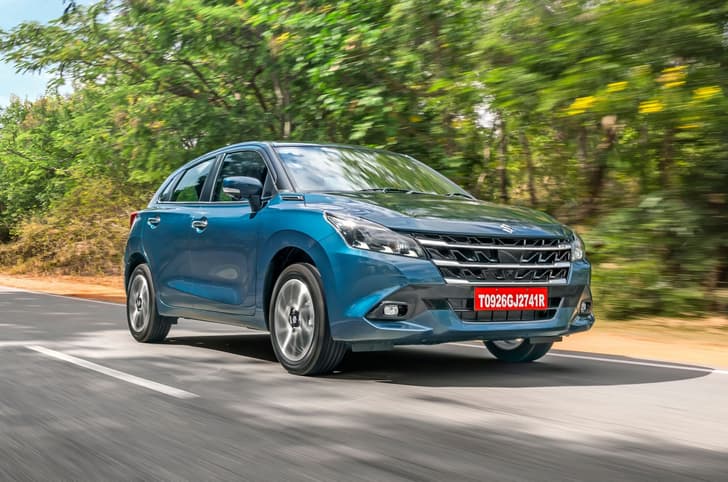
The Maruti Suzuki Grand Vitara Strong Hybrid and the Toyota Urban Cruiser Hyryder Strong Hybrid are still relatively new in the Indian market, so there isn’t enough real-world data yet to say definitively which one will have better resale value. What we can go by for now is brand perception and past trends: Toyotas typically enjoy very strong resale because of their reputation for reliability and low running costs, so it is reasonable to expect the Hyryder to hold its value slightly better over time, all else being equal. That said, the Grand Vitara shares the same Toyota-sourced hybrid powertrain and battery tech, and Maruti’s wide service network and lower maintenance costs also work in its favour, so the gap in resale may not be huge in the real world.On the hybrid battery side, both the Grand Vitara and the Hyryder Strong Hybrid come with an 8-year or 1,60,000 km warranty on the lithium-ion hybrid battery pack, which is now fairly standard for Toyota’s self-charging hybrids and has been extended to the Maruti-Toyota joint products as well. This long warranty is significant because it effectively covers the period when most owners would worry about a big-ticket failure. The battery in these cars is relatively small (around 0.7–0.8 kWh) and is designed to cycle gently between partial states of charge, which greatly improves its life compared to a full EV battery that is regularly fast-charged and deep-cycled.As for eventual replacement cost, there is no official India-specific figure published for the Grand Vitara/Hyryder hybrid pack yet, but looking at typical Toyota hybrid battery pricing abroad and early dealer-level indications, a rough ballpark of around Rs 1.5 lakh to Rs 3 lakh for a full pack replacement is a reasonable estimate in today’s terms, excluding any future inflation. Actual cost will depend on the exact part price at the time, taxes, and whether you go through the authorised network or a specialist workshop once the car is much older. It is also worth noting that Toyota hybrids globally have a very strong track record for battery longevity, with many running well past 10 years and high mileages without needing a pack replacement, and India gets the same basic technology. So while you should be aware of the potential cost, for most owners the battery is unlikely to be a recurring expense within the normal ownership window.

VehicleToyota Urban Cruiser Hyryder
VehicleMaruti Suzuki Grand Vitara
PG

Prashanth Gorijala

1w

How is XEV 9e? One of my friends who owns an XEV 9e is saying that the car wobbles after he crosses 60km/h. Is it true? How is the road grip and overall handling of the 9e? What is your take on the new variant Cinelux?

Autocar India team

Autocar India

Verified
1d

The Mahindra XEV 9e is actually one of the more impressive electric SUVs in its class, offering a strong mix of performance, space, comfort and technology. In typical Mahindra fashion, it also feels quite robustly engineered, which is important for Indian road conditions.Coming to your friend’s point about the car wobbling after 60kph, that hasn’t really been a characteristic we’ve experienced. The XEV 9e is generally quite stable at highway speeds. EVs, by design, have a low centre of gravity because the battery pack sits in the floor, and that usually gives them very good straight-line stability and planted road manners. So if your friend is experiencing a wobble, it could be due to something specific to that particular car, such as tyre pressure, wheel balancing, alignment or even poor road surfaces can cause that sort of sensation. It’s not something that appears to be an inherent trait of the vehicle.In terms of grip and handling, this Mahindra car feels secure and predictable. It’s not meant to be a sporty driver’s SUV, but the wide track, long wheelbase and low battery placement help it feel planted through corners. The steering is light and easy for city driving, though, like most electric SUVs, it’s tuned more for comfort and ease rather than outright driver engagement.As for the Cinelux variant, it’s essentially a cosmetic and feature-focused update rather than a mechanical one. The changes are mainly around new exterior colour options, fresh interior trims and some additional equipment aimed at making the cabin feel a bit more premium and lounge-like.

VehicleMahindra XEV 9e
AS

Ashish

1w

Hi Autocar Expert, I currently own a Tata Nexon XZA diesel and am planning to upgrade. However, I have a major parking constraint at my home. I am interested in the Toyota Innova Hycross, but if it is parked in my parking space, the doors cannot be opened properly due to limited space. Because of this, I am considering buying a car that offers an automatic or self-parking feature. Could you please guide me on which cars offer this feature and would suit my situation?

Autocar India team

Autocar India

Verified
16h

Auto parking might not solve your problem if your parking space is too narrow to open the doors. The summon feature that the Tata Harrier EV gets could be of some use, but it won’t fit your requirements if you need a three-row vehicle like the Toyota Innova Hycross.Instead, we suggest you take a look at the Kia Carens Clavis. It is narrower than the Hycross by about 45-50mm and is roughly the same width as your Nexon, so it should fit in your parking space. In terms of interior volume, while it is not as spacious as the Hycross, it offers plenty of room in the second row and a genuinely usable third row.

VehicleTata Harrier EV
VehicleToyota Innova HyCross
VehicleKia Carens Clavis

Posted on: 31 Jan 2026