Autocar India
•6w

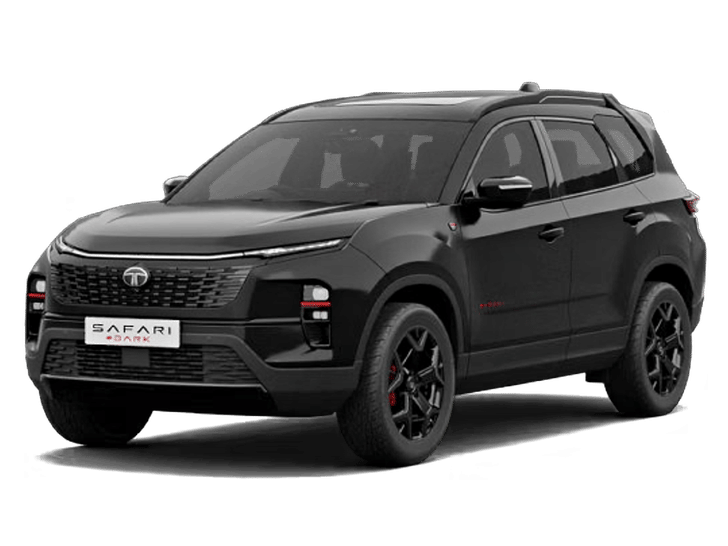
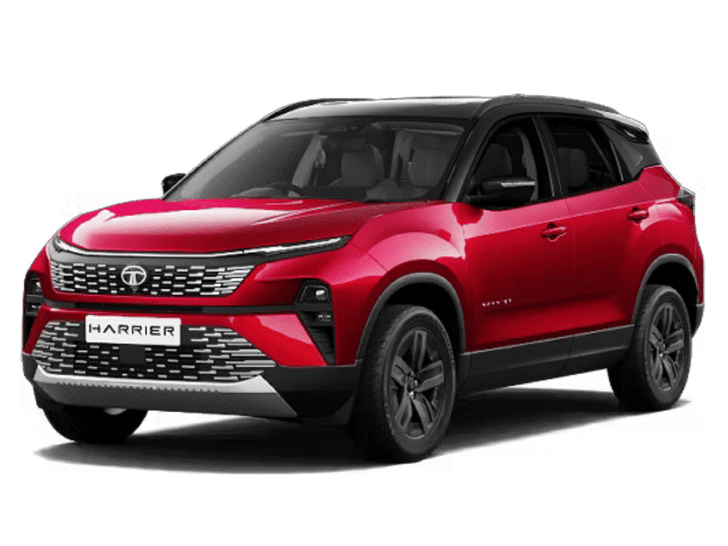
Suggest me a 5-7 seater automatic petrol car considering my budget is between Rs. 22-24 lakh. My priorities are safety, driving comfort with good suspension and decent mileage. My daily city driving is approximately 30km with 75% driving within the city. I have tested Kia Seltos but did not like its suspension. I liked Harrier and Safari but am bit taken aback by the issues highlighted on social media about Tata. Please suggest a suitable car for my priorities among Harrier, Safari and 7XO and also, whether a diesel car will make sense?

Verified
•6w

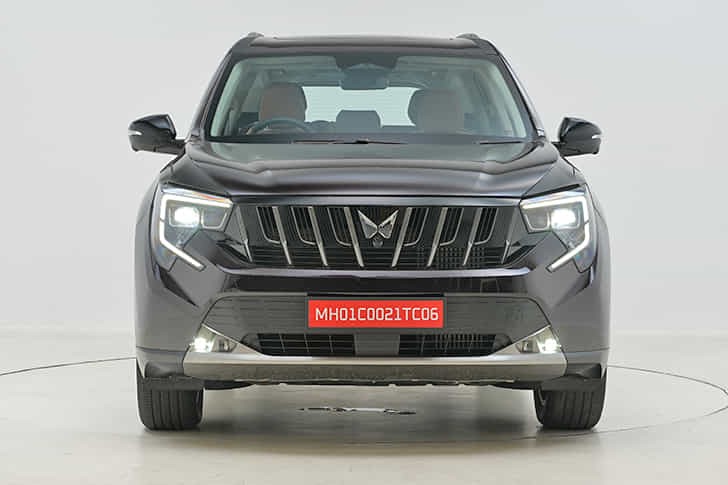
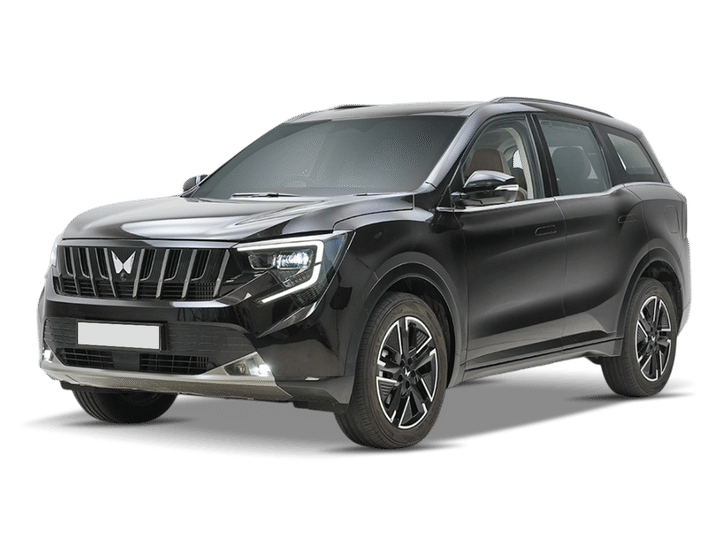
Given your 75% city usage, go for the Mahindra XUV 7XO petrol automatic rather than the diesel. The diesel will deliver better mileage, but your usage isn't ideal for a diesel's DPF system. A DPF traps soot and periodically needs to regenerate by getting hot enough to burn that soot. Predominantly slow, stop-start city driving can prevent this from happening properly, resulting in more frequent regeneration requests and, if these are repeatedly interrupted, potential clogging and workshop intervention.

A 30km daily commute can be fine for a diesel if it includes enough steady-speed running, and regular highway trips would reduce the concern. But with 75% of your driving in the city, choosing diesel primarily for mileage isn't worth adding another consideration to ownership. The petrol XUV 7XO will cost more to run, but it avoids the DPF and DEF-related considerations and is the simpler choice for predominantly urban use.

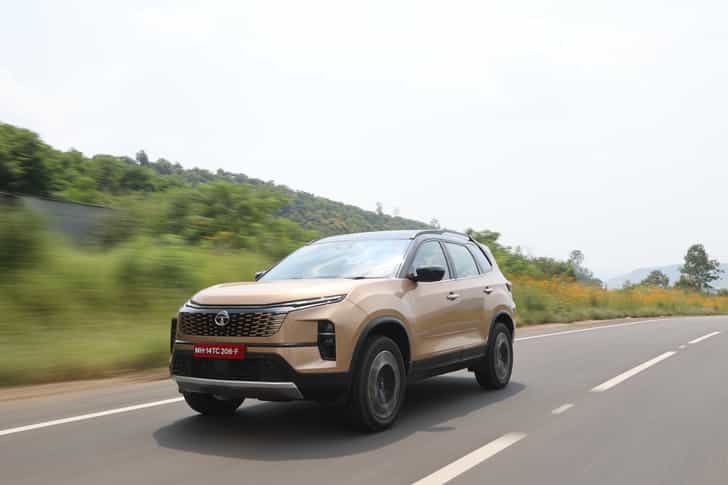
Choose the XUV 7XO petrol automatic. The Harrier and Safari remain good alternatives if you prefer their ride and styling, but between the three, the 7XO petrol offers the best combination of comfort, space, safety and hassle-free city ownership for your usage.
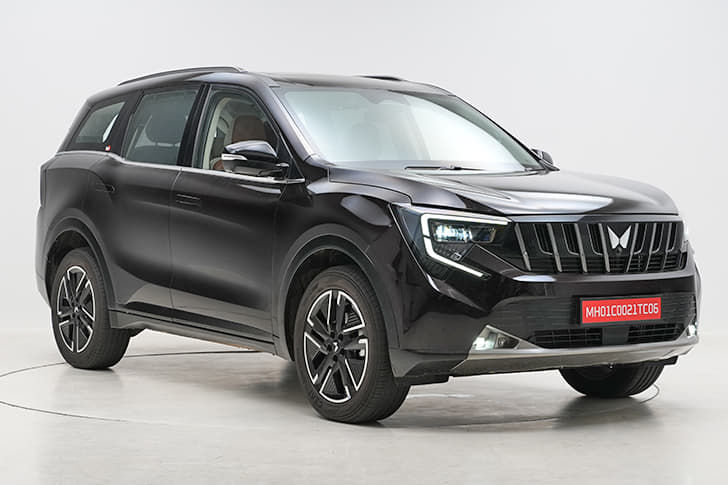
Mahindra XUV 7XO

Mahindra XUV 7XO

Was this helpful? Ask a follow-up

•5w•

@anicm Go with Tata Harrier 👍

More posts on similar cars

•4d

I’m quite confused about my next car upgrade and would really appreciate some advice from people who have experience travelling with large families and pets. We are a family of six: my wife, our child, my parents, our dog and me. Until now, I’ve been using a Tata Punch, which has served us reasonably well. However, with our little baby, things have become considerably more complicated. A five-seater no longer seems practical, especially when we travel with luggage and our dog. My usage is a mix of daily commuting (around 20 km a day) and family road trips. We usually undertake 3-4 long trips a year with approx 3-4k kms round trip. I’ve been considering three options: 1. Tata Sierra The idea here is to use all five seats for the family and create a padded, bed-like platform in the boot for our dog. I could use the space underneath the platform for luggage. The ROX edition’s roof carrier is another interesting option, although I’m unsure about the legal restrictions on roof-mounted luggage carriers and whether they could attract challans in states such as Delhi, Rajasthan and Madhya Pradesh. 2. Tata Safari The Safari offers the advantage of a third row. I’m wondering whether I could fold down half of the third row to accommodate luggage while keeping the other half for my dog. I’d probably need to install some sort of secure partition or cage to prevent luggage from shifting onto the dog or flying forward during sudden braking. However, I’m not sure how practical or safe this arrangement would be. 3. Toyota Innova Hycross (GXO) Given that my daily commute is relatively short, I’m not convinced that the hybrid’s additional cost would be justified by fuel savings alone. However, the Hycross’s cabin and luggage space are appealing. I’m wondering whether the third-row floor and boot could be configured to create a sufficiently large, flat and comfortable space for my dog while still accommodating our luggage. At this stage, these are just ideas, and I’m not sure how practical any of them would be in real-world conditions. I’d particularly appreciate advice from people who travel with their dogs, especially on long road trips. How do you manage luggage, ensure your pet’s safety and keep the cabin comfortable for everyone? Are there any other vehicles or practical modifications I should consider? One important consideration is that our baby is still very small, so we don’t have any major trips planned in the immediate future. I’m perfectly happy to postpone our next big road trip for a year or so. Consequently, I’m in no hurry to buy a car and am open to waiting for upcoming launches if something more suitable is on the horizon. I’d love to hear about your actual experiences, particularly with pet-friendly car setups, rather than just theoretical suggestions. Any advice on the choice of vehicle, safe modifications or alternative configurations would be greatly appreciated.

Verified
•1d

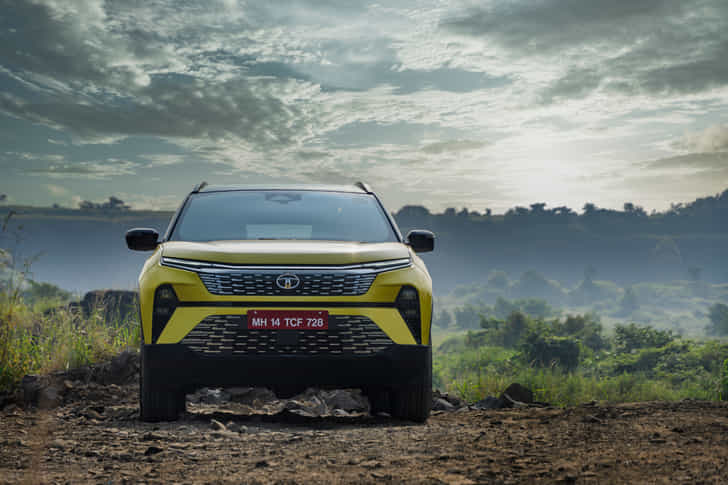
Given your family size, the presence of a baby and a dog, and your mix of daily commuting and long road trips, the Toyota Innova Hycross GXO is the most practical and sensible upgrade. The Hycross offers a genuinely spacious and flexible cabin, a flat and usable boot area and a proven reputation for reliability and long-term ownership. The third row can be folded flat to create a large, comfortable space for your dog, while the remaining boot area can accommodate luggage. The hybrid premium is not justified with your usage, so you will be better off with the standard petrol powertrain.The Tata Sierra is a good option if you want a more premium and stylish SUV experience, but it is ultimately a five-seater with a boot. Creating a raised platform for the dog is possible, but it compromises luggage space and safety on long trips. The Tata Safari offers a third row, but the Hycross offers more room with the seats up or stowed.On the pet side, the key is to use a proper harness or crate for the dog, ensure good ventilation and avoid loose luggage in the cabin. The Hycross's flat boot and fold-flat third row make it easy to create a safe and comfortable space for your dog without compromising family comfort.Overall, the Hycross GXO is the most practical and family-friendly solution for your needs.

VehicleToyota Innova HyCross
VehicleTata Sierra
VehicleTata Safari
•1d

I am planning to buy an adventure bike but am confused between the Honda NX500 and KTM 390 Adventure. I used to ride a Suzuki Fiero about 25 years ago, from Thane to Nair Hospital in Mumbai Central. After a long gap, I purchased a Duke 390 about 7 years ago, which I used for around a year before selling it, as I didn’t find enough time to ride it. I am currently 52 years old and want to start riding again. My rides would be occasional city rides and weekend rides of around 25-50 km to start with. I have tried Royal Enfield bikes, but the engine didn’t click with me. Please suggest.

Verified
•9h

Considering that the KTM 390 Adventure is a bike that (at most) costs Rs 4 lakh, while the Honda NX500 E-Clutch is nearly Rs 7.50 lakh (ex-showroom, Delhi prices for both), there's little to be compared between the two on these terms. The KTM is surely the more sporty, the more off-road ready and the more feature-laden bike of the two, but at the same time its polarising looks, buzzy and gruff engine and mediocre suspension (on the 350cc and 398cc X variant) are some areas where it should do better. Since you bought a first-gen 390 Duke and you didn't gel with it, perhaps that could very well ring true for the 390 Adventure as well. The NX500, on the other hand, is a calm, smooth and composed machine but isn't what you'd call exciting. It is definitely more road-biased and is best thought of as a tourer that can handle bad roads than an out-and-out off-roader. We'd recommend you take a look at the BMW F 450 GS too, if you're shopping in this category as it brings a different flavour to the table.

KTM 390 Adventure
Honda Bikes NX500
KTM 390 Duke
BMW Bikes F 450 GS

Has E20 fuel affected your mileage?

Is ADAS worth paying extra for in a car?

Popular discussions right now

Upcoming launch buzz

Community discussions on upcoming launches
Add a photo of your Harrier

First sightings, real road conditions, delivery buzz

Posted on: 25 Aug 2026