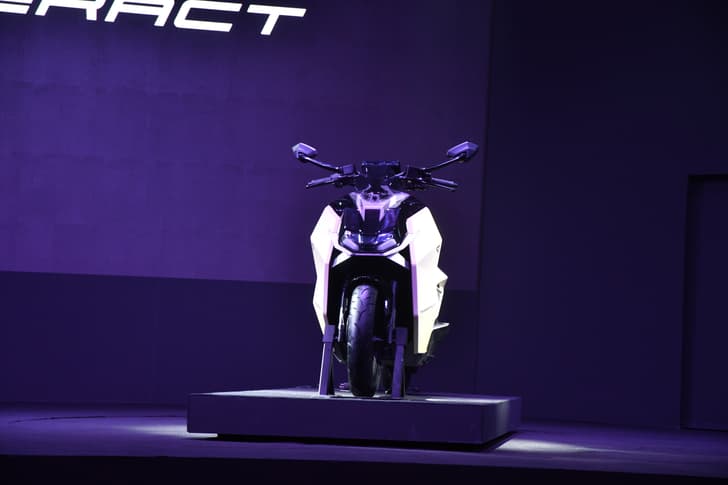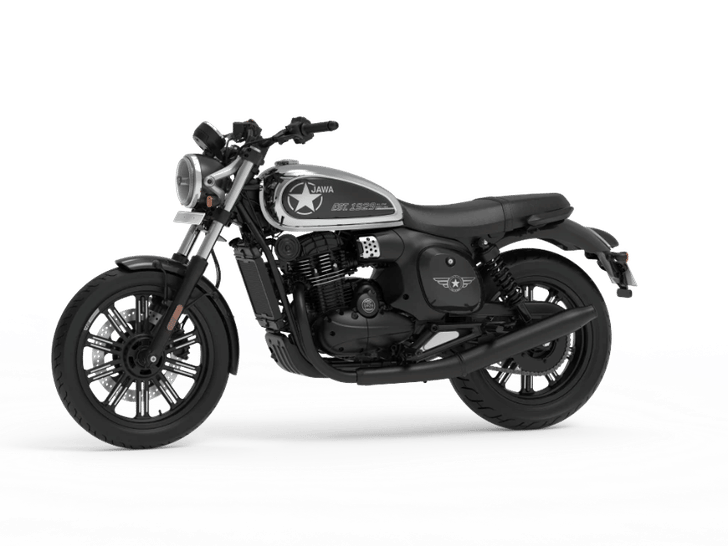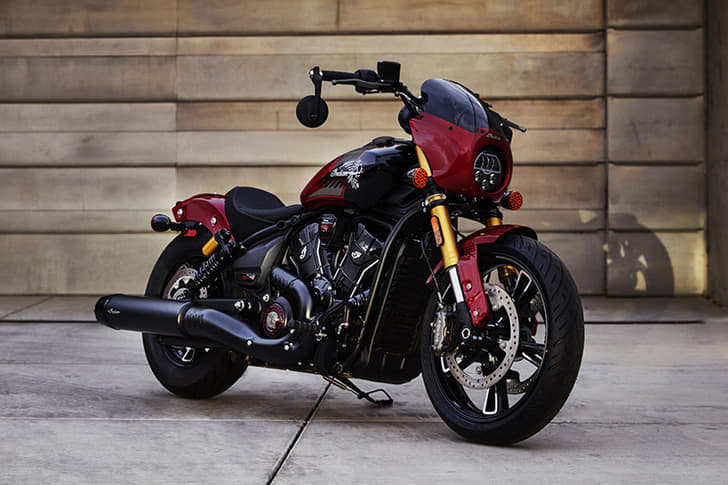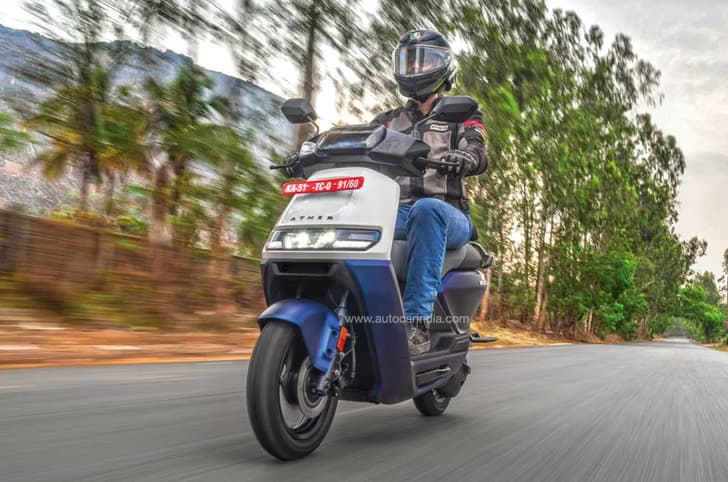
The Delhi Cabinet has formally approved the Delhi EV Policy 2026, confirming measures that we had earlier reported were under consideration. The policy comes into effect on July 1, 2026, and will remain in force until March 31, 2030. Its most significant provision for the two-wheeler industry is that only new electric two-wheelers (e2Ws) will be eligible for registration in Delhi from April 1, 2028.
- Delhi EV Policy 2026 approved; comes into effect on July 1, 2026
- Only electric two-wheelers to be registered in Delhi from April 1, 2028
- Purchase incentives of up to Rs 30,000 for electric two-wheelers
Delhi EV Policy 2026: Key details
Auto-rickshaws and N1 goods carriers face earlier electric-only deadline
The policy introduces a tiered timeline for transitioning different vehicle categories to electric. Auto-rickshaws and N1 goods carriers face an earlier deadline – from January 1, 2027, only electric versions of these vehicles will be registered in Delhi. The deadline for two-wheelers is April 1, 2028.
To support the transition, the policy offers purchase incentives of up to Rs 30,000 for electric two-wheelers, up to Rs 50,000 for electric three-wheelers and up to Rs 1 lakh for electric N1 goods vehicles. Scrappage incentives ranging from Rs 5,000 to Rs 1 lakh are also available for replacing older, more polluting vehicles with electric alternatives. All incentives will be transferred directly to beneficiaries’ bank accounts.
On the infrastructure front, the target is to install over 30,000 EV charging points across Delhi.
For India’s two-wheeler industry, the April 2028 deadline under the Delhi EV policy marks a significant shift. A Crisil impact assessment published earlier this year projected that the move could increase the share of EVs in two-wheeler sales to 21-23 percent by FY29, versus 18-20 percent in the absence of such a policy, and add nearly 6 lakh e2Ws to national sales volumes. Two-wheelers account for nearly 67 percent of Delhi’s registered vehicle stock, and Crisil noted that the capital’s move could encourage other states to adopt similar mandates.
 Autocar India News Desk
 Dhruv Dhaka