Hybrid Cars Under 20 Lakh in India (4)
Discover the best Hybrid Cars Under 20 Lakh. Our comprehensive guide covers detailed specifications, expert reviews, pricing information, and buying advice for Hybrid Cars Under 20 Lakh. Find the perfect cars that matches your requirements and budget.


Filter your search
Filter your search
Trending Questions on Cars - Answered by Autocar Experts
Hi, I am currently driving Maruti Suzuki Dzire VXI petrol for daily running of 70 km. I am planning to upgrade to a hybrid/CNG/EV with decent features. What are the options under Rs. 15 Lakh?
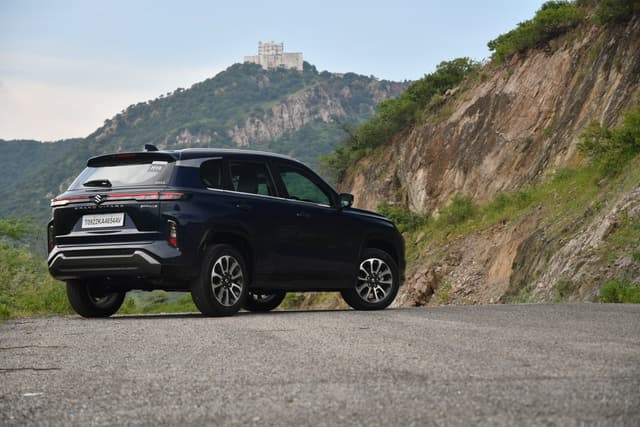
With a daily running of 70km, you are clocking over 25,000km a year, so fuel efficiency and running costs become very important. Since you are coming from a Dzire VXI, reliability and low maintenance are likely priorities as well.CNG is the most cost-effective option for your usage, and the Maruti Suzuki Brezza CNG is the most sensible upgrade. It is a practical, reliable SUV with a factory-fitted CNG kit, good service reach and low running costs. The Brezza CNG also offers a decent feature set and a comfortable ride, making it a very easy car to live with.If you are open to EVs and have access to home charging, the Tata Nexon EV is worth considering. It will offer the lowest running costs and a more premium cabin, but only if your daily route is predictable and you can charge at home. Otherwise, CNG remains the more practical choice.Hybrids like the Maruti Suzuki Victoris Hybrid or Toyota Urban Cruiser Hyryder Hybrid are excellent for your use case, but they won't fall under your budget of Rs 15 lakh.Overall, the Brezza CNG is the most sensible upgrade for your usage and budget.
I currently drive a Swift AMT and cover around 1,500 km a month, including 1,000 km on the highway and 500 km in the city. I have booked the Duster Hybrid, but I am now confused between an EV and a hybrid. As an auditor, my single-day driving can go up to 300 km, and twice a year I take road trips of around 1,500 km each. My company reimburses me Rs 10 per km for my 1,000 km of monthly travel. Please suggest the better option. My budget is Rs 15-20 lakh.
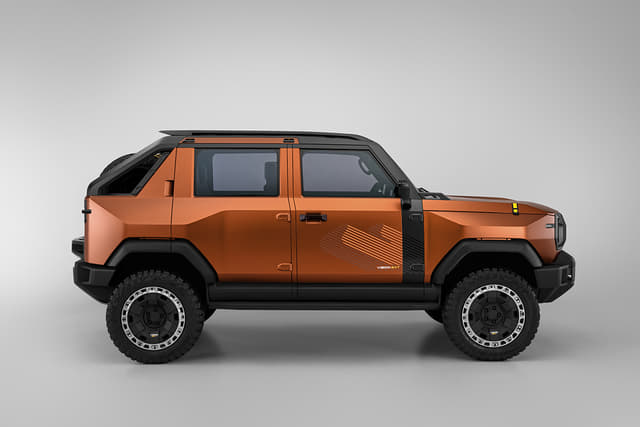
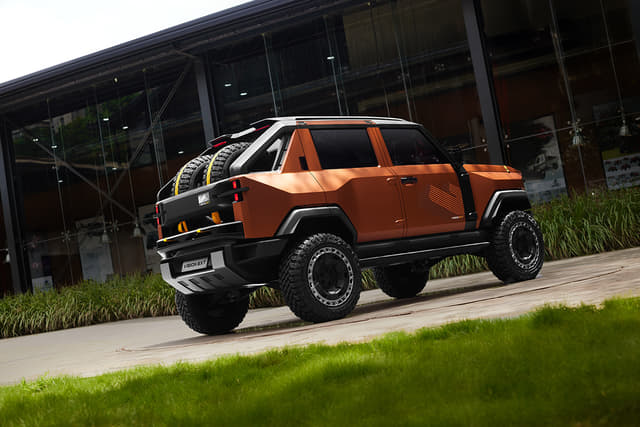
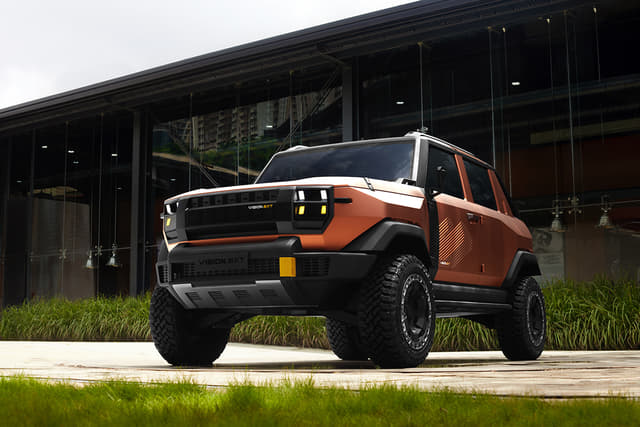
Go for the Renault Duster Hybrid you have already booked. Your usage pattern is heavily highway-biased, with regular 300 km days and occasional 1,500 km road trips, and that is where a hybrid car makes the most sense. The Duster Hybrid should deliver strong fuel efficiency on the highway, keep running costs low and eliminate any range anxiety or charging dependency. The Rs 10 per km reimbursement will work in your favour with a hybrid, as you will consistently benefit from lower fuel costs without the need to plan charging stops or worry about charging infrastructure on long trips.An electric car would only make sense if your usage was predominantly city-based with predictable daily runs and home charging available. With your highway-heavy usage and long single-day drives, an EV would require careful charging planning and could become inconvenient on longer trips. The Duster Hybrid is also a good car to drive, with a strong balance of ride comfort and handling, making it well suited to your kind of usage.The only caveat is that the Duster Hybrid is a new product and does not have a proven long-term ownership record yet. If that concerns you, the Maruti Suzuki Victoris Hybrid is the safer long-term ownership choice, but the Duster will be the more engaging car to drive and feel more premium as well. Overall, the Renault car mentioned above is the best fit for your usage.
I purchased a Kia Sonet 1.0 iMT in 2024 after owning Maruti Suzuki Dzire for around 11 years. I was so bored of driving it for more than a decade that I rushed to change. I wanted a compact SUV as an upgrade but settled for a sub-compact SUV due to budget constrain or may be due to lack guidance and understanding. Soon after buying it, I realized that this is not the car that I want to drive. I want a vehicle that looks and feels rugged but at the same time, is usable for daily commute with 80 - 90% city drive. I want to feel the same way I feel when I drive my Royal Enfield (strong and rugged). In less than 3 years, I am looking for a change again but this is time I don't want to make the same mistake. I have a few cars in mind but I am not sure which one should I go for. I have shortlisted Renault Duster Hybrid (upcoming), Tata Harrier AT (diesel), Thar Roxx AT (diesel), Toyota Hyryder Hybrid and Hyundai Creta AT (Diesel or Petrol). I drive around 1000 to 1200 km per month, mostly in the city but when I plan for long drives to mountains in Himachal, Uttarakhand or even Leh, I shouldn't have to worry about it. My budget is between 17 to 19 lakh (ex-Showroom). Please advise.
Go for the Renault Duster Hybrid when it launches. It is the best fit for what you are looking for. You want a car that feels rugged and strong like your Royal Enfield, but is still usable for daily city driving. The Duster has always been known for its tough, no-nonsense character and excellent ride quality, and the new generation continues that tradition. The hybrid powertrain will make it much more suitable for your 80-90% city driving, while still being capable enough for long drives to the mountains without you having to worry about fuel efficiency or reliability.The Tata Harrier diesel is a good car, but it is a much larger vehicle and not as easy to live with in the city. The Thar Roxx/OG is a great lifestyle vehicle, but it is not practical as a daily driver. The Toyota Hyryder Hybrid is a sensible choice, but it does not have the same rugged character you are looking for. The Hyundai Creta diesel is a good all-rounder, but it does not feel as tough or as special as the Duster. With your running, you could consider the 1.3 turbo petrol Duster with the DCT as well. It is not the most efficient engine and gearbox combination, but given your limited running, the fuel economy penalty should not be significant.
My monthly running is 3000km that translates to 40000 kilometers annually with most round trip of around 400-500 km thrice a month on highway. I own a petrol car and its mileage is close to 14 kpl. Should I opt for EV under 20 lakh budget or should I look for diesel or strong hybrid?In hybrid, we will not have a better boot space since we always use it to carry stuff.
With 40,000 km a year and frequent 400-500 km highway trips, a diesel SUV is the most sensible choice. At that kind of running, fuel efficiency and ease of long-distance travel become the top priorities. Diesel engines are still the most cost-effective option for high-mileage highway use, and you will recover the higher purchase price very quickly. An EV under Rs 20 lakh is not the right solution for your usage pattern. While EVs are excellent for city driving and predictable daily commutes, your frequent long highway runs would require careful charging planning and add unnecessary complexity to your ownership experience. Strong hybrids are a good middle ground, but as you rightly pointed out, many hybrid SUVs compromise boot space due to battery packaging, which is a problem if you regularly carry a lot of luggage. A diesel SUV like the Mahindra XUV 7XO or if you want something smaller then the Kia Seltos is the most practical and cost-effective solution for your usage.
I’m confused between two cars: the Hyundai Creta S(O) Automatic, which costs around Rs 16 lakh on-road, and the Maruti Suzuki Victoris ZXi Strong Hybrid, which costs around Rs 18.6 lakh on-road. Both have very different powertrains, and I don’t want to regret my decision after buying. My usage is around 1,200–1,300km per month, mostly in the city, and I plan to keep the car for 10–12 years. Considering long-term reliability, maintenance costs, fuel economy, powertrain longevity, resale value and overall ownership experience, which car and powertrain would you recommend? I’m particularly concerned about whether the Victoris Strong Hybrid is worth paying an additional Rs 2.6 lakh for over the Creta, given my usage. I want to make the right decision and buy a car that I can keep for the long term without regretting my choice.
Go for the Maruti Suzuki Victoris ZXi Strong Hybrid. With your usage of 1,200–1,300 km a month, mostly in the city, the hybrid system will deliver a significant fuel economy advantage, especially in stop-start traffic where the electric motor does most of the work. Over a 10–12 year ownership period, that efficiency will more than justify the initial price premium over the Creta.The Victoris hybrid powertrain is a proven Toyota system with a strong track record for reliability and longevity, and Maruti’s service network is extensive and affordable.
Last Updated on: 19 Oct 2026